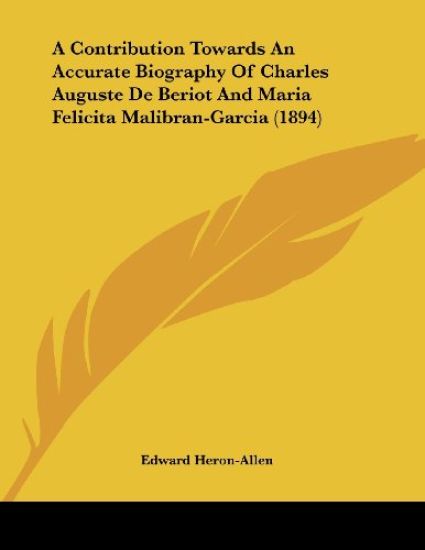
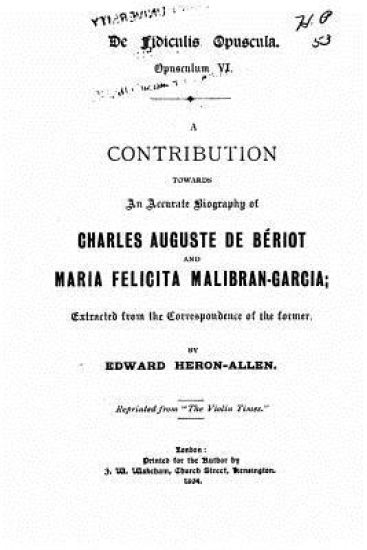
A Contribution Towards an Accurate Biography of Charles Auguste de B riot by Edward Heron-Allen. This book is a reproduction of the original book published in 1894 and may have some imperfections such as marks or hand-written notes.
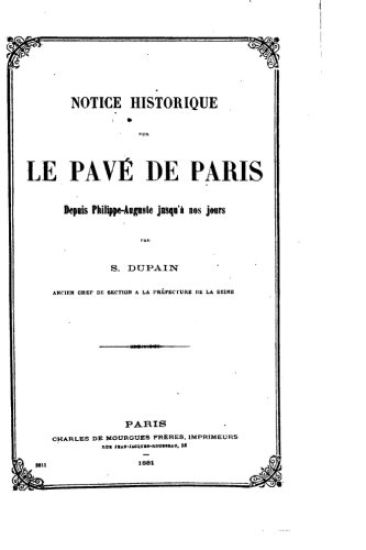
Notice historique sur le pav de Paris depuis Philippe-Auguste jusqu' nos jours by S. Dupain. This book is a reproduction of the original book published in 1881 and may have some imperfections such as marks or hand-written notes.
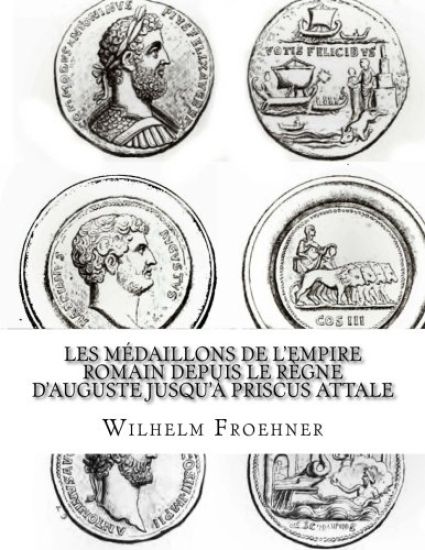
R impression 2016 en fac-simil et en grand format du premier ouvrage en fran ais traitant des m daillons. Malgr son anciennet , il reste utile et agr able lire, peu d'ouvrages sur le sujet ayant t publi s par la suite. 1310 illustrations de m daillons sont inclus dans le texte.
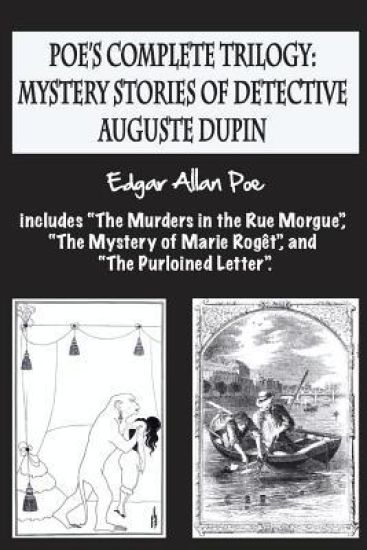
Between 1841 and 1844, Edgar Allan Poe invented the genre of detective fiction with three mesmerizing stories of a young French eccentric named C. Auguste Dupin. Introducing to literature the concept of applying reason to solving crime, these tales brought Poe fame and fortune. "The Murders in the Rue Morgue" is a short story by Edgar Allan Poe published in Graham's Magazine in 1841. It has been claimed as the first detective story; Poe referred to it as one of his "tales of ratiocination". As the first true detective in fiction, the Dupin character established many literary devices which would be used in future fictional detectives including Sherlock Holmes and Hercule Poirot. Many later characters, for example, follow Poe's model of the brilliant detective, his personal friend who serves as narrator, and the final revelation being presented before the reasoning that leads up to it. Dupin himself reappears in "The Mystery of Marie Rog t", and "The Purloined Letter". "The Mystery of Marie Rog t", often subtitled A Sequel to "The Murders in the Rue Morgue" was written in 1842. This is the first murder mystery based on the details of a real crime. It first appeared in Snowden's Ladies' Companion in three installments, November and December 1842 and February 1843. "The Purloined Letter" is the third of his three detective stories featuring the fictional C. Auguste Dupin. These stories are considered to be important early forerunners of the modern detective story. It first appeared in the literary annual The Gift for 1845 (1844) and was soon reprinted in numerous journals and newspapers.
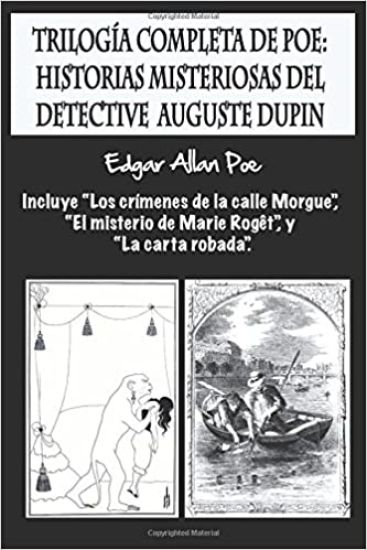
Entre 1841 y 1844, Edgar Allan Poe invent el g nero de la ficci n detectivesca con tres historias fascinantes de un joven exc ntrico llamado C. Auguste Dupin. Introduciendo a la literatura el concepto de aplicar la raz n para resolver un crimen, estos relatos le dieron a Poe fama y fortuna. "Los cr menes de la calle Morgue" es una historia corta de Edgar Allan Poe publicada en Graham's Magazine en 1841. Se ha afirmado que es la primera historia de detectives; Poe se refiri a ella como uno de sus "cuentos de raciocinio". Siendo el primer detective verdadero de ficci n, el personaje de Dupin estableci muchos dispositivos literarios que se usar an en futuros detectives ficticios, incluidos Sherlock Holmes y Hercule Poirot. Muchos personajes posteriores, por ejemplo, siguen el modelo de Poe del brillante detective, su amigo personal que sirve como narrador, y la revelaci n final presentada antes del razonamiento que conduce a ella. El mismo Dupin reaparece en "El misterio de Marie Rog t" y en "La carta robada". "El misterio de Marie Rog t" a menudo subtitulada el s quelo de "Los cr menes de la calle Morgue", fue escrita en 1842. Este es el primer misterio de asesinato basado en un crimen real. Apareci por primera vez en el Snowden's Ladies' Companion en tres partes, en noviembre y diciembre de 1842 y en febrero de 1843. "La carta robada" es la tercera de sus tres historias de detectives con C. Auguste Dupin de protagonista. Estas historias son consideradas precursoras importantes de la historia detectivesca moderna. Apareci por primera vez en la publicaci n literaria The Gift for 1845 (1844) y pronto fue reimpresa en numerosas revistas y peri dicos.