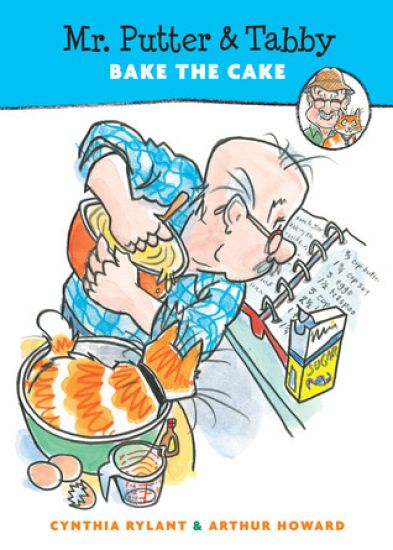
Mr. Putter and his beloved cat bake a light and airy Christmas cake for their neighbor Mrs. Teaberry. "Howard's relaxed, mixed-media pictures catch the nuances of the cozy, affectionate relationship between an old man and a cat with all the right moves." --ALA Booklist
Dreaming of all the delicious growing things in his garden and most especially anticipating his juicy pears, Mr. Putter is unable to pick the pears because of his "cranky" legs and enlists the help of his cranky-tailed cat. Simultaneous.
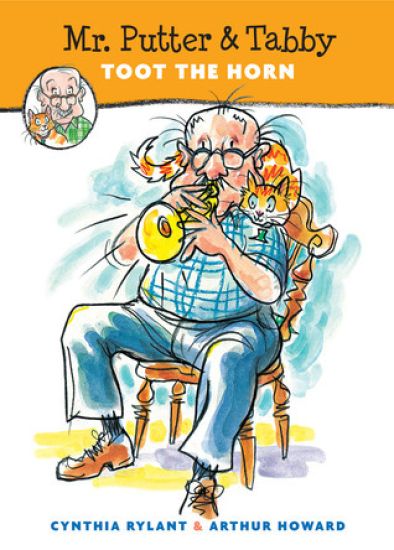
Mr. Putter and his fine cat, Tabby, like sharing music with their neighbors, Mrs. Teaberry and her good dog, Zeke. But when Mrs. Teaberry decides they should join a band, Mr. Putter isn't so sure. He doesn't even play an instrument. Neither does she. But they aren't going to let that stop them
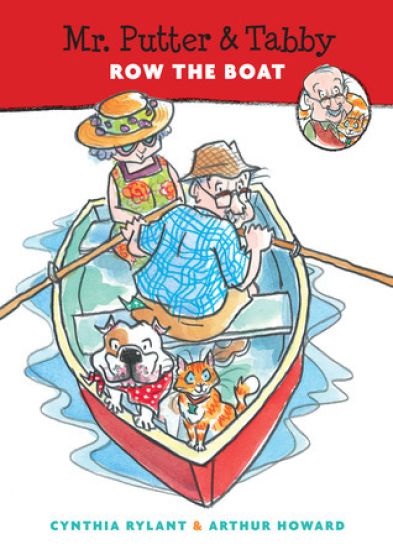
Mr. Putter and Tabby are hot as there seems to be no escape from the weather, but then Mr. Putter decides a trip to the lake might be quite refreshing. He invites his neighbour Mrs. Teaberry and her dog Zeke. They have a great time rowing to a shady spot and picnicking. But after a walk back home, they are just as hot as before. Mrs. Teaberry comes up with a cool, wet surprise. It's a delightful easy-to-read story that presents grandparent-aged characters in a positive light, having lots of fun.
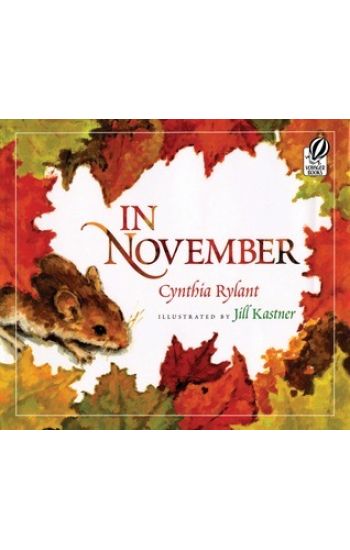
In November, the air grows cold and the earth and all of its creatures prepare for winter. Animals seek food and shelter. And people gather together to celebrate their blessings with family and friends. Cynthia Rylant's lyrical language and Jill Kastner's rich, cozy paintings capture the cherished moments of this autumn month--the moments we spend together and the ones we witness in the world around us.
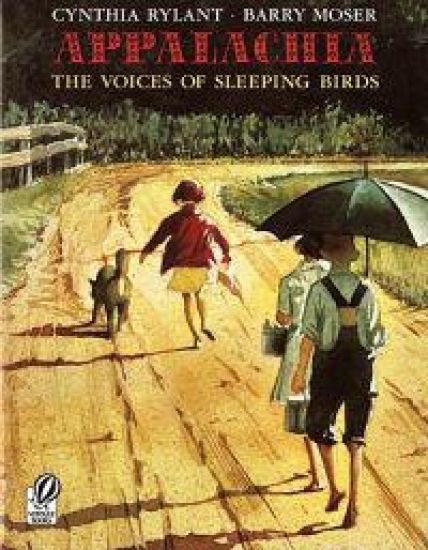
Two award-winning artists, drawing on their experiences growing up in the region, team together to create a portrait of life in the unique landscape of Appalachia, through lyrical prose and watercolor illustrations. Reprint. AB. H.
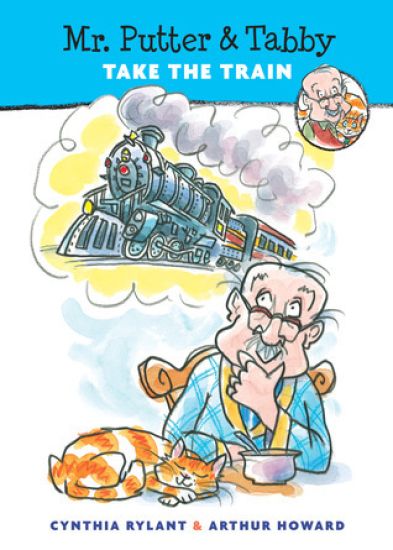
Climb aboard with Mr. Putter and Tabby in the newest paperback book in this beloved early chapter book series.Mr. Putter and his fine cat, Tabby, are going for a train ride with their neighbours, Mrs. Teaberry and her good dog, Zeke. They've planned the perfect afternoon trip. But when they get to the station, they're in for a big surprise: No pets are allowed on the train! It looks like the trip is off, until Mr. Putter comes up with a clever idea.
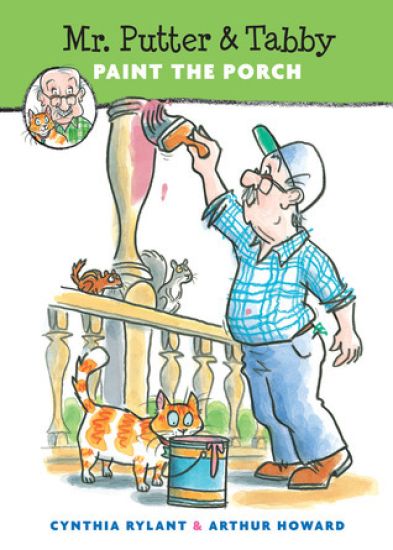
Mr. Putter wants to paint his porch. He has a bucket of pink paint, a big brush, and some rags. And he has Tabby to keep him company. Everything is perfect, until a squirrel scampers onto the porch and catches Tabby s eye. . . ."
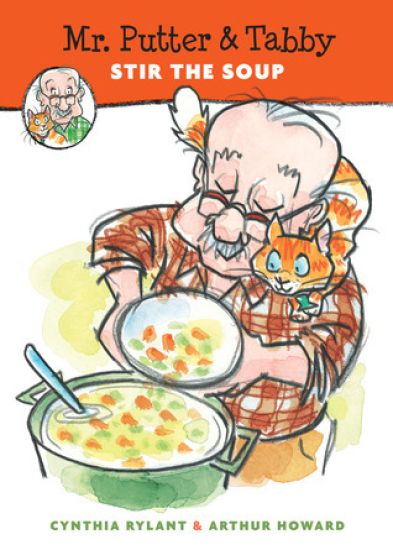
Mr. Putter and Tabby love homemade soup. But when at last they have all the right ingredients to make some, they find that their treasured stove, Bessie, is on the blink. Luckily, their neighbor, Mrs. Teaberry, is happy to share hers. But watch out--her good dog, Zeke, would much rather run than cook. . . .
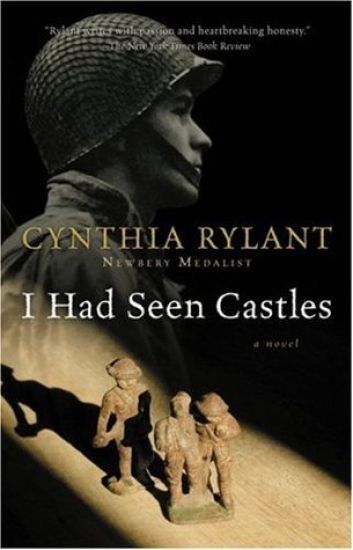
John Dante is seventeen when the Japanese bomb Pearl Harbor, and he wants to fight for his country. But then he falls head over heels for Ginny Burton, who is against all war, and his beliefs are suddenly questioned. Rather than be judged a traitor or a coward, though, John enlists--a decision that changes his life forever. Includes a reader's guide and an inverview with the author.
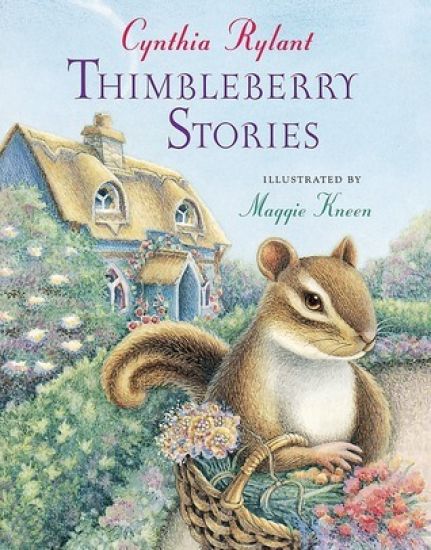
Nigel Chipmunk lives in a cozy little cottage on Thimbleberry Lane, and he has wonderful neighbors who are always up for a visit or an adventure. With heartwarming illustrations and old-fashioned charm, this oh-so-gentle storybook is perfect for a snuggly read-aloud and to be shared with the dearest of friends
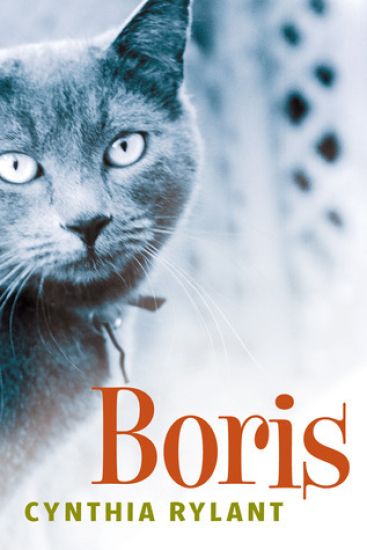
Boris is a big gray cat who loves sleeping and playing and exploring and hunting. And his owner loves him for all of his simple cat ways. But Boris, typical as he may be, is part of a much larger story in this moving exploration of love, longing, compassion, and most of all, the continuous give-and-take of true friendship. Newbery medallist Cynthia Rylant's powerful collection of poems will resonate in the hearts of readers of all ages.
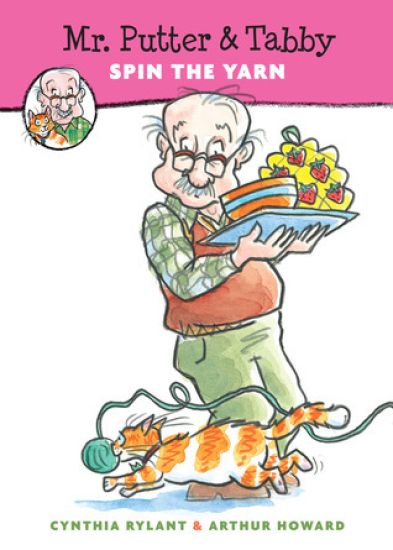
Mrs. Teaberry announces that she's starting a knitting club, and Mr. Putter is happy to help out. But disaster strikes when Tabby and Zeke want to pitch in, too: Mrs. Fitzwater's sweater completely unravels, and the whole afternoon ends up in quite a tangle.
In November, the air grows cold and the earth and all of its creatures prepare for winter. Animals seek food and shelter. And people gather together to celebrate their blessings with family and friends. Cynthia Rylant's lyrical language and Jill Kastner's rich, cozy paintings capture the cherished moments of this autumn month--the moments we spend together and the ones we witness in the world around us.
When Mr. Putter eats twenty-one pineapple jelly rolls, he ends up with a grumbling tummy. Worse, he can't sleep A midnight stargazing stroll with Tabby seems to be just the cure--but could it be that Mr. Putter and Tabby aren't the only ones still wide awake?
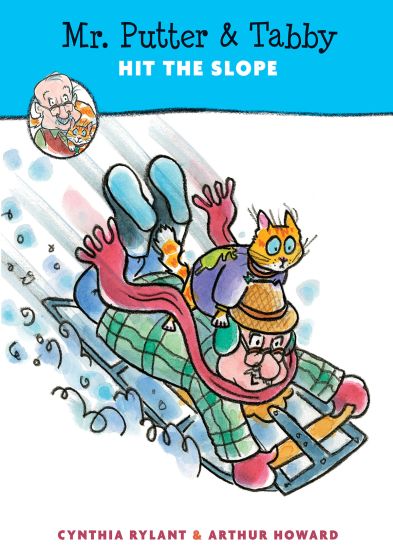
Mr. Putter and his fine cat, Tabby, like winter. But when the snow is deep outside and there's nothing to do inside, even a cozy winter day can be a little slow. Not for long When Mrs. Teaberry and her good dog, Zeke, pull two sleds out of the garage, the four friends head for the sledding slope for the wildest ride ever. Maybe winter is not so slow after all
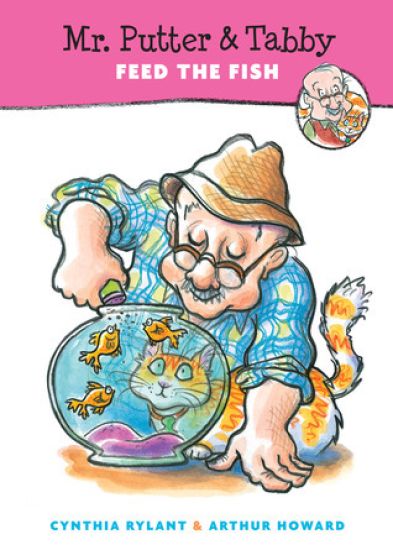
Mr.Putter and Tabby love going to the fish store.Mr.Putter loves it because he has always liked fish.Tabby loves it because fish make her whiskers tingle and her tail twitch.So one day Mr.Putter and Tabby decide to bring three fish home.And that's when they discover that Tabby has a fish problem....
A guide prepares people hoping to adopt for the emotional pitfalls and many concerns surrounding the adoption process, discussing international adoptions, private adoptions, rights of the birth family, medical risks, and other issues, and contains thorough bibliographies, sample letters and resumes, and other helpful information. Original.
In the first decade of the 21st century, five rising powers (Brazil, Russia, India, China, and South Africa) formed an exclusive and informal international club, the BRICS. Although neither revolutionaries nor extreme revisionists, the BRICS perceive an ongoing global power shift and contest the West's pretensions to permanent stewardship of the existing economic order. Together they have exercised collective financial statecraft, employing their expanding financial and monetary capabilities for the purpose of achieving larger foreign policy goals. This volume examines the forms and strategies of such collective financial statecraft, and the motivations of each individual government for collaborating through the BRICS club. Their cooperative financial statecraft takes various forms, ranging from pressure for "inside reforms" of either multilateral institutions or global markets, to "outside options" exercised through creating new multilateral institutions or jointly pushing for new realities in international financial markets. To the surprise of many observers, the joint actions of the BRICS are largely successful. Although each member has its unique rationale for collaboration, the largest member, China, controls resources that permit it the greatest influence in intra-club decision-making. The BRICS cooperate due to both common aversions (for example, resentment over being perennial junior partners in global economic and financial governance and resistance to infringements on their autonomy due to U.S. dollar dominance and financial power) and common interests (such as obtaining greater voice in international institutions, as the IMF). The group seeks reforms, influence, and enhanced leadership roles within the liberal capitalist global system. Where blocked, they experiment with parallel multilateral institutions in which they are the dominant rule-makers. The future of the BRICS depends not only on their bargaining power and adjustment to market players, but also on their ability to overcome domestic impediments to sustainable economic growth, the basis for their international influence.
In the first decade of the 21st century, five rising powers (Brazil, Russia, India, China, and South Africa) formed an exclusive and informal international club, the BRICS. Although neither revolutionaries nor extreme revisionists, the BRICS perceive an ongoing global power shift and contest the West's pretensions to permanent stewardship of the existing economic order. Together they have exercised collective financial statecraft, employing their expanding financial and monetary capabilities for the purpose of achieving larger foreign policy goals. This volume examines the forms and strategies of such collective financial statecraft, and the motivations of each individual government for collaborating through the BRICS club. Their cooperative financial statecraft takes various forms, ranging from pressure for "inside reforms" of either multilateral institutions or global markets, to "outside options" exercised through creating new multilateral institutions or jointly pushing for new realities in international financial markets. To the surprise of many observers, the joint actions of the BRICS are largely successful. Although each member has its unique rationale for collaboration, the largest member, China, controls resources that permit it the greatest influence in intra-club decision-making. The BRICS cooperate due to both common aversions (for example, resentment over being perennial junior partners in global economic and financial governance and resistance to infringements on their autonomy due to U.S. dollar dominance and financial power) and common interests (such as obtaining greater voice in international institutions, as the IMF). The group seeks reforms, influence, and enhanced leadership roles within the liberal capitalist global system. Where blocked, they experiment with parallel multilateral institutions in which they are the dominant rule-makers. The future of the BRICS depends not only on their bargaining power and adjustment to market players, but also on their ability to overcome domestic impediments to sustainable economic growth, the basis for their international influence.