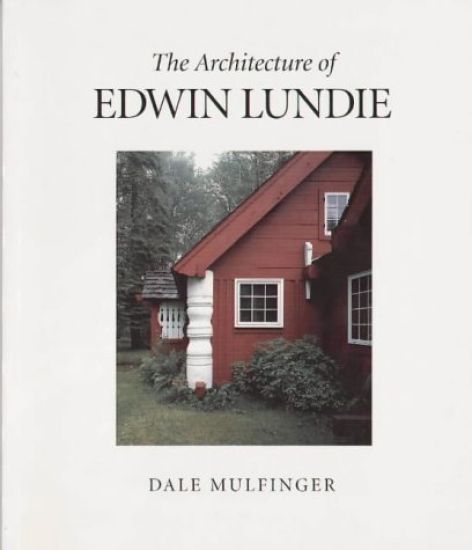
Throughout a fifty-year career in St Paul, architect Edwin H Lundie (1886-1972) designed more than three hundred projects, predominantly residences. His architectural designs, aIong with the Prairie School inventions of Purcell and Elmslie and the modernist themes of Ralph Rapson, are collectively considered the best work of Minnesota architects in the 20th century. What set Lundie apart from his colleagues was his devotion to detail and love of fine craftsmanship. This book documents Lundie's architecture through colour photography, plan graphics, and his drawings and renderings.
This book, first published in 1986, explores the allusions in Dickens’s work, such as current events and religious and intellectual issues, social customs, topography, costume, furniture and transportation. Together with an analysis of Dickens’s imaginative responses to his culture, and their place in the genesis and composition of the text, this book is a full-scale, thoroughgoing annotation that The Mystery of Edwin Drood requires.
This book, first published in 1986, explores the allusions in Dickens’s work, such as current events and religious and intellectual issues, social customs, topography, costume, furniture and transportation. Together with an analysis of Dickens’s imaginative responses to his culture, and their place in the genesis and composition of the text, this book is a full-scale, thoroughgoing annotation that The Mystery of Edwin Drood requires.
In paying tribute to one of the twentieth century's most eminent economists, the essays in this volume also cover major areas of economic importance such as: Theories of population; relations between banking and the State; productivity and the theory of wages; capital and income; the development of money. Contributors to the volume include: W. Beveridge, H. Dalton, T. E. Gregory, L. Robbins, M. C. Buer, E. L. Hargreaves, E. M. Burns, F. C. Benham, W. A. Robson and D. Mitrany.
In paying tribute to one of the twentieth century's most eminent economists, the essays in this volume also cover major areas of economic importance such as: Theories of population; relations between banking and the State; productivity and the theory of wages; capital and income; the development of money. Contributors to the volume include: W. Beveridge, H. Dalton, T. E. Gregory, L. Robbins, M. C. Buer, E. L. Hargreaves, E. M. Burns, F. C. Benham, W. A. Robson and D. Mitrany.
This volume fills the need for a full-length study exclusively devoted to Edwin Lewis, who taught systematic theology at Drew from 1916 to 1951. It provides an in-depth treatment of his Christology at each of the major stages of his theological development. Of interest to students and scholars of Methodist theology and American theology in general.
This work has been selected by scholars as being culturally important and is part of the knowledge base of civilization as we know it.This work is in the public domain in the United States of America, and possibly other nations. Within the United States, you may freely copy and distribute this work, as no entity (individual or corporate) has a copyright on the body of the work.Scholars believe, and we concur, that this work is important enough to be preserved, reproduced, and made generally available to the public. To ensure a quality reading experience, this work has been proofread and republished using a format that seamlessly blends the original graphical elements with text in an easy-to-read typeface.We appreciate your support of the preservation process, and thank you for being an important part of keeping this knowledge alive and relevant.