Kirjojen hintavertailu. Mukana 12 083 983 kirjaa ja 12 kauppaa.

Kirjahaku

Etsi kirjoja tekijän nimen, kirjan nimen tai ISBN:n perusteella.

1000 tulosta hakusanalla Gill Sims

Developing Teaching and Learning in Higher Education
As a result of development within Higher Education teaching and learning, new lecturers are expected to have training and induction in teaching and learning strategies. This book provides an easy and accessible approach to the planning and preparation of teaching sessions, teaching in different settings and teaching across a diverse student population.Developing Learning and Teaching in Higher Education is supported by extensive research and provides practical examples of key issues. The book guides the new lecturer through the process of reflection and self-improvement, as well as demonstrating the benefits of producing a portfolio of development. This text also details how to achieve associate membership of the ILTHE and provides evidence for promotion.
Developing Teaching and Learning in Higher Education
As a result of development within Higher Education teaching and learning, new lecturers are expected to have training and induction in teaching and learning strategies. This book provides an easy and accessible approach to the planning and preparation of teaching sessions, teaching in different settings and teaching across a diverse student population.Developing Learning and Teaching in Higher Education is supported by extensive research and provides practical examples of key issues. The book guides the new lecturer through the process of reflection and self-improvement, as well as demonstrating the benefits of producing a portfolio of development. This text also details how to achieve associate membership of the ILTHE and provides evidence for promotion.
Stories for Inclusive Schools

Stories for Inclusive Schools

Gill Johnson; Mal Leicester

Routledge
2003
nidottu
This gem is the ideal companion for the busy primary school teacher. Packed with timesaving resources for both the classroom and assembly, it provides a wealth of activities to develop key values and skills in your pupils.Using the power of stories, the authors champion a fresh and inspiring approach to inclusive education across the curriculum, integrating key values into classroom learning. The twelve themed tales stimulate reflection and discussion on such sensitive areas as:bullyingprejudicephysical disability as well as 'hidden' disabilitiesalternative lifestyles, cultures, and different appearancesparental difference.Lively characters of various ethnic origins, who embody respect for diversity, enhance these multicultural stories. In addition, each session contributes to key skills learning in English, including speaking and listening, reflecting, reasoning and concentrating. Many of the activities also integrate coordination and art and craft skills, numeracy and science skills.The many photocopiable activity pages make this an essential tool for teachers or heads who wish to ensure that inclusion is genuinely working for all children throughout their school.
Book Commissioning and Acquisition
Since its first publication, this essential guide to book commissioning has established itself as the one and only 'must-read' for any successful editor, and the core training text used both within publishing houses and on publishing courses worldwide. In this new edition, Davies concentrates on the essential skills of commissioning, as well as other editorial challenges such as handling new lists following mergers and takeovers, and the demands of digital technology. New case-studies have been added which illustrate the commercial and practical problems that editors must address in today's complex and demanding marketplace. This book remains the one text that editors must have by their side throughout their careers.
Book Commissioning and Acquisition
Since its first publication, this essential guide to book commissioning has established itself as the one and only 'must-read' for any successful editor, and the core training text used both within publishing houses and on publishing courses worldwide. In this new edition, Davies concentrates on the essential skills of commissioning, as well as other editorial challenges such as handling new lists following mergers and takeovers, and the demands of digital technology. New case-studies have been added which illustrate the commercial and practical problems that editors must address in today's complex and demanding marketplace. This book remains the one text that editors must have by their side throughout their careers.
The Challenge to Scholarship

The Challenge to Scholarship

Gill Nicholls

Routledge
2005
sidottu
The Challenge to Scholarship is a lively and engaging investigation that seeks to establish what it means to be a scholar and the value of scholarship. It addresses current concerns and tensions including the scholarship of teaching and the relationship between teaching and research.Gill Nicholls gets right to the heart of the debate over scholarship and declares that a reconceptualization of scholarship within universities is required, outlining the changes involved and the practical implications for higher education institutions of the future.
The End of Stigma?

The End of Stigma?

Gill Green

Routledge
2009
sidottu
This innovative book investigates the roots of contemporary experiences of stigma, throwing new light on the phenomenon by examining a variety of long-term conditions.Behaviour, lifestyle and identity are no longer the results of mass-production by social class and nation, but increasingly the quirky and unique eccentricities of the individual as consumer, reflexive citizen and free agent. But if the hallmark of the post-modern world is endless variety and unlimited sub-cultural freedom, should we not be witnessing "The End of Stigma"? The book takes Fukuyama’s notion of "The End of History" and examines contemporary challenges to the stigma associated with chronic illness. Award-winning author Gill Green examines cases of HIV, mental illness and substance misuse, to provide new insights into stigma in health. She demonstrates that people with long-term conditions refuse to be defined by their condition and highlights their increasingly powerful voice. The End of Stigma? will be of interest to a wide range of students and health professionals in medical sociology, health studies and social care.
The End of Stigma?

The End of Stigma?

Gill Green

Routledge
2009
nidottu
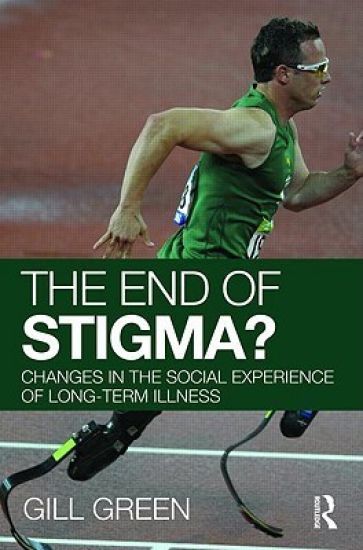
This innovative book investigates the roots of contemporary experiences of stigma, throwing new light on the phenomenon by examining a variety of long-term conditions.Behaviour, lifestyle and identity are no longer the results of mass-production by social class and nation, but increasingly the quirky and unique eccentricities of the individual as consumer, reflexive citizen and free agent. But if the hallmark of the post-modern world is endless variety and unlimited sub-cultural freedom, should we not be witnessing "The End of Stigma"? The book takes Fukuyama’s notion of "The End of History" and examines contemporary challenges to the stigma associated with chronic illness. Award-winning author Gill Green examines cases of HIV, mental illness and substance misuse, to provide new insights into stigma in health. She demonstrates that people with long-term conditions refuse to be defined by their condition and highlights their increasingly powerful voice. The End of Stigma? will be of interest to a wide range of students and health professionals in medical sociology, health studies and social care.
Churchill's Man of Mystery

Churchill's Man of Mystery

Gill Bennett

Routledge
2006
sidottu
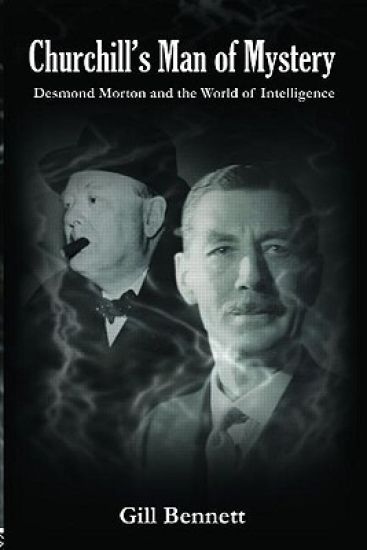
The mysterious life and career of Desmond Morton, Intelligence officer and personal adviser to Winston Churchill during the Second World War, is exposed for the first time in this study based on full access to official records. After distinguished service as artillery officer and aide-de-camp to General Haig during the First World War, Morton worked for the Secret Intelligence Service from 1919-1934, and the fortunes of SIS in the interwar years are described here in unprecedented detail. As Director of the Industrial Intelligence Centre in the 1930s, Morton’s warnings of Germany’s military and industrial preparations for war were widely read in Whitehall, though they failed to accelerate British rearmament as much as Morton - and Churchill - considered imperative. Morton had met Churchill on the Western Front in 1916 and supported him throughout the ‘wilderness years’, moving to Downing Street as the Prime Minister’s Intelligence adviser in May 1940. There he remained in a liaison role, with the Intelligence Agencies and with Allied resistance authorities, until the end of the war, when he became a ‘troubleshooter’ for the Treasury in a series of tricky international assignments. Throughout Morton’s career, myth, rumour and deliberate obfuscation have created a misleading picture of his role and influence. This book shines a light into many hitherto shadowy corners of British history in the first half of the twentieth century.This book will be of great interest to scholars and informed lay readers with an interest in the Second World War, intelligence studies and the life of Winston Churchill.
Churchill's Man of Mystery

Churchill's Man of Mystery

Gill Bennett

Routledge
2009
nidottu
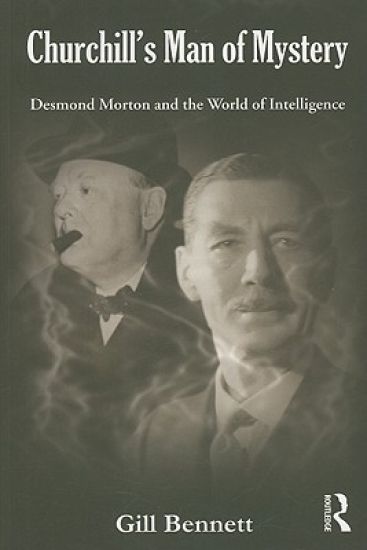
The mysterious life and career of Desmond Morton, Intelligence officer and personal adviser to Winston Churchill during the Second World War, is exposed for the first time in this study based on full access to official records. After distinguished service as artillery officer and aide-de-camp to General Haig during the First World War, Morton worked for the Secret Intelligence Service from 1919-1934, and the fortunes of SIS in the interwar years are described here in unprecedented detail. As Director of the Industrial Intelligence Centre in the 1930s, Morton’s warnings of Germany’s military and industrial preparations for war were widely read in Whitehall, though they failed to accelerate British rearmament as much as Morton - and Churchill - considered imperative. Morton had met Churchill on the Western Front in 1916 and supported him throughout the ‘wilderness years’, moving to Downing Street as the Prime Minister’s Intelligence adviser in May 1940. There he remained in a liaison role, with the Intelligence Agencies and with Allied resistance authorities, until the end of the war, when he became a ‘troubleshooter’ for the Treasury in a series of tricky international assignments. Throughout Morton’s career, myth, rumour and deliberate obfuscation have created a misleading picture of his role and influence. This book shines a light into many hitherto shadowy corners of British history in the first half of the twentieth century.This book will be of great interest to scholars and informed lay readers with an interest in the Second World War, intelligence studies and the life of Winston Churchill.
Better Behaviour through Home-School Relations

Better Behaviour through Home-School Relations

Gill Ellis; Nicola S. Morgan; Ken Reid

Routledge
2013
sidottu
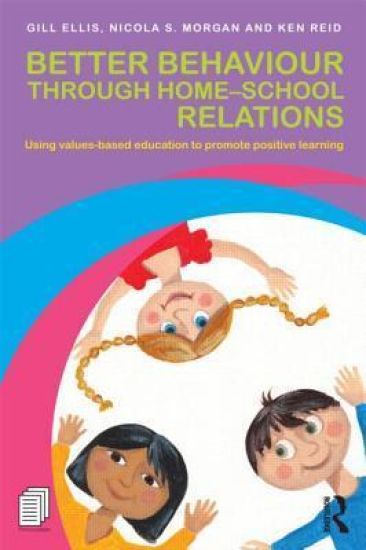
How can we create effective partnerships between home, school and the community? How can the relationships and communication between families and school be strengthened? How can families help schools to improve behaviour in their children, both at home and at school? Using a tried and tested framework that has been successfully implemented throughout a wide variety of very different schools and settings, ‘Family Values’ is a Scheme which engages and empowers families to work in close collaboration with schools and organisations, and which results in long-term improvements in behaviour, communication, pupil achievement and relationships. The ‘Family Values’ Scheme has been proven to: Help pupils to be more academically diligentHelp schools to assume a calmer, more peaceful ambienceForge better pupil-teacher relationshipsImprove Pupil and teacher wellbeingHelp parents to be more engaged with the schoolImprove children’s literacy, behaviour and attendanceProvide head teachers and their staff with an effective whole-school strategy.The authors’ award-winning ‘Family Values’ Scheme is underpinned by sound theoretical principles, and they show here how it has been successfully put into practice through case studies in real school settings. The book explores how the Scheme promotes social, emotional and family system theories, and, in linking effectively to SEAL (social and emotional aspects of learning), the Scheme compliments existing personal and social education programmes in all schools. Showing schools and organisations how to create effective partnerships with families and the community in a fun, exciting and sustainable way, Better Behaviour through Home-School Relations will be of huge benefit to all school staff, as well as local authorities, support groups, parents, charities and services.
Better Behaviour through Home-School Relations

Better Behaviour through Home-School Relations

Gill Ellis; Nicola S. Morgan; Ken Reid

Routledge
2013
nidottu
How can we create effective partnerships between home, school and the community? How can the relationships and communication between families and school be strengthened? How can families help schools to improve behaviour in their children, both at home and at school? Using a tried and tested framework that has been successfully implemented throughout a wide variety of very different schools and settings, ‘Family Values’ is a Scheme which engages and empowers families to work in close collaboration with schools and organisations, and which results in long-term improvements in behaviour, communication, pupil achievement and relationships. The ‘Family Values’ Scheme has been proven to: Help pupils to be more academically diligentHelp schools to assume a calmer, more peaceful ambienceForge better pupil-teacher relationshipsImprove Pupil and teacher wellbeingHelp parents to be more engaged with the schoolImprove children’s literacy, behaviour and attendanceProvide head teachers and their staff with an effective whole-school strategy.The authors’ award-winning ‘Family Values’ Scheme is underpinned by sound theoretical principles, and they show here how it has been successfully put into practice through case studies in real school settings. The book explores how the Scheme promotes social, emotional and family system theories, and, in linking effectively to SEAL (social and emotional aspects of learning), the Scheme compliments existing personal and social education programmes in all schools. Showing schools and organisations how to create effective partnerships with families and the community in a fun, exciting and sustainable way, Better Behaviour through Home-School Relations will be of huge benefit to all school staff, as well as local authorities, support groups, parents, charities and services.
The Media Student's Book

The Media Student's Book

Gill Branston; Roy Stafford

Routledge
2010
nidottu
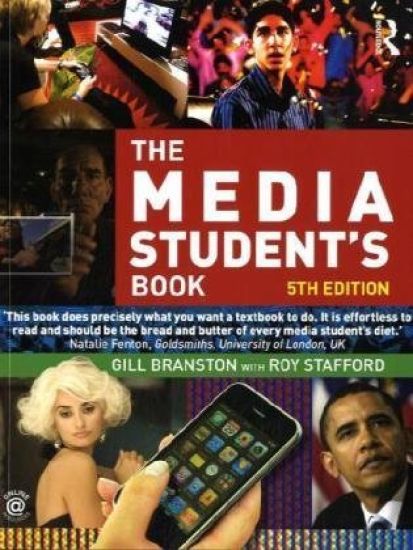
The Media Student's Book is a comprehensive introduction for students of media studies. It covers all the key topics and provides a detailed, lively and accessible guide to concepts and debates. Now in its fifth edition, this bestselling textbook has been thoroughly revised, re-ordered and updated, with many very recent examples and expanded coverage of the most important issues currently facing media studies. It is structured in three main parts, addressing key concepts, debates, and research skills, methods and resources. Individual chapters include: approaching media textsnarrativegenres and other classificationsrepresentationsglobalisationideologies and discoursesthe business of medianew media in a new world?the future of television regulation nowdebating advertising, branding and celebritynews and its futuresdocumentary and ‘reality’ debatesfrom ‘audience’ to ‘users’research: skills and methods.Each chapter includes a range of examples to work with, sometimes as short case studies. They are also supported by separate, longer case studies which include:Slumdog Millionaireonline access for film and music CSI and detective fictions Let the Right One In and The Orphanage PBS, BBC and HBO images of migration The Age of Stupid and climate change politics.The authors are experienced in writing, researching and teaching across different levels of undergraduate study, with an awareness of the needs of students. The book is specially designed to be easy and stimulating to use, with: a Companion Website with popular chapters from previous editions, extra case studies and further resources for teaching and learning, at: www.mediastudentsbook.com margin terms, definitions, photos, references (and even jokes), allied to a comprehensive glossary follow-up activities in ‘Explore’ boxessuggestions for further reading and online researchreferences and examples from a rich range of media and media forms, including advertising, cinema, games, the internet, magazines, newspapers, photography, radio, and television.
The Challenge to Scholarship

The Challenge to Scholarship

Gill Nicholls

Routledge
2009
nidottu
The Challenge to Scholarship is a lively and engaging investigation that seeks to establish what it means to be a scholar and the value of scholarship. It addresses current concerns and tensions including the scholarship of teaching and the relationship between teaching and research.Gill Nicholls gets right to the heart of the debate over scholarship and declares that a reconceptualization of scholarship within universities is required, outlining the changes involved and the practical implications for higher education institutions of the future.
Praise, Motivation and the Child
Anyone who spends time with children knows that praise works. It is a powerful motivator - praising children for good behaviour or good work builds self- esteem and self-confidence. Children love to collect stickers, certificates and rewards – so what better way is there to shape behaviour, encourage good work habits and produce confident learners? Teachers and parents alike know that praise is effective – we use it every day and we see the positive effect that it has on our children. However, constructivist practitioners would argue that praise in any form creates hierarchies and competition in the classroom, has little effect on genuine learning and is invasively judgemental rather than supportive. Constructivists would further argue that self-esteem cannot be built by external agency – teachers and parents can only create an appropriate environment in which a robust sense of ‘self’ can grow and develop. This book challenges traditional, embedded thinking about the role of praise. It questions the assumptions we make about developing self-esteem, about the ability of children to form their own independent judgements and the choices that children make regardless, rather than because of, contingent praise.What happens when children are praised? Read this book, listen to what children really think and challenge your own assumptions.Features include: Case studies and children’s work samples; Points for reflection which could be used for CPD sessions; Appendices containing behaviour policy samples; Pupil, teacher and parental perspectives.This book is aimed at practising and training Primary school teachers. It would also be suitable for NQTs who are starting to shape their own practice, experienced teachers who want to develop and question their own practice and students on BA Hons and PGCE courses.
Praise, Motivation and the Child
Anyone who spends time with children knows that praise works. It is a powerful motivator - praising children for good behaviour or good work builds self- esteem and self-confidence. Children love to collect stickers, certificates and rewards – so what better way is there to shape behaviour, encourage good work habits and produce confident learners? Teachers and parents alike know that praise is effective – we use it every day and we see the positive effect that it has on our children. However, constructivist practitioners would argue that praise in any form creates hierarchies and competition in the classroom, has little effect on genuine learning and is invasively judgemental rather than supportive. Constructivists would further argue that self-esteem cannot be built by external agency – teachers and parents can only create an appropriate environment in which a robust sense of ‘self’ can grow and develop. This book challenges traditional, embedded thinking about the role of praise. It questions the assumptions we make about developing self-esteem, about the ability of children to form their own independent judgements and the choices that children make regardless, rather than because of, contingent praise.What happens when children are praised? Read this book, listen to what children really think and challenge your own assumptions.Features include: Case studies and children’s work samples; Points for reflection which could be used for CPD sessions; Appendices containing behaviour policy samples; Pupil, teacher and parental perspectives.This book is aimed at practising and training Primary school teachers. It would also be suitable for NQTs who are starting to shape their own practice, experienced teachers who want to develop and question their own practice and students on BA Hons and PGCE courses.
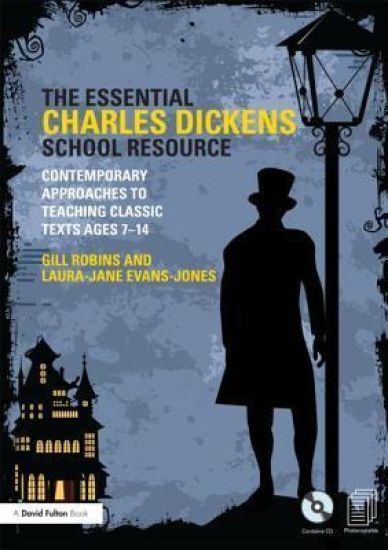
The Essential Charles Dickens School Resource

The Essential Charles Dickens School Resource

Gill Robins; Laura-Jane Evans-Jones

Routledge
2012
nidottu
Charles Dickens is arguably the greatest storyteller in English Literature and his novels have been loved and respected for nearly two hundred years. As accurate reflections of Victorian society they are unparalleled. Vivid characters and realistic settings are created in the mind of the reader, all laced with Dickens inimitable humour, wit and lacerating political comment. This book aims to bring alive these characters and settings in the minds of children. It provides a comprehensive resource for children not only to learn about the literary heritage of the English language, but also to encourage them to create meanings from these classic stories through their personal, social and cultural experiences. The authors set each novel in context, providing a synopsis of the book, as well as characters, settings themes and symbolism. Works covered include: A Christmas CarolBleak HouseDavid CopperfieldGreat ExpectationsHard TimesOliver TwistBut this book doesn’t just aim to introduce classic literature to children; it also provides a wide range of truly contemporary tools with which they can respond creatively, including: drama and film, blogs, web 2.0 technologies, multimodality and animation and graphic novels.The book is also accompanied by downloadable resources which contain chapter outlines, extended text extracts, and practical resource sheets, including PowerPoint presentations, book review templates and flash cards, as well as a set of 8 week lesson plans for each novel.The Essential Charles Dickens School Resource provides essential classroom learning material for teachers and literacy co-ordinators teaching Key Stages 1 -3, as well as CPD students and those studying on PGCE English/Drama courses.
Literacy Activities for Classic and Contemporary Texts 7-14

Literacy Activities for Classic and Contemporary Texts 7-14

Gill Robins; Laura-Jane Evans-Jones

Routledge
2013
nidottu
English teachers are always keen to explore new ways of motivating their pupils to engage with reading, both for learning and for pleasure. Literacy Activities for Classic and Contemporary Texts 7-14 is a practical, friendly book which uses the ‘whoosh’ to cover some of our best known classic and contemporary texts and offers a thoroughly enjoyable way for pupils to become part of the story, rather than just passive recipients of it. As an innovative and active learning strategy, the whoosh technique allows all students, regardless of gender, age, ability, learning need or command of language, to partake on an equal footing. For younger pupils, the activities in this book provide an ideal way to internalise structure and key elements in story telling through physical response. For older students, they provide an enjoyable way to engage with challenging texts as well as facilitating the analysis of themes, issues, characterisation and setting. Students themselves become the story as its characters, sounds and even objects – once they are familiar with whooshing, many students will want to write and produce a whoosh of their own. Classic authors and texts covered by this book include:- Aesop’s fables, Greek myths and legends; Beowulf, Sir Gawain and the Green Knight, Oscar Wilde; Shakespeare (The Tempest, Twelfth Night, Hamlet, A Midsummer Night’s Dream); Charlotte Bronte, Charles Dickens, George Eliot, Robert Louis Stevenson, Mary Shelley; Andrew Norriss , Frank Cottrell Boyce, Nina Bawden, Michelle Magorian and much more... You can use a whoosh to introduce a new text, to examine conflict, dilemma, plot, setting or characterisation, whoosh a controversial section of text to provoke discussion, or overcome reluctance to engage with archaic language by whooshing key sections of a story. Discussion starters, lesson objectives and follow-up activities are included throughout the text alongside the whooshes, and scripts enabling pupils to deliver dialogue are provided on the book’s eResource. This book is an invaluable resource, providing whooshes across a wide range of genres to meet the learning needs of children from 7 to 14, for both practising primary and lower secondary teachers.
Implementing Evidence-Based Practice in Healthcare

Implementing Evidence-Based Practice in Healthcare

Gill Harvey; Alison Kitson

Routledge
2015
sidottu
The successful implementation of evidence into practice is dependent on aligning the available evidence to the particular context through the active ingredient of facilitation. Designed to support the widely recognised PARIHS framework, which works as a guide to plan, action and evaluate the implementation of evidence into practice, this book provides a very practical ‘how-to’ guide for facilitating the whole process. This text discusses: undertaking an initial diagnosis of the context and reaching a consensus on the evidence to be implemented; how to link the research evidence with clinical and patients’ experience and local information in the form of audit data or patient and staff feedback; the range of diagnostic, consensus building and stakeholder consultation methods that can be helpful; a description of facilitator roles and facilitation methods, tools and techniques; some of theories that underpin the PARIHS framework and how these have been integrated to inform a revised version of PARIHSIncluding internationally-sourced case study examples to illustrate how the facilitation role and facilitation skills have been applied in a range of different health care settings, this is the ideal text for those interested in leading or facilitating evidence based implementation projects, from the planning stage through to evaluation.
Implementing Evidence-Based Practice In Healthcare

Implementing Evidence-Based Practice In Healthcare

Gill Harvey; Alison Kitson

Routledge
2015
nidottu
The successful implementation of evidence into practice is dependent on aligning the available evidence to the particular context through the active ingredient of facilitation. Designed to support the widely recognised PARIHS framework, which works as a guide to plan, action and evaluate the implementation of evidence into practice, this book provides a very practical ‘how-to’ guide for facilitating the whole process. This text discusses: undertaking an initial diagnosis of the context and reaching a consensus on the evidence to be implemented; how to link the research evidence with clinical and patients’ experience and local information in the form of audit data or patient and staff feedback; the range of diagnostic, consensus building and stakeholder consultation methods that can be helpful; a description of facilitator roles and facilitation methods, tools and techniques; some of theories that underpin the PARIHS framework and how these have been integrated to inform a revised version of PARIHSIncluding internationally-sourced case study examples to illustrate how the facilitation role and facilitation skills have been applied in a range of different health care settings, this is the ideal text for those interested in leading or facilitating evidence based implementation projects, from the planning stage through to evaluation.