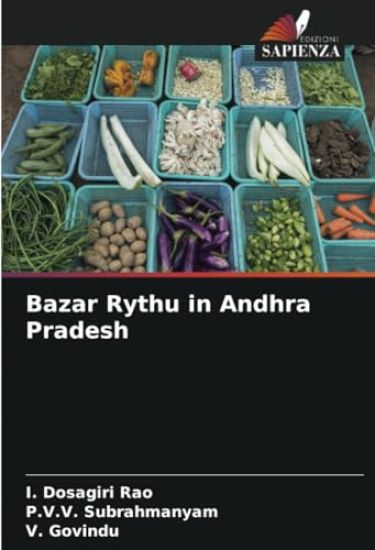
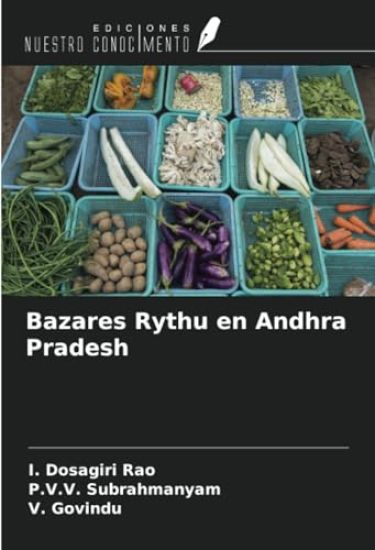
Il governo dell'Andhra Pradesh orgoglioso di essere favorevole agli agricoltori attraverso il sistema dei RYTHUBAZAAR. Lo scopo dei Rythubazaar quello di fornire beni di prima necessit , soprattutto verdure, all'uomo comune a prezzi pi convenienti e di avvantaggiare gli agricoltori eliminando gli intermediari. L'opinione generale tra i consumatori e gli agricoltori che l'idea sia valida, in quanto i consumatori e gli agricoltori traggono beneficio dai Rythubazaar. L'impatto di Rythubazaars significativo su diverse fasce di popolazione. I consumatori sono soddisfatti della variet , della freschezza e del costo dei prodotti che ricevono da Rythubazaars. E i contadini sono contenti perch possono vendere i loro prodotti e ottenere un buon prezzo remunerativo.
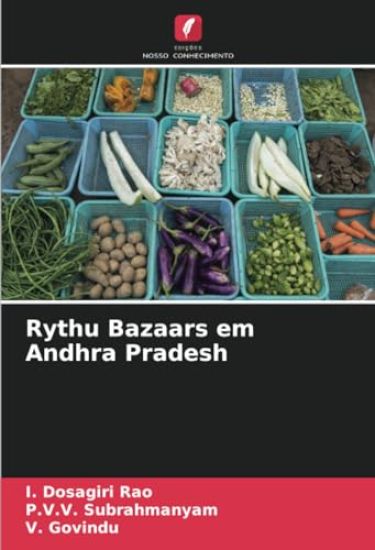
O Governo de Andhra Pradesh orgulha-se de ser amigo dos agricultores atrav s do sistema de RYTHUBAZAARS. O objetivo dos Rythubazaars fornecer bens essenciais, especialmente produtos hort colas, ao homem comum a pre os mais baixos e beneficiar os agricultores, eliminando os intermedi rios. A opini o geral entre os consumidores e os agricultores que a ideia boa, uma vez que os consumidores e os agricultores est o a tirar partido dos Rythubazaars. O impacto do Rythubazaars significativo em diferentes sectores da popula o. Os consumidores est o satisfeitos com a variedade, a frescura e o pre o dos produtos que obt m nos Rythubazaars. E os agricultores est o satisfeitos porque podem vender os seus produtos e obter um bom pre o remunerador.
Most discussions of India's substantive economic growth since the 1990s tend to focus on national level statistics or on particular sectors such as the financial and call service sectors or on the pharmaceutical industry. But with a population of 1.2 billion, India demands to be treated like a collection of individual "countries, " rather than a unified nation. Ten of its states have populations equaling or exceeding that of the United Kingdom. If the state of Uttar Pradesh were a country, it would be the fourth largest, behind China, India, and the United States. These facts pointedly tell us that if we are to understand the ongoing experiment in economic reforms and poverty alleviation, we must study India at the level of the state. In this spirit, State Level Reforms and Growth and Development in Indian States provides the first-ever comprehensive analysis of growth at the highly diverse state level. The authors argue that when the national government loosened its stronghold on industry and services, state governments were able to shape the fortunes of their citizens through state-level policy reforms. Because of this, every Indian state experienced accelerated growth, unlike China during the first two decades of its development when the eastern half flourished as the western half lagged. Every Indian state has grown faster in the last decade than any other decade in the post-independence era. In fact, some of the poorest states, notably Bihar and Orissa, have been growing the fastest. Professors Panagariya and Chakraborty and Dr. Rao refute the common assumptions that growth has not occurred or that poverty has not been reduced in all Indian states. The recent reforms have also led to improved access in every state to basic amenities such as permanent houses, electricity, water, and sanitation. These accomplishments notwithstanding, regional inequality on a per capita basis has grown as well. Reforms in state-controlled sectors such as agriculture, industry, healthcare, and education have not advanced as far as some analysts previously predicted. The authors outline the reforms in these areas and draw on the experience of states that have successfully carried out some of them. The authors pay special attention to reforms in the areas of education and health while recognizing that the Indian constitution vests in the states much of this legislative and other authority and while considering the real absolute rise in income, literacy, and health status across all the states.
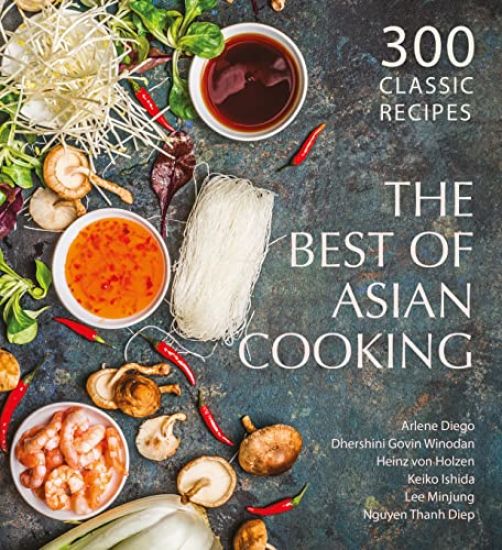
A treasure trove of recipes, both timeless classics and modern creations, by some of Asia's most established cooks and chefs. Featuring the best recipes from some of Asia's most established cooks, The Best of Classic Cooking: 300 Classic Recipes is a treasure trove of time-tested Asian recipes. Brimming with ideas and tips on preparing delicious hearty meals, this volume features exciting dishes such as: - Chinese prawn dumpling soup - Chinese fried garlic pork - Japanese teriyaki chicken - Japanese sukiyaki beef bowl - Korean ginseng chicken stew - Korean kimchi stew - Filipino cr me caramel - Peranakn pancakes Prepping meals in the home kitchen has never been easier. Includes dual measures.