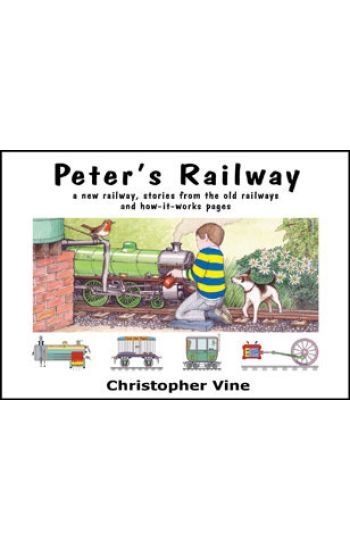
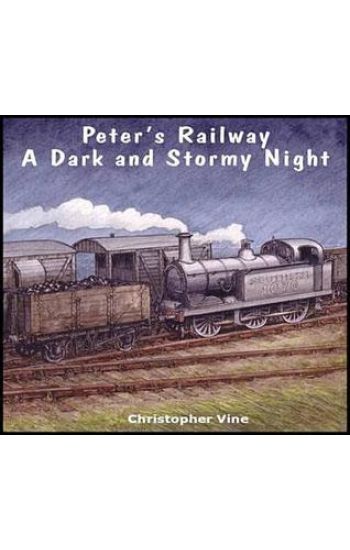
Book 1. Tells the story of a young boy who lives with his family in a cottage at the edge of his Grandpa's farm. To make visiting each other easier, they build a miniature steam railway between their houses. 96 pages with 14 pages of simply explained technical diagrams and 30 watercolour pictures. Age 6 to 12 years.
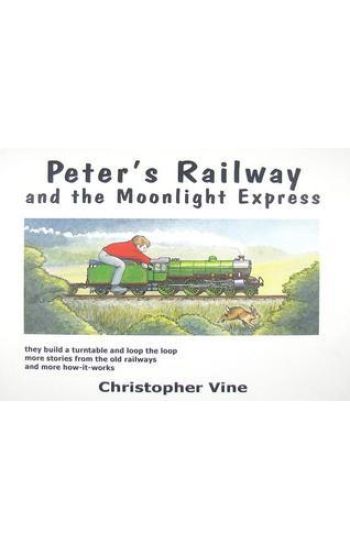
Book 2. Peter and his Grandpa have built a miniature steam railway across their farm. Now they extend the line and build a turntable. The great excitement for Peter is learning to drive the locomotive. 96 pages with 14 pages of simply explained technical diagrams and 30 watercolour pictures. Age 6 to 12 years.
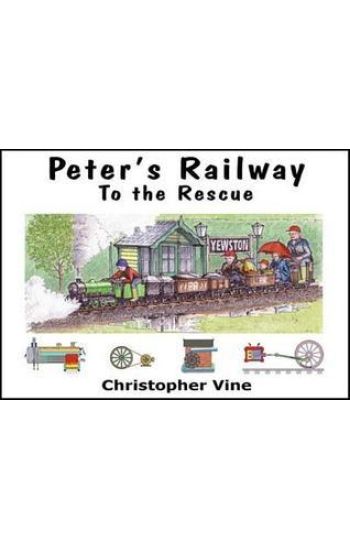
Book 3. Peter and Grandpa extend their farm railway to Yockletts Village for Grandma to do her shopping. They hold the Great Train Race, but who will win? They also find a forgotten engine, hidden in a barn, which they put back to work. 96 pages with 14 pages of simply explained technical diagrams and 30 watercolour pictures. Age 6 to 12 year
Book 4 of the series. Peter and Grandpa have a daring rescue mission (or two) and build a watermill to power the house and farm. Of course there are plenty of adventures and Grandpa's stories. Age 6-12.
Peter saves Christmas! Peter and Grandpa save the day with a wonderful tale of night time steam train adventures to Santa's woodland grotto, magically lit up by hundreds of tiny lamps. This "Little" Peter's Railway book is aimed at younger readers (3-6 years), there are lots of simple details on making things and running a miniature steam train
A bed-time story with a twist. "Once upon a time - there was an extra special train with a top secret load." This "Little" Peter's Railway book is aimed at younger readers (3 - 6 years), there is some simple engineering, buried in the story.
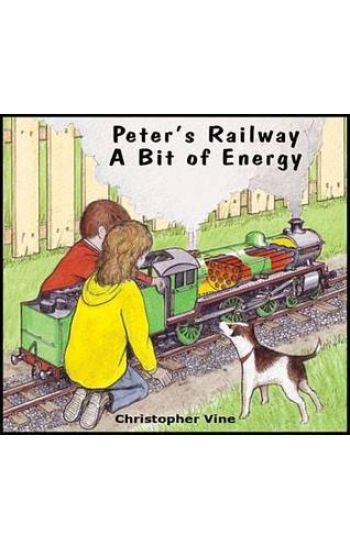
A technical story book - Grandpa tries to answer a tricky question. "Where does the little steam train get its energy from?" A simple lump of coal from the time of dinosaurs!!! This wonderful story of energy conversion is just perfect for those with inquisitive minds. It even covers photosynthesis. Age 6-12.
A Grandpa story: This true tale is about a train crash many years ago; so crazy you could not make it up!! Luckily no one gets hurt when a couple of houses get demolished - Age 6-12.
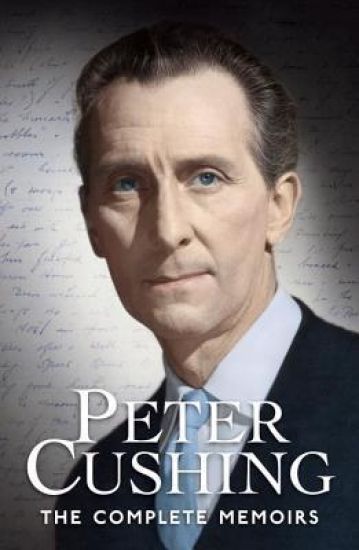
This lavish volume collects both of Peter Cushing's 1980s books - An Autobiography and 'Past Forgetting' - with the 1955 memoir The Peter Cushing Story and extensive unseen material from his private collection. Cushing was widely known as 'the gentleman of horror', his kind and sensitive nature a sharp contrast with the sinister roles that dominated his work from the 1950s onwards. This is Cushing's own account of his remarkable career, and the devastating sense of loss he suffered following the death of his wife. It offers unparalleled insight to the meticulous professionalism and private torment of a legendary film star.
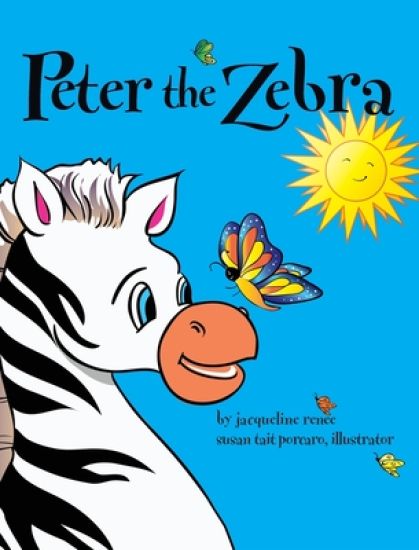
Peter the Zebra is a children's book about a young zebra who almost loses his identity because of his disobedience. The storybook closes with two lessons of life and love messages for children (and parents are also encouraged to discuss with them) regarding the importance of knowing: 1) who they are, and 2) that guidelines and directions are given by parents to protect a child's safety and future.
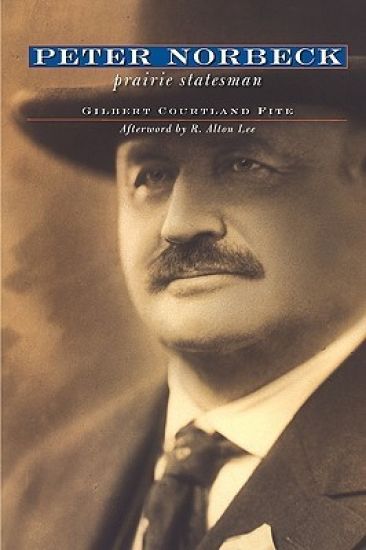
From successful well-driller to governor and United States senator, Peter Norbeck (1870–1936) worked tirelessly for South Dakota. A progressive Republican, strong supporter of the policies of Theodore Roosevelt, and early conservationist, he was a towering figure in state politics. In Peter Norbeck: Prairie Statesman, Gilbert Fite has written his definitive biography, and through the generous support of the Meierhenry family, it is again available, with a new introduction, afterword, and photographs. Norbeck was a man of many interests, but his first concern was the farmer. As a supporter of state-owned industries and a leader in national agricultural legislation, he worked diligently for the benefit of rural residents. He also helped obtain funding for the carving of Mount Rushmore and directed construction of the scenic Iron Mountain Road leading to the monument. Through his efforts, legislation establishing Grand Teton National Park and extending the boundaries of Yellowstone National Park, as well as the Migratory Bird Conservation Act of 1929, became law.
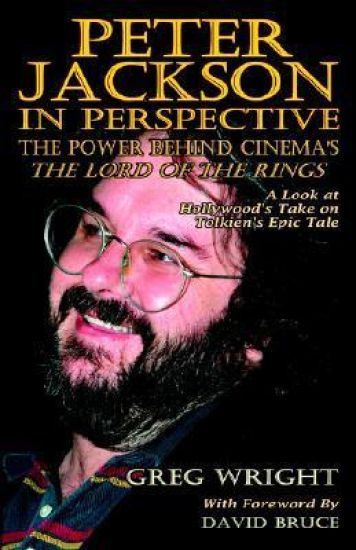
Wright compiles dozens of essays and lectures that attribute the success of "The Lord of the Rings" film trilogy to the power of film itself, the power of director Jackson's artistry, and the original power of Tolkien's literary masterwork.
The latest book from New York-based photographer Peter Kayafas (born 1971) presents photographs from ten years and thousands of miles of travel in the plains states. A continuation of his 30 years of work along America's backroads, Kayafas uses his camera to explore the present state of the histories and ritualized traditions of the people who live in Idaho, Montana, Wyoming, North Dakota, South Dakota, Nebraska, Oklahoma, and Colorado. Their way of life, their connection to the land and the animals that are their lifeblood, are enduring themes in this body of work. So too is the passage of young people from childhood into the adult world of hard work and knowledge about the struggles and challenges of life in the west. The backdrop for this subtle narrative is the beautiful, rugged and wide-open landscape of the west with all its layers and ironies. A brilliant essay by the celebrated writer Rick Bass accompanies the photographs.
An elegant collection of portraits of swimmers at Coney Island across two decades This collection of 30 photographs by American photographer Peter Kayafas (born 1971) depicts people swimming in the ocean at Coney Island, a location that has long served as a source of inspiration and fascination for artists. Made over the course of many summers and one particular winter during which Kayafas was a member of Coney Island’s legendary Polar Bear Club (the oldest winter bathing club in the United States) in the 1990s and 2000s, the photographs are filled with energy, movement, grace and a surprising intimacy. Using a waterproof camera, hidden just below the ocean’s surface, Kayafas captures candid snapshots of unsuspecting beachgoers. His focus on the swimmers over a period of two decades provides an extended insight into the elemental relationship humans have with water.