Kirjojen hintavertailu. Mukana 12 489 486 kirjaa ja 12 kauppaa.

Kirjahaku

Etsi kirjoja tekijän nimen, kirjan nimen tai ISBN:n perusteella.

1000 tulosta hakusanalla Tim Burton

Sit Tim!

Sit Tim!

Jan Burchett; Sara Vogler

HARPERCOLLINS PUBLISHERS
2024
nidottu
Big Cat Phonics for Little Wandle Letters and Sounds Revised has been developed in collaboration with Wandle Learning Trust and Little Sutton Primary School. It comprises classroom resources to support the SSP programme and a range of phonic readers that together provide a consistent and highly effective approach to teaching phonics. Sam and her dad are walking Tim the dog in the park. But Tim is causing trouble …
Losing Tim

Losing Tim

Paul Gionfriddo

Columbia University Press
2014
sidottu
Paul Gionfriddo's son Tim is one of the "6 percent"-an American with serious mental illness. He is also one of the half million homeless people with serious mental illnesses in desperate need of help yet underserved or ignored by our health and social-service systems. In this moving, detailed, clear-eyed expose, Gionfriddo describes how Tim and others like him come to live on the street. Gionfriddo takes stock of the numerous injustices that kept his son from realizing his potential from the time Tim first began to show symptoms of schizophrenia to the inadequate educational supports he received growing up, his isolation from family and friends, and his frequent encounters with the juvenile justice system and, later, the adult criminal-justice system and its substandard mental health care. Tim entered adulthood with limited formal education, few work skills, and a chronic, debilitating disease that took him from the streets to jails to hospitals and then back to the streets. Losing Tim shows that people with mental illness become homeless as a result not of bad choices but of bad policy. As a former state policy maker, Gionfriddo concludes with recommendations for reforming America's ailing approach to mental health.
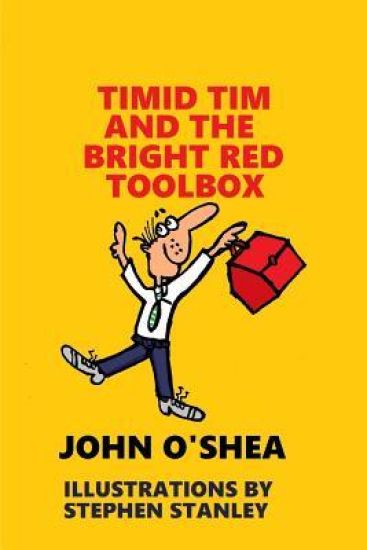
Timid Tim and the Bright Red Toolbox
This is a book about bullying. Timid Tim is being bullied by Big Bad Bruce and one day on his way to school Tim finds a Bright Red Toolbox which gives him the tools to fix his problems. Word soon spreads about his success, and other bullying victims also have their problems solved. This excellent little book written by John O'Shea and illustrated by Stephen Stanley is aimed at students aged 10 to 14, their teachers and parents to help stamp out bullying.
Tiny Tim's Christmas Carol

Tiny Tim's Christmas Carol

Ken Ludwig; Jack Ludwig

Samuel French Ltd
2015
nidottu
Tiny Tim hatches a plan to get his father home for Christmas day. With the help of some kindly sellers at the market and his friend Charlotte, Tiny Tim stages a spectacle filled with ghosts and Christmas cheer to convince Scrooge to give his father the day off. It all seems to be going according to plan until a little bit of real Christmas magic catches everyone by surprise...
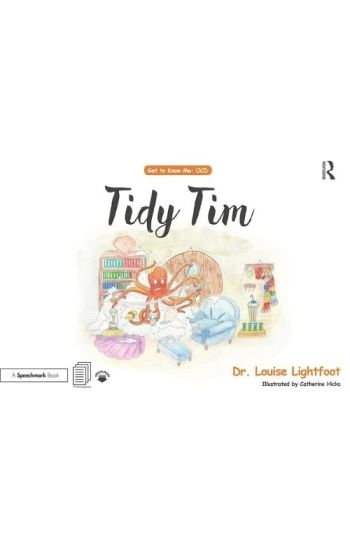
Tidy Tim

Tidy Tim

Louise Lightfoot

CRC Press Inc
2019
nidottu
The ‘Get to Know Me’ series is aimed at children with additional needs and those who support them in the classroom. Developed by child psychologist Dr Louise Lightfoot and illustrated by Catherine Hicks, the resources in this series include activities specific to anxiety, depression and Obsessive Compulsive Disorder (OCD). This book, Tidy Tim, has been designed to support the individual child but also to be used in whole class teaching, to encourage an empathetic and inclusive environment.In this book, we meet Tidy Tim, an octopus with many arms but not many friends. His swirly whirly feelings make him spend all day cleaning and tidying his house instead of going out and making friends. But one day, Tidy Tim gets himself into a terrible tangle and realises he needs the help of Jenni the Jellyfish, who helps him untangle his arms and his feelings. This book was written with children with OCD in mind, providing an opportunity to relate to Tim’s thoughts, feelings, behaviours and experiences. However, children with a range of needs may benefit from the story. The book is written in a narrative style, so it does not use diagnostic labels and is not intended for this purpose. Instead the focus is on creating a common language which children can understand and use to make sense of how they are feeling.A practitioner guidebook (ISBN 978-0-8153-4948-8) and draw along version (ISBN 978-0-8153-4951-8) are also available.