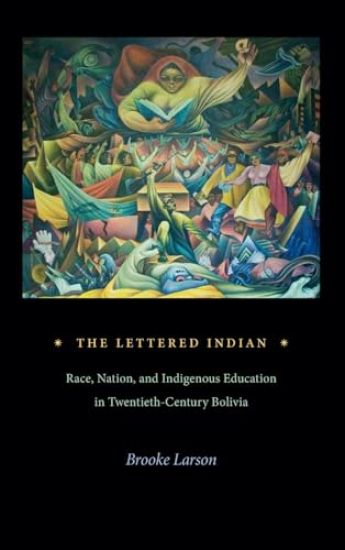
Bringing into dialogue the fields of social history, Andean ethnography, and postcolonial theory, The Lettered Indian maps the moral dilemmas and political stakes involved in the protracted struggle over Indian literacy and schooling in the Bolivian Andes. Brooke Larson traces Bolivia’s major state efforts to educate its unruly Indigenous masses at key junctures in the twentieth century. While much scholarship has focused on “the Indian boarding school” and other Western schemes of racial assimilation, Larson interweaves state-centered and imperial episodes of Indigenous education reform with vivid ethnographies of Aymara peasant protagonists and their extraordinary pro-school initiatives. Exploring the field of vernacular literacy practices and peasant political activism, she examines the transformation of the rural “alphabet school” from an instrument of the civilizing state into a tool of Aymara cultural power, collective representation, and rebel activism. From the metaphorical threshold of the rural school, Larson rethinks the politics of race and indigeneity, nation and empire, in postcolonial Bolivia and beyond.
Bringing into dialogue the fields of social history, Andean ethnography, and postcolonial theory, The Lettered Indian maps the moral dilemmas and political stakes involved in the protracted struggle over Indian literacy and schooling in the Bolivian Andes. Brooke Larson traces Bolivia’s major state efforts to educate its unruly Indigenous masses at key junctures in the twentieth century. While much scholarship has focused on “the Indian boarding school” and other Western schemes of racial assimilation, Larson interweaves state-centered and imperial episodes of Indigenous education reform with vivid ethnographies of Aymara peasant protagonists and their extraordinary pro-school initiatives. Exploring the field of vernacular literacy practices and peasant political activism, she examines the transformation of the rural “alphabet school” from an instrument of the civilizing state into a tool of Aymara cultural power, collective representation, and rebel activism. From the metaphorical threshold of the rural school, Larson rethinks the politics of race and indigeneity, nation and empire, in postcolonial Bolivia and beyond.
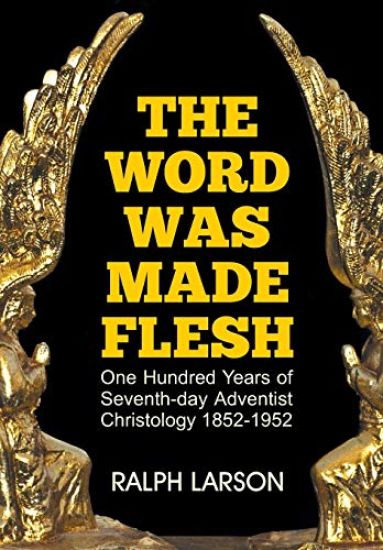
For the last several decades the human nature of Christ has been the subject of intense study in some scholarly Seventh-day Adventist circles. The publication of "Questions on Doctrine" (1957) set the stage for almost three decades of as yet unresolved debate, witnessed most recently in the two opposing views published side by side in the June 1985 issue of Ministry magazine. Dr. Ralph S. Larson, for several years Coordinator of the Church and ministry department of the Seventh-day Adventist Theological Seminary, Far east, enters the debate with The Word Was Made Flesh, with a limited, rather specialized objective. Dr. Larson does not deal directly with the whole issue of Christ's human nature. He traces the understanding of this aspect of Christology within the Seventh-day Adventist Church from 1852 until 1952. Dr Larson provides here a fairly comprehensive survey of the historical evidence, and his contribution to the study of this important topic is extremely valuable. Whether we agree or not with his conclusions, we are all indebted to him for the painstaking work of assembling this extensive compilation of statements made in writing by Seventh-day Adventists for one hundred years. For some readers, careful reading of "The Word Was Made Flesh" may not provide all the definitive answers sought, However, it will surely prove to be for all a most enriching and stimulating experience.
A powerful critique of mass incarceration by the people who have experienced it Inside Knowledge is the first book to examine the American prison system through the eyes of those who are trapped within it. Drawing from the writings collected in the American Prison Writing Archive, Doran Larson deftly illustrates how mass incarceration does less to contain any harm perpetrated by convicted people than to spread and perpetuate harm among their families and communities. Inside Knowledge makes a powerful argument that America's prisons not only degrade and debilitate their wards but also defeat the prison's cardinal missions of rehabilitation, containment, deterrence, and even meaningful retribution. If prisons are places where convicted people are sent to learn a lesson, then imprisoned people are the ones who know just what American prisons actually teach. At once profound and devastating, Inside Knowledge is an invaluable resource for those interested in addressing mass incarceration in America.
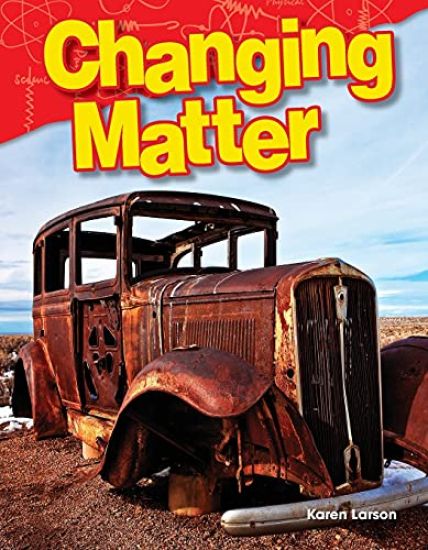
This high-interest informational text will help students gain science content knowledge while building their literacy skills and nonfiction reading comprehension. This appropriately leveled nonfiction science reader features hands-on, simple science experiments. Third grade students will learn all about matter through this engaging text that is aligned to the Next Generation Science Standards and supports STEM education.
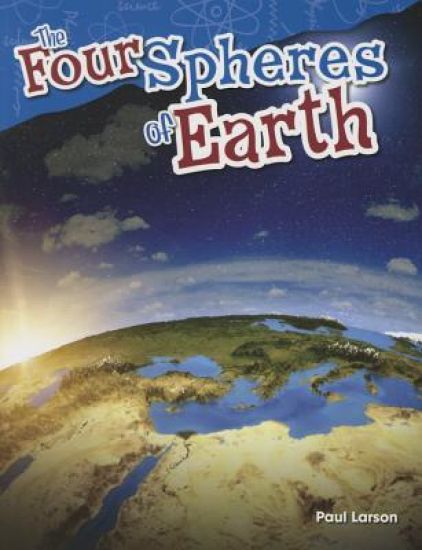
This nonfiction science reader will help fifth grade students gain science content knowledge while building their reading comprehension and literacy skills. This purposefully leveled text features hands-on, challenging science experiments and full-color images. Students will learn all about the four spheres of Earth through this engaging text that supports STEM education and is aligned to the Next Generation Science Standards. Important text features like a glossary and index will improve students close reading skills.
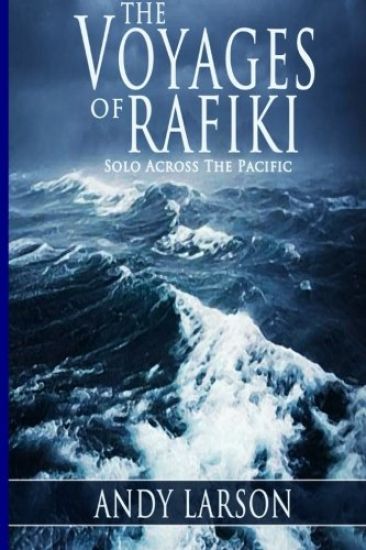
In 1962, with a Canadian friend, Andy Larson embarked on a journey driving across colonial Africa in a wartime jeep. Sleeping on the ground, the pair encountered civil wars, riots, and wild animals while seeing the continents fascinating scenery and meeting its interesting peoples. In June 2010 Andy Larson embarked on another journey, this time sailing a 36 foot sailboat alone from Vancouver to Mexico, and then across the Pacific Ocean to Sydney Australia. Alone at sea, he encountered whales and dolphins, endured solitude and loneliness, fought through storms, battled breakdowns, and sat for days becalmed in the heat of the doldrums. This is the story of how, in his late 70's, against the wishes of his friends and family, he embarked on a journey that would test his skills and his endurance, and convince him to set out on an even more dangerous and far reaching journey.