Kirjojen hintavertailu. Mukana 11 627 670 kirjaa ja 12 kauppaa.

Kirjahaku

Etsi kirjoja tekijän nimen, kirjan nimen tai ISBN:n perusteella.

1000 tulosta hakusanalla Brian E. Butler

The Bilingual Brain

The Bilingual Brain

Arturo E. Hernandez

Oxford University Press Inc
2013
sidottu
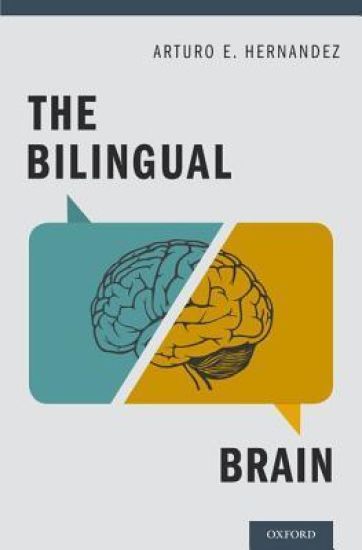
Cases of language loss and recovery bring up an intriguing paradox. If two languages are stored in the brain, how can it be that a person can lose one of them, but not the other, and then gain one back without relearning it? The traditional models of how a language is represented in the brain suggest that languages can become inaccessible, even though they are not entirely lost. As the author demonstrates through fascinating cases, stress--whether due to foreign language immersion, sleep deprivation, or brain damage--can lead to the apparent loss of one language, but not the other. Arturo Hernandez presents the results of 25 years of research into the factors that might help us to understand how two (or more) languages are stored in one brain. It is clear that the brain is not egalitarian--some languages are privileged and others are not, but why? Hernandez will extend recent work that has begun to take a biological or natural systems approach. He proposes that, in bilinguals, two languages live inside a brain almost like two species live in an ecosystem. For the most part they peacefully co-exist and often share resources. But they also compete for resources, particularly when under stress. Although there are still many questions to answer and many puzzles to solve, Hernandez argues that the nonlinear dynamical models, which have been used to uncover the underlying mechanisms seen in natural systems and more recently in language and cognition, can be used to shed considerable light on the neural bases of bilingualism.
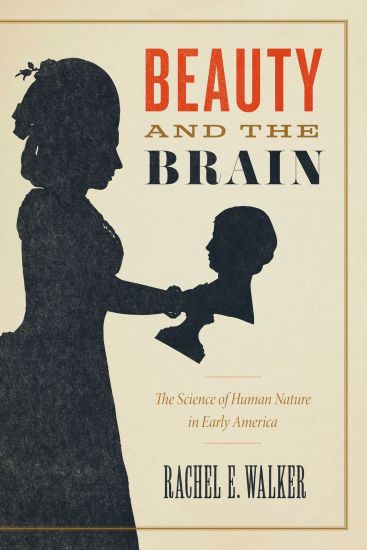
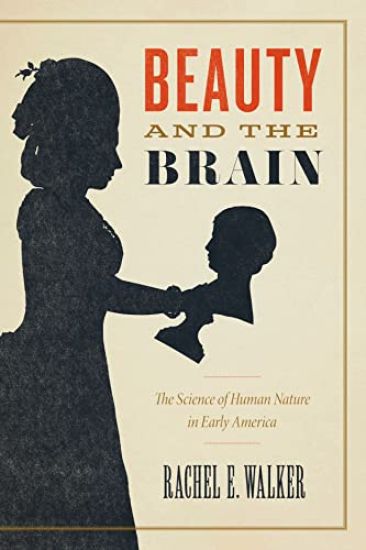
Beauty and the Brain

Beauty and the Brain

Rachel E. Walker

THE UNIVERSITY OF CHICAGO PRESS
2022
sidottu
Examining the history of phrenology and physiognomy, Beauty and the Brain proposes a bold new way of understanding the connection between science, politics, and popular culture in early America. Between the 1770s and the 1860s, people all across the globe relied on physiognomy and phrenology to evaluate human worth. These once-popular but now-discredited disciplines were based on a deceptively simple premise: that facial features or skull shape could reveal a person’s intelligence, character, and personality. In the United States, these were culturally ubiquitous sciences that both elite thinkers and ordinary people used to understand human nature. While the modern world dismisses phrenology and physiognomy as silly and debunked disciplines, Beauty and the Brain shows why they must be taken seriously: they were the intellectual tools that a diverse group of Americans used to debate questions of race, gender, and social justice. While prominent intellectuals and political thinkers invoked these sciences to justify hierarchy, marginalized people and progressive activists deployed them for their own political aims, creatively interpreting human minds and bodies as they fought for racial justice and gender equality. Ultimately, though, physiognomy and phrenology were as dangerous as they were popular. In addition to validating the idea that external beauty was a sign of internal worth, these disciplines often appealed to the very people who were damaged by their prejudicial doctrines. In taking physiognomy and phrenology seriously, Beauty and the Brain recovers a vibrant—if largely forgotten—cultural and intellectual universe, showing how popular sciences shaped some of the greatest political debates of the American past.
Beauty and the Brain

Beauty and the Brain

Rachel E. Walker

THE UNIVERSITY OF CHICAGO PRESS
2025
nidottu
Examining the history of phrenology and physiognomy, Beauty and the Brain proposes a bold new way of understanding the connection between science, politics, and popular culture in early America. Between the 1770s and the 1860s, people all across the globe relied on physiognomy and phrenology to evaluate human worth. These once-popular but now-discredited disciplines were based on a deceptively simple premise: that facial features or skull shape could reveal a person’s intelligence, character, and personality. In the United States, these were culturally ubiquitous sciences that both elite thinkers and ordinary people used to understand human nature. While the modern world dismisses phrenology and physiognomy as silly and debunked disciplines, Beauty and the Brain shows why they must be taken seriously: they were the intellectual tools that a diverse group of Americans used to debate questions of race, gender, and social justice. While prominent intellectuals and political thinkers invoked these sciences to justify hierarchy, marginalized people and progressive activists deployed them for their own political aims, creatively interpreting human minds and bodies as they fought for racial justice and gender equality. Ultimately, though, physiognomy and phrenology were as dangerous as they were popular. In addition to validating the idea that external beauty was a sign of internal worth, these disciplines often appealed to the very people who were damaged by their prejudicial doctrines. In taking physiognomy and phrenology seriously, Beauty and the Brain recovers a vibrant—if largely forgotten—cultural and intellectual universe, showing how popular sciences shaped some of the greatest political debates of the American past.
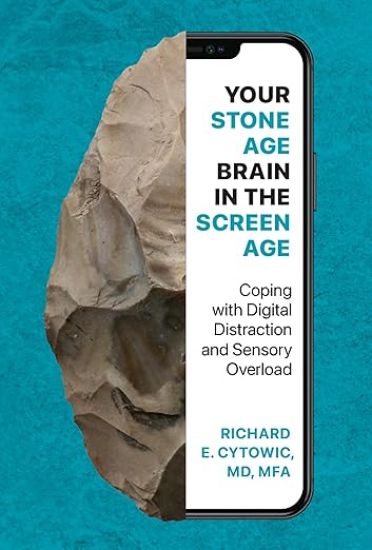
Your Stone Age Brain in the Screen Age

Your Stone Age Brain in the Screen Age

Richard E. Cytowic

MIT PRESS LTD
2024
sidottu
An award-winning neurologist on the Stone-Age roots of our screen addictions, and what to do about them.The human brain hasn’t changed much since the Stone Age, let alone in the mere thirty years of the Screen Age. That’s why, according to neurologist Richard Cytowic—who, Oliver Sacks observed, “changed the way we think of the human brain”—our brains are so poorly equipped to resist the incursions of Big Tech: They are programmed for the wildly different needs of a prehistoric world. In Your Stone Age Brain in the Screen Age, Cytowic explains exactly how this programming works—from the brain’s point of view. What he reveals in this book shows why we are easily addicted to screen devices; why young, developing brains are particularly vulnerable; why we need silence; and what we can do to push back.In the engaging storytelling style of his popular TED Talk, Cytowic draws an easily comprehensible picture of the Stone Age brain’s workings—the function of neurotransmitters like dopamine in basic instincts for survival such as desire and reward; the role of comparison in emotion, and emotion in competition; and, most significantly, the orienting reflex, one of the unconscious circuits that automatically focus, shift, and sustain attention. Given this picture, the nature of our susceptibility to digital devices becomes clear, along with the possibility of how to break their spell.Full of practical actions that we can start taking right away, Your Stone Age Brain in the Screen Age offers compelling evidence that we can change the way we use technology, resist its addictive power over us, and take back the control we have lost.
Understanding the Brain

Understanding the Brain

John E. Dowling

WW Norton Co
2018
sidottu
No reader curious about our “little grey cells” will want to pass up Harvard neuroscientist John E. Dowling’s brief introduction to the brain. In this up-to-date revision of his 1998 book Creating Mind, Dowling conveys the essence and vitality of the field of neuroscience—examining the progress we’ve made in understanding how brains work and shedding light on discoveries to do with aging, mental illness and brain health. The first half of the book provides the nuts-and-bolts necessary for an up-to-date understanding of the brain. Covering the general organisation of the brain, early chapters explain how cells communicate with one another to enable us to experience the world. The rest of the book touches on higher-level concepts such as vision, perception, language, memory, emotion and consciousness. Beautifully illustrated and lucidly written, this introduction elegantly reveals the beauty of the organ that makes us uniquely human.
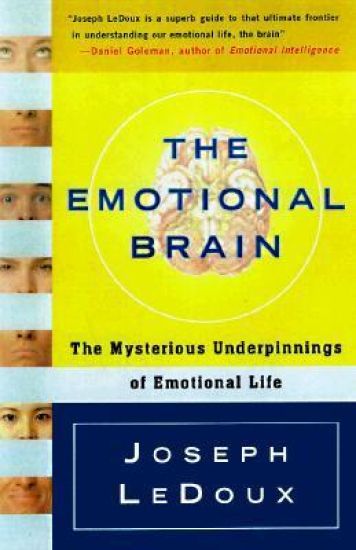
The Emotional Brain

The Emotional Brain

Joseph E. LeDoux

Simon Schuster
1998
nidottu
What happens in our brains to make us feel fear, love, hate, anger, joy? Do we control our emotions, or do they control us? Do animals have emotions? How can traumatic experiences in early childhood influence adult behavior, even though we have no conscious memory of them? In The Emotional Brain, Joseph LeDoux investigates the origins of human emotions and explains that many exist as part of complex neural systems that evolved to enable us to survive. One of the principal researchers profiled in Daniel Goleman's Emotional Intelligence, LeDoux is a leading authority in the field of neural science. In this provocative book, he explores the brain mechanisms underlying our emotions -- mechanisms that are only now being revealed.
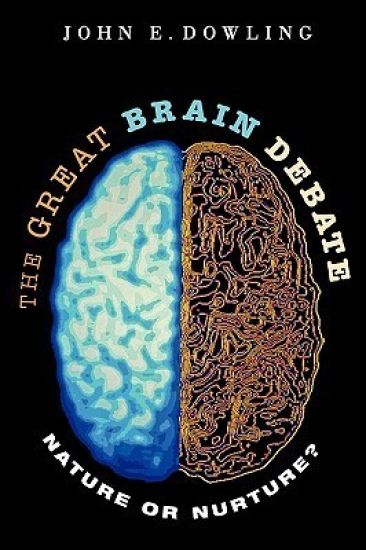
The Great Brain Debate

The Great Brain Debate

John E. Dowling

Princeton University Press
2007
pokkari
Whether our personality, intelligence, and behavior are more likely to be shaped by our environment or our genetic coding is not simply an idle question for today's researchers. There are tremendous consequences to understanding the crucial role that environment and genes each play. How we raise and educate our children, how we treat various mental diseases or conditions, how we care for our elderly--these are just some of the issues that can be informed by a better understanding of brain development. In The Great Brain Debate, the eminent neuroscience researcher John Dowling looks at these and other important issues. The work that is being done on the connection between the brain and vision, as well as the ways in which our brains help us learn new languages, are particularly revealing. From this groundbreaking new research, Dowling explains startling new insights into how the brain functions and how it can (or cannot) be molded and changed. By studying the brain across the spectrum of our lives, from infancy through adulthood and into old age, Dowling shows the ways in which both nature and nurture play key roles over the course of a human lifetime.
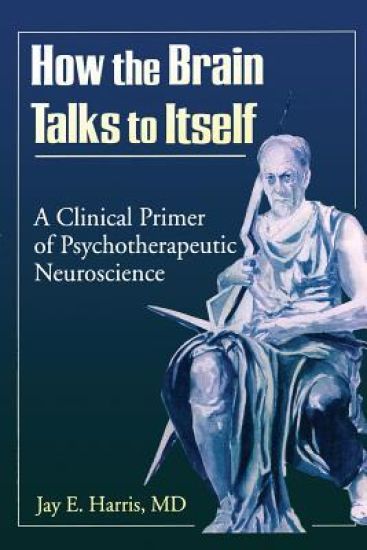
How the Brain Talks to Itself

How the Brain Talks to Itself

Jay E Harris

Routledge Member of the Taylor and Francis Group
1998
nidottu
Now you can more fully understand and help your clients with this description of the development of the consciousness of identity as it occurs in well-defined stages. How the Brain Talks to Itself synthesizes recent discoveries in cognitive neuroscience with a psychoanalytic understanding of human dynamics and a working model for clinical diagnosis. In studying how the brain talks to itself to solve survival problems, this text looks at two sets of situations. In the first, neural possibilities mesh adaptively. In the second, dysfunction clouds the picture--something has gone wrong with the brain, in the life, or in a combination that ends in clinical syndromes. Unlike other books in this area that have narrow focuses, How the Brain Talks to Itself gives you an extensive and thorough exploration of the human condition by examining the effect that impairment of the left hemisphere has on goals and ambitions, problemsolving, the formation of syndromes, the use of transitional object transference in stabilizing patient identity, and how the brain registers, organizes, assesses, reflects, and acts on data. You'll find this information gives you a comprehensive framework for diagnosing and treating your patients. Chapters will further enhance your knowledge and help you improve your skills by:amplifying what we can learn from the conventional mental status exam prioritizing and targeting therapeutic interventions providing a framework for fitting advances in psychopharmacology into psychotherapy reconciling disparate forms of psychotherapy in the context of a neural-systems informed “structural therapy”How the Brain Talks to Itself combines vast domains of data so that higher cortical functions consistently relate to their corresponding identity functions. You'll explore the mechanisms that link synaptic potentiation to the emotionally and cognitively organized memories that sustain development. These mechanisms process the cognitive, social, and emotional data that are needed for problemsolving. You'll also see how the ways in which synaptic potentiations are comprised by definable varieties of stress that lead to the spectrum of DSM-IV syndromes. Author Jay E. Harris, MD, derives functional and structural principles from all of the disciplines--psychoanalytic psychology, cognitive neuroscience, clinical psychiatry, neurology, and linguistics--relevant to the brain's development, information processing, problemsolving, and syndrome formation. He includes case histories, clinical vignettes, and diagnostic examples of mental status dialogues with patients to help you in your understanding of this complex topic. You'll find that How the Brain Talks to Itself answers many questions you have about the brain's role in identity formation and resultant clinical sydromes.
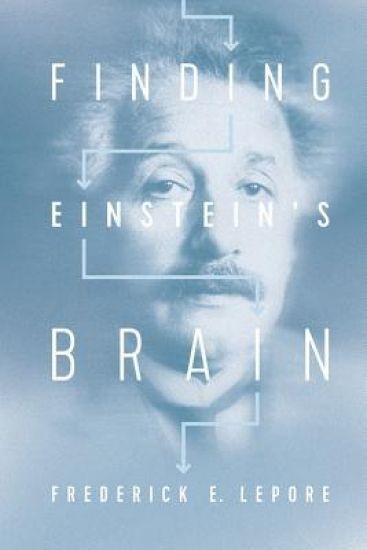
Finding Einstein's Brain

Finding Einstein's Brain

Frederick E. Lepore

Rutgers University Press
2018
sidottu
Albert Einstein remains the quintessential icon of modern genius. Like Newton and many others, his seminal work in physics includes the General Theory of Relativity, the Absolute Nature of Light, and perhaps the most famous equation of all time: E=mc2. Following his death in 1955, Einstein’s brain was removed and preserved, but has never been fully or systematically studied. In fact, the sections are not even all in one place, and some are mysteriously unaccounted for! In this compelling tale, Frederick E. Lepore delves into the strange, elusive afterlife of Einstein’s brain, the controversy surrounding its use, and what its study represents for brain and/or intelligence studies. Carefully reacting to the skepticism of 21st century neuroscience, Lepore more broadly examines the philosophical, medical, and scientific implications of brain-examination. Is the brain simply a computer? If so, how close are we to artificially creating a human brain? Could scientists create a second Einstein? This “biography of a brain” attempts to answer these questions, exploring what made Einstein’s brain anatomy exceptional, and how “found” photographs--discovered more than a half a century after his death--may begin to uncover the nature of genius.
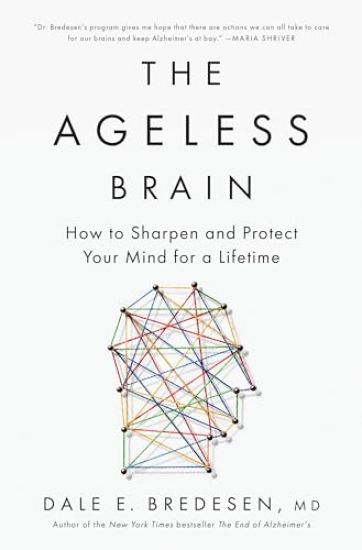
The Ageless Brain: How to Sharpen and Protect Your Mind for a Lifetime
New York Times Bestseller From the bestselling author of The End of Alzheimer's, Dr. Dale Bredesen, comes a revolutionary new approach to preventing the onset of neurodegenerative disease and creating sustained brain health. In recent decades, advances in medicine have changed the way we think about our health. Chronic diseases like obesity, heart disease, and diabetes can be prevented or reversed. Cancer treatment has become targeted and personalized. Gene editing will allow us to eradicate many inherited disorders. But there is one class of conditions that continues to elude researchers and cause tremendous suffering: neurodegenerative disease. More than six million Americans live with Alzheimer's disease; by 2050, this number is projected to reach thirteen million. An additional one in ten people over the age of sixty-five have dementia, while 22 percent of older adults live with some form of cognitive impairment. And it isn't just the elderly who are afflicted; diagnosis rates are rising in younger adults, with women at a higher risk than men. For many--especially those with a genetic predisposition--this fate has seemed inevitable. Until now. Dr. Dale Bredesen is a pioneer in the field of neurodegenerative research. Lauded for his integrative protocol, he has, in clinical studies, reversed the symptoms of Alzheimer's and dementia. He shared this information in his bestselling book, The End of Alzheimer's. But Dr. Bredesen doesn't want to only treat the symptoms of this devastating illness. He wants to prevent it from developing in the first place. In The Ageless Brain, Dr. Bredesen will share the latest, cutting-edge science on neurodegeneration, including how misunderstandings of the disease have hindered our efforts to treat it, as well as a preventative program that readers of all ages can put into practice to optimize their cognitive health now and sustain it for years to come. This is a book for everyone who cares about their ability to stay sharp and independent for a lifetime, for those who have witnessed family members decline, and for the many readers who are beginning to experience moments of brain fog or fatigue in middle age, and are concerned about what the future may hold. Just as bestselling authors like Dr. Peter Attia and Dr. Michael Greger have offered essential guidance for maintaining overall health and longevity, Dr. Bredesen has written the only book readers need to retain their vibrant minds--and thrive for a lifetime.
The Ageless Brain: How to Sharpen and Protect Your Mind for a Lifetime
New York Times Bestseller From the bestselling author of The End of Alzheimer's, Dr. Dale Bredesen, comes a revolutionary new approach to preventing the onset of neurodegenerative disease and creating sustained brain health. In recent decades, advances in medicine have changed the way we think about our health. Chronic diseases like obesity, heart disease, and diabetes can be prevented or reversed. Cancer treatment has become targeted and personalized. Gene editing will allow us to eradicate many inherited disorders. But there is one class of conditions that continues to elude researchers and cause tremendous suffering: neurodegenerative disease. More than six million Americans live with Alzheimer's disease; by 2050, this number is projected to reach thirteen million. An additional one in ten people over the age of sixty-five have dementia, while 22 percent of older adults live with some form of cognitive impairment. And it isn't just the elderly who are afflicted; diagnosis rates are rising in younger adults, with women at a higher risk than men. For many--especially those with a genetic predisposition--this fate has seemed inevitable. Until now. Dr. Dale Bredesen is a pioneer in the field of neurodegenerative research. Lauded for his integrative protocol, he has, in clinical studies, reversed the symptoms of Alzheimer's and dementia. He shared this information in his bestselling book, The End of Alzheimer's. But Dr. Bredesen doesn't want to only treat the symptoms of this devastating illness. He wants to prevent it from developing in the first place. In The Ageless Brain, Dr. Bredesen will share the latest, cutting-edge science on neurodegeneration, including how misunderstandings of the disease have hindered our efforts to treat it, as well as a preventative program that readers of all ages can put into practice to optimize their cognitive health now and sustain it for years to come. This is a book for everyone who cares about their ability to stay sharp and independent for a lifetime, for those who have witnessed family members decline, and for the many readers who are beginning to experience moments of brain fog or fatigue in middle age, and are concerned about what the future may hold. Just as bestselling authors like Dr. Peter Attia and Dr. Michael Greger have offered essential guidance for maintaining overall health and longevity, Dr. Bredesen has written the only book readers need to retain their vibrant minds--and thrive for a lifetime.
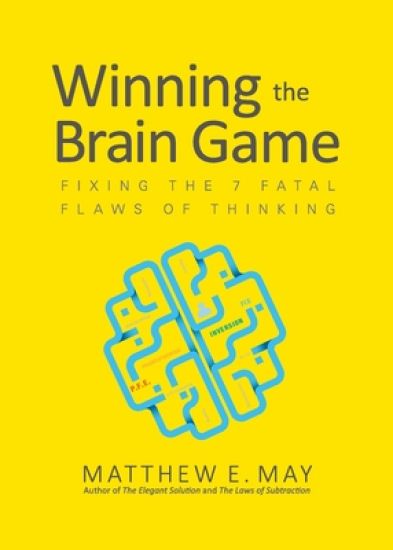
Winning the Brain Game (PB)

Winning the Brain Game (PB)

Matthew E. May

McGraw-Hill Education
2023
nidottu
Mindful thinking is the new competitive edge Science confirms the distinction between the biological brain and the conscious mind. Each day, a game of mind versus matter plays out on a field defined by the problems we must solve. Most are routine, and don’t demand a more mindful approach. It’s when we’re faced with more difficult challenges that our thinking becomes vulnerable to brain patterns that can lead us astray.We leap to solutions that simply don’t work. We fixate on old mindsets that keep us stuck in neutral. We overthink problems and make them worse. We kill the ideas of others, as well as our own. Worse, we keep doing these things, over and over again, naturally and instinctively.But it doesn’t have to be that way.In Winning the Brain Game, author and creative strategist Matthew E. May explains these and other “fatal flaws” of thinking, catalogued over the course of ten years and hundreds of interactive creative sessions in which he gave more than 100,000 professionals a thought challenge based on a real case far less complex than their everyday problems. Not only did less than 5% arrive at the best and most elegant solution, but the solutions given were remarkably similar, revealing seven observable problem-solving patterns that can block our best thinking.Calling on modern neuroscience and psychology to help explain the seven fatal flaws, May draws insights from some of the world’s most innovative thinkers. He then blends in a super-curated, field-tested set of “fixes” proven through hundreds of creative sessions to raise our thinking game to a more mindful level. Regardless of playing field, mindful thinking is the new competitive advantage, and the seven fixes are a magic set of tools for achieving it.Winning the Brain Game will lead you to better decision-making, higher levels of creativity, clearer strategies, and overall success in business, work and life.
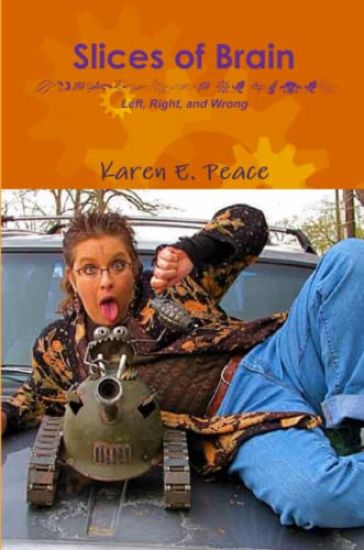
Slices of Brain

Slices of Brain

Karen E Peace

Lulu.com
2017
pokkari
A collection of diverse poems of Colorado poet Karen E. Peace. The poems have been written over 3 decades, and range in style from the sublime to the intentionally ridiculous -- for example, the sonnet about a clogged toilet. On the serious side, the poems address existential struggles with statistics, the barbaric practice of child brides, and heartbreaking losses that haunt. It is my hope that in this book -- part confessional, part philosophical, and part sheer silliness -- you might find something of value -- or at least a couple of laughs amid the tears.
Biology of Brain Dysfunction

Biology of Brain Dysfunction

Gerald E. Gaull

Springer-Verlag New York Inc.
2012
nidottu
The growth of neurochemistry, molecular biology, and biochemical genetics has led to a burgeoning of new information relevant to the pathogenesis of brain dysfunction. This explosion of exciting new information is crying out for collation and meaningful synthesis. In its totality, it defies systematic summa­ tion, and, of course, no one author can cope. Thus invitations for contributions were given to various experts in areas which are under active investigation, of current neurological interest, and pregnant. Although this project is relatively comprehensive, by dint of size, other topics might have been included; the selection was solely my responsibility. I believe systematic summation a virtual impossibility-indeed, hardly worth the effort. The attempt to assemble all of the sections involved in a large treatise with multiple authors inevitably results in untoward delays due to the difference in the rate at which various authors work. Therefore, the following strategy has been adopted: multiple small volumes and a relatively flexible format, with publication in order of receipt and as soon as enough chapters are assembled to make publication practical and economical. In this way, the time lag between the ideas and their emergence in print is the shortest.
Biology of Brain Dysfunction

Biology of Brain Dysfunction

Gerald E. Gaull

Springer-Verlag New York Inc.
2012
nidottu
The growth of neurochemistry, molecular biology, and biochemical genetics has led to a burgeoning of new information relevant to the pathogenesis of brain dysfunction. This explosion of exciting new information is crying out for collation and meaningful synthesis. In its totality, it defies systematic summa­ tion, and, of course, no one author can cope. Thus invitations for contributions were given to various experts in areas which are under active investigation, of current neurological interest, and pregnant. Although this project is relatively comprehensive, by dint of size, other topics might have been included; the selection was solely my responsibility. I believe systematic summation a virtual impossibility-indeed, hardly worth the effort. The attempt to assemble all of the sections involved in a large treatise with mUltiple authors inevitably results in untoward delays due to the difference in the rate at which various authors work. Therefore, the following strategy has been adopted: multiple small volumes and a relatively flexible format, with publication in order of receipt and as soon as enough chapters are assembled to make publication practical and economical. In this way, the time lag between the ideas and their emergence in print is the shortest.
Biology of Brain Dysfunction

Biology of Brain Dysfunction

Gerald E. Gaull

Springer-Verlag New York Inc.
2012
nidottu
The growth of neurochemistry. molecular biology, and biochemical genetics has led to a burgeoning of new information relevant to the pathogenesis of brain dysfunction. This explosion of exciting new information is crying out for collation and meaningful synthesis. In its totality, it defies systematic summa­ tion, and, of course, no one author can cope. Thus invitations for contributions were given to various experts in areas which are under active investigation, of current neurological interest, and pregnant. Although this project is relatively comprehensive, by dint of size. other topics might have been included; the selection was solely my responsibility. I believe systematic summation a virtual impossibility-indeed, hardly worth the effort. The attempt to assemble all of the sections involved in a large treatise with multiple authors inevitably results in untoward delays due to the difference in the rate at which various authors work. Therefore, the following strategy has been adopted: multiple small volumes and a relatively flexible format, with publication in order of receipt and as soon as enough chapters are assembled to make publication practical and economical. In this way, the time lag between the ideas and their emergence in print is the shortest.