Kirjojen hintavertailu. Mukana 11 717 486 kirjaa ja 12 kauppaa.

Kirjahaku

Etsi kirjoja tekijän nimen, kirjan nimen tai ISBN:n perusteella.

1000 tulosta hakusanalla Colin Lago

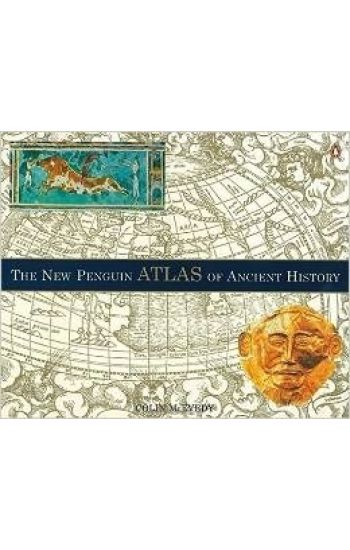
The New Penguin Atlas of Ancient History

The New Penguin Atlas of Ancient History

Colin McEvedy; John Woodcock

Penguin Books Ltd
2002
nidottu
The Penguin Atlas of Ancient History illustrates in a chronological series of maps, the evolution and flux of races in Europe, the Mediterranean area and the Near East. From 50,000 B.C. to the fourth century A.D., it is one of the most successful of the bestselling historical atlas series.
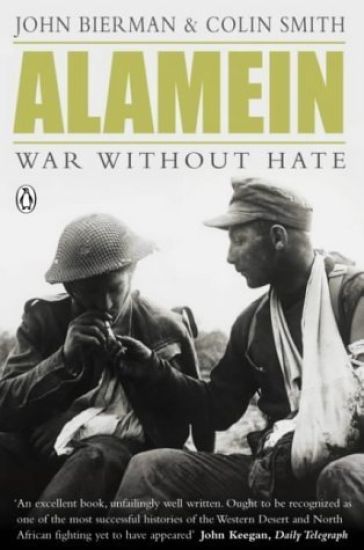
Alamein

Alamein

Colin Smith; John Bierman

Penguin Books Ltd
2003
pokkari
'Excellent ... a remarkable achievement and ought to be recognised as one of the most successful histories of the Western Desert and North African fighting yet to have appeared' John Keegan, Daily TelegraphFor the British, the battle fought at El Alamein in October 1942 became the turning point of the Second World War. In this study of the desert war, John Bierman and Colin Smith show why it is remembered by its survivors as a 'war without hate'. Through extensive research the authors provide a compellingly fresh perspective on the see-saw campaign in which the two sides chased each other back and forth across the unforgiving North African landscape.
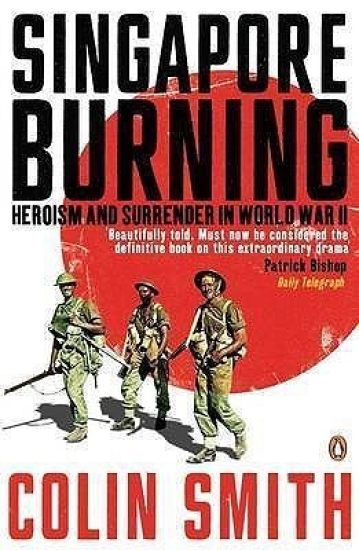
Singapore Burning

Singapore Burning

Colin Smith

Penguin Books Ltd
2006
pokkari
Churchill's description of the fall of Singapore on 15 February 1942, after Lt-Gen Percival's surrender led to over 100,000 British, Australian and Indian troops falling into the hands of the Japanese, was no wartime exaggeration. The Japanese had promised that there would be no Dunkirk in Singapore, and its fall led to imprisonment, torture and death for thousands of allied men and women. With much new material from British, Australian, Indian and Japanese sources, Colin Smith has woven together the full and terrifying story of the fall of Singapore and its aftermath. Here, alongside cowardice and incompetence, are forgotten acts of enormous heroism; treachery yet heart-rending loyalty; Japanese compassion as well as brutality from the bravest and most capricious enemy the British ever had to face.
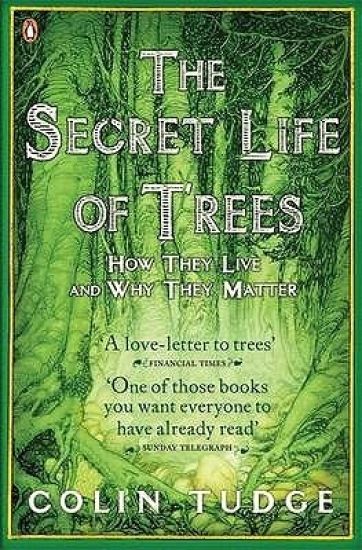
The Secret Life of Trees

The Secret Life of Trees

Colin Tudge

Penguin Books Ltd
2006
pokkari
Colin Tudge's The Secret Life of Trees: How they Live and Why they Matter explores the hidden role of trees in our everyday lives - and how our future survival depends on them. What is a tree? As this celebration of the trees shows, they are our countryside; our ancestors descended from them; they gave us air to breathe. Yet while the stories of trees are as plentiful as leaves in a forest, they are rarely told. Here, Colin Tudge travels from his own back garden round the world to explore the beauty, variety and ingenuity of trees everywhere: from how they live so long to how they talk to each other and why they came to exist in the first place. Lyrical and evocative, this book will make everyone fall in love with the trees around them. 'A love-letter to trees' Financial Times 'One of those books you want everyone to have already read' Sunday Telegraph 'Wonderful, invaluable and timely. Tudge is as illuminating a guide as one could wish for' Daily Mail 'Everyone interested in the natural world will enjoy The Secret Life of Trees. I found myself reading out whole chunks to friends' The Times Books of the Year Colin Tudge started his first tree nursery in his garden aged 11, marking his life-long interest in trees. Always interested in plants and animals, he studied zoology at Cambridge and then began writing about science, first as features editor at the New Scientist and then as a documentary maker for the BBC. Now a full-time writer, he is a Fellow of the Linnean Society of London and visiting Research Fellow at the Centre of Philosophy at the London School of Economics. His books include The Variety of Life and So Shall We Reap.
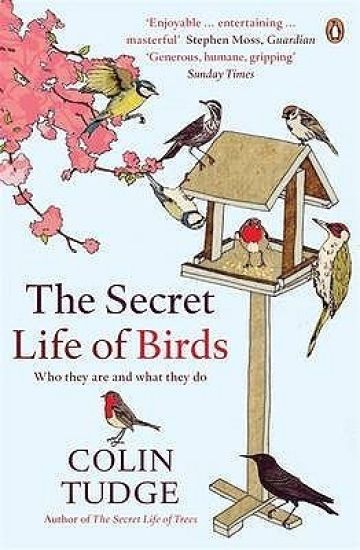
The Secret Life of Birds

The Secret Life of Birds

Colin Tudge

Penguin Books Ltd
2009
pokkari
In The Secret Life of Birds, lifelong bird enthusiast Colin Tudge explores the extraordinary variety, secret history and hidden importance of birds around the world. Birds are beautiful, intriguing and life-enhancing. They can do everything mammals can, and even more besides. Collected here are birds who navigate using the stars, tool-making crows, territorial robins, cooperative penguins and swans who mate for life - among hundreds of others. Revealing everything from why birds sing to how they fly, think, bond and survive, from how they evolved (and whether it really is from dinosaurs) to why, in so many ways, they are very much like us, this rich, evocative book will make you love and admire the birds that are all around you. 'Enjoyable ... entertaining ... masterful' Stephen Moss, Guardian 'Simply fizzing with ideas ... his heart is with the birds' Literary Review 'Inspired ... Tudge's writing is always clear and frequently embellished with wry humour' Richard Fortey, Sunday Telegraph 'Only when we read this scintillating study do we see how little we've known about the creatures we see around us' Michael Kerrigan, Scotsman Books of the Year 'An author whose own deep relish for the extraordinary lives of birds seems only marginally less pleasurable to him than sharing that wonder with others' BBC Wildlife Magazine When Colin Tudge was a small boy, he could recognize only five kinds of birds. After studying zoology at Cambridge, Colin wrote for the New Scientist and was a documentary maker for BBC radio. His other books, also published by Penguin, include The Secret Life of Trees and So Shall We Reap: What's Gone Wrong with the World's Food - and How to Fix It.
Bereavement (4th Edition)

Bereavement (4th Edition)

Colin Murray Parkes

Penguin Books Ltd
2010
pokkari
The loss of a loved one is one of the most painful experiences that most of us will ever have to face in our lives. This book recognises that there is no single solution to the problems of bereavement but that an understanding of grief can help the bereaved to realise that they are not alone in their experience. This new edition has been revised and extended to take into account recent research findings on both sides of the Atlantic. Parkes and Prigerson include additional information about the different circumstances of bereavement including traumatic loss, disasters, and complicated grief, as well as providing details on how social, religious, and cultural influences determine how we grieve.Bereavement provides guidance on preparing for the loss of a loved one, and coping after they've gone. It also discusses how to identify the minority in whom bereavement may lead to impairment of physical and/or mental health and how to ensure they get the help they need. This classic text will continue to be of value to the bereaved themselves, as well as the professionals and friends who seek to help and understand them.
The Grass Arena

The Grass Arena

Colin MacCabe; John Healy

Penguin Classics
2008
pokkari
John Healy's The Grass Arena describes with unflinching honesty his experiences of addiction, his escape through learning to play chess in prison, and his ongoing search for peace of mind. This Penguin Classics edition includes an afterword by Colin MacCabe.In his searing autobiography Healy describes his fifteen years living rough in London without state aid, when begging carried an automatic three-year prison sentence and vagrant alcoholics prowled the parks and streets in search of drink or prey. When not united in their common aim of acquiring alcohol, winos sometimes murdered one another over prostitutes or a bottle, or the begging of money. Few modern writers have managed to match Healy's power to refine from the brutal destructive condition of the chronic alcoholic a story so compelling it is beyond comparison.John Healy (b. 1943) was born into an impoverished, Irish immigrant family, in the slums of Kentish Town, North London. Out of school by 14, pressed into the army and intermittently in prison, Healy became an alcoholic early on in life. Despite these obstacles Healy achieved remarkable, indeed phenomenal expertise in both writing and chess, as outlined in the autobiographical The Grass Arena. If you enjoyed The Grass Arena, you might like Last Exit to Brooklyn, also available in Penguin Modern Classics.'Sober and precise, grotesque, violent, sad, charming and hilarious all at once'Literary Review'Beside it, a book like Orwell's Down and Out in Paris and London seems a rather inaccurate tourist guide'Colin MacCabe
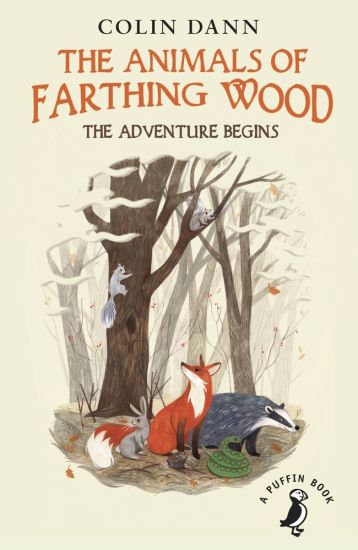
The Animals of Farthing Wood: The Adventure Begins
ANIMALS OF FARTHING WOOD: THE ADVENTURE BEGINS by Colin Dann is the exciting prequel to The Animals of Farthing Wood which takes the reader right back to the very beginning.There had always been otters in the stream running through Farthing Wood - and that had never been a problem for the other animals before but when there is a shortage of fish in the stream, the otters are forced to hunt on land.The otters are taking valuable prey and the foxes and other Farthing Wood animals have to compete for food. Lean Vixen is determined to protect her family from starvation, and that means deciding on a plan to drive the otters out once and for all.
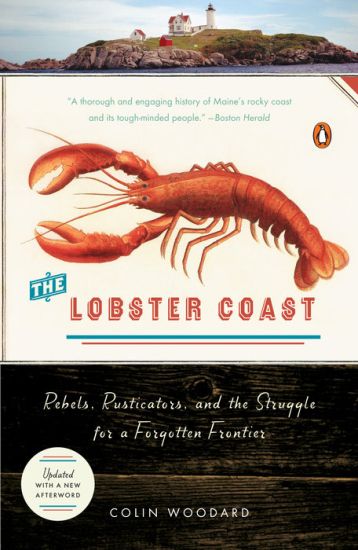
The Lobster Coast: Rebels, Rusticators, and the Struggle for a Forgotten Frontier
"A thorough and engaging history of Maine's rocky coast and its tough-minded people."--Boston Herald " A] well-researched and well-written cultural and ecological history of stubborn perseverance."--USA Today For more than four hundred years the people of coastal Maine have clung to their rocky, wind-swept lands, resisting outsiders' attempts to control them while harvesting the astonishing bounty of the Gulf of Maine. Today's independent, self-sufficient lobstermen belong to the communities imbued with a European sense of ties between land and people, but threatened by the forces of homogenization spreading up the eastern seaboard.In the tradition of William Warner's Beautiful Swimmers, veteran journalist Colin Woodard (author of American Character: A History of the Epic Struggle Between Individual Liberty and the Common Good) traces the history of the rugged fishing communities that dot the coast of Maine and the prized crustacean that has long provided their livelihood. Through forgotten wars and rebellions, and with a deep tradition of resistance to interference by people "from away," Maine's lobstermen have defended an earlier vision of America while defying the "tragedy of the commons"--the notion that people always overexploit their shared property. Instead, these icons of American individualism represent a rare example of true communal values and collaboration through grit, courage, and hard-won wisdom.
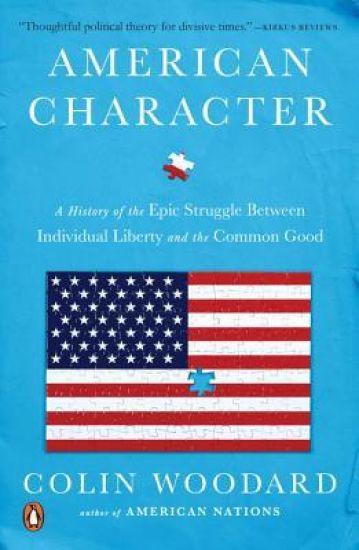
American Character: A History of the Epic Struggle Between Individual Liberty and the Common Good
The author of American Nations examines the history of and solutions to the key American question: how best to reconcile individual liberty with the maintenance of a free society The struggle between individual rights and the good of the community as a whole has been the basis of nearly every major disagreement in our history, from the debates at the Constitutional Convention and in the run up to the Civil War to the fights surrounding the agendas of the Federalists, the Progressives, the New Dealers, the civil rights movement, and the Tea Party. In American Character, Colin Woodard traces these two key strands in American politics through the four centuries of the nation's existence, from the first colonies through the Gilded Age, Great Depression and the present day, and he explores how different regions of the country have successfully or disastrously accommodated them. The independent streak found its most pernicious form in the antebellum South but was balanced in the Gilded Age by communitarian reform efforts; the New Deal was an example of a successful coalition between communitarian-minded Eastern elites and Southerners. Woodard argues that maintaining a liberal democracy, a society where mass human freedom is possible, requires finding a balance between protecting individual liberty and nurturing a free society. Going to either libertarian or collectivist extremes results in tyranny. But where does the "sweet spot" lie in the United States, a federation of disparate regional cultures that have always strongly disagreed on these issues? Woodard leads readers on a riveting and revealing journey through four centuries of struggle, experimentation, successes and failures to provide an answer. His historically informed and pragmatic suggestions on how to achieve this balance and break the nation's political deadlock will be of interest to anyone who cares about the current American predicament--political, ideological, and sociological.
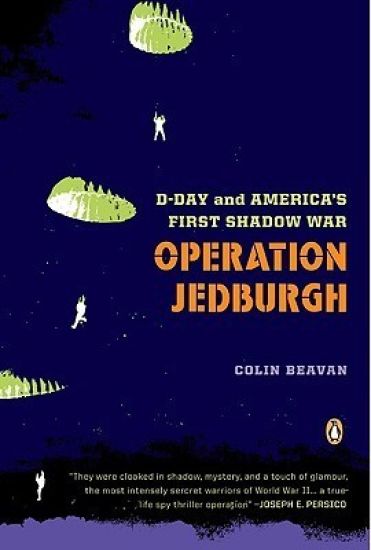
Operation Jedburgh

Operation Jedburgh

Colin Beavan

The Penguin Press
2007
pokkari
Documents a secret partnership between Allied soldiers and the French Resistance through which they waged an effective guerrilla campaign against Germany, in an account that describes in dramatic detail their efforts to train liberator fighters, dodge Gestapo spies, provide cover to invading Allied forces, and capture German transports throughout France. Reprint.
The Shawnees and the War for America

The Shawnees and the War for America

Colin G. Calloway

Penguin USA
2008
pokkari
With the courage and resilience embodied by their legendary leader Tecumseh, the Shawnees waged a war of territorial and cultural resistance for half a century. Noted historian Colin G. Calloway details the political and legal battles and the bloody fighting on both sides for possession of the Shawnees? land, while imbuing historical figures such as warrior chief Tecumseh, Daniel Boone, and Andrew Jackson with all their ambiguity and complexity. More than defending their territory, the Shawnees went to war to preserve a way of life and their own deeply held vision of what their nation should be.
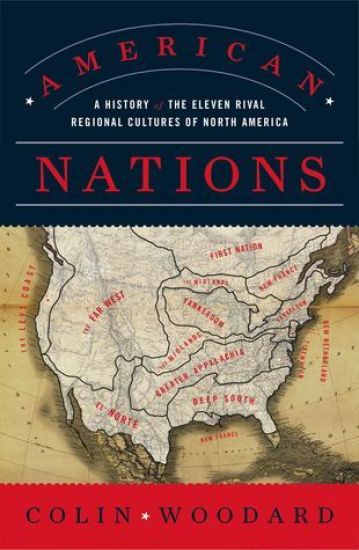
American Nations: A History of the Eleven Rival Regional Cultures of North America
- A New Republic Best Book of the Year - The Globalist Top Books of the Year - Winner of the Maine Literary Award for Non-fiction Particularly relevant in understanding who voted for who during presidential elections, this is an endlessly fascinating look at American regionalism and the eleven "nations" that continue to shape North America According to award-winning journalist and historian Colin Woodard, North America is made up of eleven distinct nations, each with its own unique historical roots. In American Nations he takes readers on a journey through the history of our fractured continent, offering a revolutionary and revelatory take on American identity, and how the conflicts between them have shaped our past and continue to mold our future. From the Deep South to the Far West, to Yankeedom to El Norte, Woodard (author of American Character: A History of the Epic Struggle Between Individual Liberty and the Common Good) reveals how each region continues to uphold its distinguishing ideals and identities today, with results that can be seen in the composition of the U.S. Congress or on the county-by-county election maps of any hotly contested election in our history.
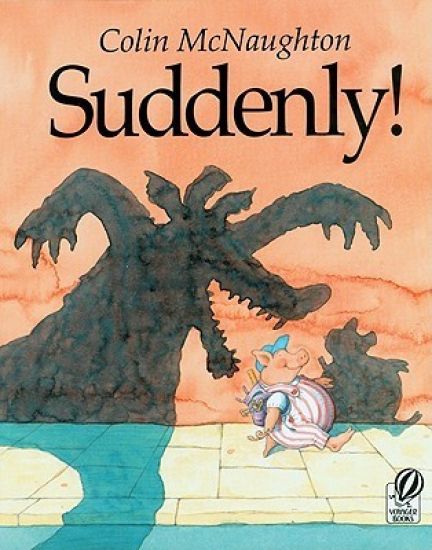
Suddenly!

Suddenly!

Colin McNaughton

Clarion Books
1994
pokkari
A large, toothy, mean-looking wolf zealously stalks Preston the pig. But each time the wolf gets close, Preston suddenly changes course and unknowingly eludes his pursuer. Colin McNaughton's humorous illustrations enhance the element of surprise each time Preston "outsmarts" the wolf. Young readers will laugh with delight as this suspenseful tale unfolds. "Zany fun that's perfect for young audiences."--School Library Journal
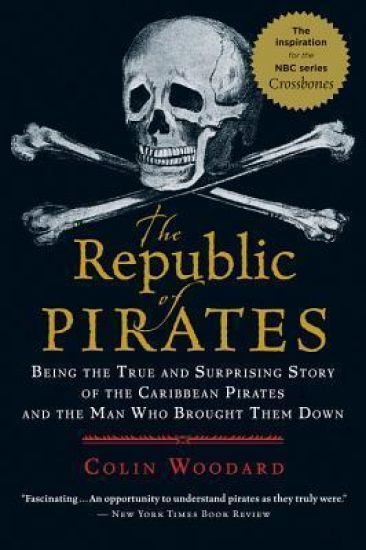
The Republic of Pirates: Being the True and Surprising Story of the Caribbean Pirates and the Man Who Brought Them Down
Describes how a group of powerful pirate captains, led by Edward "Blackbeard" Teach and "Black Sam" Bellamy, joined forces to create not only a cadre of thieves but also to establish a distinctive form of democracy in the Bahamas, one that ultimately was destroyed by their arch-nemesis, Captain Woodes Rogers, a merchant fleet owner and former privateer. Reprint.
The Indian World of George Washington

The Indian World of George Washington

Colin G. Calloway

Oxford University Press Inc
2019
nidottu
George Washington's place in the foundations of the Republic remains unrivalled. His life story--from his beginnings as a surveyor and farmer, to colonial soldier in the Virginia Regiment, leader of the Patriot cause, commander of the Continental Army, and finally first president of the United States--reflects the narrative of the nation he guided into existence. There is, rightfully, no more chronicled figure. Yet American history has largely forgotten what Washington himself knew clearly: that the new Republic's fate depended less on grand rhetoric of independence and self-governance and more on land--Indian land. Colin G. Calloway's biography of the greatest founding father reveals in full the relationship between Washington and the Native leaders he dealt with intimately across the decades: Shingas, Tanaghrisson, Guyasuta, Attakullakulla, Bloody Fellow, Joseph Brant, Cornplanter, Red Jacket, and Little Turtle, among many others. Using the prism of Washington's life to bring focus to these figures and the tribes they represented--the Iroquois Confederacy, Lenape, Miami, Creek, Delaware--Calloway reveals how central their role truly was in Washington's, and therefore the nation's, foundational narrative. Calloway gives the First Americans their due, revealing the full extent and complexity of the relationships between the man who rose to become the nation's most powerful figure and those whose power and dominion declined in almost equal degree during his lifetime. His book invites us to look at America's origins in a new light. The Indian World of George Washington is a brilliant portrait of both the most revered man in American history and those whose story during the tumultuous century in which the country was formed has, until now, been only partially told.
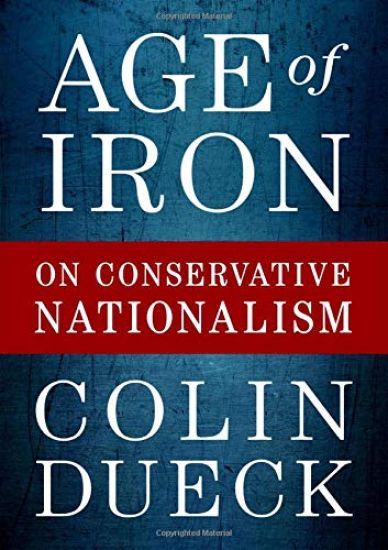
Age of Iron

Age of Iron

Colin Dueck

Oxford University Press Inc
2019
sidottu
The rise of a populist conservative nationalism in the United States has triggered unease at home and abroad. Riding the populist wave, Donald Trump achieved the presidency advocating a hardline nationalist approach. Yet critics frequently misunderstand the Trump administration's foreign policy, along with American nationalism. In Age of Iron, leading authority on Republican foreign policy Colin Dueck demonstrates that conservative nationalism is the oldest democratic tradition in US foreign relations. Designed to preserve self-government, conservative nationalism can be compatible with engagement overseas. But 21st century diplomatic, economic, and military frustrations led to the resurgence of a version that emphasizes US material interests. No longer should the US allow its allies to free-ride, and nor should it surrender its sovereignty to global governance institutions. Because this return is based upon forces larger than Trump, it is unlikely to disappear when he leaves office. Age of Iron describes the shifting coalitions over the past century among foreign policy factions within the Republican Party, and shows how Trump upended them starting in 2015-16. Dueck offers a balanced summary and assessment of President Trump's foreign policy approach, analyzing its strengths and weaknesses. He also describes the current interaction of conservative public opinion and presidential foreign policy leadership in the broader context of political populism. Finally, he makes the case for a forward-leaning realism, based upon the understanding that the US is entering a protracted period of geopolitical competition with other major powers. The result is a book that captures the past, present, and, possibly, future of conservative foreign policy nationalism in the US.
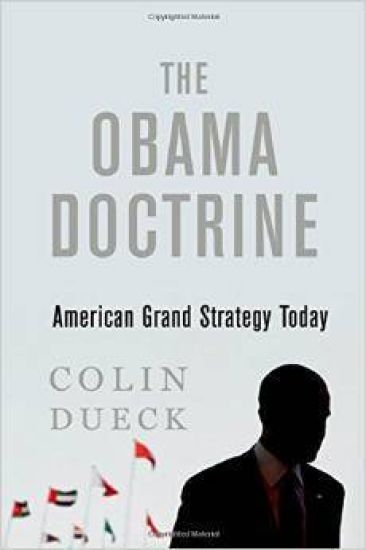
The Obama Doctrine

The Obama Doctrine

Colin Dueck

Oxford University Press Inc
2015
sidottu
By mid-2015, the Obama presidency will be entering its final stages, and the race among the successors in both parties will be well underway. And while experts have already formed a provisional understanding of the Obama administration's foreign policy goals, the shape of the 'Obama Doctrine' is finally coming into full view. It has been consistently cautious since Obama was inaugurated in 2009, but recent events in the Middle East, Eastern Europe, and the Far East have led an increasingly large number of foreign policy experts to conclude that caution has transformed into weakness. In The Obama Doctrine, Colin Dueck analyzes and explains what the Obama Doctrine in foreign policy actually is, and maps out the competing visions on offer from the Republican Party. Dueck, a leading scholar of U.S. foreign policy, contends it is now becoming clear that Obama's policy of international retrenchment is in large part a function of his emphasis on achieving domestic policy goals. There have been some successes in the approach, but there have also been costs. For instance, much of the world no longer trusts the US to exert its will in international politics, and America's adversaries overseas have asserted themselves with increasing frequency. The Republican Party will target these perceived weaknesses in the 2016 presidential campaign and develop competing counter-doctrines in the process. Dueck explains that within the Republican Party, there are two basic impulses vying with each other: neo-isolationism and forceful internationalism. Dueck subdivides each impulse into the specific agenda of the various factions within the party: Tea Party nationalism, neoconservatism, conservative internationalism, and neo-isolationism. He favors a realistic but forceful US internationalism, and sees the willingness to disengage from the world by some elements of the party as dangerous. After dissecting the various strands, he articulates an agenda of forward-leaning American realism-that is, a policy in which the US engages with the world and is willing to use threats of force for realist ends. The Obama Doctrine not only provides a sharp appraisal of foreign policy in the Obama era; it lays out an alternative approach to marshaling American power that will help shape the foreign policy debate in the run-up to the 2016 elections.
Pen and Ink Witchcraft

Pen and Ink Witchcraft

Colin G. Calloway

Oxford University Press Inc
2014
nidottu
Indian peoples made some four hundred treaties with the United States between the American Revolution and 1871, when Congress prohibited them. They signed nine treaties with the Confederacy, as well as countless others over the centuries with Spain, France, Britain, Mexico, the Republic of Texas, Canada, and even Russia, not to mention individual colonies and states. In retrospect, the treaties seem like well-ordered steps on the path of dispossession and empire. The reality was far more complicated. In Pen and Ink Witchcraft, eminent Native American historian Colin G. Calloway narrates the history of diplomacy between North American Indians and their imperial adversaries, particularly the United States. Treaties were cultural encounters and human dramas, each with its cast of characters and conflicting agendas. Many treaties, he notes, involved not land, but trade, friendship, and the resolution of disputes. Far from all being one-sided, they were negotiated on the Indians' cultural and geographical terrain. When the Mohawks welcomed Dutch traders in the early 1600s, they sealed a treaty of friendship with a wampum belt with parallel rows of purple beads, representing the parties traveling side-by-side, as equals, on the same river. But the American republic increasingly turned treaty-making into a tool of encroachment on Indian territory. Calloway traces this process by focusing on the treaties of Fort Stanwix (1768), New Echota (1835), and Medicine Lodge (1867), in addition to such events as the Peace of Montreal in 1701 and the treaties of Fort Laramie (1851 and 1868). His analysis demonstrates that native leaders were hardly dupes. The records of negotiations, he writes, show that "Indians frequently matched their colonizing counterparts in diplomatic savvy and tried, literally, to hold their ground." Each treaty has its own story, Calloway writes, but together they tell a rich and complicated tale of moments in American history when civilizations collided.