Kirjojen hintavertailu. Mukana 12 587 374 kirjaa ja 12 kauppaa.

Kirjahaku

Etsi kirjoja tekijän nimen, kirjan nimen tai ISBN:n perusteella.

1000 tulosta hakusanalla Ridgley Torrence
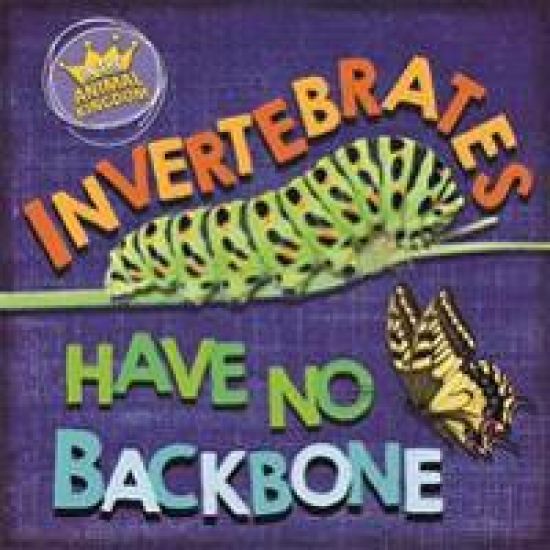
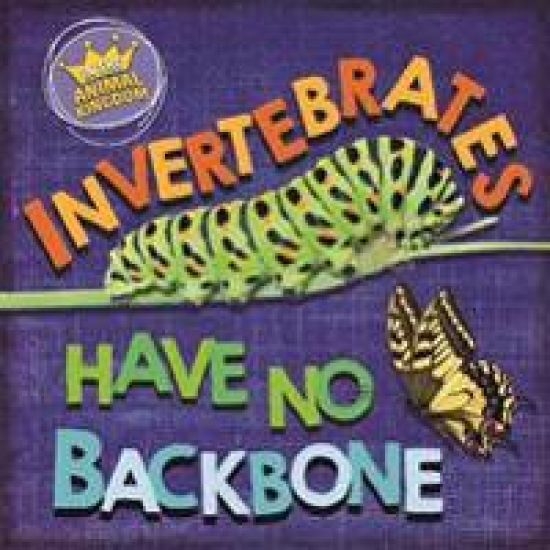
In the Animal Kingdom: Invertebrates Have No Backbone
This book explores what makes an animal an invertebrate - how their characteristics are different from other groups of animals. It shows many examples of different types of invertebrate in their natural environment. The simple text, suitable for children aged 5+, is accompanied by large, attractive photographs. For children progressing through book bands it is suitable for reading at level 7: Turquoise.This book is part of the 'In the Animal Kingdom' series which explores the classification of animals. Why not look for them all: Amphibians Live on Land and Water; Birds Have Feathers; Fish Live in Water; Reptiles Have Scaly Skin; Invertebrates Have No Backbone; Mammals Have Hair.
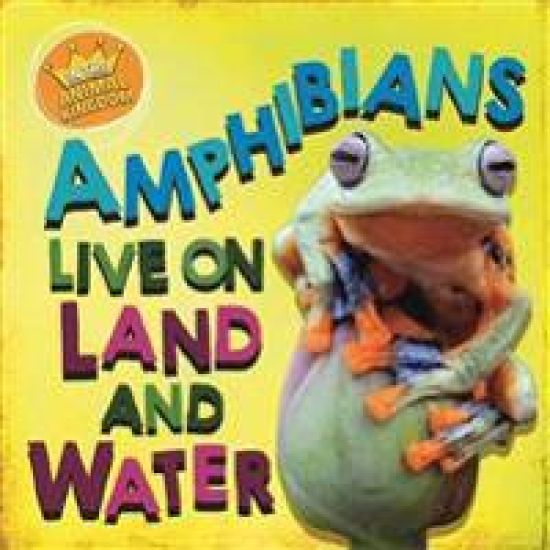
In the Animal Kingdom: Amphibians Live on Land and in Water
This book explores what makes an animal an amphibian - how their characteristics are different from other groups of animals. It shows many examples of different types of amphibian in their natural environment. The simple text, suitable for children aged 5+, is accompanied by large, attractive photographs. For children progressing through book bands it is suitable for reading at level 8: Purple.This book is part of the 'In the Animal Kingdom' series which explores the classification of animals. Why not look for them all: Amphibians Live on Land and in Water; Birds Have Feathers; Fish Live in Water; Reptiles Have Scaly Skin; Invertebrates Have No Backbone; Mammals Have Hair.
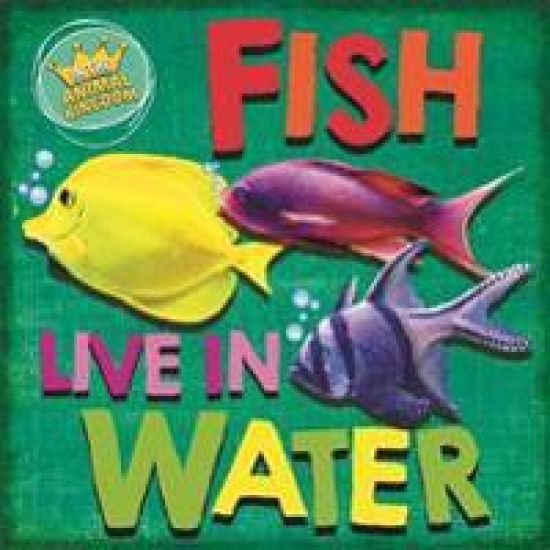
In the Animal Kingdom: Fish Live in Water
This book explores what makes an animal a fish - how their characteristics are different from other groups of animals. It shows many examples of different types of fish in their natural environment. The simple text, suitable for children aged 5+, is accompanied by large, attractive photographs. For children progressing through book bands it is suitable for reading at level 7: Turquoise.This book is part of the 'In the Animal Kingdom' series which explores the classification of animals. Why not look for them all: Amphibians Live on Land and Water; Birds Have Feathers; Fish Live in Water; Reptiles Have Scaly Skin; Invertebrates Have No Backbone; Mammals Have Hair.
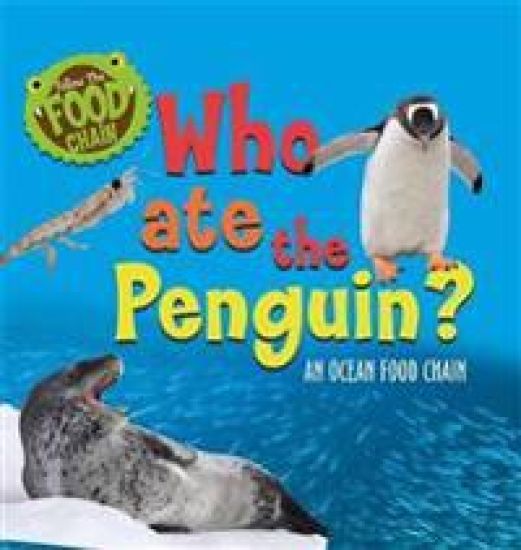
Follow the Food Chain: Who Ate the Penguin?
All living things need food to give them energy to live. Plants that make their own food and animals that eat plants or other plant-eating animals are linked together by many different food chains. This book looks at an ocean food chain in Antarctica. The text introduces young children to the scientific vocabulary associated with food chains and big, beautiful photographs bring the ocean food chain to life.The Follow the Food Chain series helps children aged 6 and up to explore food chains and webs in a range of habitats, from an ocean to a pond and from a rainforest to a desert. Titles in the 4-book series are: Who Ate the Butterfly?, Who Ate the Frog?, Who Ate the Penguin? and Who Ate the Snake?.
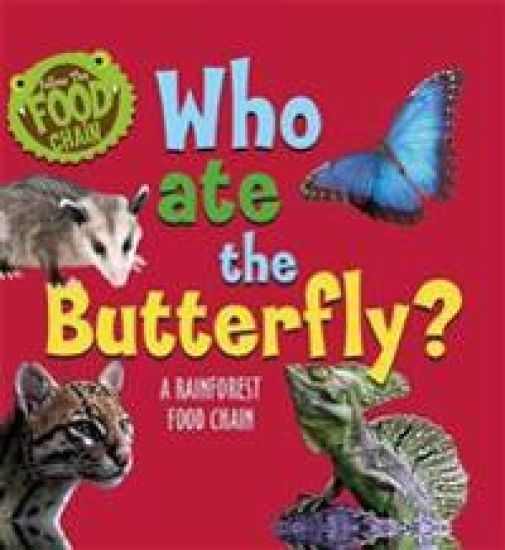
Follow the Food Chain: Who Ate the Butterfly?
All living things need food to give them energy to live. Plants that make their own food and animals that eat plants or other plant-eating animals are linked together by many different food chains. This book looks at a food chain in a Central American rainforest. The text introduces young children to the scientific vocabulary associated with food chains and big, beautiful photographs bring the rainforest food chain to life.The Follow the Food Chain series helps children aged 6 and up to explore food chains and webs in a range of habitats, from an ocean to a pond and from a rainforest to a desert. Titles in the 4-book series are: Who Ate the Butterfly?, Who Ate the Frog?, Who Ate the Penguin? and Who Ate the Snake?.
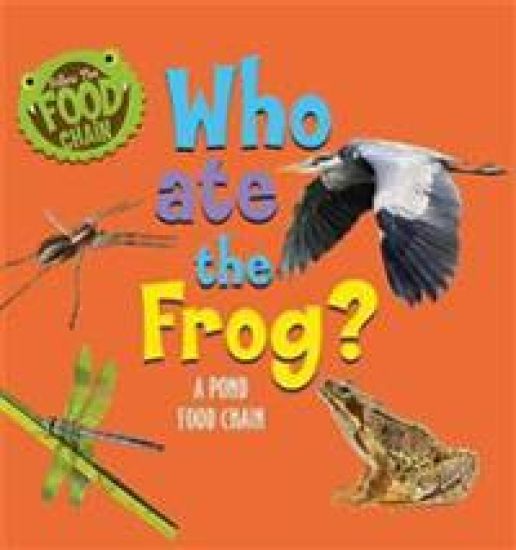
Follow the Food Chain: Who Ate the Frog?
All living things need food to give them energy to live. Plants that make their own food and animals that eat plants or other plant-eating animals are linked together by many different food chains. This book looks at a pond food chain. The text introduces young children to the scientific vocabulary associated with food chains and big, beautiful photographs bring the pond food chain to life.The Follow the Food Chain series helps children aged 6 and up to explore food chains and webs in a range of habitats, from an ocean to a pond and from a rainforest to a desert. Titles in the 4-book series are: Who Ate the Butterfly?, Who Ate the Frog?, Who Ate the Penguin? and Who Ate the Snake?.
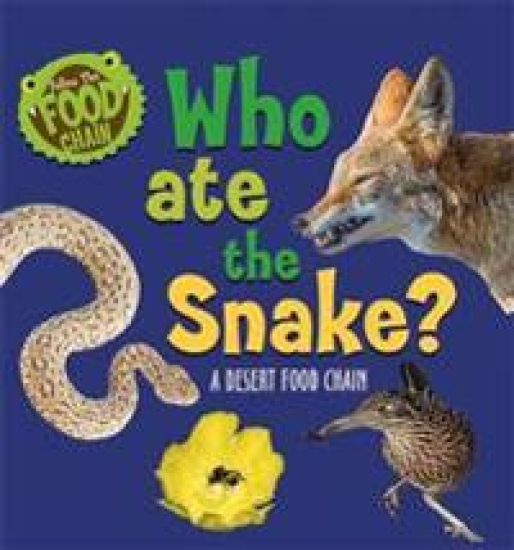
Follow the Food Chain: Who Ate the Snake?
All living things need food to give them energy to live. Plants that make their own food and animals that eat plants or other plant-eating animals are linked together by many different food chains. This book looks at a desert food chain in Arizona, USA. The text introduces young children to the scientific vocabulary associated with food chains and big, beautiful photographs bring the desert food chain to life.The Follow the Food Chain series helps children aged 6 and up to explore food chains and webs in a range of habitats, from an ocean to a pond and from a rainforest to a desert. Titles in the 4-book series are: Who Ate the Butterfly?, Who Ate the Frog?, Who Ate the Penguin? and Who Ate the Snake?.
The Insects that Run Our World: The Pollinators
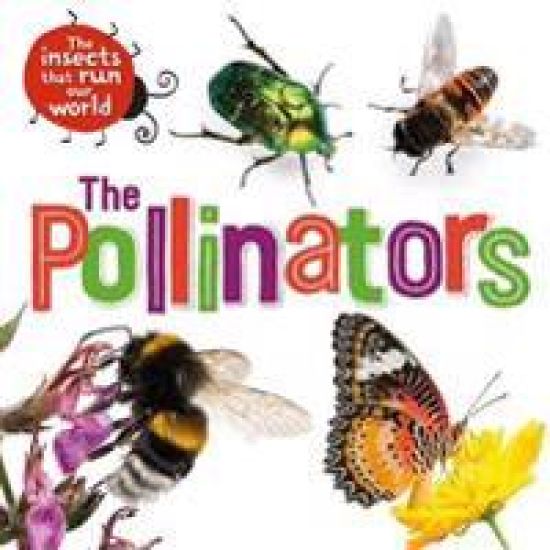
Perfect for young children studying living things and their habitats in their science lessons, or for young minibeast fans, this book explores the importance of pollinating insects. Pollinating insects allow countless wild and cultivated plants to make fruit and seeds. Bees, of course, are featured, but also wasps, the tiny flies that pollinate the cacao tree flowers, hoverflies, beetles, butterflies and more. Alongside the simple text, fantastic close-up photographs show the insects at work.The book is part of a series, The Insects that Run Our World, for children aged 6 plus. The titles are: The Pollinators, The Decomposers, The Predators and the Prey and The Helpers and the Pests.The books include information about how insects are threatened by habitat changes and pollution and how we can help them.
The Insects that Run Our World: The Decomposers
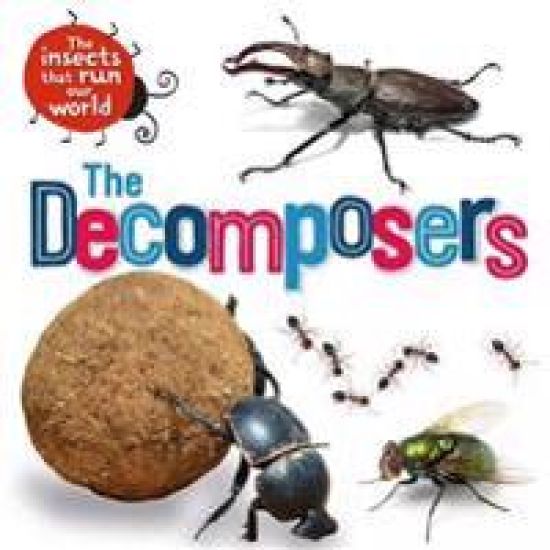
Perfect for young children studying living things and their habitats in their science lessons, or for young minibeast fans, this book explores the importance of insect decomposers such as the beetles that munch on dead trees, breaking them down and returning nutrients to the soil. It also looks at the flies that lay eggs on dead animals or food waste and whose grubs clean up these dead things to recycle their nutrients and clean up the planet. Then there are ants, collecting up crumbs of food to take back to their nests and the dung beetles that deal with - dung. Alongside the simple text, fantastic close-up photographs show the insects at work.The book is part of a series, The Insects that Run Our World, for children aged 6 plus. The titles are: The Pollinators, The Decomposers, The Predators and the Prey and The Helpers and the Pests.The books include information about how insects are threatened by habitat changes and pollution and how we can help them.
The Insects that Run Our World: The Decomposers
Perfect for young children studying living things and their habitats in their science lessons, or for young minibeast fans, this book explores the importance of insect decomposers such as the beetles that munch on dead trees, breaking them down and returning nutrients to the soil. It also looks at the flies that lay eggs on dead animals or food waste and whose grubs clean up these dead things to recycle their nutrients and clean up the planet. Then there are ants, collecting up crumbs of food to take back to their nests and the dung beetles that deal with - dung. Alongside the simple text, fantastic close-up photographs show the insects at work.The book is part of a series, The Insects that Run Our World, for children aged 6 plus. The titles are: The Pollinators, The Decomposers, The Predators and the Prey and The Helpers and the Pests.The books include information about how insects are threatened by habitat changes and pollution and how we can help them.
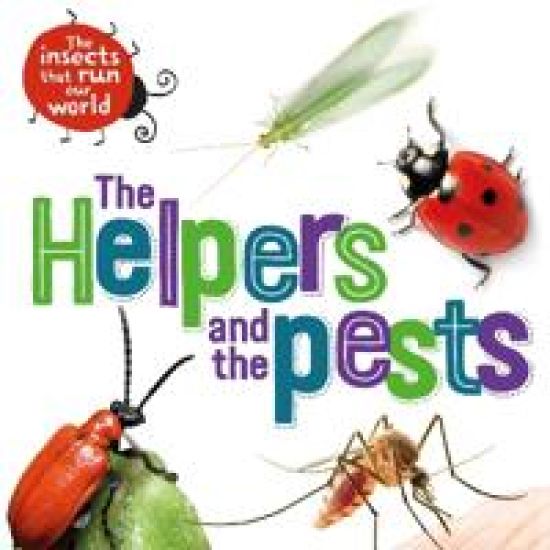
The Insects that Run Our World: The Helpers and the Pests
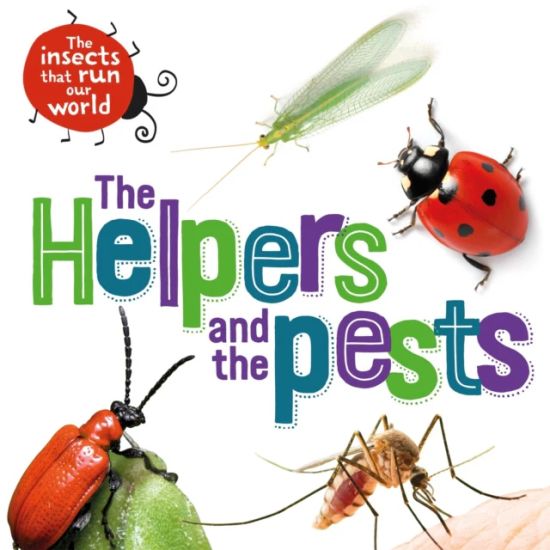
Perfect for young children studying living things and their habitats in their science lessons, or for young minibeast fans, this book explores insect helpers and pests. We need insects to survive - for pollination - and many are essential for pest control. But insects can be trouble, spreading disease or eating crops. Then there are the 'useful' insects - that make silk or shellac, or for dyes and wax. Insect design is also an inspiration to inventors and researchers, such as those inspired by the strength of spider webs to unlock other strong materials, or investigate how mealworms are able to eat plastic. Alongside the simple text, fantastic close-up photographs show the insects at work.The book is part of a series, The Insects that Run Our World, for children aged 6 plus. The titles are: The Pollinators, The Decomposers, The Predators and the Prey and The Helpers and the Pests.The books include information about how insects are threatened by habitat changes and pollution and how we can help them.
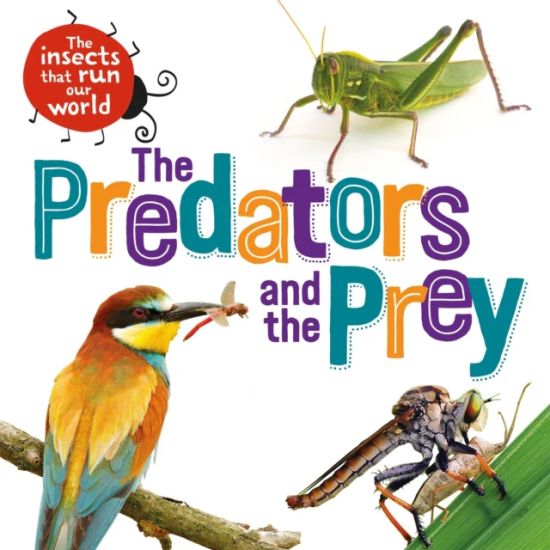
The Insects that Run Our World: The Predators and The Prey
Perfect for young children studying food chains in their science lessons, or for young minibeast fans, this book explores the importance of insects in food chains, from the tiny flies eaten by fish, birds, bats and amphibians, to the larger insects eaten by bigger animals, such as anteaters and badgers. Insects are an indispensible part of countless food chains. Alongside the simple text, fantastic close-up photographs show the insects at work.The book is part of a series, The Insects that Run Our World, for children aged 6 plus. The titles are: The Pollinators, The Decomposers, The Predators and the Prey and The Helpers and the Pests.The books include information about how insects are threatened by habitat changes and pollution and how we can help them.
The Insects that Run Our World: The Predators and The Prey
Perfect for young children studying food chains in their science lessons, or for young minibeast fans, this book explores the importance of insects in food chains, from the tiny flies eaten by fish, birds, bats and amphibians, to the larger insects eaten by bigger animals, such as anteaters and badgers. Insects are an indispensible part of countless food chains. Alongside the simple text, fantastic close-up photographs show the insects at work.The book is part of a series, The Insects that Run Our World, for children aged 6 plus. The titles are: The Pollinators, The Decomposers, The Predators and the Prey and The Helpers and the Pests.The books include information about how insects are threatened by habitat changes and pollution and how we can help them.
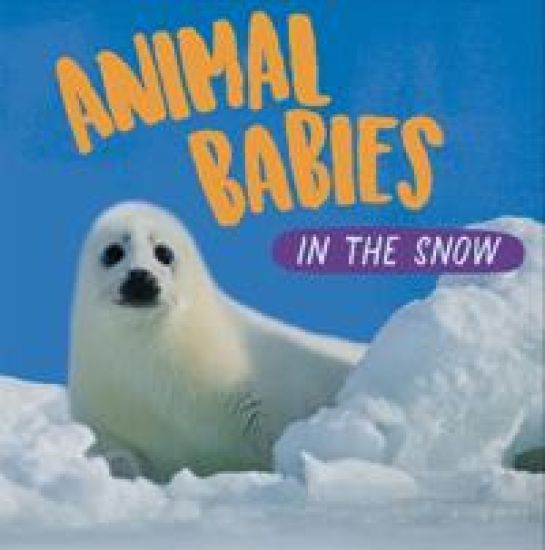
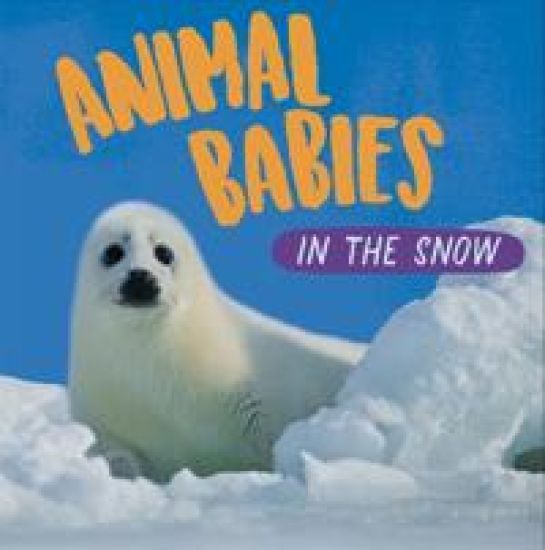
Animal Babies: In the Snow

Animal Babies: In the Snow

Sarah Ridley

Wayland
2021
sidottu
A look at baby animals in a range of habitats, exploring how their parents look after them, and how they learn, grow and thrive.Which baby animals are born in cold, snowy places? What are baby seals called? What sound does a polar bear cub make?This book introduces young children to baby animals in snowy habitats, exploring how their parents look after them, and how they learn, grow and thrive. Clear and friendly text, suitable for children aged 5+, is complemented by beautiful photographs of animal babies in their natural environment.Part of the Animal Babies series looking at baby animals on farms, in the oceans and rainforests, and in snowy habitats.