In 1970s Italy, after the decline of the Spaghetti Western, crime films were the most popular, profitable and controversial genre. The product of a country plagued with violence, political tensions and armed struggle, these films managed to capture and convey the widespread anxiety and anger in their tales of tough cops, ruthless criminals and urban paranoia. Recent years have seen a renewed critical interest in the genre, thanks also to such illustrious fans as Quentin Tarantino. This book includes all the crime films produced in Italy between 1968 and 1980, the period when the genre began and reached its peak. With 220+ entries, it is the most complete English language book on the subject. Films are listed year by year. A complete cast and crew list, home video releases, plot summary and the author's own analysis are given for each film. Excerpts from a variety of sources are included: academic texts, contemporary reviews, and interviews with filmmakers, scriptwriters and actors. There are many on-set stills and film posters.
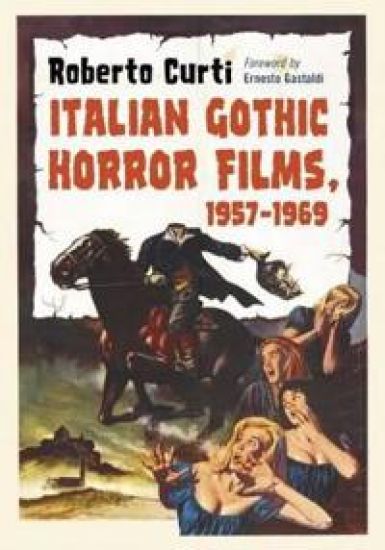
The "Gothic" style was a key trend in Italian cinema of the 1950s and 1960s because of its peculiar, often strikingly original approach to the horror genre. These films portrayed Gothic staples in a stylish and idiosyncratic way, and took a daring approach to the supernatural and to eroticism, with the presence of menacing yet seductive female witches, vampires and ghosts. Thanks to such filmmakers as Mario Bava (Black Sunday), Riccardo Freda (The Horrible Dr. Hichcock), and Antonio Margheriti (Castle of Blood), as well the iconic presence of actress Barbara Steele, Italian Gothic horror went overseas and reached cult status. The book examines the Italian Gothic horror of the period, with an abundance of previously unpublished production information drawn from official papers and original scripts. Entries include a complete cast and crew list, home video releases, plot summary and the author's analysis. Excerpts from interviews with filmmakers, scriptwriters and actors are included. The foreword is by film director and scriptwriter Ernesto Gastaldi.
Are you in touch with the latest CFS information?The Concise Encyclopedia of Chronic Fatigue Syndrome summarizes current knowledge about Chronic Fatigue Syndrome (CFS) to help doctors and those working with CFS patients become familiar with recent developments and lessons learned about this and related fatiguing disorders. The information has been thoughtfully organized so that you will be able to easily access and become familiar with highlights of the most relevant topics.The Concise Encyclopedia of Chronic Fatigue Syndrome will bring you up-to-date on advances in cardiovascular medicine, endocrinology, epidemiology, immunology, infectious diseases, neurology, psychiatry, and psychology which have served as the basis for the formulation of new lines of research and novel therapeutic interventions for CFS. You'll find valuable information on the A-to-Z of CFS in the Concise Encyclopedia of Chronic Fatigue Syndrome, including the relationships between:AIDS and fatigue brain injury and fatigue cancer and fatigue as well as: demographics of CFS interstitial cystitis MAO inhibitors neuropsychology of CFS psychosocial measures stress factors tumor necrosis factors ...and much moreComprehensive and thorough, the Concise Encyclopedia of Chronic Fatigue Syndrome highlights areas that need more research and gives you greater awareness of this widespread and growing problem. This compendium will educate and create greater CFS awareness among healthcare professionals and the general public.
Try cutting-edge treatments tested by international experts!Chronic Fatigue Syndrome: Critical Reviews and Clinical Advances presents the latest research and clinical findings of internationally recognized experts in chronic fatigue syndrome (CFS) and myalgic encephalomyelitis (ME). Edited by the organizer of the Second World Congress on Chronic Fatigue Syndrome and Related Disorders, this work focuses on the exciting research presented there. Starting with a thorough review of new literature, the volume continues with scientific reports of research on these mysterious, devastating illnesses. Chronic Fatigue Syndrome dispels some of the mystery and offers new avenues for research and treatment, as well as specific treatment regimes to combat the chlamydia and rickettsiae infections that sometimes underlie CFS/ME.Discover the latest theories on the etiology, physiology, and treatment of CFS/ME, including:links between CFS/ME and rheumatoid arthritis, Gulf War Illness, and fibromyalgia the disease's effects on neurologic function and the immune system the rhythms of fatigue and wellness caused by the disease human herpes virus 6 infection in patients with CFS/ME case reports on stress and hormones in CFS/ME patients role of rickettsiae and chlamydiae in the psychopathology of chronic fatigue The innovative research in Chronic Fatigue Syndrome: Critical Reviews and Clinical Advances will keep your knowledge of these disorders current and up-to-date and enable you to offer your CFS/ME patients the best possible care.
Are viruses the key to understanding this mysterious, devastating disease?Chronic fatigue syndrome (CFS) causes great suffering, not least because its etiology is so poorly understood. Treatment of Chronic Fatigue Syndrome in the Antiviral Revolution Era offers proof that viruses may be direct or indirect causes of the disease. Therefore the new antiviral agents, the first fruits of the expanding genomics revolution, may be of use in treating this disorder.In recent years, innovative hypotheses on disease have challenged conventional medical wisdom. New studies give powerful evidence that pathological processes as diverse as atherosclerosis and autoimmune disease may be of viral origin. Treatment of Chronic Fatigue Syndrome in the Antiviral Revolution Era takes these ideas a step further and applies them to CFS, offering fresh possibilities for treating this debilitating disease.This breakthrough book presents the latest research on antiviral agents, including: the scientific rationale for their use in CFS the historical evolution of these drugs results of clinical trials new lines of researchIt also offers updates on specific drugs and treatments, including: Acyclovir, Ampligen, Imunovir (Inosine Pranobex), and 2CVV vaccines against Epstein-Barr virus, influenza, staphylococcus, and stealth virus Interferon-Alpha ginseng and other herb-based antivirals . . . and many more!Treatment of Chronic Fatigue Syndrome in the Antiviral Revolution Era is an essential resource for physicians, researchers, virologists, and patient advocates, as well as for anyone who is trying to obtain the best possible treatment for CFS.
Learn how a patient’s behavior can factor into the prognosis of medically unexplainable illness! The Psychopathology of Functional Somatic Syndromes examines the link between mental illness and physical syndromes that lack organic disease explanations, including chronic fatigue syndrome, fibromyalgia, premenstrual dysphoria, irritable bowel, and Gulf War illness. The author has evaluated the best research work of the past 20 years to determine the association between psychopathology and functional illness, the biological gradient between somatic and psychological symptoms, and the manifestations of dysfunctional coping. The Psychopathology of Functional Somatic Syndromes challenges recent conceptualizations of functional somatic syndromes as brain disorders connected to affective spectrum disorder, serotonin deficiency, cerebral hypoperfusion or abnormal hypothalamic-pituitary-adrenal function and highlights the importance of abnormal illness behavior, sexual victimization, and maladaptive coping for the production and maintenance of these disorders. The Psychopathology of Functional Somatic Syndromes explores observations on the neurobiology and the personality abnormalities of patients made from structured data collected over a period of several years. It describes modern perceptions of functional somatic syndromes and how they have evolved into a tightly knit family of self-standing syndromes with a common core. The book examines the correlation between the burden of psychopathology and the physical features of these illnesses; reviews advances made in the appraisal of the neuroanatomy, neuropsychology, and neurochemistry of functional syndromes; and focuses on the connection between measurable dimensions of personality, coping, and illness behavior and the prognosis of medically unexplainable illnesses. The Psychopathology of Functional Somatic Syndromes examines: psychiatric morbidity brain perfusion post-traumatic stress in Gulf War illness the spectrum of mood disorders the hypothalamatic-pituitary-adrenal axis the sexual victimization of patients and much more! The Psychopathology of Functional Somatic Syndromes is an essential resource for psychiatrists and psychologists working in outpatient practice.
Share the Biblical view of the value of human life!This fascinating first-person account offers an insider's view of what it means to suddenly move from being a healthy, productive member of society to being severely limited. Chronic Fatigue Syndrome, Christianity, and Culture: Between God and an Illness tells the story of the author and his wife, who were both struck down with CFIDS in the midst of their busy lives of service. Because Dr. Rotholz is also a trained anthropologist, he can bring a scholarly perspective to understanding the social, emotional, and cultural impact of this devastating illness. His devout Christianity gives a Biblical context to this discussion.Chronic Fatigue Syndrome, Christianity, and Culture: Between God and an Illness analyzes the secular cultural values that make disability seem like shame. Because our culture exalts worldly status and financial success, many CFIDS sufferers find themselves facing a deep sense of humiliation, worthlessness, and failure when their disease puts their lives on hold. Dr. Rotholz offers a Biblical perspective of human beings as the image-bearers of God. This alternative vision of values is exemplified in the culture of the Bushmen of the Kalahari in Africa, the Bruderhof Christian community in the USA, and the life of a Black woman from the American south.Chronic Fatigue Syndrome, Christianity, and Culture: Between God and an Illness presents a powerfully reasoned, deeply felt analysis of the tug of war between our culture and Biblical standards, including: achievement, status, power, and wealth as the elements of our culture of success the anxiety that lies behind the stress of economic productivity the economic factors that influence our cultural bias against the disabled the Biblical meaning of suffering faithfulness as the Biblical measure of success in lifeThe power of this extraordinary book goes well beyond the CFIDS community and even the community of the disabled. Chronic Fatigue Syndrome, Christianity, and Culture: Between God and an Illness offers a new and meaningful vision of what makes life worth living for anyone, well or ill, young or old. Scholars and practitioners in anthropology, medical sociology, social work, the health professions, pastoral care, and theology will find it a powerful aid to understanding the world of the disabled and treating others with respect. The disabled and those who care for them will call it a blessing.
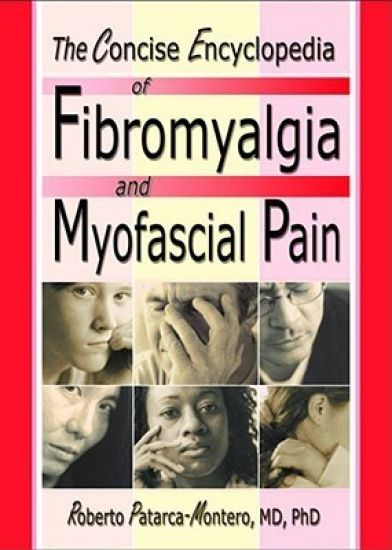
An A-to-Z look at these crippling disorders! Compiled by one of the foremost researchers in the field of immunology, The Concise Encyclopedia of Fibromyalgia and Myofascial Pain is an A-to-Z summary of current knowledge that updates patients and health care professionals on these disabling clinical disorders. This vital information has been organized in an easy-to-use format that lets you become familiar with highlights of the most relevant topics.The Concise Encyclopedia of Fibromyalgia and Myofascial Pain gives you immediate access to the latest advances in rheumatology, cardiovascular medicine, endocrinology, epidemiology, immunology, infectious diseases, neurology, psychiatry, and psychology that form the basis for new lines of research and therapeutic intervention. This comprehensive reference summarizes information published mainly in the last decade, providing a thoughtful and balanced resource that will educate and increase awareness of these often-misdiagnosed disorders. The Concise Encyclopedia of Fibromyalgia and Myofascial Pain allows easy access to: relevant case study findings, summarized to provide the answers you need evidence-based alternative medicine approaches pertinent findings on related disorders an extensive bibliographyComprehensive and thorough, The Concise Encyclopedia of Fibromyalgia and Myofascial Pain gives you the information you’ve been looking for on these painful disorders that affect more than six million Americans. This important book gives health care professionals a greater understanding and awareness of fibromyalgia and myofascial pain and gives patients help at their fingertips.
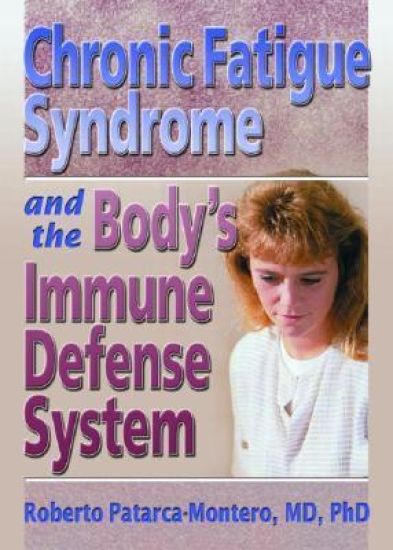
New evidence on the origins and treatment of chronic fatigue syndrome!Written by one of the leading experts in the field, Chronic Fatigue Syndrome and the Body?s Immune Defense System presents vital new information on a crippling disorder that has the biomedical community searching for answers. Current research suggests CFS is associated with immune abnormalities that can potentially account for its origin and development. With at least one-third of tested CFS patients showing evidence of activation of the body?s “immune army,” this book is crucial reading for all patients with CFS and for the healthcare professionals they trust.Chronic Fatigue Syndrome and the Body?s Immune Defense System presents a thorough examination of the connection between immunology and this debilitating disorder. The book is essential as a primer on the human immune system (explaining fundamental terms and concepts), an overview of immunopathology, and a review of therapeutic interventions that are immune-based. It also explores the links between immune, endocrine, and nervous system abnormalities and the need for a combined research approach to understanding the different manifestations of CFS.Chronic Fatigue Syndrome and the Body?s Immune Defense System explains: how infectious viruses, bacteria, and fungi could be direct causes of CFS how therapeutic tools like herbal medicine, vaccines, and cell therapy are being used in CFS research how CFS research applies to related conditions, such as fibromyalgia, Gulf War syndrome, sick building syndrome, and multiple chemical sensitivityWith a consensus diagnostic tool for CFS still lacking, continued, aggressive research is vital to solving the riddle of its origin. Chronic Fatigue Syndrome and the Body?s Immune Defense System represents a significant step forward in the search, giving new hope to patients and new insight to healthcare professionals.
Foreign Direct Investment in Chile addresses all aspects of foreign direct investment in Chile and is very timely since the economy of Chile is growing at a rapid pace. It is considered to be a model in Latin America. In the past few years, foreign investment in Chile has been transformed into a highly significant macroeconomic variable. Indeed, the phenomenon of foreign investment has enticed companies from over sixty countries, representing all the continents. Without a doubt, the impact foreign investment has had on the country's economic development is significant. In December 1994, Chile was formally invited by the United States, Canada and Mexico to join the NAFTA. Negotiations leading to Chile's participation in the NAFTA are expected to begin in the near future. This development will clearly yield many benefits for Chile. First and foremost, this development, acting in concert with the political and economic stability of Chile, will serve as an impetus for more companies, particularly those of American origin, to invest in Chile. This book analyzes the national legal norms of Chile, offering a very useful perspective on the legal regulations of each sector of the economy in general, and on foreign investment in particular.
The idea of fairness lies at the heart of the concept of justice proposed by political philosopher John Rawls, a concept that liberals have often invoked to defend the welfare state. In The Limits of Rawlsian Justice political theorist Roberto Alejandro challenges the assumptions that Rawls set out to defend his position. While other opponents of Rawls have attempted to offer an alternative to his concept of justice as fairness, Alejandro instead examines Rawls from within his own writings, testing Rawls's assumptions on the basis of those assumptions themselves. As a result, Alejandro shows that Rawls's idea of justice as fairness is fraught with inner tensions, exposed to utilitarian dangers, and far from being the coherent model Rawls promised. Alejandro concludes that Rawls's notion of justice-as-fairness preserves the status quo, overlooks the realities of inequalities in today's society, and is inherently conservative. As a theoretical paradigm, it is exhausted. He urges that we acknowledge the limits of Rawlsian justice both as a defense of the welfare state and as the basis of a just society.
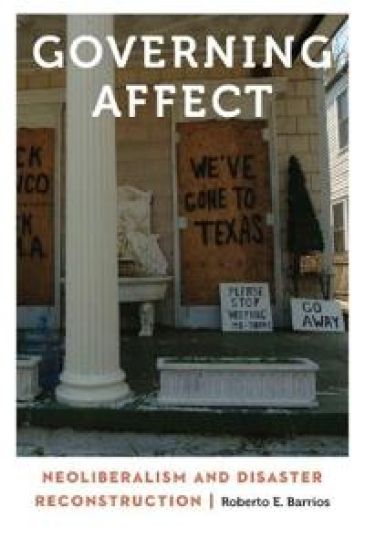
Roberto E. Barrios presents an ethnographic study of the aftermaths of four natural disasters: southern Honduras after Hurricane Mitch; New Orleans following Hurricane Katrina; Chiapas, Mexico, after the Grijalva River landslide; and southern Illinois following the Mississippi River flood. Focusing on the role of affect, Barrios examines the ways in which people who live through disasters use emotions as a means of assessing the relevance of governmentally sanctioned recovery plans, judging the effectiveness of such programs, and reflecting on the risk of living in areas that have been deemed prone to disaster. Emotions such as terror, disgust, or sentimental attachment to place all shape the meanings we assign to disasters as well as our political responses to them. The ethnographic cases in Governing Affect highlight how reconstruction programs, government agencies, and recovery experts often view postdisaster contexts as opportune moments to transform disaster-affected communities through principles and practices of modernist and neoliberal development. Governing Affect brings policy and politics into dialogue with human emotion to provide researchers and practitioners with an analytical toolkit for apprehending and addressing issues of difference, voice, and inequity in the aftermath of catastrophes.
No theme has been more central to international philosophical debates than that of community: from American communitarianism to Habermas's ethic of communication to the French deconstruction of community in the work of Derrida and Nancy. Nevertheless, in none of these cases has the concept been examined from the perspective of community's original etymological meaning: cum munus. In Communitas: The Origin and Destiny of Community, Roberto Esposito does just that through an original counter-history of political philosophy that takes up not only readings of community by Hobbes, Rousseau, Kant, Heidegger and Bataille, but also by Hölderlin, Nietzsche, Canetti, Arendt, and Sartre. The result of his extraordinary conceptual and lexical analysis is a radical overturning of contemporary interpretations of community. Community isn't a property, nor is it a territory to be separated and defended against those who do not belong to it. Rather, it is a void, a debt, a gift to the other that also reminds us of our constitutive alterity with respect to ourselves.
No theme has been more central to international philosophical debates than that of community: from American communitarianism to Habermas's ethic of communication to the French deconstruction of community in the work of Derrida and Nancy. Nevertheless, in none of these cases has the concept been examined from the perspective of community's original etymological meaning: cum munus. In Communitas: The Origin and Destiny of Community, Roberto Esposito does just that through an original counter-history of political philosophy that takes up not only readings of community by Hobbes, Rousseau, Kant, Heidegger and Bataille, but also by Hölderlin, Nietzsche, Canetti, Arendt, and Sartre. The result of his extraordinary conceptual and lexical analysis is a radical overturning of contemporary interpretations of community. Community isn't a property, nor is it a territory to be separated and defended against those who do not belong to it. Rather, it is a void, a debt, a gift to the other that also reminds us of our constitutive alterity with respect to ourselves.