
Kirjahaku
Etsi kirjoja tekijän nimen, kirjan nimen tai ISBN:n perusteella.
1000 tulosta hakusanalla Rudolf Ehwald
Rudolf Steiner Gesamtausgabe 93a . Grundelemente der Esoterik
Steiner Rudolf
Steiner Verlag, Dornach
2014
sidottu

Rudolf Wachter
Hirmer Verlag GmbH
2021
sidottu
Rudolf Steiner im Überblick
BoD - Books on Demand
2025
pokkari
Rudolf Steiner im Überblick
BoD - Books on Demand
2025
pokkari


Rudolf Virchows Beiträge zur deutschen medizinischen Fachsprache unter Berücksichtigung der Terminologie der Pathologischen Anatomie
Stefan Koch
Deutscher Wissenschafts V
2025
pokkari

Die Pforte der Einweihung & Die Prüfung der Seele: Zwei Mysteriendramen von Rudolf Steiner
Rudolf Steiner
e-artnow
2023
nidottu
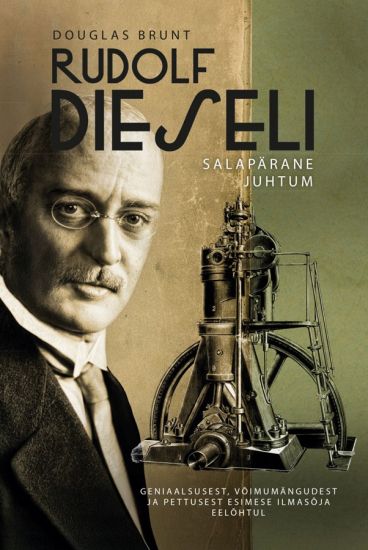
Rudolf Dieseli salapärane juhtum. Geniaalsusest, võimumängudest ja pettusest esimese ilmasõja ee
Douglas Brunt
Helios kirjastus
2025
sidottu
See ilmumise järel kohe New York Timesi menukiks tõusnud "dünaamiline detektiivilugu" (New York Times) käsitleb ühe maailma suurima leiutaja Rudolf Dieseli vapustavat elu ja tema salapärast kadumist esimese ilmasõja eelõhtul. 29. september 1913: aurik Dresden on poolel teel Belgia ja Inglismaa vahel. Laeva pardal viibib üks maailma kuulsamaid mehi, Rudolf Diesel, kelle uus sisepõlemismootor on iga hetk tööstussektoris üleilmset revolutsiooni tekitamas. Kuid oma sihtkohta Diesel ei jõuagi. Ta kaob öösel ja kogu maailma ajalehtedes arutatakse, kas selle põhjuseks oli õnnetus, enesetapp või mõrv. Pärast vaesuses möödunud lapsepõlve kerkis Diesel oma võimsa, kalleid naftapõhiseid vedelkütuseid mittevajava mootoriga multimiljonäri staatusesse. Temast sai rahvusvaheline kuulsus, aga samas ka kahe äärmiselt võimuka mehe - Saksa keisri Wilhelm II ja Standard Oli asutaja, maailma rikkaima inimese John D. Rockefelleri - vaenlane. Keiser tahtis mootorit kasutada oma allveelaevastiku jõuallikana, et viimaks Suurbritannia kuninglikule mereväele kinnas heita. Kuid Diesel soovis, et tema mootor leiaks rakendust inimkonna hüvangu kindlustajana. Nüüd keskendub New York Timesi menukirjanik Douglas Brunt juhtumi avamisele ja tulemuseks on "lõpuni lummav" (Chris Bohjalian, New York Timesi menukirjanik) uus ülevaade Dieseli saatusest. Brunti raamat on "ühevõrra Walter Isaacsoni ja Sherlock Holmesi lugu, mis kergitab paeluvalt esitatud ajaloolises jutustuses eesriiet ühe 20. sajandi suurima saladuse eest" (Jay Winik, New York Timesi menuautor).
Rudolf Otto bestimmt Religion als die Wahrnehmung eines irrationalen „Ganz Anderen", das sich in spezifisch religiösen Gefühlen manifestiert. Christian Kamleiter rekonstruiert, wie Ottos wirkungsgeschichtlich bedeutsame Religionstheorie auf umfangreichen Überlegungen zu den Möglichkeiten und Grenzen der Mitteilung religiöser Gefühle basiert und entfaltet, wie Otto Religion als kommunikatives Geschehen denkt, das sich in Vorgängen intersubjektiver Mitteilung, sowie der Prägung und Aneignung religiöser Kultur ereignet. Er arbeitet die durchdachte Konzeption der Medialität des Religiösen heraus, die sich hinter Ottos Beschreibungen religiöser Kulturphänomene verbirgt und zeigt unter anderem an Ottos bisher unveröffentlichter Vorlesung zur Glaubenslehre auf, dass dessen Theorie religiöser Kommunikation eine produktive Fortschreibung von bei Schleiermacher präfigurierten Denkfiguren darstellt.

Rudolf Schick in Memoriam
De Gruyter
1970
sidottu
Keine ausf hrliche Beschreibung f r "Rudolf Schick in memoriam" verf gbar.
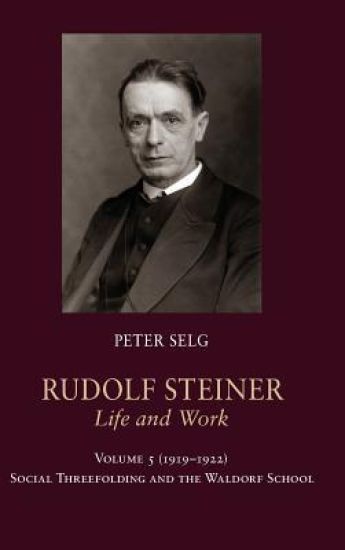
"Try to become one with the world--that will be the best and most important 'program.' It is something that cannot be contained in statutes but needs to burn in our hearts as a flame." --Rudolf Steiner Following the widespread destruction of World War I, Europe in 1918 was faced with political, economic, and social chaos, especially in Germany. In volume 5 of his seven-volume biography of Rudolf Steiner, Peter Selg focuses on the three years following the "Great War" and Steiner's efforts to help restructure society in a way that might avoid a recurrence of such a terrible calamity in the future. He saw the root sociopolitical and spiritual causes of the devastation and sought to change the flawed worldviews and impulses that led to the hubris behind the World War. Rudolf Steiner thus began to concentrate on various means to renew and invigorate society, both through immediate measures--especially in his plan for a "threefold social order"--and through the new form of pedagogy that came to fruition with the Waldorf education movement. Steiner saw that a renewed form of education was necessary to the development of peaceful and healthy social conditions in the future. This education was intended to help children grow into responsible, free, and imaginative adults. This was a time of intense work for Rudolf Steiner, including a full schedule of travel and lectures, reaching out to political leaders, training teachers for the new schools, and working with theologians and ministers toward religious renewal. Rudolf Steiner, Life and Work, Seven Volumes Vol. 1. (1861-1890): Childhood, Youth, and Study Years (ISBN: 9781621480822 Pbk - ISBN: 9781621480839 Hbk) Vol. 2. (1890-1900): Weimar and Berlin (ISBN: 9781621480853 Pbk - ISBN: 9781621480860 Hbk) Vol. 3. (1900-1914): Spiritual Science and Spiritual Community (ISBN: 9781621480884 Pbk - ISBN: 9781621480891 Hbk) Vol. 4. (1914-1918): The Years of World War I (ISBN: 9781621481577 Pbk - ISBN: 9781621481584 Hbk) Vol. 5. (1919-1922): Social Threefolding and the Waldorf School (ISBN: 9781621481935 Pbk - ISBN: 9781621481942 Hbk) Vol. 6. (1923): The Burning of the Goetheanum (ISBN: 9781621482192 Pbk - ISBN: 9781621482208 Hbk) Vol. 7. (1924-1925): The Anthroposophical Society and the School for Spiritual Science (ISBN: 9781621482321 Pbk - ISBN: 9781621482338 Hbk)

Rudolf Otto exerted a major formative influence on the study of religions in the first half of the 20th century. His landmark book, Das Heilige (1917), translated into English as The Idea of the Holy (1923), identified as central to religion the experience of the numinous, a word he coined. That numinous was, in his terms, a mysterium tremendum et fascinans-a fascinating yet terrifying mystery. This influential view set the agenda for most professional scholars of religion until well into the 1960s. It also introduced a set of concepts that has enjoyed wide cultural currency. Still today creative writers and artists occasionally refer to the numinous. This book introduces general readers to Otto's thought in The Idea of the Holy and helps them develop a fuller understanding of it. It presents the problems with which Otto wrestled, among them questions about evolution and religion, the historical development of Christianity, and religion's role in making a better society. It sets Otto's ideas about the numinous in the broader currents of thought to which they belong. It also examines criticisms of Otto's ideas and concludes with an examination of how scholars today approach the topics Otto addressed.
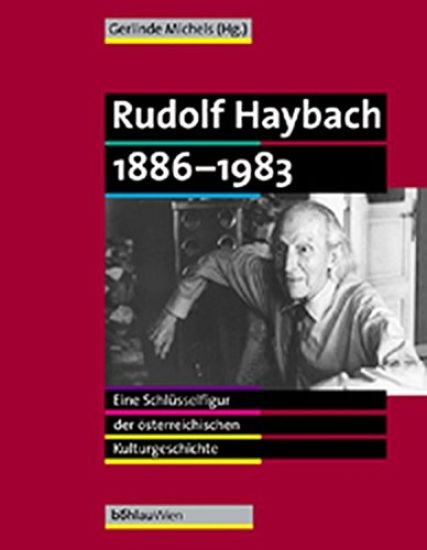
Rudolf Haybach 1886-1983
Bohlau Verlag
2000
sidottu
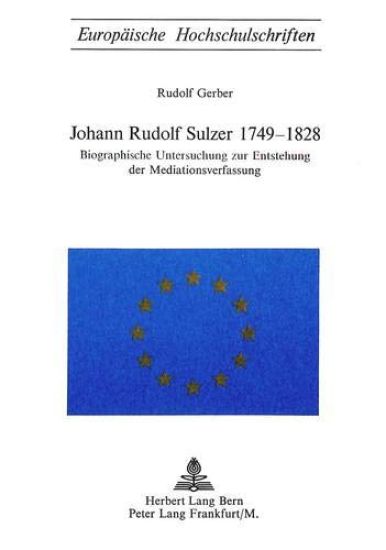
Johann Rudolf Sulzer 1749-1828
Rudolf Gerber
Herbert Cie Lang AG, Buchhandlung Antiquariat
1972
nidottu
Die Vielschichtigkeit der Interessen von J.R. Sulzer, seine unermudliche Tatkraft und seine oft unbequeme Diplomatie berechtigen ihn dazu, der Nachwelt in Erinnerung zu bleiben als Kampfer fur die Rechte Winterthurs in einer fur die Schweizergeschichte entscheidenden Zeit."