Kirjojen hintavertailu. Mukana 12 390 323 kirjaa ja 12 kauppaa.

Kirjahaku

Etsi kirjoja tekijän nimen, kirjan nimen tai ISBN:n perusteella.

1000 tulosta hakusanalla Sade

Evaluation of the Impact of Cryptocurrencies on the Stock Markets

Evaluation of the Impact of Cryptocurrencies on the Stock Markets

Sadegh Rahimi

Lap Lambert Academic Publishing
2025
pokkari
The emergence of cryptocurrencies has profoundly transformed financial markets globally, reshaping the way individuals, institutions, and governments perceive and interact with money, investment, and trade. These digital currencies, driven by blockchain technology, have introduced an alternative to traditional fiat systems, creating new opportunities and challenges. Their impact is not only felt in developed financial markets but also in emerging economies, including Iran, where market dynamics are influenced by both local and international factors. The global stock markets, particularly in the context of the United States, Europe, and Asia, have witnessed a growing integration of cryptocurrencies into investment portfolios, market speculation, and even regulatory frameworks. This book delves into the complex and evolving relationship between cryptocurrencies and stock markets, with a particular focus on their impact on the Iranian stock exchange. By exploring the global perspective and examining the regional case of Iran, we aim to provide insights into the transformative potential and risks that cryptocurrencies pose to financial markets, both locally and worldwide.
Evas hus

Evas hus

Sadeqa Johnson

Gursli Berg
2025
nidottu
«Evas hus» utforsker hva det betyr å være kvinne og mor, og hvor mye en er villig til å ofre for å nå sine høyeste mål. Philadelphia på 1950-tallet: Femten år gamle Ruby Pearsall er på vei til å bli den første i familien til å ta høyere utdanning, men et tabubelagt kjærlighetsforhold risikerer å trekke henne ned i fattigdommen igjen. Eleanor Quarles har på sin side tilsynelatende alt på stell: hun gifter seg inn i en av de viktigste familiene i den svarte eliten i Washington DC. Problemene oppstår når babyen hun og svigerfamilien vil ha, lar vente på seg. Når Ruby og Eleanor møtes på overraskende vis, gjør begge valg som totalt endrer retningen på livene deres. «Amazing ... I was completely surprised by the ending of this beautifully told and written book.» - Reese Witherspoon «A triumph of historical fiction» -The Washington Post
Den blinde ugle

Den blinde ugle

Sadegh Hedayat

OVO press
2023
nidottu
En af de vigtigste og mest kontroversielle iranske romaner fra det 20. århundrede – i en ny oversættelse ved Shadi Angelina Bazeghi.Den blinde ugle er en uafrystelig fortælling om tab og åndeligt forfald, om en ung stofmisbrugers desperation over at miste sin kærlighed. Gennem en række sammenvævede begivenheder, der kredser om de samme mentale billeder og hallucinationer – en gammel mand med en frastødende latter, to magre sorte heste med en tung, tør hoste, og en flaske forgiftet vin – skriver fortælleren som en besat om sin besættelse af en ung, smuk kvinde, skønt det driver ham længere og længere ind i had og voldsfantasier. »Hedayat beskriver vanviddet mere levende end både Kafka og Poe«San Francisco Cronicle »Et ekstraordinært værk«The Times
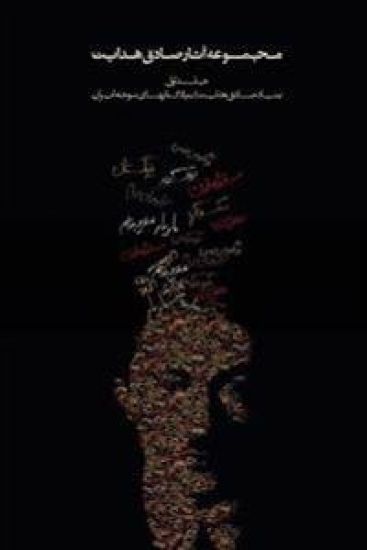
Complete Works

Complete Works

Sadegh Hedayat

Iran Open Publishing Group
2008
pokkari
Published in Farsi language by the „Sadegh Hedayat Foundation" and the renowned „Iranian Burnt Books Foundation", this is the first volume of the revised and according to original manuscripts comparatively updated complete works of Sadegh Hedayat, the renowned Iranian novelist. This volume contains his complete short stories in Farsi language, including the collections, Zende Begur, Se Ghàtre Xun, Sàge Velgàrd, Saye Roushàn, Fàrda, and other stories. Sadegh Hedayat was born on 17 February 1903 in Tehran, at his father's house. His father was Hedayat Gholi Khan-e Hedayat(E'tezad-Ol-Molk),son of Jafar GholiKhan-e Hedayat,his mother was ,Ozra-Zivar-Ol-Moluk Hedayat,daughter of Hossein GholiKhan-e Mokhber-ol-Dole the second. His parent was from the line of Reza GholiKhan; who was one of the famous Iranian writers, poets and historians in 13th century; that was Kamal Khojandi descents. He went to Elmieh Primary school, Tehran in 1909, and after completing his basic education and then started his high school at Darolfonun in 1914. Because of eye trouble, there was a break in his education in 1914, but he continued his education in Saint Louis School at Tehran, where he got familiar with French language and literature in 1917. He completed his secondary education and was sent with the other Iranian students to Belgium for higher education in 1925. At first, he studied in "Gand" Port University, but he declared his dissatisfaction, because of bad weather and his education situation, so he was transferred to Paris to continue his studies. In1928, Sadegh Hedayat, attempted to his first suicide by throwing himself into Marne River in Samoi, but he was rescued by the people in a boat. Finally, in 1930, he returned back to Tehran and in that year he was hired in Bank Melli Iran. In those days "Rabe Group" was formed including Bozorg Alavi, Massud Farzad, Mojtaba Minavi and Sadegh Hedayat.In 1932, he traveled to Isfahan and also started his work at General Department of Commerce. In 1933, he traveled to Shiraz and stayed in his uncle's house (Dr.Kraim Hedayat) for awhile. In 1934, he resigned from General Department of Commerce and commenced his work at Ministry Of Foreign Affairs; he resigned from Ministry Of Foreign Affairs in 1935, and in that year he was summoned by Police Investigation Department and interrogated for the context of the book "Mister Bow Wow". In 1936,he commenced working at General Department of Construction and traveled to India ,he started learning "Pahlavi Language" with an Indian researcher and professor; Bahram Goor Anklesaria. In 1937, he returned back to Tehran, started working in Bank Melli Iran again, he resigned from there again in 1938, and started working at State Music Department and also cooperating with "Music Magazine". In 1940 he commenced his work at Fine Art Faculty of Tehran University as translator, and cooperating with "Sokhan Magazine" in 1943.He went to Tashkent by the invitation of The State University of Middle Asia in Uzbekistan in 1945, and also cooperated with "Payam e Now Magazine". In that year a ceremony for honoring Sadegh Hedayat was held in Iran and Soviet Union Cultural Society, in 1949.He was invited to participate in The World Congress of Peace but he could not attend because of his administrative problems. In 1950, he went to Paris and on April 8 1951, in that city, he committed suicide by gaz.He was 48 years old when got himself free from life pains, his grave was in Pere-la Chaise Cemetery in Paris. He spent all his life in his father's house.
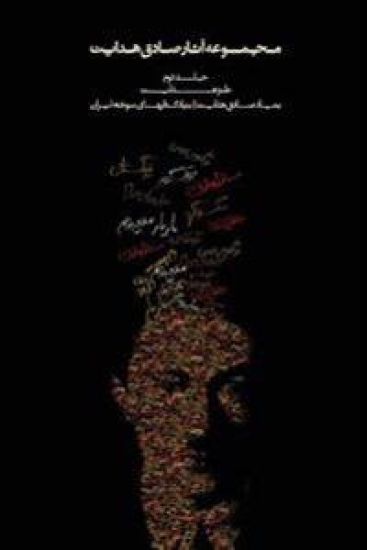
Complete Works

Complete Works

Sadegh Hedayat

Iran Open Publishing Group
2009
pokkari
Published in Farsi language by the „Sadegh Hedayat Foundation" and the renowned „Iranian Burnt Books Foundation", this is the second volume of the revised and according to original manuscripts comparatively updated complete works of Sadegh Hedayat, the renowned Iranian novelist. This volume contains his complete satirical works in Farsi language, including vàgh vàgh sâhab, hâji âghâ, àlàviyeh xânom, and vàlangâri. Sadegh Hedayat was born on 17 February 1903 in Tehran, at his father's house. His father was Hedayat Gholi Khan-e Hedayat (E'tezad-Ol-Molk),son of Jafar GholiKhan-e Hedayat,his mother was ,Ozra-Zivar-Ol-Moluk Hedayat,daughter of Hossein GholiKhan-e Mokhber-ol-Dole the second. His parent was from the line of Reza GholiKhan; who was one of the famous Iranian writers, poets and historians in 13th century; that was Kamal Khojandi descents. He went to Elmieh Primary school, Tehran in 1909, and after completing his basic education and then started his high school at Darolfonun in 1914. Because of eye trouble, there was a break in his education in 1914, but he continued his education in Saint Louis School at Tehran, where he got familiar with French language and literature in 1917. He completed his secondary education and was sent with the other Iranian students to Belgium for higher education in 1925. At first, he studied in "Gand" Port University, but he declared his dissatisfaction, because of bad weather and his education situation, so he was transferred to Paris to continue his studies. In1928, Sadegh Hedayat, attempted to his first suicide by throwing himself into Marne River in Samoi, but he was rescued by the people in a boat. Finally, in 1930, he returned back to Tehran and in that year he was hired in Bank Melli Iran. In those days "Rabe Group" was formed including Bozorg Alavi, Massud Farzad, Mojtaba Minavi and Sadegh Hedayat.In 1932, he traveled to Isfahan and also started his work at General Department of Commerce. In 1933, he traveled to Shiraz and stayed in his uncle's house (Dr.Kraim Hedayat) for awhile. In 1934, he resigned from General Department of Commerce and commenced his work at Ministry Of Foreign Affairs; he resigned from Ministry Of Foreign Affairs in 1935, and in that year he was summoned by Police Investigation Department and interrogated for the context of the book "Mister Bow Wow". In 1936,he commenced working at General Department of Construction and traveled to India ,he started learning "Pahlavi Language" with an Indian researcher and professor; Bahram Goor Anklesaria. In 1937, he returned back to Tehran, started working in Bank Melli Iran again, he resigned from there again in 1938, and started working at State Music Department and also cooperating with "Music Magazine". In 1940 he commenced his work at Fine Art Faculty of Tehran University as translator, and cooperating with "Sokhan Magazine" in 1943.He went to Tashkent by the invitation of The State University of Middle Asia in Uzbekistan in 1945, and also cooperated with "Payam e Now Magazine". In that year a ceremony for honoring Sadegh Hedayat was held in Iran and Soviet Union Cultural Society, in 1949.He was invited to participate in The World Congress of Peace but he could not attend because of his administrative problems. In 1950, he went to Paris and on April 8 1951, in that city, he committed suicide by gaz.He was 48 years old when got himself free from life pains, his grave was in Pere-la Chaise Cemetery in Paris. He spent all his life in his father's house.
Complete Works - Volume III - Studies on the Folklore of Iran

Complete Works - Volume III - Studies on the Folklore of Iran

Sadegh Hedayat

Iran Open Publishing Group
2009
pokkari
Published in Farsi language by the „Sadegh Hedayat Foundation" and the renowned „Iranian Burnt Books Foundation", this is the third volume of the revised and according to original manuscripts comparatively updated complete works of Sadegh Hedayat, the renowned Iranian novelist. This volume contains his complete Studies on the Folklore of Iran in Farsi language, including neyràngestân, usâneh, tàrânehâye 'âmiyâneh, màtàlhâyeh fârsi, folklor yâ fàrhànge tudeh, tàrhe kolli bàrâye kâvoshe fàrhànge yek màntàgheh, shivehye novin dàr tàhghighe àdàbi, dàr pirâmune loghàte fàràse àsàdi, shivehâye novin dàr she're farsi, chànd nokteh dàr bârehye veys-o-râmin, dàr bârehye irân va zàbâne fârsi as well as the essay La Magie en Perse in French language. Sadegh Hedayat was born on 17 February 1903 in Tehran, at his father's house. His father was Hedayat Gholi Khan-e Hedayat (E'tezad-Ol-Molk),son of Jafar GholiKhan-e Hedayat,his mother was ,Ozra-Zivar-Ol-Moluk Hedayat,daughter of Hossein GholiKhan-e Mokhber-ol-Dole the second. His parent was from the line of Reza GholiKhan; who was one of the famous Iranian writers, poets and historians in 13th century; that was Kamal Khojandi descents. He went to Elmieh Primary school, Tehran in 1909, and after completing his basic education and then started his high school at Darolfonun in 1914. Because of eye trouble, there was a break in his education in 1914, but he continued his education in Saint Louis School at Tehran, where he got familiar with French language and literature in 1917. He completed his secondary education and was sent with the other Iranian students to Belgium for higher education in 1925. At first, he studied in "Gand" Port University, but he declared his dissatisfaction, because of bad weather and his education situation, so he was transferred to Paris to continue his studies. In1928, Sadegh Hedayat, attempted to his first suicide by throwing himself into Marne River in Samoi, but he was rescued by the people in a boat. Finally, in 1930, he returned back to Tehran and in that year he was hired in Bank Melli Iran. In those days "Rabe Group" was formed including Bozorg Alavi, Massud Farzad, Mojtaba Minavi and Sadegh Hedayat.In 1932, he traveled to Isfahan and also started his work at General Department of Commerce. In 1933, he traveled to Shiraz and stayed in his uncle's house (Dr.Kraim Hedayat) for awhile. In 1934, he resigned from General Department of Commerce and commenced his work at Ministry Of Foreign Affairs; he resigned from Ministry Of Foreign Affairs in 1935, and in that year he was summoned by Police Investigation Department and interrogated for the context of the book "Mister Bow Wow". In 1936,he commenced working at General Department of Construction and traveled to India ,he started learning "Pahlavi Language" with an Indian researcher and professor; Bahram Goor Anklesaria. In 1937, he returned back to Tehran, started working in Bank Melli Iran again, he resigned from there again in 1938, and started working at State Music Department and also cooperating with "Music Magazine". In 1940 he commenced his work at Fine Art Faculty of Tehran University as translator, and cooperating with "Sokhan Magazine" in 1943.He went to Tashkent by the invitation of The State University of Middle Asia in Uzbekistan in 1945, and also cooperated with "Payam e Now Magazine". In that year a ceremony for honoring Sadegh Hedayat was held in Iran and Soviet Union Cultural Society, in 1949.He was invited to participate in The World Congress of Peace but he could not attend because of his administrative problems. In 1950, he went to Paris and on April 8 1951, in that city, he committed suicide by gaz.He was 48 years old when got himself free from life pains, his grave was in Pere-la Chaise Cemetery in Paris. He spent all his life in his father's house.
Complete Works - Volume IV - Bufe Kur (the Blind Owl)

Complete Works - Volume IV - Bufe Kur (the Blind Owl)

Sadegh Hedayat

Iran Open Publishing Group
2010
pokkari
Published in Farsi language by the „Sadegh Hedayat Foundation" and the renowned „Iranian Burnt Books Foundation", this is the fourth volume of the revised and according to original manuscripts comparatively updated complete works of Sadegh Hedayat, the renowned Iranian novelist. This volume contains his most prominent novel "bufe kur" (the blind owl) published for the first time in its original (non-censored) version. The volume furthermore includes the original handwritten manuscript (facsimile) of the novel as well as a collection of critics by prominent international writers. The volume closes with the so called "poetics of bufe kur". Sadegh Hedayat was born on 17 February 1903 in Tehran, at his father's house. His father was Hedayat Gholi Khan-e Hedayat(E'tezad-Ol-Molk),son of Jafar GholiKhan-e Hedayat,his mother was ,Ozra-Zivar-Ol-Moluk Hedayat,daughter of Hossein GholiKhan-e Mokhber-ol-Dole the second. His parent was from the line of Reza GholiKhan; who was one of the famous Iranian writers, poets and historians in 13th century; that was Kamal Khojandi descents. He went to Elmieh Primary school, Tehran in 1909, and after completing his basic education and then started his high school at Darolfonun in 1914. Because of eye trouble, there was a break in his education in 1914, but he continued his education in Saint Louis School at Tehran, where he got familiar with French language and literature in 1917. He completed his secondary education and was sent with the other Iranian students to Belgium for higher education in 1925. At first, he studied in "Gand" Port University, but he declared his dissatisfaction, because of bad weather and his education situation, so he was transferred to Paris to continue his studies. In1928, Sadegh Hedayat, attempted to his first suicide by throwing himself into Marne River in Samoi, but he was rescued by the people in a boat. Finally, in 1930, he returned back to Tehran and in that year he was hired in Bank Melli Iran. In those days "Rabe Group" was formed including Bozorg Alavi, Massud Farzad, Mojtaba Minavi and Sadegh Hedayat.In 1932, he traveled to Isfahan and also started his work at General Department of Commerce. In 1933, he traveled to Shiraz and stayed in his uncle's house (Dr.Kraim Hedayat) for awhile. In 1934, he resigned from General Department of Commerce and commenced his work at Ministry Of Foreign Affairs; he resigned from Ministry Of Foreign Affairs in 1935, and in that year he was summoned by Police Investigation Department and interrogated for the context of the book "Mister Bow Wow". In 1936,he commenced working at General Department of Construction and traveled to India ,he started learning "Pahlavi Language" with an Indian researcher and professor; Bahram Goor Anklesaria. In 1937, he returned back to Tehran, started working in Bank Melli Iran again, he resigned from there again in 1938, and started working at State Music Department and also cooperating with "Music Magazine". In 1940 he commenced his work at Fine Art Faculty of Tehran University as translator, and cooperating with "Sokhan Magazine" in 1943.He went to Tashkent by the invitation of The State University of Middle Asia in Uzbekistan in 1945, and also cooperated with "Payam e Now Magazine". In that year a ceremony for honoring Sadegh Hedayat was held in Iran and Soviet Union Cultural Society, in 1949.He was invited to participate in The World Congress of Peace but he could not attend because of his administrative problems. In 1950, he went to Paris and on April 8 1951, in that city, he committed suicide by gaz.He was 48 years old when got himself free from life pains, his grave was in Pere-la Chaise Cemetery in Paris. He spent all his life in his father's house.

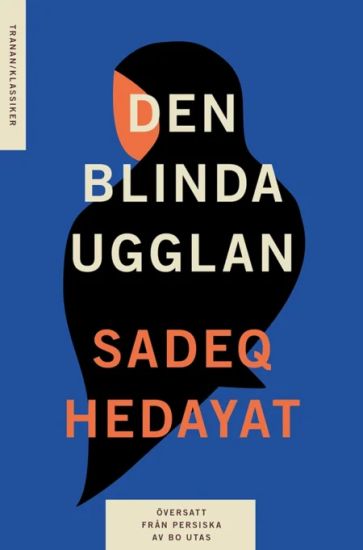
Den blinda ugglan

Den blinda ugglan

Sadeq Hedayat

Bokförlaget Tranan
2025
nidottu
I ett samtal med sin egen skugga breder den opiumrusige huvud­personen i Sadeq Hedayats klassiker Den blinda ugglan ut sig om sin förtvivlan över att ha förlorat en älskarinna. Det är en febrig och mörk berättelse som utforskar de djupaste skikten av mänsklig ensamhet, utanförskap och själsliga plågor. Genom att blanda influenser från Kafka och Poe med persisk folkloristik skapade Hedayat en roman som fortfarande hålls som ett av de stora surrealistiska mästerverken och ständigt kommer ut i nya utgåvor världen över. Ursprungligen gavs den ut 1937 i Bombay, i en anspråkslös upplaga på 130 exemplar. Den blinda ugglan kan läsas som en skräckhistoria, som en surrealistisk mardrömsskildring eller som ett långt opiumrus. Till vår nyutgåva har författaren Jan Henrik Swahn skrivit ett nytt förord. SADEQ HEDAYAT, född 17 februari 1903 i Teheran, Iran, och död 1951 i Paris, är en av Irans mest betydelsefulla författare och räknas som landets första litterära modernist. Hans verk präglas av en mörk livsåskådning och en fascination för persisk och indisk folklore. Hedayat översatte även verk av Sartre, Tjechov och Kafka till persiska, vilket påverkade hans eget författarskap. BO UTAS är en svensk iranist och professor emeritus i iranska språk vid Uppsala universitet. Han översatte romanen redan 1963, men har senare reviderat sin översättning.
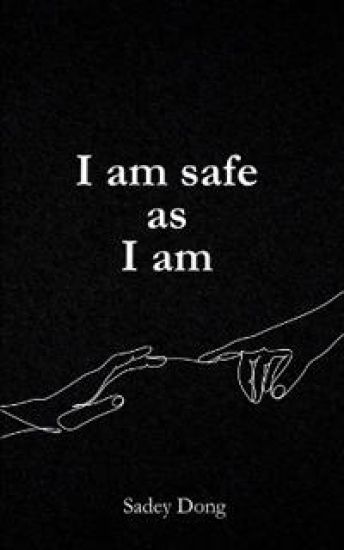
I am safe as I am

I am safe as I am

Sadey Dong

Libresco Feeds Private Limited
2023
nidottu
""This book is made up of a series of poems written when the poet is nineteen to twenty years old. It can be seen as a grand experiment to develop her voice as a poet, or a monument to mark having come this far. The poems included in this book explore common themes such as coming of age, family, the pandemic in the Chinese context, identity, etc. The voice of the speaker varies from time to time: beautiful but heartbreaking when writing about her mother; rational yet indignant when responding to events led by the pandemic; cold but critical when reflecting upon more general phenomenons.""