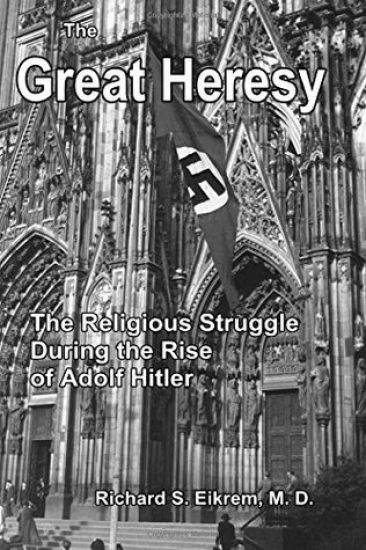
One of the most persistent and puzzling questions facing modern historians has been why the Christian church in Germany appeared to cooperate so enthusiastically with the Nazi regime from 1933-45. Explanations vary from outright condemnation to na ve defensiveness. The Great Heresy offers a more nuanced understanding by situating the German church within its own history, theology, and cultural context. What emerges is a complex but compelling picture of both failure and heroism, of how the church was weakened by its own theology, exploited by cultural and political forces, and yet attempted to regain its integrity even under the most trying circumstances. The Great Heresy documents both the positive and negative roles that religion plays in public life, a story that needs to be heard by every generation.
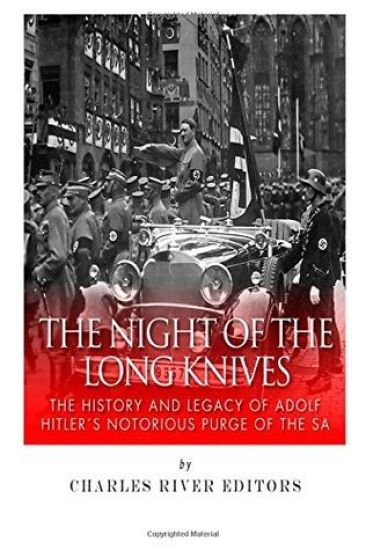
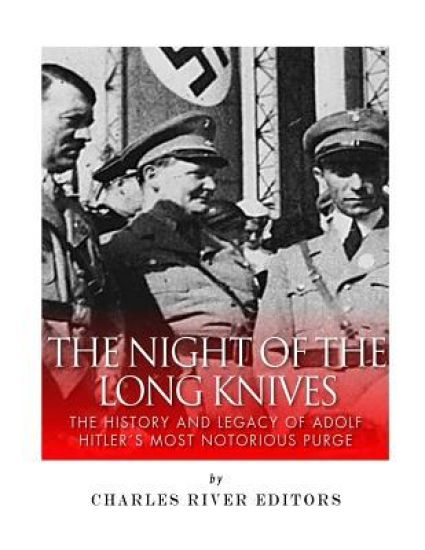
*Includes pictures *Explains Hitler's rise to power and the roles played by the SA and other paramilitary groups like the SS *Includes eyewitness accounts of the purge *Includes a bibliography for further reading *Includes a table of contents Germany's Nazi Party was remarkably implacable in the hostility it showed to the outside world, staunchly opposing both Communism and liberal democracy from the moment of its inception to that of its violent dissolution. The Nazis likewise showed steely, unwavering resolve in their lethal hatred of the Jews, the Slavs, and many others whom they labeled as "untermenschen," subhumans unworthy of rights, cultural standing, or life itself. They pursued their dark vision of "Aryan" superiority with a terrifying clarity and zeal, and they were willing to incur the enmity of the entire world in the process. At the same time, despite this fanatic dedication to their overall vision, the Nazis had their own share of factional strife, and perhaps not surprisingly, the internecine struggle often led to violence, executions, and assassinations, byproducts of a totalitarian environment in which power appeared in its most undisguised and aggressive form. The firing squad, the bomb, the torture chamber, the extermination camp, the crematorium, and the noose of piano wire took the place of debate and persuasion in Hitler's Germany. Like other totalitarian regimes, the leader of the Nazis kept an iron grip on power in part by making sure nobody else could attain too much of it, leading to purges of high-ranking officials in the Nazi party. Of these purges, the most notorious was the Night of the Long Knives, a purge in the summer of 1934 that came about when Hitler ordered the surprise executions of several dozen leaders of the SA. This fanatically National Socialist paramilitary organization had been a key instrument in overthrowing democratic government in Germany and raising Hitler to dictatorial power in the first place. However, the SA was an arm of the Nazi phenomenon which had socialist leanings and which was the private army of Ernst R hm, which was enough for Hitler to consider the organization dangerous. R hm was a challenger to the Fuhrer's position with his mushrooming SA ranks, which were more loyal to him than to the nominal head of Nazi Germany. Though the SA as a whole survived Hitler's purge, its star was eclipsed by the rise of the newly favored Schutzstaffel (SS), which was instrumental in implementing the Night of the Long Knives. Additionally, the SA's senior leadership was decimated, leading to a loss of cohesion and focus. Even its overall commander, Ernst R hm, fell victim to Hitler's violence, and Hitler himself later spoke words which summed up the calculated ruthlessness he used to deal with his enemies, both domestic and foreign: "The victor will not be asked afterwards whether he told the truth or not. When starting and waging war it is not right that matters, but victory. Close your hearts to pity. Act brutally." Several other factions were also involved. The German Army, or Reichswehr, was theoretically limited to a total of 100,000 men by the treaties ending World War I, but the German military was one of the major keys to power. R hm dreamed of subsuming it totally into the SA, a nightmare from the point of view of the highly conservative and aristocratic officer corps. A man who championed the cause of the Reichswehr and kept it free of subordination to the SA could likely win its loyalty for years to come regardless of his own political and cultural agenda, which Hitler managed to accomplish with the purge. The Night of the Long Knives chronicles the history of the Nazis' most notorious purge. Along with pictures of important people, places, and events, you will learn about the Night of the Long Knives like never before, in no time at all.
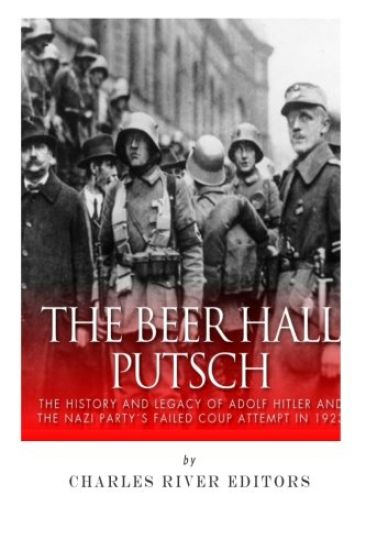
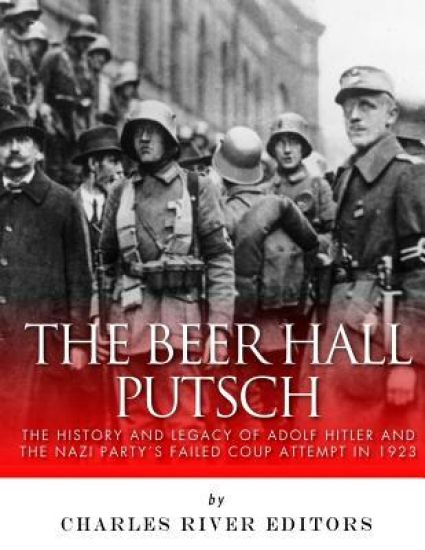
*Includes pictures *Details Hitler's rise to the head of the Nazi party before the putsch *Explains how the putsch transpired and failed *Includes a bibliography for further reading *Includes a table of contents "You can see that what motivates us is neither self-conceit or self-interest, but only a burning desire to join the battle in this grave eleventh hour for our German Fatherland ... One last thing I can tell you. Either the German revolution begins tonight or we will all be dead by dawn " - Hitler "I cannot remember in my entire life such a change in the attitude of a crowd in a few minutes, almost a few seconds ... Hitler had turned them inside out, as one turns a glove inside out, with a few sentences. It had almost something of hocus-pocus, or magic about it." - Dr. Karl Alexander von Mueller It is often claimed that Adolf Hitler rose to power in Germany through democratic means, and while that is a stretch, it is true that he managed to become an absolute dictator as Chancellor of Germany in the 1930s through a mixture of politics and intimidation. Ironically, he had set such a course only because of the failure of an outright coup attempt known as the Beer Hall Putsch about a decade earlier. At the close of World War I, Hitler was an impoverished young artist who scrapped by through selling souvenir paintings, but within a few years, his powerful oratory brought him to the forefront of the Nazi party in Munich and helped make the party much more popular. A smattering of followers in the hundreds quickly became a party of thousands, with paramilitary forces like the SA backing them, and at the head of it all was a man whose fiery orations denounced Jews, communists and other "traitors" for bringing upon the German nation the Treaty of Versailles, which had led to hyperinflation and a wrecked economy. During the first few years of the decade, the government in Munich had actually supported the fledgling Nazi party as a counterweight against the communists, which had attempted a coup years earlier, but it would nearly come back to haunt the authorities on November 8, 1923, when Hitler and his forces attempted to start a revolution and take over the city. Backed by men like Rudolf Hess, Hermann Goering, and Ernst R hm, Hitler and the Nazis came perilously close to succeeding, and they may have been undone only because of the SA's refusal to initiate violence against German police and Army members. By the following day, the police and Army put down the putsch, which climaxed with a short firefight in which the man standing next to Hitler was killed by a shot through the lungs, a bullet that came close to striking the future Fuhrer in the torso. However, despite being the instigator and being arrested in its aftermath as a traitor, the political atmosphere not only saved Hitler from a potential death sentence but practically made him a sympathetic figure. He would end up serving less than a year in prison (during which he dictated Mein Kampf to Hess), and as soon as he was released he went back to working with the Nazis, now convinced that the path to power lay through peaceful means. The Beer Hall Putsch chronicles the history of the Nazis' failed coup attempt. Along with pictures of important people, places, and events, you will learn about the Beer Hall Putsch like never before, in no time at all.
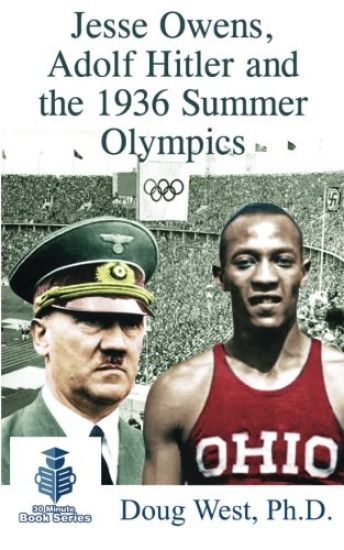
Both Jesse Owens and Adolf Hitler grew up in poverty, and each of the two men struggled to find their footing later in life. Owens represented the United States in the 1936 Olympics, after which he found it difficult to sustain a well-paying job. In turn, Adolf Hitler moved to Vienna as a teenager, following his parents' death, but he never found the financial success he so desperately craved as an artist. He spent most of his time in the city a penniless, unemployed young man.The similarities between the two men end there. While Adolf Hitler became angered and enraged by his circumstances, and by the fate of Germany following the First World War, Jesse Owens went out of his way to help people. Even when he faced the cruelty of racism in the United States, Owens saw the best in others. He spent most of his days working with children and teenagers, making a conscious effort to give them the guidance and support they needed to enact positive change in the world. In contrast, Hitler turned to hatred, divisiveness, and conflict in his attempts to change the world in his image.Owens was an open-minded man who spent his life bettering the lives of his family and the community at large. Even when others asked him to denounce the racist tendencies of Adolf Hitler, he chose to grudgingly respect the German leader. Meanwhile, Hitler's experiences only fuelled his hatred of anyone who was not Aryan and German.In this book, we will explore the lives of both men leading up to the 1936 Berlin Olympics. Then, we will take a closer look at the effects of that summer on the rest of their years.30 Minute Book SeriesWelcome to the ninth book in the 30-Minute Book Series. Each book in the series is fast-paced, well-written and accurate, covering the story in as much detail as a short book allows. In less than an hour, you can read or listen to the full book. The text is a perfect companion for your lunch hour, or perhaps a nice distraction on your train ride home from work.About the AuthorDoug West is a retired engineer, small business owner, and an experienced non-fiction writer with several books to his credit. His writing interests are general, with special expertise in science, biographies, and "How-To" topics. Doug has a Ph.D. in General Engineering from Oklahoma State University.
*Includes pictures *Explains Hitler's rise to power and the roles played by the SA and other paramilitary groups like the SS *Includes eyewitness accounts of the purge *Includes a bibliography for further reading *Includes a table of contents Germany's Nazi Party was remarkably implacable in the hostility it showed to the outside world, staunchly opposing both Communism and liberal democracy from the moment of its inception to that of its violent dissolution. The Nazis likewise showed steely, unwavering resolve in their lethal hatred of the Jews, the Slavs, and many others whom they labeled as "untermenschen," subhumans unworthy of rights, cultural standing, or life itself. They pursued their dark vision of "Aryan" superiority with a terrifying clarity and zeal, and they were willing to incur the enmity of the entire world in the process. At the same time, despite this fanatic dedication to their overall vision, the Nazis had their own share of factional strife, and perhaps not surprisingly, the internecine struggle often led to violence, executions, and assassinations, byproducts of a totalitarian environment in which power appeared in its most undisguised and aggressive form. The firing squad, the bomb, the torture chamber, the extermination camp, the crematorium, and the noose of piano wire took the place of debate and persuasion in Hitler's Germany. Like other totalitarian regimes, the leader of the Nazis kept an iron grip on power in part by making sure nobody else could attain too much of it, leading to purges of high-ranking officials in the Nazi party. Of these purges, the most notorious was the Night of the Long Knives, a purge in the summer of 1934 that came about when Hitler ordered the surprise executions of several dozen leaders of the SA. This fanatically National Socialist paramilitary organization had been a key instrument in overthrowing democratic government in Germany and raising Hitler to dictatorial power in the first place. However, the SA was an arm of the Nazi phenomenon which had socialist leanings and which was the private army of Ernst R hm, which was enough for Hitler to consider the organization dangerous. R hm was a challenger to the Fuhrer's position with his mushrooming SA ranks, which were more loyal to him than to the nominal head of Nazi Germany. Though the SA as a whole survived Hitler's purge, its star was eclipsed by the rise of the newly favored Schutzstaffel (SS), which was instrumental in implementing the Night of the Long Knives. Additionally, the SA's senior leadership was decimated, leading to a loss of cohesion and focus. Even its overall commander, Ernst R hm, fell victim to Hitler's violence, and Hitler himself later spoke words which summed up the calculated ruthlessness he used to deal with his enemies, both domestic and foreign: "The victor will not be asked afterwards whether he told the truth or not. When starting and waging war it is not right that matters, but victory. Close your hearts to pity. Act brutally." Several other factions were also involved. The German Army, or Reichswehr, was theoretically limited to a total of 100,000 men by the treaties ending World War I, but the German military was one of the major keys to power. R hm dreamed of subsuming it totally into the SA, a nightmare from the point of view of the highly conservative and aristocratic officer corps. A man who championed the cause of the Reichswehr and kept it free of subordination to the SA could likely win its loyalty for years to come regardless of his own political and cultural agenda, which Hitler managed to accomplish with the purge. The Night of the Long Knives chronicles the history of the Nazis' most notorious purge. Along with pictures of important people, places, and events, you will learn about the Night of the Long Knives like never before, in no time at all.
*Includes pictures *Details Hitler's rise to the head of the Nazi party before the putsch *Explains how the putsch transpired and failed *Includes a bibliography for further reading *Includes a table of contents "You can see that what motivates us is neither self-conceit or self-interest, but only a burning desire to join the battle in this grave eleventh hour for our German Fatherland ... One last thing I can tell you. Either the German revolution begins tonight or we will all be dead by dawn " - Hitler "I cannot remember in my entire life such a change in the attitude of a crowd in a few minutes, almost a few seconds ... Hitler had turned them inside out, as one turns a glove inside out, with a few sentences. It had almost something of hocus-pocus, or magic about it." - Dr. Karl Alexander von Mueller It is often claimed that Adolf Hitler rose to power in Germany through democratic means, and while that is a stretch, it is true that he managed to become an absolute dictator as Chancellor of Germany in the 1930s through a mixture of politics and intimidation. Ironically, he had set such a course only because of the failure of an outright coup attempt known as the Beer Hall Putsch about a decade earlier. At the close of World War I, Hitler was an impoverished young artist who scrapped by through selling souvenir paintings, but within a few years, his powerful oratory brought him to the forefront of the Nazi party in Munich and helped make the party much more popular. A smattering of followers in the hundreds quickly became a party of thousands, with paramilitary forces like the SA backing them, and at the head of it all was a man whose fiery orations denounced Jews, communists and other "traitors" for bringing upon the German nation the Treaty of Versailles, which had led to hyperinflation and a wrecked economy. During the first few years of the decade, the government in Munich had actually supported the fledgling Nazi party as a counterweight against the communists, which had attempted a coup years earlier, but it would nearly come back to haunt the authorities on November 8, 1923, when Hitler and his forces attempted to start a revolution and take over the city. Backed by men like Rudolf Hess, Hermann Goering, and Ernst R hm, Hitler and the Nazis came perilously close to succeeding, and they may have been undone only because of the SA's refusal to initiate violence against German police and Army members. By the following day, the police and Army put down the putsch, which climaxed with a short firefight in which the man standing next to Hitler was killed by a shot through the lungs, a bullet that came close to striking the future Fuhrer in the torso. However, despite being the instigator and being arrested in its aftermath as a traitor, the political atmosphere not only saved Hitler from a potential death sentence but practically made him a sympathetic figure. He would end up serving less than a year in prison (during which he dictated Mein Kampf to Hess), and as soon as he was released he went back to working with the Nazis, now convinced that the path to power lay through peaceful means. The Beer Hall Putsch chronicles the history of the Nazis' failed coup attempt. Along with pictures of important people, places, and events, you will learn about the Beer Hall Putsch like never before, in no time at all.
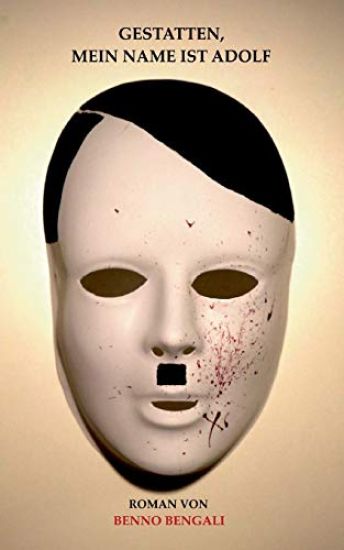
Wer h tte nach einem gescheiterten Leben nicht gerne eine zweite Chance verdient? Doch was, wenn ER eine zweite Chance bek me? Ein zweites Leben, einen zweiten Kampf? Wir schreiben das Jahr 2020. Der F hrer erwacht ausgerechnet vor der Roten Flora in Hamburg in einer ihm fremden Welt. berzeugt, dass es sich bei seinem Wiederauferstehen nur um eine g ttliche F gung handeln k nne, macht er sich auf, den Lauf der Geschichte erneut in seinen Grundfesten zu ersch ttern. Ob ihm eine Handvoll Reichsb rger dabei helfen kann? Begleiten Sie Adolf Hitler auf einer blutigen Reise durch die Republik und f hlen Sie den b sen Geist einer dunklen Zeit, der erneut nach einer Schicksalswende strebt, die direkt in die Katastrophe f hrt. Eine bittere Satire als Mahnung gegen Hass und Rassismus.

![Dzieje Anglii, etc. [Translated under the direction of Adolf Pawin´ski.]](/covers/9781249023180.jpg)