Kirjojen hintavertailu. Mukana 11 699 587 kirjaa ja 12 kauppaa.

Kirjahaku

Etsi kirjoja tekijän nimen, kirjan nimen tai ISBN:n perusteella.

673 tulosta hakusanalla Lucretius

Learn, Laugh, Pray: An Experience in Proverbs for Families: Black and White Version

Learn, Laugh, Pray: An Experience in Proverbs for Families: Black and White Version

Reagan Poskevich; Lucretia Mobbs

Createspace Independent Publishing Platform
2018
nidottu
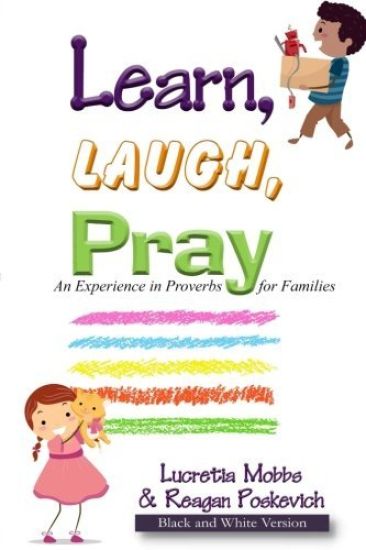
Interactive intergenerational Bible study the children and adults will love Intergenerational Bible study is an ancient and effective method of teaching the truths of the faith. In this context facts, convictions, and personal stories can be shared and cherished. "Learn, Laugh, and Pray" will be a transformational tool for your family by renewing relationships as you engage biblical wisdom together. Roger D. Luther, M.A., M.R.E, D.Min. Pastor of Creekside Fellowship Castalian Springs, Tennessee Learn, Laugh, and Pray is a delightful devotional book for families. It takes verses from the Proverbs and connects them to everyday life through modern day, impactful stories written by Grandmother and Granddaughter. I love the questions at the end of each story. They are thought provoking and provide great opportunity for deep discussion that will help move all, no matter the age, toward a stronger spiritual life. Kristi Pennington Transformational Life Coach Hendersonville, Tennessee What a well-planned devotional guide for families Learn, Laugh, and Pray is a comprehensive way to help children connect with Scripture, apply it to life, and internalize it. All ages will greatly benefit from the unique Bible study approach presented by this grandmother and granddaughter duo. Get ready to create some precious family memories with God at the center. Janet Erwin Missions Mosaic magazine editor Birmingham, Alabama *This book is also available in a full-color version for families who prefer color. Search this title and/or author for the COLOR version.
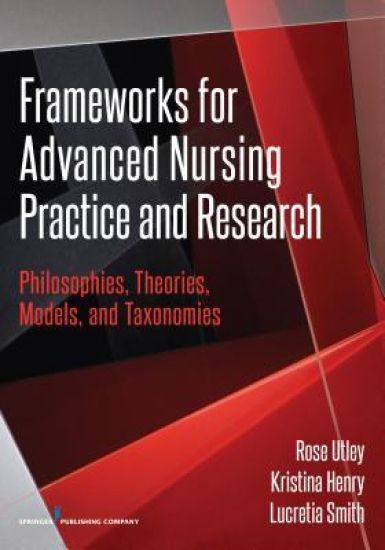
Frameworks for Advanced Nursing Practice and Research

Frameworks for Advanced Nursing Practice and Research

Rose Utley; Kristina Henry; Lucretia Smith

Springer Publishing Co Inc
2017
nidottu
This resource illuminates the daunting task of understanding and applying philosophies, theories, models, and taxonomies in nursing practice and research at the master’s or doctoral level. Distinguished by a unique organizational structure, the text is divided into two broad areas of practice/focus: individuals and families (Part II) and communities, populations, and systems (Part III). The frameworks in each area are organized conceptually into 17 chapters, many of which are interdisciplinary, thus not commonly found in nursing theory texts. This unique organizational structure enables readers to acquire both a broad overview of frameworks useful in nursing practice and research, and to focus on frameworks relevant to specific practice areas and concepts of interest. Frameworks for Advanced Nursing Practice and Research also provides foundational knowledge to enhance the nurse’s understanding and appreciation of frameworks used in practice and research (Part I). Application is woven throughout the text and culminates with chapters devoted to the use/implementation of frameworks for nurse educators, clinicians, leaders, and researchers (Part IV). Learner-focused features of the text include key terms; objectives; application boxes highlighting published studies that have employed selected frameworks, thereby bringing theoretical content into practice; and bulleted summaries to enhance the learning experience. Key Features: Describes a broad spectrum of philosophies, theories, models, and taxonomies underpinning graduate-level nursing roles Uniquely organized by conceptual areas, thereby integrating nursing and non-nursing frameworks Facilitates easy comparison of frameworks within each conceptual area Delivers strategies for using theory and discusses integration of theory, research, and practice Includes application boxes highlighting published studies, as well as objectives, key terms, and bulleted chapter summaries
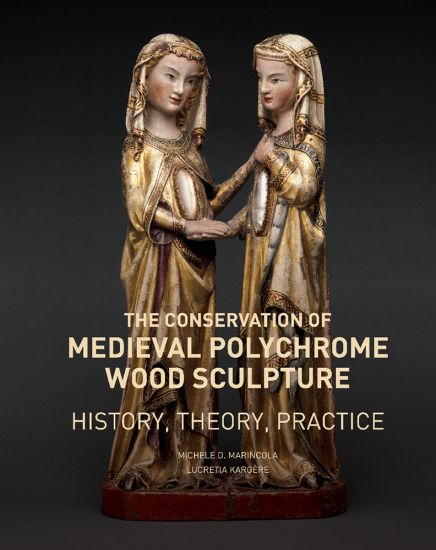
The Conservation of Medieval Polychrome Wood Sculpture - History, Theory, Practice

The Conservation of Medieval Polychrome Wood Sculpture - History, Theory, Practice

Michele D. Marincola; Lucretia Kargere

Getty Publications
2020
nidottu
Medieval polychrome wood sculptures are highly complex objects, bearers of histories that begin with their original carving and adornment and continue through long centuries of repainting, deterioration, restoration, and conservation. Abundantly illustrated, this book is the first in English to offer a comprehensive overview of the conservation of medieval painted wood sculpture for conservators, curators, and others charged with their care. Beginning with an illuminating discussion of the history, techniques, and meanings of these works, it continues with their examination and documentation, including chapters on the identification of both the wooden support and the polychromy itself-the paint layers, metal leaf, and other materials used for these sculptures. The volume also covers the many aspects of treatment: the process of determining the best approach; consolidation and adhesion of paint, ground, and support; overpaint removal and surface cleaning; and compensation. Four case studies on artworks in the collection of The Cloisters in New York, a comprehensive bibliography, and a checklist to aid in documentation complement the text.
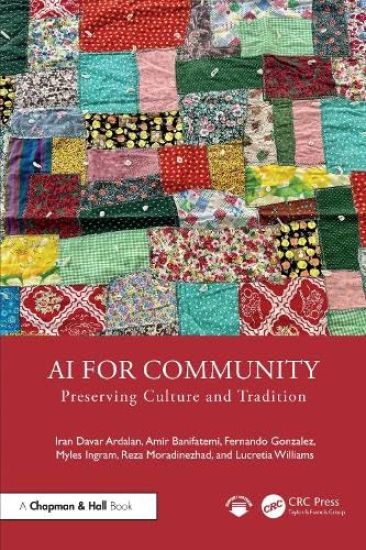
AI for Community

AI for Community

Iran Davar Ardalan; Amir Banifatemi; Fernando Gonzalez; Myles Ingram; Reza Moradinezhad; Lucretia Williams

TAYLOR FRANCIS LTD
2025
nidottu
AI for Community begins with a simple truth: artificial intelligence is now part of the evolution of human life. The question is not whether we use it, but how we shape it. This book explores how AI can preserve cultural heritage, strengthen human agency, and deepen cultural understanding through community-driven design.The concept of Cultural AI was first shared on the global stage at the AI for Good Summit in Geneva in 2019, where technologists and storytellers gathered to imagine a future where machines could learn from ancestral wisdom. From NVIDIA’s collaboration with Te Hiku Media to protect the Maori language to UNESCO’s global initiatives in cultural preservation, the book shows how Cultural AI can serve as a bridge between generations. Authored by a multigenerational, multicultural team, it highlights grounded, human-centered projects shaped by lived experience. These include the Indigenous Knowledge Graph; Howard University’s Project Elevate Black Voices, developed with Google; and Laleh AI, which preserves and extends the knowledge of the late Dr. Laleh Bakhtiar, a pioneering thinker whose work in psychology, spirituality, and translation continues to echo across time.This book interweaves Community Voices sections between chapters, featuring interviews that explore the role and implementation of AI in new arenas. Each chapter is also supported by online resources, accessible as podcasts, videos, and articles that provide multimedia ways to deepen understanding of culturally aware AI.AI for Community highlights how community-driven language preservation, storytelling, and design can empower cultures and protect their heritage. It is a vital resource for those seeking to create AI that respects and uplifts communities.
AI for Community

AI for Community

Iran Davar Ardalan; Amir Banifatemi; Fernando Gonzalez; Myles Ingram; Reza Moradinezhad; Lucretia Williams

TAYLOR FRANCIS LTD
2025
sidottu
AI for Community begins with a simple truth: artificial intelligence is now part of the evolution of human life. The question is not whether we use it, but how we shape it. This book explores how AI can preserve cultural heritage, strengthen human agency, and deepen cultural understanding through community-driven design.The concept of Cultural AI was first shared on the global stage at the AI for Good Summit in Geneva in 2019, where technologists and storytellers gathered to imagine a future where machines could learn from ancestral wisdom. From NVIDIA’s collaboration with Te Hiku Media to protect the Maori language to UNESCO’s global initiatives in cultural preservation, the book shows how Cultural AI can serve as a bridge between generations. Authored by a multigenerational, multicultural team, it highlights grounded, human-centered projects shaped by lived experience. These include the Indigenous Knowledge Graph; Howard University’s Project Elevate Black Voices, developed with Google; and Laleh AI, which preserves and extends the knowledge of the late Dr. Laleh Bakhtiar, a pioneering thinker whose work in psychology, spirituality, and translation continues to echo across time.This book interweaves Community Voices sections between chapters, featuring interviews that explore the role and implementation of AI in new arenas. Each chapter is also supported by online resources, accessible as podcasts, videos, and articles that provide multimedia ways to deepen understanding of culturally aware AI.AI for Community highlights how community-driven language preservation, storytelling, and design can empower cultures and protect their heritage. It is a vital resource for those seeking to create AI that respects and uplifts communities.
No More Theories Please!

No More Theories Please!

L. K. Masao; Lucretia Jackson

Rowman Littlefield Education
2009
sidottu
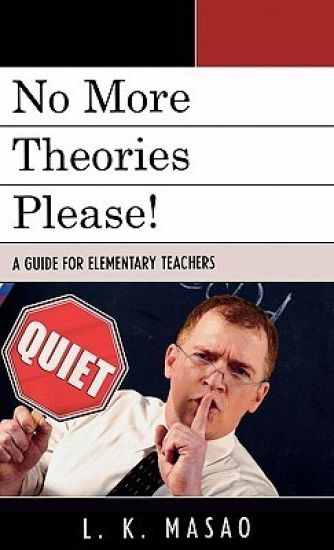
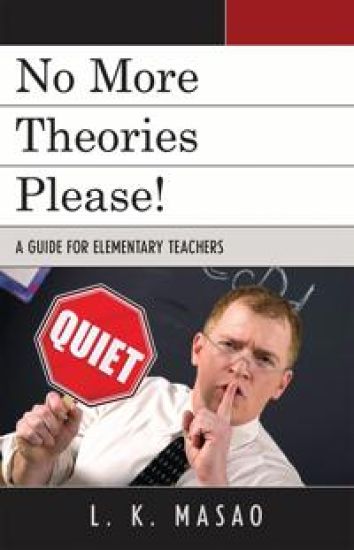
No More Theories Please!: A Guide for Elementary Teachers is a classroom management guide for current and prospective elementary classroom teachers. In the book Masao discuss the 3 Rs of management—rules, routines, and reinforcement—as well as behavior management plans and organization. Some chapters provide templates of management systems that the author created and implemented successfully in her own classroom. Unlike many other education texts, this book does not speak in theoretical terms. Rather it provides a how-to guide that clearly defines each strategy and procedure. The book is divided into three sections: organization; routines, rules, and reinforcement; and classroom behavior management systems. Each section has three or four chapters and provides tangible and pragmatic steps that can be taken to create the structured environment desired. Masao writes with a conversational tone, guiding the reader through the process.
No More Theories Please!

No More Theories Please!

L. K. Masao; Lucretia Jackson

Rowman Littlefield Education
2009
nidottu
No More Theories Please!: A Guide for Elementary Teachers is a classroom management guide for current and prospective elementary classroom teachers. In the book Masao discuss the 3 Rs of management_rules, routines, and reinforcement_as well as behavior management plans and organization. Some chapters provide templates of management systems that the author created and implemented successfully in her own classroom.