Kirjahaku
Etsi kirjoja tekijän nimen, kirjan nimen tai ISBN:n perusteella.
1000 tulosta hakusanalla Manning Marable


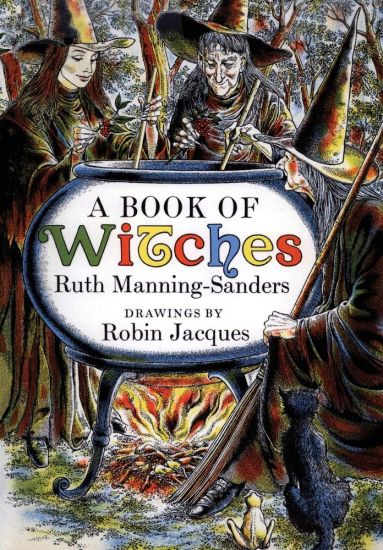
A Book of Witches is an anthology, originally published in 1966, of twelve fairy tales that have been collected and retold by Ruth Manning-Sanders. The book is illustrated by Robin Jacques. There are good witches and bad witches in the stories. Unfortunately the number of the bad witches is great, and the number of the good witches is very small in this book at least. In all the stories in this book, you will only find one mention of a good witch, and that is at the beginning of the Norwegian tale of Tatterhood. And you will see that had the queen done exactly what this good little witch bade her, there would be no more story to tell, but she does not and thus the story continues.These bad witches are powerful. They can fly through the air on broomsticks, or on stalks of ragwort, or even on old jars; they can raise tempests; they can cross the sea in stone boats, or kneading troughs, or sieves; in their great cauldrons they can brew magic potions that put spells on their enemies; and they can turn themselves, and other people, into pigs, or geese, or cats, or hares, or into any other shape they fancy.In some fairy tales, too, there are wicked witch-maidens, who are surpassingly beautiful; and these maidens are perhaps the most dangerous witches of all. Anyone, meeting with a humpy-backed old woman, with a great hooked nose, little red eyes, huge leering mouth, and craggy chin, might recognize such a creature for the witch she was, and so be on his guard. But if confronted with a sweet-voiced maiden of dazzling beauty - who would suspect evil? You have to be a very sharp fellow, like the hero of the Bohemian story, Johnny and the Witch-Maidens, to recognize the real nature of these fascinating and seemingly innocent damsels. And even Johnny might have been deceived by their charms, had he not been forewarned by his poor old master.Some witches have big families of daughters, you will find thirteen of these daughters in the Danish story of Esben and the Witch. But it is rarely that you come across a witch who has a son. You might think that to be the son of a witch was not a happy fate; but, provided that the son is good, he has at least one advantage: he picks up a lot of magic from his witch-mother, and so is able to foil her evil spells. One such son is the handsome Benvenuto, in the Italian story of Prunella.Of the rest of the stories, Rapunzel, Lazy Hans, The Donkey Lettuce and Hansel and Gretel, all come from Germany. The White Dove is a Danish story, and The Old Witch an English one; The Twins and the Snarling Witch comes from Russia, and The Blackstairs Mountain from Ireland.Now in all these stories, as in the fairy tales about witches in general, you may be sure of one thing: however terrible the witches may seem - and whatever power they may have to lay spells on people and to work mischief - they are always defeated. So that though, at some point in the story, you may find the hero or heroine in utter distress, you need never fear for them. Because it is the absolute and very comforting rule of the fairy tale that the good brave shall be rewarded, and that bad people shall come to a bad end.
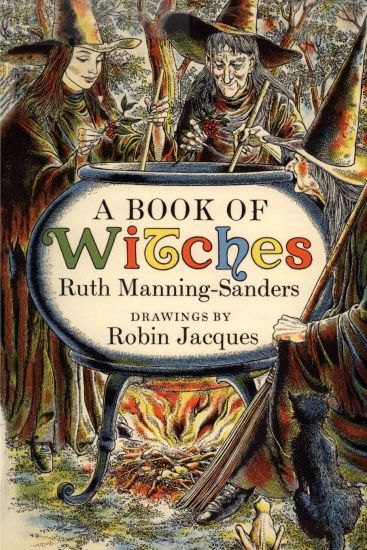
A Book of Witches is an anthology, originally published in 1966, of twelve fairy tales that have been collected and retold by Ruth Manning-Sanders. The book is illustrated by Robin Jacques. There are good witches and bad witches in the stories. Unfortunately the number of the bad witches is great, and the number of the good witches is very small in this book at least. In all the stories in this book, you will only find one mention of a good witch, and that is at the beginning of the Norwegian tale of Tatterhood. And you will see that had the queen done exactly what this good little witch bade her, there would be no more story to tell, but she does not and thus the story continues. These bad witches are powerful. They can fly through the air on broomsticks, or on stalks of ragwort, or even on old jars; they can raise tempests; they can cross the sea in stone boats, or kneading troughs, or sieves; in their great cauldrons they can brew magic potions that put spells on their enemies; and they can turn themselves, and other people, into pigs, or geese, or cats, or hares, or into any other shape they fancy. In some fairy tales, too, there are wicked witch-maidens, who are surpassingly beautiful; and these maidens are perhaps the most dangerous witches of all. Anyone, meeting with a humpy-backed old woman, with a great hooked nose, little red eyes, huge leering mouth, and craggy chin, might recognize such a creature for the witch she was, and so be on his guard. But if confronted with a sweet-voiced maiden of dazzling beauty - who would suspect evil? You have to be a very sharp fellow, like the hero of the Bohemian story, Johnny and the Witch-Maidens, to recognize the real nature of these fascinating and seemingly innocent damsels. And even Johnny might have been deceived by their charms, had he not been forewarned by his poor old master. Some witches have big families of daughters, you will find thirteen of these daughters in the Danish story of Esben and the Witch. But it is rarely that you come across a witch who has a son. You might think that to be the son of a witch was not a happy fate; but, provided that the son is good, he has at least one advantage: he picks up a lot of magic from his witch-mother, and so is able to foil her evil spells. One such son is the handsome Benvenuto, in the Italian story of Prunella. Of the rest of the stories, Rapunzel, Lazy Hans, The Donkey Lettuce and Hansel and Gretel, all come from Germany. The White Dove is a Danish story, and The Old Witch an English one; The Twins and the Snarling Witch comes from Russia, and The Blackstairs Mountain from Ireland. Now in all these stories, as in the fairy tales about witches in general, you may be sure of one thing: however terrible the witches may seem - and whatever power they may have to lay spells on people and to work mischief - they are always defeated. So that though, at some point in the story, you may find the hero or heroine in utter distress, you need never fear for them. Because it is the absolute and very comforting rule of the fairy tale that the good brave shall be rewarded, and that bad people shall come to a bad end.
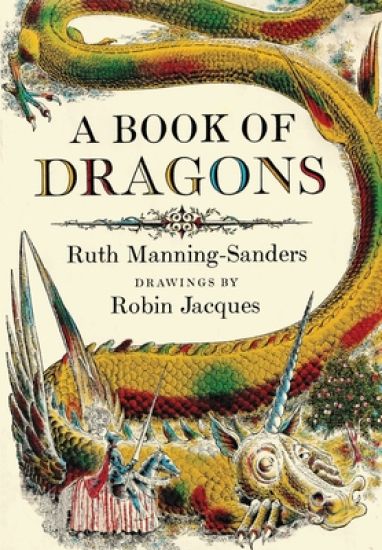
A fairy tale collection featuring dragons from around the world. The stories were collected and retold by Ruth Manning-Sanders. Each fairy tale is illustrated by Robin Jacques.
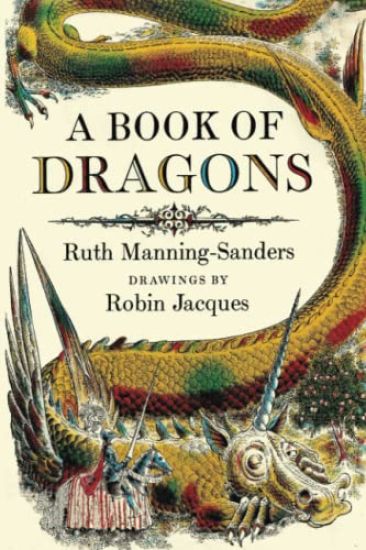
A fairy tale collection featuring dragons from around the world. The stories were collected and retold by Ruth Manning-Sanders. Each fairy tale is illustrated by Robin Jacques.
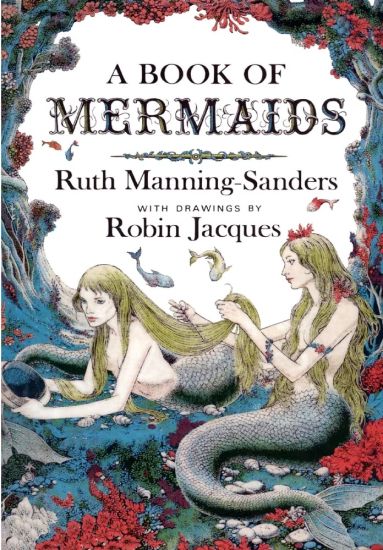
Stories about mermaids come from almost every country by the sea-from Iceland to India; America to Arabia. Most mermaids have flowing golden hair, long graceful tails, and a beauty that lures men to the bottom of the sea. Sven, in the Danish story, "Sven and Lilli," followed Lilli to her ocean home, where "they live happily. And there, in their domed house under the sea, so people say, they are living still."But not all mermaids are beautiful, and some are unchancy creatures indeed. There is a mermaid in the Irish tale, "The Magic Lake," who has "pig's eyes and wolf's teeth, and a mouth...grinning from ear to ear." And the beautiful mermaid Groach, in the Breton story, "The Groach of the Isle of Lok," casts a spell over handsome young men, marries them, and then turns them into rainbow-colored fish.In these sixteen stories Ruth Manning-Sanders captures the quicksilver personalities of mermaids and mermen as she tells of their marvelous schemes and adventures.

After discovering a blog revealing a mighty tribe where "every man was the one true king and every woman was the one true queen..." thirty-five-year-old, unemployed Daniel realizes he's tired of being a Lost King. He wants more. But more what? His quest to uncover the secret will drag him beyond his comfortable seclusion, into the cornfields of DeKalb and thunderous, chaotic New York City. After a hotel hookup with a sensual Englishman, the murderous rage Daniel fought to repress is finally unleashed. In the final story arc in The Lost and Founds series, Daniel faces the ultimate choice: what would you risk to become a Found King? His fate depends on a seedy escort named Fitch, benevolence from the mysterious king named DC, and love from the elusive Vin Vanbly, who may-or may not be-dead. This is the end. But is it the end for Daniel?


This work has been selected by scholars as being culturally important and is part of the knowledge base of civilization as we know it.This work is in the public domain in the United States of America, and possibly other nations. Within the United States, you may freely copy and distribute this work, as no entity (individual or corporate) has a copyright on the body of the work.Scholars believe, and we concur, that this work is important enough to be preserved, reproduced, and made generally available to the public. To ensure a quality reading experience, this work has been proofread and republished using a format that seamlessly blends the original graphical elements with text in an easy-to-read typeface.We appreciate your support of the preservation process, and thank you for being an important part of keeping this knowledge alive and relevant.

This work has been selected by scholars as being culturally important and is part of the knowledge base of civilization as we know it.This work is in the public domain in the United States of America, and possibly other nations. Within the United States, you may freely copy and distribute this work, as no entity (individual or corporate) has a copyright on the body of the work.Scholars believe, and we concur, that this work is important enough to be preserved, reproduced, and made generally available to the public. To ensure a quality reading experience, this work has been proofread and republished using a format that seamlessly blends the original graphical elements with text in an easy-to-read typeface.We appreciate your support of the preservation process, and thank you for being an important part of keeping this knowledge alive and relevant.

This work has been selected by scholars as being culturally important and is part of the knowledge base of civilization as we know it.This work is in the public domain in the United States of America, and possibly other nations. Within the United States, you may freely copy and distribute this work, as no entity (individual or corporate) has a copyright on the body of the work.Scholars believe, and we concur, that this work is important enough to be preserved, reproduced, and made generally available to the public. To ensure a quality reading experience, this work has been proofread and republished using a format that seamlessly blends the original graphical elements with text in an easy-to-read typeface.We appreciate your support of the preservation process, and thank you for being an important part of keeping this knowledge alive and relevant.
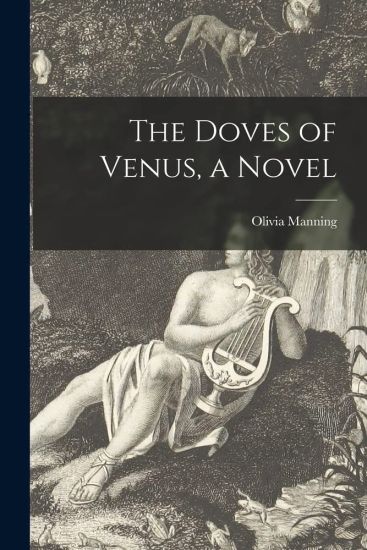
This work has been selected by scholars as being culturally important and is part of the knowledge base of civilization as we know it.This work is in the public domain in the United States of America, and possibly other nations. Within the United States, you may freely copy and distribute this work, as no entity (individual or corporate) has a copyright on the body of the work.Scholars believe, and we concur, that this work is important enough to be preserved, reproduced, and made generally available to the public. To ensure a quality reading experience, this work has been proofread and republished using a format that seamlessly blends the original graphical elements with text in an easy-to-read typeface.We appreciate your support of the preservation process, and thank you for being an important part of keeping this knowledge alive and relevant.

Step back into 17th-century France with Anne E. Manning's "Jacques Bonneval, or The Days of the Dragonnades," a compelling work of historical fiction that illuminates a turbulent period of religious persecution. This meticulously prepared print edition brings to life the story of the Huguenots, French Protestants facing immense hardship. Explore the historical backdrop of France during the Dragonnades, a time of intense pressure and oppression against those of the Protestant faith. Manning's narrative offers a window into the lives, struggles, and enduring faith of the Huguenots. This novel provides a rich tapestry of French history, capturing the spirit and challenges of the era. A timeless story, "Jacques Bonneval" will resonate with readers interested in historical fiction and tales of religious conviction.This work has been selected by scholars as being culturally important, and is part of the knowledge base of civilization as we know it.This work is in the public domain in the United States of America, and possibly other nations. Within the United States, you may freely copy and distribute this work, as no entity (individual or corporate) has a copyright on the body of the work.Scholars believe, and we concur, that this work is important enough to be preserved, reproduced, and made generally available to the public. We appreciate your support of the preservation process, and thank you for being an important part of keeping this knowledge alive and relevant.
Experience the sweeping drama of the American West in Marie Manning's "Judith of the Plains," a compelling work of historical romance and western fiction. Set against the backdrop of 19th-century frontier life, this literary novel explores themes of racial identity on the vast plains. Manning weaves a tale that resonates with the spirit of the era, capturing the challenges and triumphs of life in a rapidly changing landscape. "Judith of the Plains" offers a glimpse into a pivotal period in American history, examining the complexities of identity and belonging through the lens of a captivating story. A meticulously prepared print edition, this novel stands as a testament to the enduring power of stories that explore the human condition amidst the grandeur and hardships of the American West.This work has been selected by scholars as being culturally important, and is part of the knowledge base of civilization as we know it.This work is in the public domain in the United States of America, and possibly other nations. Within the United States, you may freely copy and distribute this work, as no entity (individual or corporate) has a copyright on the body of the work.Scholars believe, and we concur, that this work is important enough to be preserved, reproduced, and made generally available to the public. We appreciate your support of the preservation process, and thank you for being an important part of keeping this knowledge alive and relevant.
Experience the sweeping drama of the American West in Marie Manning's "Judith of the Plains," a compelling work of historical romance and western fiction. Set against the backdrop of 19th-century frontier life, this literary novel explores themes of racial identity on the vast plains. Manning weaves a tale that resonates with the spirit of the era, capturing the challenges and triumphs of life in a rapidly changing landscape. "Judith of the Plains" offers a glimpse into a pivotal period in American history, examining the complexities of identity and belonging through the lens of a captivating story. A meticulously prepared print edition, this novel stands as a testament to the enduring power of stories that explore the human condition amidst the grandeur and hardships of the American West.This work has been selected by scholars as being culturally important, and is part of the knowledge base of civilization as we know it.This work is in the public domain in the United States of America, and possibly other nations. Within the United States, you may freely copy and distribute this work, as no entity (individual or corporate) has a copyright on the body of the work.Scholars believe, and we concur, that this work is important enough to be preserved, reproduced, and made generally available to the public. We appreciate your support of the preservation process, and thank you for being an important part of keeping this knowledge alive and relevant.