Kirjojen hintavertailu. Mukana 12 083 983 kirjaa ja 12 kauppaa.

Kirjahaku

Etsi kirjoja tekijän nimen, kirjan nimen tai ISBN:n perusteella.

1000 tulosta hakusanalla Maria M

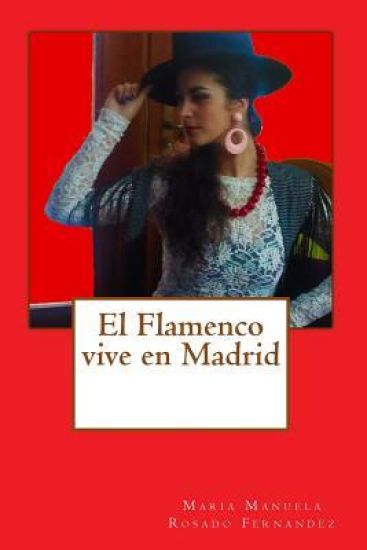
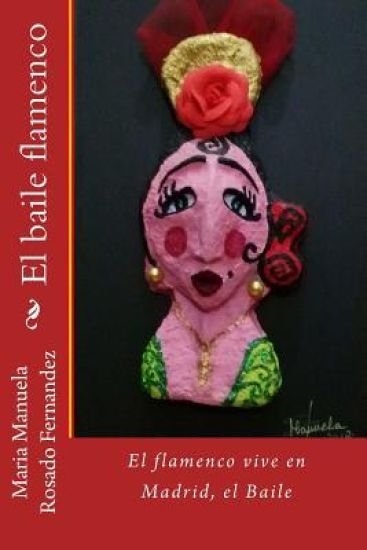
El flamenco vive en Madrid: El flamenco afincado en Madrid

El flamenco vive en Madrid: El flamenco afincado en Madrid

Maria Manuela Rosado Fernandez

Createspace Independent Publishing Platform
2016
nidottu
Para todo siempre hay una primera vez, recuerdas cuando tomaste el chocolate con menta, o practicaste un deporte nuevo. Bien pues aunque no seas experto en flamenco te puedes iniciar o conocerlo si te gusta, en esta gu a, Madrid te lleva de un brazo y el flamenco del otro por lugares emblem ticos tablaos, teatros. Conocer s artistas, nuevas tendencias (fusiones) el cante, el toque (guitarra y otros acompa amientos) y el baile se dan cita en su ciudad de adopci n Madrid. S lo queda leerlo y que seas atrapado por el duende.
The Girl From Brooklyn: My story of living with depression

The Girl From Brooklyn: My story of living with depression

Maria Medina

Createspace Independent Publishing Platform
2016
nidottu
Maria is an enthusiastic Puerto Rican who grew up in Brooklyn. She has struggled with depression, learning disabilities, and mental illness her entire life. When she was encouraged to move to Estes Park, Colorado, she connected with helpful mental health professionals and new friends. This is her hopeful story of living with depression and never giving up hope.
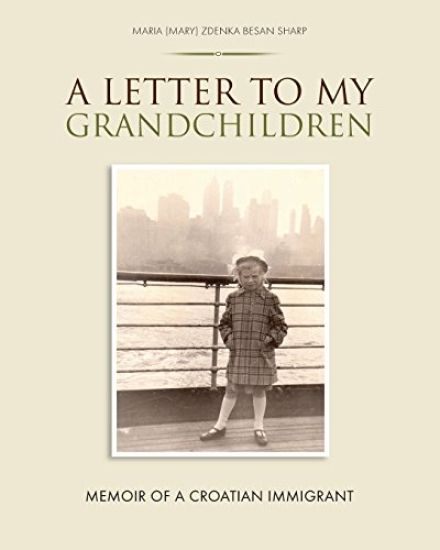
A Letter To My Grandchildren: Memoir of a Croatian Immigrant

A Letter To My Grandchildren: Memoir of a Croatian Immigrant

Maria (Mary) Zdenka Besan Sharp

Createspace Independent Publishing Platform
2017
nidottu
Maria Sharp was born Maria Zdenka Besan in Croatia in 1941, just after the Nazis had invaded Yugoslavia, and as a young child she witnessed "events that imprinted themselves upon my soul forever". At the age of nine she emigrated to the USA and struggled along with her parents to succeed in the "New World". Years later she married an American and has since written this book for her two grandchildren to explain to them "who they are and how they came to be". The book paints a warm and moving picture of life in Croatia in the first half of the 20th century. It then goes on to describe the horrors of World War II and the subsequent devastating aftermath brought on by the communist regime.
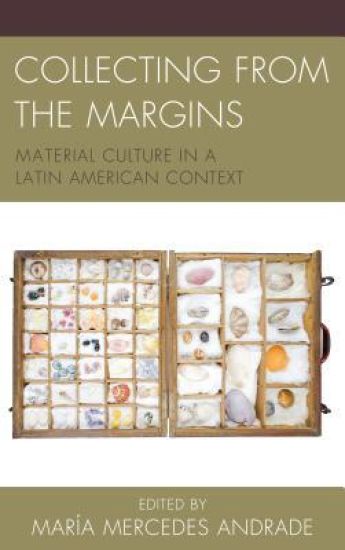
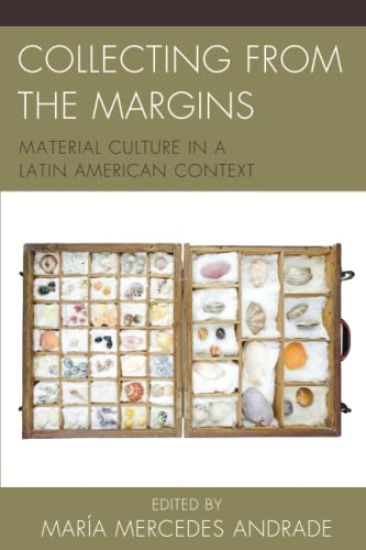
Collecting from the Margins

Collecting from the Margins

María Mercedes Andrade

Bucknell University Press
2016
sidottu
From the cabinets of wonder of the Renaissance to the souvenir collections of today, selecting, accumulating, and organizing objects are practices that are central to our notions of who we are and what we value. Collecting, both private and institutional, has been instrumental in the consolidation of modern notions of the individual and of the nation, and numerous studies have discussed its complex political, social, economic, anthropological, and psychological implications. However, studies of collecting as practiced in colonized cultures are few, since the role of these cultures has usually been understood as that of purveyors of objects for the metropolitan collector. Collecting from the Margins: Material Culture in a Latin American Context seeks to counter the historical understanding of collecting that posits the metropolis as collecting subject and the colonial or postcolonial society as supplier of collectible objects by asking instead how collecting has been practiced and understood in Latin America. Has collecting been viewed or portrayed differently in a Latin American context? Does the act of collecting, when viewed from a Latin American perspective, unsettle the way we have become accustomed to think about it? What differences, if any, arise in the activity of collecting in colonized or previously colonial societies? Spanning the period after the independence wars until the 1980s, this collection of ten essays addresses a broad range of examples of collecting practices in Latin America. Collecting during the nineteenth century is addressed in discussions of the creation of the first national museums of Argentina and Colombia in the post-independence period, as well as in analyses of the private collections of modernistas such as Enrique Gómez Carrillo, Rubén Darío, José Asunción Silva, and Delmira Agustini at the end of the nineteenth century and the beginning of the twentieth. The practice of collecting in the twentieth century is discussed in analyses of the self-described revolutionary practices of Oswald de Andrade, Augusto de Campos and the films of Ruy Guerra, as well as the polemical collections of Pablo Neruda, and the unsettling collections portrayed in Gabriel García Márquez’s One Hundred Years of Solitude.
Collecting from the Margins

Collecting from the Margins

María Mercedes Andrade

Bucknell University Press
2018
nidottu
From the cabinets of wonder of the Renaissance to the souvenir collections of today, selecting, accumulating, and organizing objects are practices that are central to our notions of who we are and what we value. Collecting, both private and institutional, has been instrumental in the consolidation of modern notions of the individual and of the nation, and numerous studies have discussed its complex political, social, economic, anthropological, and psychological implications. However, studies of collecting as practiced in colonized cultures are few, since the role of these cultures has usually been understood as that of purveyors of objects for the metropolitan collector. Collecting from the Margins: Material Culture in a Latin American Context seeks to counter the historical understanding of collecting that posits the metropolis as collecting subject and the colonial or postcolonial society as supplier of collectible objects by asking instead how collecting has been practiced and understood in Latin America. Has collecting been viewed or portrayed differently in a Latin American context? Does the act of collecting, when viewed from a Latin American perspective, unsettle the way we have become accustomed to think about it? What differences, if any, arise in the activity of collecting in colonized or previously colonial societies? Spanning the period after the independence wars until the 1980s, this collection of ten essays addresses a broad range of examples of collecting practices in Latin America. Collecting during the nineteenth century is addressed in discussions of the creation of the first national museums of Argentina and Colombia in the post-independence period, as well as in analyses of the private collections of modernistas such as Enrique Gómez Carrillo, Rubén Darío, José Asunción Silva, and Delmira Agustini at the end of the nineteenth century and the beginning of the twentieth. The practice of collecting in the twentieth century is discussed in analyses of the self-described revolutionary practices of Oswald de Andrade, Augusto de Campos and the films of Ruy Guerra, as well as the polemical collections of Pablo Neruda, and the unsettling collections portrayed in Gabriel García Márquez’s One Hundred Years of Solitude.
Die Prinzipienlehre der Milesier

Die Prinzipienlehre der Milesier

Maria Marcinkowska-Rosol

De Gruyter
2014
sidottu
This study analyzes the reception of the theories of the "first principle" of Thales, Anaximander, and Anaximenes (7th-6th century BC) among Aristotle and his commentators of the 2nd through 14th centuries AD. It includes a detailed discussion of 120 texts documenting this fascinating and, for the modern image of the Milesians, fundamental Wirkungsgeschichte of the earliest philosophical ideas of Europe.