
Kirjahaku
Etsi kirjoja tekijän nimen, kirjan nimen tai ISBN:n perusteella.
1000 tulosta hakusanalla Maria Rose

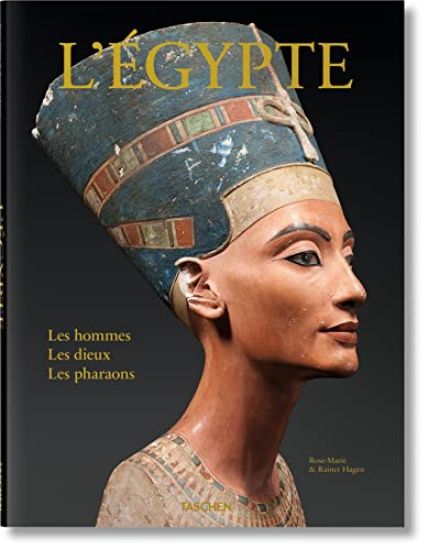
How much do we really know about Ancient Egypt? The pharaohs and pyramids are familiar history fodder, but what about the farmers, the soldiers, the laborers, and the families that made up the vast majority of this much mythologized civilization? With a thrilling spread of visual references, this TASCHEN adventure attempts to set the record straight by offering a distinctive everyday take on Ancient Egypt. Like a piece of published excavation, the book explores the many layers of this ancient society, digging down from the sacred or grandiose to the daily experiences and ordinary individuals. The democratic approach bestows this distant era with exciting vitality and relevance for all the family. As we explore everything from family arrangements to leisure activities to labor movements, we not only uncover the different experiences of this ancient land but also parallels and precedents to our own societies. The result is a particularly vivid encounter with an ancient age and with some of our most ingenious and influential forebears.
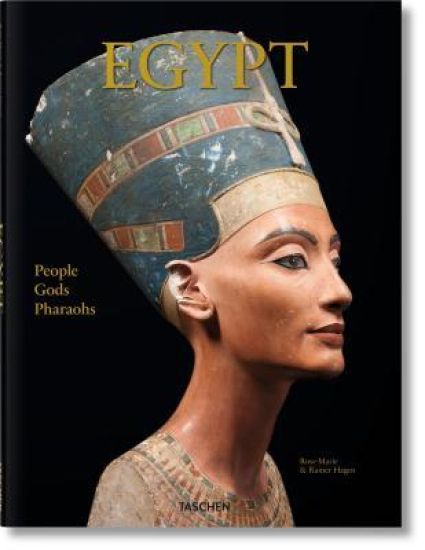
How much do we really know about Ancient Egypt? The pharaohs and pyramids are familiar history fodder, but what about the farmers, the soldiers, the laborers, and the families that made up the vast majority of this much mythologized civilization?With a thrilling spread of visual references, this TASCHEN adventure attempts to set the record straight by offering a distinctive everyday take on Ancient Egypt. Like a piece of published excavation, the book explores the many layers of this ancient society, digging down from the sacred or grandiose to the daily experiences and ordinary individuals.The democratic approach bestows this distant era with exciting vitality and relevance for all the family. As we explore everything from family arrangements to leisure activities to labor movements, we not only uncover the different experiences of this ancient land but also parallels and precedents to our own societies. The result is a particularly vivid encounter with an ancient age and with some of our most ingenious and influential forebears.
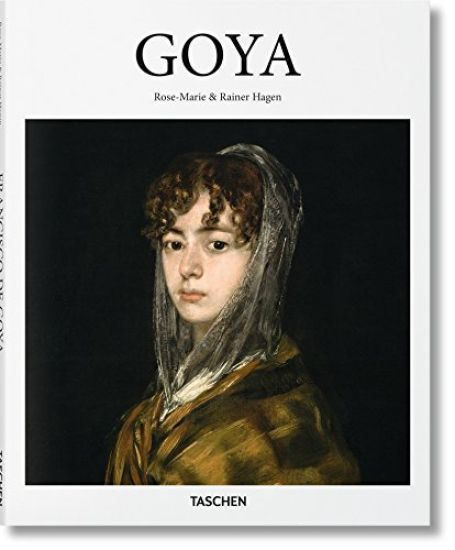
From court portraits for the Spanish royals to horrific scenes of conflict and suffering, Francisco José de Goya y Lucientes (1746–1828) made a mark as one of Spain’s most revered and controversial artists. A master of form and light, his influence reverberates down the centuries, inspiring and fascinating artists from the Romantic Eugène Delacroix to Britart enfants terribles, the Chapman brothers. Born in Fuendetodos, Spain, in 1746, Goya was apprenticed to the Spanish royal family in 1774, where he produced etchings and tapestry cartoons for grand palaces and royal residences across the country. He was also patronized by the aristocracy, painting commissioned portraits of the rich and powerful with his increasingly fluid and expressive style. Later, after a bout of illness, the artist moved towards darker etchings and drawings, introducing a nightmarish realm of witches, ghosts, and fantastical creatures. It was, however, with his horrific depictions of conflict that Goya achieved enduring impact. Executed between 1810 and 1820, The Disasters of War was inspired by atrocities committed during the Spanish struggle for independence from the French and penetrated the very heart of human cruelty and sadism. The bleak tones, agitated brushstrokes, and aggressive use of Baroque-like light and dark contrasts recalled Velázquez and Rembrandt, but Goya’s subject matter was unprecedented in its brutality and honesty. In this introductory book from TASCHEN Basic Art 2.0 we set out to explore the full arc of Goya’s remarkable career, from elegant court painter to deathly seer of suffering and grotesquerie. Along the way, we encounter such famed portraits as Don Manuel Osorio Manrique de Zúñiga, the dazzling Naked Maja, and The 3rd of May 1808 in Madrid, one of the most heart-stopping images of war in the history of art.
From court portraits for the Spanish royals to horrific scenes of conflict and suffering, Francisco José de Goya y Lucientes (1746–1828) made a mark as one of Spain’s most revered and controversial artists. A master of form and light, his influence reverberates down the centuries, inspiring and fascinating artists from the Romantic Eugène Delacroix to Britart enfants terribles, the Chapman brothers.Born in Fuendetodos, Spain, in 1746, Goya was apprenticed to the Spanish royal family in 1774, where he produced etchings and tapestry cartoons for grand palaces and royal residences across the country. He was also patronized by the aristocracy, painting commissioned portraits of the rich and powerful with his increasingly fluid and expressive style. Later, after a bout of illness, the artist moved towards darker etchings and drawings, introducing a nightmarish realm of witches, ghosts, and fantastical creatures.It was, however, with his horrific depictions of conflict that Goya achieved enduring impact. Executed between 1810 and 1820, The Disasters of War was inspired by atrocities committed during the Spanish struggle for independence from the French and penetrated the very heart of human cruelty and sadism. The bleak tones, agitated brushstrokes, and aggressive use of Baroque-like light and dark contrasts recalled Velázquez and Rembrandt, but Goya’s subject matter was unprecedented in its brutality and honesty.In this introductory book from TASCHEN Basic Art 2.0 we set out to explore the full arc of Goya’s remarkable career, from elegant court painter to deathly seer of suffering and grotesquerie. Along the way, we encounter such famed portraits as Don Manuel Osorio Manrique de Zúñiga, the dazzling Naked Maja, and The 3rd of May 1808 in Madrid, one of the most heart-stopping images of war in the history of art.About the seriesBorn back in 1985, the Basic Art Series has evolved into the best-selling art book collection ever published. Each book in TASCHEN’s Basic Art series features:a detailed chronological summary of the life and oeuvre of the artist, covering his or her cultural and historical importancea concise biographyapproximately 100 illustrations with explanatory captions
From court portraits for the Spanish royals to horrific scenes of conflict and suffering, Francisco José de Goya y Lucientes (1746–1828) made a mark as one of Spain’s most revered and controversial artists. A master of form and light, his influence reverberates down the centuries, inspiring and fascinating artists from the Romantic Eugène Delacroix to Britart enfants terribles, the Chapman brothers. Born in Fuendetodos, Spain, in 1746, Goya was apprenticed to the Spanish royal family in 1774, where he produced etchings and tapestry cartoons for grand palaces and royal residences across the country. He was also patronized by the aristocracy, painting commissioned portraits of the rich and powerful with his increasingly fluid and expressive style. Later, after a bout of illness, the artist moved towards darker etchings and drawings, introducing a nightmarish realm of witches, ghosts, and fantastical creatures. It was, however, with his horrific depictions of conflict that Goya achieved enduring impact. Executed between 1810 and 1820, The Disasters of War was inspired by atrocities committed during the Spanish struggle for independence from the French and penetrated the very heart of human cruelty and sadism. The bleak tones, agitated brushstrokes, and aggressive use of Baroque-like light and dark contrasts recalled Velázquez and Rembrandt, but Goya’s subject matter was unprecedented in its brutality and honesty. In this introductory book from TASCHEN Basic Art 2.0 we set out to explore the full arc of Goya’s remarkable career, from elegant court painter to deathly seer of suffering and grotesquerie. Along the way, we encounter such famed portraits as Don Manuel Osorio Manrique de Zúñiga, the dazzling Naked Maja, and The 3rd of May 1808 in Madrid, one of the most heart-stopping images of war in the history of art.
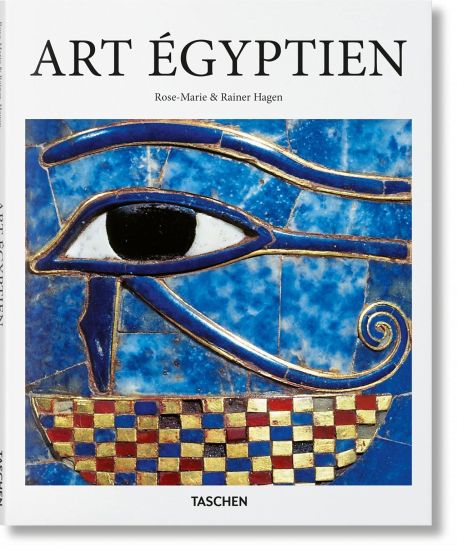
The art of ancient Egypt that has been handed down to us bears no names of its creators, and yet we value the creations of these unknown masters no less than the works of later centuries, such as statues by Michelangelo or the paintings by Leonardo da Vinci. This book introduces some of the most important masterpieces, ranging from the Old Kingdom during the Third millennium BC to the Roman Period. The works encompass sculptures, reliefs, sarcophagi, murals, masks, and decorative items, most of them now in the Egyptian Museum in Cairo, but some occupying places of honor as part of the World Cultural Heritage in museums such as the Louvre in Paris, the British Museum in London, the Egyptian Museum in Berlin, and the Metropolitan Museum in New York.Featured works include: Seated statue of King Djoser Wood relief of Hesire on a dining table Statue of a scribe made of various materials Funerary relief of Aschait Sphinx of Sesostris III Robed statue of Cherihotep Reliefs from the Temple at Carnac Sarcophagus of Queen Hatshepsut Murals from Thebes Seated figure of the goddess Sachmet Statue of Queen Teje Head of Akhenaten (Amenophis IV) Queen Nefertiti Golden mask of Tutankhamun Ramses II from Abu Simbel Horus falcon made of granite Stone relief from the temple ambulatory at Edfu
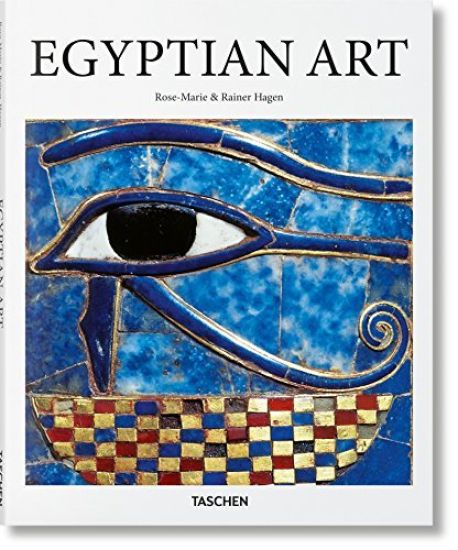
The art of ancient Egypt that has been handed down to us bears no names of its creators, and yet we value the creations of these unknown masters no less than the works of later centuries, such as statues by Michelangelo or the paintings by Leonardo da Vinci. This book introduces some of the most important masterpieces, ranging from the Old Kingdom during the Third millennium BC to the Roman Period. The works encompass sculptures, reliefs, sarcophagi, murals, masks, and decorative items, most of them now in the Egyptian Museum in Cairo, but some occupying places of honor as part of the World Cultural Heritage in museums such as the Louvre in Paris, the British Museum in London, the Egyptian Museum in Berlin, and the Metropolitan Museum in New York.Featured works include: Seated statue of King Djoser Wood relief of Hesire on a dining table Statue of a scribe made of various materials Funerary relief of Aschait Sphinx of Sesostris III Robed statue of Cherihotep Reliefs from the Temple at Carnac Sarcophagus of Queen Hatshepsut Murals from Thebes Seated figure of the goddess Sachmet Statue of Queen Teje Head of Akhenaten (Amenophis IV) Queen Nefertiti Golden mask of Tutankhamun Ramses II from Abu Simbel Horus falcon made of granite Stone relief from the temple ambulatory at Edfu
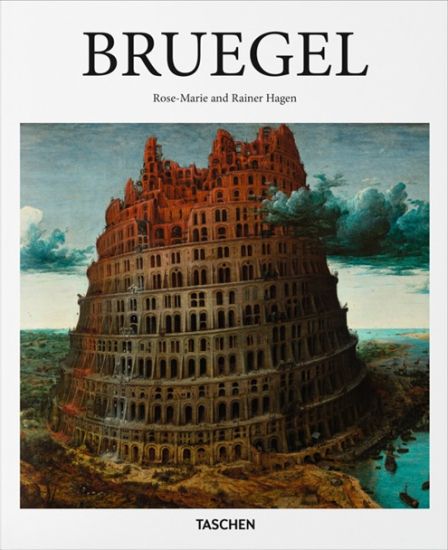
The great Flemish painter Pieter Bruegel the Elder (c. 1526/31–1569) was an astoundingly inventive painter and draftsman, who made his art historical mark with beautiful, evocative landscapes as well as religious subjects, both notable for their vernacular language and attention to everyday, contemporary life. Immersing himself in rural or small-town communities, Bruegel is particularly notable for his depiction of peasant experience and folk culture, earning the artist nickname “Peasant Bruegel.” Whether hunters shivering in the snow or a boisterous country fair, Bruegel raised the farming, festivals, gatherings, and games of peasant culture to the status of high art. Bruegel’s imposing religious and moral subjects, meanwhile, such as The Triumph of Death and The Tower of Babel are as awestriking and influential today as they were in the 16th century, inspiring contemporary culture from The Lord of the Rings cinematic battle scenes to Don DeLillo’s novel Underworld. From the corn harvest to the conversion of Saul, from quaint wedding processions to Christ’s road to Calvary, this book brings together the rich range of Bruegel’s subjects to introduce his powerful compositions of both biblical and earthly tableaux.
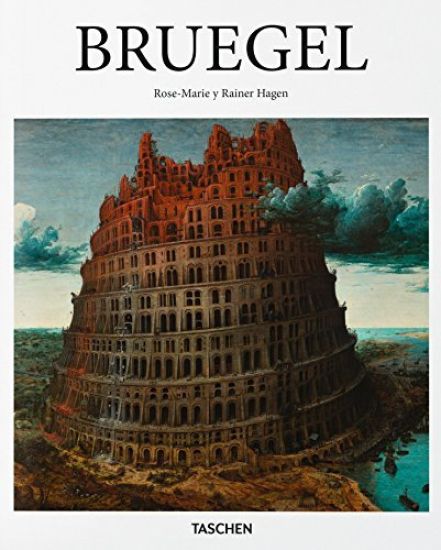
The great Flemish painter Pieter Bruegel the Elder (c. 1526/31–1569) was an astoundingly inventive painter and draftsman, who made his art historical mark with beautiful, evocative landscapes as well as religious subjects, both notable for their vernacular language and attention to everyday, contemporary life. Immersing himself in rural or small-town communities, Bruegel is particularly notable for his depiction of peasant experience and folk culture, earning the artist nickname “Peasant Bruegel.” Whether hunters shivering in the snow or a boisterous country fair, Bruegel raised the farming, festivals, gatherings, and games of peasant culture to the status of high art. Bruegel’s imposing religious and moral subjects, meanwhile, such as The Triumph of Death and The Tower of Babel are as awestriking and influential today as they were in the 16th century, inspiring contemporary culture from The Lord of the Rings cinematic battle scenes to Don DeLillo’s novel Underworld. From the corn harvest to the conversion of Saul, from quaint wedding processions to Christ’s road to Calvary, this book brings together the rich range of Bruegel’s subjects to introduce his powerful compositions of both biblical and earthly tableaux.
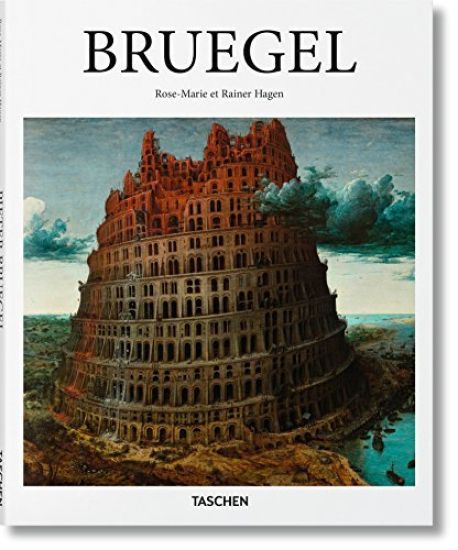
The great Flemish painter Pieter Bruegel the Elder (c. 1526/31–1569) was an astoundingly inventive painter and draftsman, who made his art historical mark with beautiful, evocative landscapes as well as religious subjects, both notable for their vernacular language and attention to everyday, contemporary life. Immersing himself in rural or small-town communities, Bruegel is particularly notable for his depiction of peasant experience and folk culture, earning the artist nickname “Peasant Bruegel.” Whether hunters shivering in the snow or a boisterous country fair, Bruegel raised the farming, festivals, gatherings, and games of peasant culture to the status of high art. Bruegel’s imposing religious and moral subjects, meanwhile, such as The Triumph of Death and The Tower of Babel are as awestriking and influential today as they were in the 16th century, inspiring contemporary culture from The Lord of the Rings cinematic battle scenes to Don DeLillo’s novel Underworld. From the corn harvest to the conversion of Saul, from quaint wedding processions to Christ’s road to Calvary, this book brings together the rich range of Bruegel’s subjects to introduce his powerful compositions of both biblical and earthly tableaux.
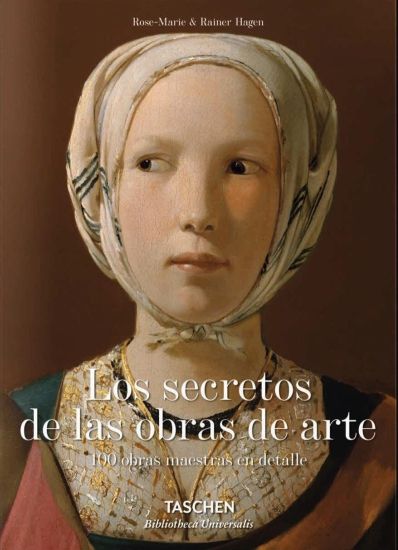
Los secretos de las obras de arte. 100 obras maestras en detalle
Rainer & Rose-Marie Hagen
TASCHEN GMBH
2016
sidottu
This important addition to our understanding of art history’s masterworks puts some of the world's most famous paintings under a magnifying glass to uncover their most small and subtle elements and all they reveal about a bygone time, place, and culture. Guiding our eye to the minutiae of subject and symbolism, authors Rose-Marie and Rainer Hagen allow even the most familiar of pictures to come alive anew through their intricacies and intrigues. Is the bride pregnant? Why does the man wear a beret? How does the shadow of war hang over a scene of dancing? Along the way, we travel from Ancient Egypt through to modern Europe, from the Renaissance to the Roaring Twenties. We meet Greek heroes and poor German poets and roam from cathedrals to cabaret bars, from the Garden of Eden to a Garden Bench in rural France. As we pick apart each painting and then reassemble it like a giant jigsaw puzzle, these celebrated canvases captivate not only in their sheer wealth of details but also in the witness they bear to the fashions and trends, people and politics, loves and lifestyles of their time.
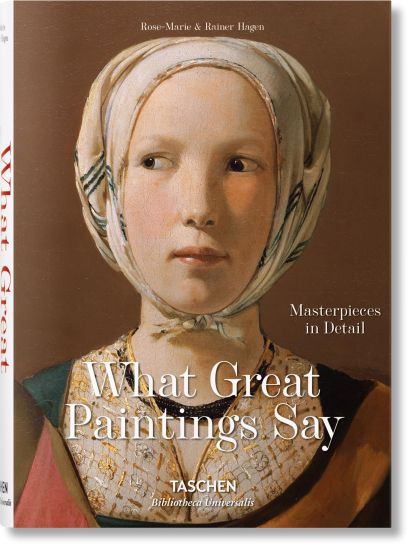
What Great Paintings Say. Masterpieces in Detail
Rainer & Rose-Marie Hagen
Taschen GmbH
2016
sidottu
This important addition to our understanding of art history’s masterworks puts some of the world's most famous paintings under a magnifying glass to uncover their most small and subtle elements and all they reveal about a bygone time, place, and culture. Guiding our eye to the minutiae of subject and symbolism, authors Rose-Marie and Rainer Hagen allow even the most familiar of pictures to come alive anew through their intricacies and intrigues. Is the bride pregnant? Why does the man wear a beret? How does the shadow of war hang over a scene of dancing? Along the way, we travel from Ancient Egypt through to modern Europe, from the Renaissance to the Roaring Twenties. We meet Greek heroes and poor German poets and roam from cathedrals to cabaret bars, from the Garden of Eden to a Garden Bench in rural France. As we pick apart each painting and then reassemble it like a giant jigsaw puzzle, these celebrated canvases captivate not only in their sheer wealth of details but also in the witness they bear to the fashions and trends, people and politics, loves and lifestyles of their time.
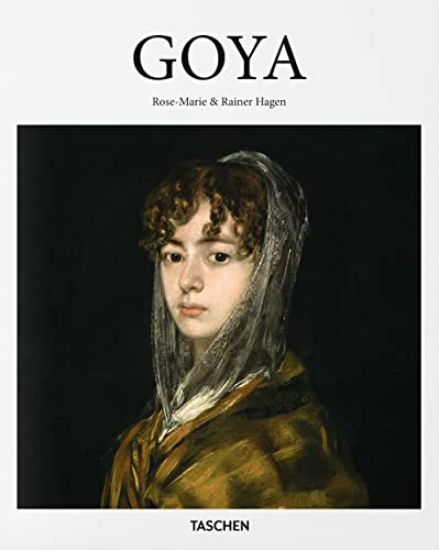
From court portraits for the Spanish royals to horrific scenes of conflict and suffering, Francisco José de Goya y Lucientes (1746–1828) made a mark as one of Spain’s most revered and controversial artists. A master of form and light, his influence reverberates down the centuries, inspiring and fascinating artists from the Romantic Eugène Delacroix to Britart enfants terribles, the Chapman brothers. Born in Fuendetodos, Spain, in 1746, Goya was apprenticed to the Spanish royal family in 1774, where he produced etchings and tapestry cartoons for grand palaces and royal residences across the country. He was also patronized by the aristocracy, painting commissioned portraits of the rich and powerful with his increasingly fluid and expressive style. Later, after a bout of illness, the artist moved towards darker etchings and drawings, introducing a nightmarish realm of witches, ghosts, and fantastical creatures. It was, however, with his horrific depictions of conflict that Goya achieved enduring impact. Executed between 1810 and 1820, The Disasters of War was inspired by atrocities committed during the Spanish struggle for independence from the French and penetrated the very heart of human cruelty and sadism. The bleak tones, agitated brushstrokes, and aggressive use of Baroque-like light and dark contrasts recalled Velázquez and Rembrandt, but Goya’s subject matter was unprecedented in its brutality and honesty. In this introductory book from TASCHEN Basic Art 2.0 we set out to explore the full arc of Goya’s remarkable career, from elegant court painter to deathly seer of suffering and grotesquerie. Along the way, we encounter such famed portraits as Don Manuel Osorio Manrique de Zúñiga, the dazzling Naked Maja, and The 3rd of May 1808 in Madrid, one of the most heart-stopping images of war in the history of art.
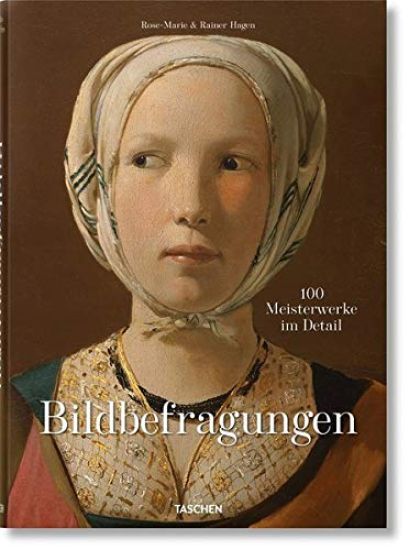
Bildbefragungen. 100 Meisterwerke im Detail
Rainer & Rose-Marie Hagen; Rose-Marie Hagen
TASCHEN GMBH
2020
sidottu
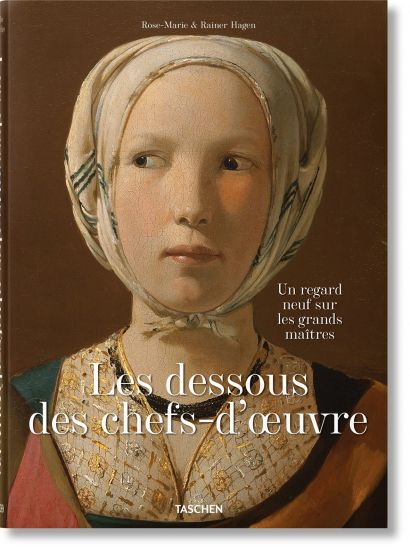
Les dessous des chefs-d’oeuvre. Un regard neuf sur les grands maîtres
Rainer & Rose-Marie Hagen
TASCHEN GMBH
2020
sidottu
This important addition to our understanding of art history’s masterworks puts some of the world's most famous paintings under a magnifying glass to uncover their most small and subtle elements and all they reveal about a bygone time, place, and culture. Guiding our eye to the minutiae of subject and symbolism, authors Rose-Marie and Rainer Hagen allow even the most familiar of pictures to come alive anew through their intricacies and intrigues. Is the bride pregnant? Why does the man wear a beret? How does the shadow of war hang over a scene of dancing? Along the way, we travel from Ancient Egypt through to modern Europe, from the Renaissance to the Roaring Twenties. We meet Greek heroes and poor German poets and roam from cathedrals to cabaret bars, from the Garden of Eden to a Garden Bench in rural France. As we pick apart each painting and then reassemble it like a giant jigsaw puzzle, these celebrated canvases captivate not only in their sheer wealth of details but also in the witness they bear to the fashions and trends, people and politics, loves and lifestyles of their time.
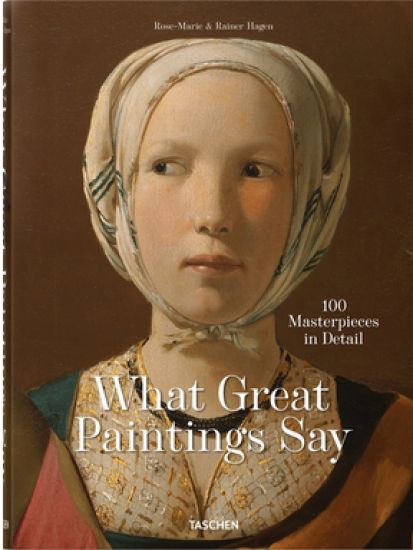
What Great Paintings Say. 100 Masterpieces in Detail
Rainer & Rose-Marie Hagen
Taschen GmbH
2020
sidottu
This important addition to our understanding of art history’s masterworks puts some of the world's most famous paintings under a magnifying glass to uncover their most small and subtle elements and all they reveal about a bygone time, place, and culture. Guiding our eye to the minutiae of subject and symbolism, authors Rose-Marie and Rainer Hagen allow even the most familiar of pictures to come alive anew through their intricacies and intrigues. Is the bride pregnant? Why does the man wear a beret? How does the shadow of war hang over a scene of dancing? Along the way, we travel from Ancient Egypt through to modern Europe, from the Renaissance to the Roaring Twenties. We meet Greek heroes and poor German poets and roam from cathedrals to cabaret bars, from the Garden of Eden to a Garden Bench in rural France. As we pick apart each painting and then reassemble it like a giant jigsaw puzzle, these celebrated canvases captivate not only in their sheer wealth of details but also in the witness they bear to the fashions and trends, people and politics, loves and lifestyles of their time.