Kirjahaku
Etsi kirjoja tekijän nimen, kirjan nimen tai ISBN:n perusteella.
1000 tulosta hakusanalla W G Simms

`Folk Psychology' - our everyday talk of beliefs, desires and mental events - has long been compared with the technical language of `Cognitive Science'. Does folk psychology provide a correct account of the mental causes of our behaviour, or must our everyday terms ultimately be replaced by a language developed from computational models and neurobiology? This broad-ranging book addresses these questions, which lie at the heart of psychology and philosophy. Providing a critical overview of the key literature in the field, including the seminal work of Fodor and Churchland, the author explores the classic `Frame Problem' and assesses the future prospects of cognitive science. The scope of the frame problem, touching on connectionism, non-demonstrative reasoning, representationalism and the language of thought, questions the very possibility of a truly artificial intelligence.

`Folk Psychology' - our everyday talk of beliefs, desires and mental events - has long been compared with the technical language of `Cognitive Science'. Does folk psychology provide a correct account of the mental causes of our behaviour, or must our everyday terms ultimately be replaced by a language developed from computational models and neurobiology? This broad-ranging book addresses these questions, which lie at the heart of psychology and philosophy. Providing a critical overview of the key literature in the field, including the seminal work of Fodor and Churchland, the author explores the classic `Frame Problem' and assesses the future prospects of cognitive science. The scope of the frame problem, touching on connectionism, non-demonstrative reasoning, representationalism and the language of thought, questions the very possibility of a truly artificial intelligence.
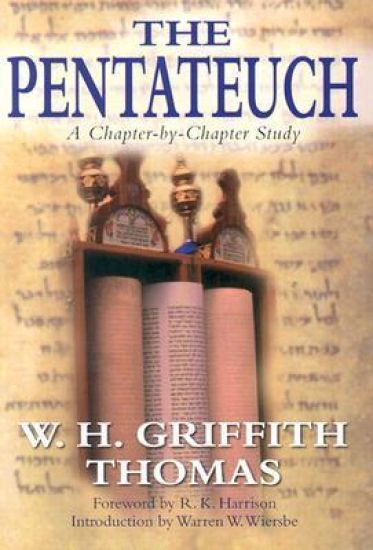
A valuable collection of notes on the first five books of the Bible. Each section begins with a helpful introduction followed by a chapter-by-chapter study of the text.

William Henry Giles Kingston (28 February 1814 - 5 August 1880), often credited as W. H. G. Kingston, was an English writer of boys' adventure novels. His first book The Circassian Chief appeared in 1844. His first book for boys Peter the Whaler was published in 1851 and had such success that he retired from business and devoted himself entirely to the production of this kind of literature and, during 30 years, he wrote upwards of 130 tales. He also conducted various papers, including The Colonist and Colonial Magazine and East India Review. He was also interested in emigration, volunteering, and various philanthropic schemes. He received a Portuguese knighthood for services in negotiating a commercial treaty with Portugal, and a Government pension for his literary labours.
Voyages and Travels of Count Funnibos and Baron Stilkin (Esprios Classics)
W H G Kingston
Blurb
2024
pokkari
William Henry Giles Kingston (28 February 1814 - 5 August 1880), often credited as W. H. G. Kingston, was an English writer of boys' adventure novels. His first book The Circassian Chief appeared in 1844. His first book for boys Peter the Whaler was published in 1851 and had such success that he retired from business and devoted himself entirely to the production of this kind of literature and, during 30 years, he wrote upwards of 130 tales. He also conducted various papers, including The Colonist and Colonial Magazine and East India Review. He was also interested in emigration, volunteering, and various philanthropic schemes. He received a Portuguese knighthood for services in negotiating a commercial treaty with Portugal, and a Government pension for his literary labours.
William Henry Giles Kingston (28 February 1814 - 5 August 1880), often credited as W. H. G. Kingston, was an English writer of boys' adventure novels. His first book The Circassian Chief appeared in 1844. His first book for boys Peter the Whaler was published in 1851 and had such success that he retired from business and devoted himself entirely to the production of this kind of literature and, during 30 years, he wrote upwards of 130 tales. He also conducted various papers, including The Colonist and Colonial Magazine and East India Review. He was also interested in emigration, volunteering, and various philanthropic schemes. He received a Portuguese knighthood for services in negotiating a commercial treaty with Portugal, and a Government pension for his literary labours.
William Henry Giles Kingston (28 February 1814 - 5 August 1880), often credited as W. H. G. Kingston, was an English writer of boys' adventure novels. His first book The Circassian Chief appeared in 1844. His first book for boys Peter the Whaler was published in 1851 and had such success that he retired from business and devoted himself entirely to the production of this kind of literature and, during 30 years, he wrote upwards of 130 tales. He also conducted various papers, including The Colonist and Colonial Magazine and East India Review. He was also interested in emigration, volunteering, and various philanthropic schemes. He received a Portuguese knighthood for services in negotiating a commercial treaty with Portugal, and a Government pension for his literary labours.

William Henry Giles Kingston (28 February 1814 - 5 August 1880), often credited as W. H. G. Kingston, was an English writer of boys' adventure novels. His first book The Circassian Chief appeared in 1844. His first book for boys Peter the Whaler was published in 1851 and had such success that he retired from business and devoted himself entirely to the production of this kind of literature and, during 30 years, he wrote upwards of 130 tales. He also conducted various papers, including The Colonist and Colonial Magazine and East India Review. He was also interested in emigration, volunteering, and various philanthropic schemes. He received a Portuguese knighthood for services in negotiating a commercial treaty with Portugal, and a Government pension for his literary labours.
William Henry Giles Kingston (28 February 1814 - 5 August 1880), often credited as W. H. G. Kingston, was an English writer of boys' adventure novels. His first book The Circassian Chief appeared in 1844. His first book for boys Peter the Whaler was published in 1851 and had such success that he retired from business and devoted himself entirely to the production of this kind of literature and, during 30 years, he wrote upwards of 130 tales. He also conducted various papers, including The Colonist and Colonial Magazine and East India Review. He was also interested in emigration, volunteering, and various philanthropic schemes. He received a Portuguese knighthood for services in negotiating a commercial treaty with Portugal, and a Government pension for his literary labours.
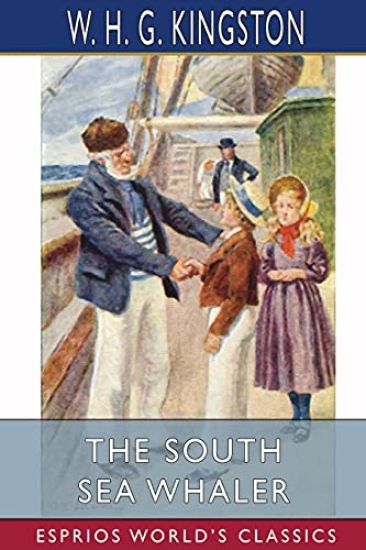
William Henry Giles Kingston (28 February 1814 - 5 August 1880), often credited as W. H. G. Kingston, was an English writer of boys' adventure novels. His first book The Circassian Chief appeared in 1844. His first book for boys Peter the Whaler was published in 1851 and had such success that he retired from business and devoted himself entirely to the production of this kind of literature and, during 30 years, he wrote upwards of 130 tales. He also conducted various papers, including The Colonist and Colonial Magazine and East India Review. He was also interested in emigration, volunteering, and various philanthropic schemes. He received a Portuguese knighthood for services in negotiating a commercial treaty with Portugal, and a Government pension for his literary labours.

William Henry Giles Kingston (28 February 1814 - 5 August 1880), often credited as W. H. G. Kingston, was an English writer of boys' adventure novels. His first book The Circassian Chief appeared in 1844. His first book for boys Peter the Whaler was published in 1851 and had such success that he retired from business and devoted himself entirely to the production of this kind of literature and, during 30 years, he wrote upwards of 130 tales. He also conducted various papers, including The Colonist and Colonial Magazine and East India Review. He was also interested in emigration, volunteering, and various philanthropic schemes. He received a Portuguese knighthood for services in negotiating a commercial treaty with Portugal, and a Government pension for his literary labours.