Tothom a la vida passa atacs psic tics i potser ni se n'adona- Aquest llibre s una manera d'estimar i integrar les dolences ps quiques en la m s pura normalitat quotidiana.
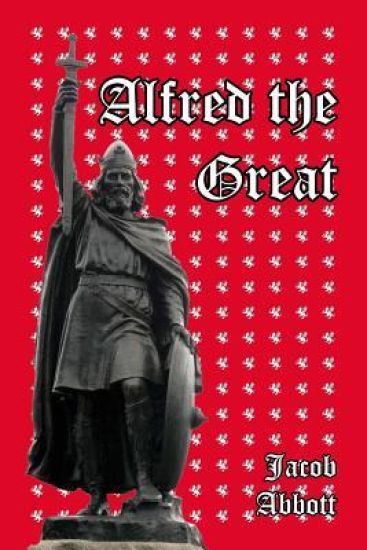
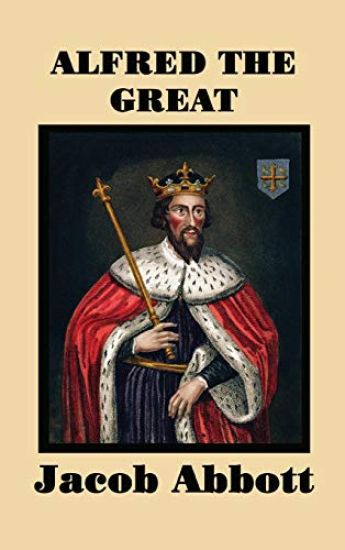
The story of England's greatest king of all time is a tale of war, peace, bravery, learning, and strength of character-and, in the end, the victory of enlightenment over darkness.Told by master storyteller Jacob Abbott, the tale begins with a discussion on racial origins-and an eye-opening, if brief, sweep of European racial history-before moving on to discuss the origins of the original Britons, the Anglo-Saxons, and the Danes, all of whom played important roles in British history over a millennium ago.As always, Abbott is careful to distinguish confirmed fact from mythology, and is at pains to point out what is certain and what is not-bearing in mind that Alfred ruled a mere 800 years after Julius Caesar. From that basis, the story of Alfred is told from his early years onward, his crowning as king, the early battles-and defeats-and his ultimately successful defense against the Viking attempt at conquest.This book also delves into Alfred's numerous social policies which were pioneering at the time. His promotion of education, the building of roads and towns, and many other achievements-including the invention of the lantern-greatly accelerated the civilizational development of England.The only monarch of the British Isles to be given the name "Great," Alfred's contribution to history towers above those of his contemporaries. It is not for naught that his name has eclipsed all other kings and queens of England for over one thousand years..."Alfred spent his life in laying broad and deep the foundations on which the enormous superstructure of the British empire has since been reared. If the tales respecting his character and deeds which have come down to us are at all worthy of belief, he was an honest, conscientious, disinterested, and far-seeing statesman. If the system of hereditary succession would always furnish such sovereigns for mankind, the principle of loyalty would have held its place much longer in the world than it is now likely to do, and great nations, now republican, would have been saved a vast deal of trouble and toil expended in the election of their rulers."ContentsChapter I: The BritonsChapter II: The Anglo-SaxonsChapter III: The DanesChapter IV: Alfred's Early YearsChapter V: State of EnglandChapter VI: Alfred's Accession to the ThroneChapter VII: ReversesChapter VIII: The SeclusionChapter IX: Reassembling of the ArmyChapter X: The Victory over the DanesChapter XI: Character of Alfred's ReignChapter XII: The Close of LifeChapter XIII: The Sequel
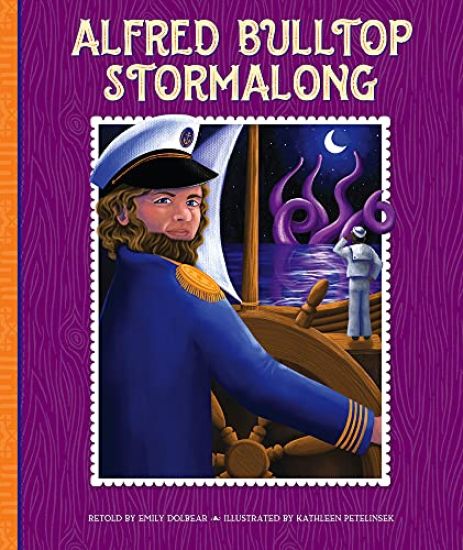
Tall tale of Alfred Bulltop Stormalong, giant sailor and captain of a huge ship called the Courser--a ship so tall it had masts with hinges so it didn't get caught on the moon. Additional features to aid comprehension include background information and historical context of the tale, and an introduction to the author and illustrator.
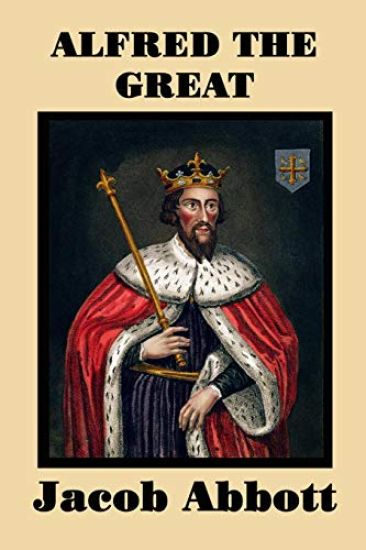
Follow the life and rule of Alfred the Great, King of Wessex circa 871 to 899, and one of best and most famous kings in the history of England. Jacob Abbot's account of the king separates fact from fiction, illuminating readers about the life of this pioneering ruler, who promoted literacy and education, restructured the tax system, and led his kingdom to victory against invading forces. Before he was king, Alfred fought in battle against the invading Danes. When his older brother, and current king, was killed during battle, the throne went to Alfred. Coronated at the young age of twenty-one, Alfred the Great inherited the Anglo-Saxon throne in a time of ongoing war. By the time he assumed the throne, the Danes had been actively invading and overthrowing settlements for five years, though their attacks had started long before that. Maintaining his reputation as an intelligent and merciful man, and using his knowledge as a military veteran, Alfred the Great led his kingdom to victory over the Danes, ending the Viking’s invasion. After the war, King Alfred continued to lead in a virtuous manor, earning the respect and praise of his subjects.King Alfred was a man of strong faith and truly loved his people. He pioneered many social policies, including promoting literacy and education, restructuring the taxation system, and strengthening foreign relations.Though he was among the best rulers in the history of England, much of the information scholars previously held about Alfred the Great was riddled with legends and myths, making it difficult to understand the truth about the great king. Alfred the Great by Jacob Abbott is considered to be a culturally significant and detailed account of the life of Alfred the Great, and was one of the first biographies published about the man that was widely accepted by scholars to be wholly accurate. As an experienced writer for children, Jacob Abbott’s work is accessible and exciting.Now reprinted in an easy to read and modern font, paired with an eye-catching cover design, this edition of Jacob Abbott’s Alfred the Great is an approachable biography, ready to entertain and educate readers of various demographics on a legendary leader.
Follow the life and rule of Alfred the Great, King of Wessex circa 871 to 899, and one of best and most famous kings in the history of England. Jacob Abbot's account of the king separates fact from fiction, illuminating readers about the life of this pioneering ruler, who promoted literacy and education, restructured the tax system, and led his kingdom to victory against invading forces. Before he was king, Alfred fought in battle against the invading Danes. When his older brother, and current king, was killed during battle, the throne went to Alfred. Coronated at the young age of twenty-one, Alfred the Great inherited the Anglo-Saxon throne in a time of ongoing war. By the time he assumed the throne, the Danes had been actively invading and overthrowing settlements for five years, though their attacks had started long before that. Maintaining his reputation as an intelligent and merciful man, and using his knowledge as a military veteran, Alfred the Great led his kingdom to victory over the Danes, ending the Viking’s invasion. After the war, King Alfred continued to lead in a virtuous manor, earning the respect and praise of his subjects.King Alfred was a man of strong faith and truly loved his people. He pioneered many social policies, including promoting literacy and education, restructuring the taxation system, and strengthening foreign relations.Though he was among the best rulers in the history of England, much of the information scholars previously held about Alfred the Great was riddled with legends and myths, making it difficult to understand the truth about the great king. Alfred the Great by Jacob Abbott is considered to be a culturally significant and detailed account of the life of Alfred the Great, and was one of the first biographies published about the man that was widely accepted by scholars to be wholly accurate. As an experienced writer for children, Jacob Abbott’s work is accessible and exciting.Now reprinted in an easy to read and modern font, paired with an eye-catching cover design, this edition of Jacob Abbott’s Alfred the Great is an approachable biography, ready to entertain and educate readers of various demographics on a legendary leader.
Jacob Abbott was a prolific author, writing juvenile fiction, brief histories, biographies, religious books for the general reader, and a few works in popular science. Check out the following list of books to take and exciting, informative, and easy to understand stroll through history Alexander the Great, Alfred the Great, Charles I, Charles II, Cleopatra, Cyrus the Great, Darius the Great, Ghengis Khan, Hannibal, History of Julius Caesar, Margaret of Anjou, Mary, Queen of Scots, Nero, Peter the Great, Pyyrhus, Queen Elizabeth, Richard I, Richard II, Richard III, Romulus, William the Conqueror, Xerxes