

Kirjahaku
Etsi kirjoja tekijän nimen, kirjan nimen tai ISBN:n perusteella.
1000 tulosta hakusanalla Susan Sherrell
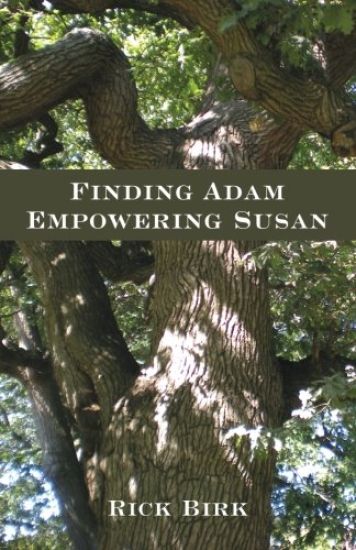
Adam Evans always felt he was a little different, although he never could put his finger on exactly why. One thing was for certain: struggling with the paralyzing anxiety disorder known as agoraphobia didn't help matters any. There had to be more to this irrational fear than simple psychological malaise.In his quest to overcome this disability, Adam would delve deep into his own mind and discover a connection buried deep beneath generations of angst. He would learn more about himself - and the link to a dark chapter in American history - than he ever could have imagined.
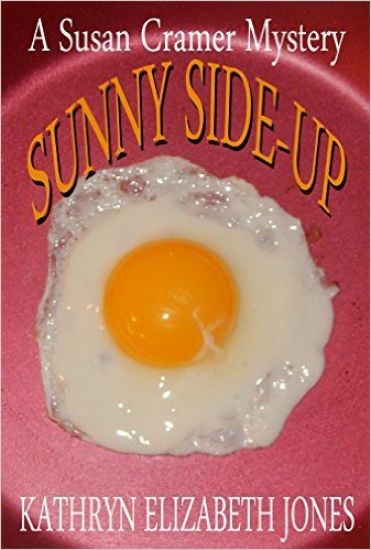
Susan Cramer was desperately in need of a vacation, but not at the expense of another dead man. A leisurely vacation turns deadly when an old man falls dead at Susan's feet on the cruise ship Aloha. Was she some sort of death magnet? Maybe so. Maybe not.One thing was for sure. Through the lies, secrets, and surprises to be discovered on board and off, Susan will learn at least one important thing, and this thing called "love" will be something she wished had never followed her out to the high seas.
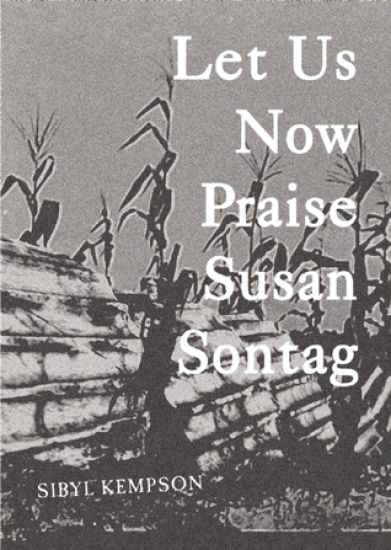
Set in Alabama at the scene of James Agee and Walker Evans's famous reporting, Let Us Now Praise Susan Sontag brings Sibyl Kempson's attention to the ethical snares of poetic journalism and what it means to work on the land. She interrogates the strange energy of images, both their potential to anesthetize response, and their invitation to be approached as hermeneutic thresholds between visible and invisible orders. Interwoven with sources from Agee and Walker to Sontag, to inscriptions on Assyrian mythological seals, and nested in a set of images from other performances, the play holds forth in its own genre, a bad-ventriloquism visitation seed-eating prayer ceremony with songs. The entire score, composed by Kempson's longtime collaborator Ashley Turba, completes the book.
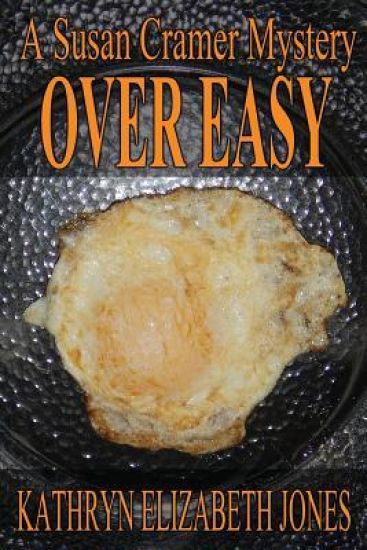
Is anything ever over EASY?When a young woman is found dead at the yearly Halloween Bazaar, Susan's life becomes anything but easy. So, she's a magnet again, attracting death like lint. In the midst of Henry's heart problems, and her daughter's great desire to be the next teen detective, Susan is befuddled about the murder weapon. A stiletto heel of all things. The truth?Her family wants to help. Well, all except for Oscar. Still, finding the murderer of a college student is about as easy as eating mud pie, or the not too distant - runny egg.



"Harassed" writes: "Your answers to correspondents are exceedingly clear, and when I read them I say, ‘That is just the answer I should think of’, though I believe I should have great difficulty when it came actually to putting it into words! However, I cannot answer my own problems, so will you please help me?" (20 August 1930)This much-needed collection brings together the columns of parenting adviser Ursula Wise, "agony aunt" for The Nursery World between 1929 and 1936, and pseudonym for the eminent educationalist and pioneering psychoanalyst Susan Isaacs.Wise’s replies, informed by theories in education, psychology and psychoanalysis, provide an insight into the development of modern, child-centred attitudes to parenting, with remarkably fresh and relevant advice. The letters are passionate, urgent, occasionally provocative, sometimes funny and always thoughtful. Topics from behaviour and temperament, anxieties and phobias, to play and education are explored and each theme is introduced and contextualised in contemporary parenting approaches.Bringing pivotal theories from the fields of education, child psychology and psychoanalysis into dialogue, this is an essential read for early years practitioners, teachers, course leaders and those studying in the field of early years education and child psychoanalysis. The continued relevance of Isaacs’ advice for modern parenting also makes this an enjoyable and informative read for parents. It is also an excellent resource for those interested in social history and the little known contributions made by women pioneers.
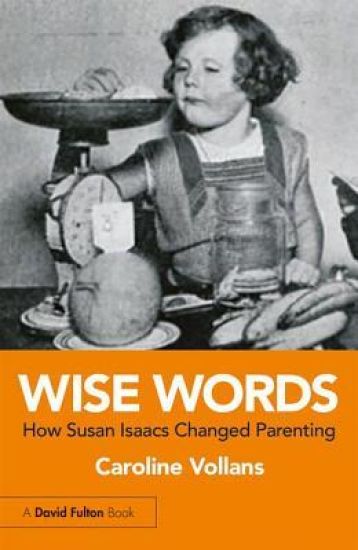
"Harassed" writes: "Your answers to correspondents are exceedingly clear, and when I read them I say, ‘That is just the answer I should think of’, though I believe I should have great difficulty when it came actually to putting it into words! However, I cannot answer my own problems, so will you please help me?" (20 August 1930)This much-needed collection brings together the columns of parenting adviser Ursula Wise, "agony aunt" for The Nursery World between 1929 and 1936, and pseudonym for the eminent educationalist and pioneering psychoanalyst Susan Isaacs.Wise’s replies, informed by theories in education, psychology and psychoanalysis, provide an insight into the development of modern, child-centred attitudes to parenting, with remarkably fresh and relevant advice. The letters are passionate, urgent, occasionally provocative, sometimes funny and always thoughtful. Topics from behaviour and temperament, anxieties and phobias, to play and education are explored and each theme is introduced and contextualised in contemporary parenting approaches.Bringing pivotal theories from the fields of education, child psychology and psychoanalysis into dialogue, this is an essential read for early years practitioners, teachers, course leaders and those studying in the field of early years education and child psychoanalysis. The continued relevance of Isaacs’ advice for modern parenting also makes this an enjoyable and informative read for parents. It is also an excellent resource for those interested in social history and the little known contributions made by women pioneers.
The Case of Rebellious Susan
Kessinger Publishing
2010
pokkari
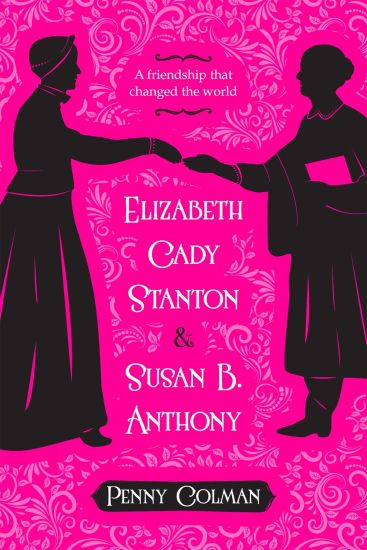
In the spring of 1851 two women met on a street corner in Seneca Falls, New York - Elizabeth Cady Stanton, a thirty-five year old mother of four boys, and Susan B. Anthony, a thirty-one year old, unmarried, former school teacher. Immediately drawn to each other, they formed an everlasting and legendary friendship. Together, they challenged entrenched beliefs, customs, and laws that oppressed women and spearheaded the fight to gain legal rights, including the right to vote despite fierce opposition, daunting conditions, scandalous entanglements and betrayal by their friends and allies. Weaving events, quotations, personalities, and commentary into a page-turning narrative, Penny Colman tells this compelling story and vividly portrays a friendship that changed the world.