An Essay on the Development of Christian Doctrine, reprinted from the 1878 edition, "is rightly regarded as one of the most seminal theological works ever to be written," states Ian Ker in his foreword to this sixth edition. "It remains," Ker continues, "the classic text for the theology of the development of doctrine, a branch of theology which has become especially important in the ecumenical era." John Henry Cardinal Newman begins the Essay by defining how true developments in doctrine occur. He then delivers a sweeping consideration of the growth of doctrine in the Catholic Church from the time of the Apostles to his own era. He demonstrates that the basic "rule" under which Christianity proceeded through the centuries is to be found in the principle of development, and he emphasizes that throughout the entire life of the Church this principle has been in effect and safeguards the faith from any corruption.
An Essay on the Development of Christian Doctrine, reprinted from the 1878 edition, "is rightly regarded as one of the most seminal theological works ever to be written," states Ian Ker in his foreword to this sixth edition. "It remains," Ker continues, "the classic text for the theology of the development of doctrine, a branch of theology which has become especially important in the ecumenical era." John Henry Cardinal Newman begins the Essay by defining how true developments in doctrine occur. He then delivers a sweeping consideration of the growth of doctrine in the Catholic Church from the time of the Apostles to his own era. He demonstrates that the basic "rule" under which Christianity proceeded through the centuries is to be found in the principle of development, and he emphasizes that throughout the entire life of the Church this principle has been in effect and safeguards the faith from any corruption.
Written in the course of his conversion to Catholicism, Newman's "Essay on the Development of Christian Doctrine" ranks among the most decisive breakthroughs in systematic and historical theology of the modern era. Newman confronts the age-old problem, which he had wrestled with for his entire life, of how Christian doctrine can develop over time while retaining its roots in the original revelation of Christ. Newman first shows that constructive development is a natural, even predictable consequence of Christ's investment of authority in the Church. He then provides clear, historically grounded criteria for distinguishing authentic developments from false novelties and fads. The result is a profound interpretation and defense of the Church's mission and of its power to proclaim the whole counsel of God.
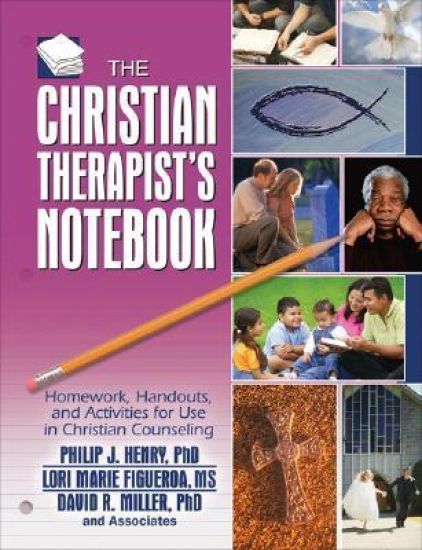
Provide professionally sound and principled therapy based on the truth of GodChristians are faced with the same range of problems as everyone else. However, Christian therapists understand deeply the unique issues involved with their therapy. The Christian Therapist’s Notebook is a single source for innovative, user-friendly techniques for connecting the everyday world of the client with Christian principles and Scripture. This creative, timesaving guide assists therapists in helping clients achieve therapy goals through professionally sound and principled exercises while always maintaining a positive, supportive connection with Christian beliefs. Helpful features include Scripture references relevant to common problems, case studies, vignettes, professional resource lists, client resource lists, in-session exercises, homework exercises, and handouts.The Christian Therapist’s Notebook bases its success on three foundations: the truth of scripture; the centrality of Christ; and the guidance of the Holy Spirit. The book’s three sections include individuals, couples and families, and children and adolescents. Each chapter focuses on a single exercise to address an important issue that may be affecting the client. Chapters provide a guiding Scripture quote, an objective, rationale for use, clear and specific instructions, suggestions for a follow-up, a vignette illustrating the exercise’s success, contraindications, extensive resources, and related Scriptures.The Christian Therapist’s Notebook exercises include: A New Creation, which uses a Christogram to personalize the Biblical promises and truths of the spiritual transformation Snapshots, which reveals repetitive behavior patterns in relationships Core Connections, which helps the client explore the organization of relational core connections to other people as well as to God Temptation Judo, which explores the connection between temptation and needs while uncovering God’s promise of escape Broken Mirrors, which identifies unresolved issues affecting self-image and moves the client to a personal relationship with God The Book of My Life, which helps identify situations and people that have had an impact on clients, while helping them to acknowledge that God has a plan for them Tearing Down Strongholds, which helps take the client through the process of repentance It Was Wrong, which helps abuse victims deal with pain and frustration Bowing Down, which helps to restore a healthy relationship Panic Breaker, which helps get to the root of client fears Parenting after Divorce Self-esteem, which helps children with self-concept and many, many more!The Christian Therapist’s Notebook is the answer for practicing therapists, counselors, interns, pastors, educators, and students searching for activities for client therapy based upon the truth of God.