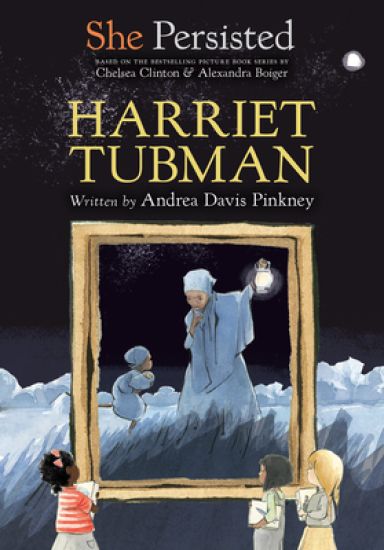
Born enslaved, Harriet Tubman rose up to become one of the most successful, determined and well-known conductors of the Underground Railroad. With her family’s love planted firmly in her heart, Harriet looked to the North Star for guidance - and its light helped guide her way out of slavery. Her courage made it possible for her to help others reach freedom too. In this chapter book biography by bestselling and award-winning author Andrea Davis Pinkney, readers learn about the amazing life of Harriet Tubman - and how she persisted. Complete with an introduction from Chelsea Clinton!
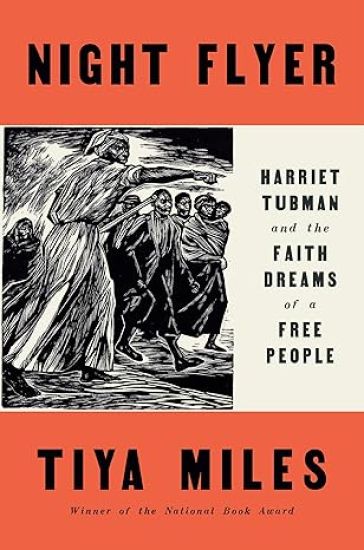
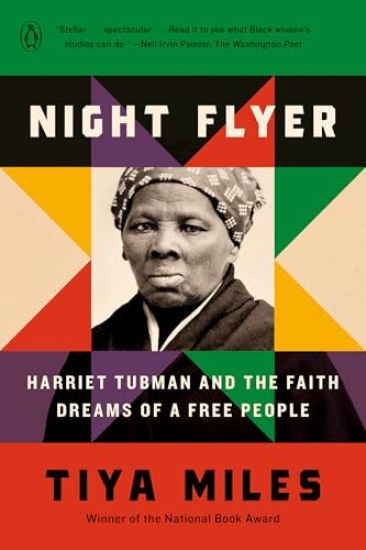
Finalist for the National Book Critics Circle Award in Biography - A Washington Post Notable Book - Finalist for the PEN America Literary Award -One of Smithsonian Magazine's Ten Best History Books of the Year - One of AAIHS's Best Black History Books of 2024 "Though broad strokes of Tubman's story are widely known, Miles probes deeper, examining her inner life, faith and relationships with other enslaved Black women to paint a deeper, more vibrant portrait of a historical figure whose mythic status can sometimes overshadow her humanity." -The New York Times From the National Book Award-winning author of All That She Carried, an intimate and revelatory reckoning with the myth and the truth behind an American everyone knows and few really understand Harriet Tubman is among the most famous Americans ever born and soon to be the face of the twenty-dollar bill. Yet often she's a figure more out of myth than history, almost a comic-book superhero. Despite being barely five feet tall, unable to read, and suffering from a brain injury, she managed to escape from her own enslavement, return again and again to lead others north to freedom without loss of life, speak out powerfully against slavery, and then become the first American woman in history to lead a military raid, freeing some seven hundred people. You could almost say she's America's Robin Hood, a miraculous vision, often rightly celebrated but seldom understood. Tiya Miles's extraordinary Night Flyer changes all that. With her characteristic tenderness and imaginative genius, Miles explores beyond the stock historical grid to weave Tubman's life into the fabric of her world. She probes the ecological reality of Tubman's surroundings and examines her kinship with other enslaved women who similarly passed through a spiritual wilderness and recorded those travels in profound and moving memoirs. What emerges, uncannily, is a human being whose mysticism becomes more palpable the more we understand it--a story that offers us powerful inspiration for our own time of troubles. Harriet Tubman traversed many boundaries, inner and outer. Now, thanks to Tiya Miles, she becomes an even clearer and sharper signal from the past, one that can help us to echolocate a more just and sustainable path.
Finalist for the National Book Critics Circle Award in Biography - A Washington Post Notable Book - Finalist for the PEN America Literary Award -One of Smithsonian Magazine's Ten Best History Books of the Year - One of AAIHS's Best Black History Books of 2024 "Though broad strokes of Tubman's story are widely known, Miles probes deeper, examining her inner life, faith and relationships with other enslaved Black women to paint a deeper, more vibrant portrait of a historical figure whose mythic status can sometimes overshadow her humanity." -The New York Times From the National Book Award-winning author of All That She Carried, an intimate and revelatory reckoning with the myth and the truth behind an American everyone knows and few really understand Harriet Tubman is among the most famous Americans ever born and soon to be the face of the twenty-dollar bill. Yet often she's a figure more out of myth than history, almost a comic-book superhero. Despite being barely five feet tall, unable to read, and suffering from a brain injury, she managed to escape from her own enslavement, return again and again to lead others north to freedom without loss of life, speak out powerfully against slavery, and then become the first American woman in history to lead a military raid, freeing some seven hundred people. You could almost say she's America's Robin Hood, a miraculous vision, often rightly celebrated but seldom understood. Tiya Miles's extraordinary Night Flyer changes all that. With her characteristic tenderness and imaginative genius, Miles explores beyond the stock historical grid to weave Tubman's life into the fabric of her world. She probes the ecological reality of Tubman's surroundings and examines her kinship with other enslaved women who similarly passed through a spiritual wilderness and recorded those travels in profound and moving memoirs. What emerges, uncannily, is a human being whose mysticism becomes more palpable the more we understand it--a story that offers us powerful inspiration for our own time of troubles. Harriet Tubman traversed many boundaries, inner and outer. Now, thanks to Tiya Miles, she becomes an even clearer and sharper signal from the past, one that can help us to echolocate a more just and sustainable path.
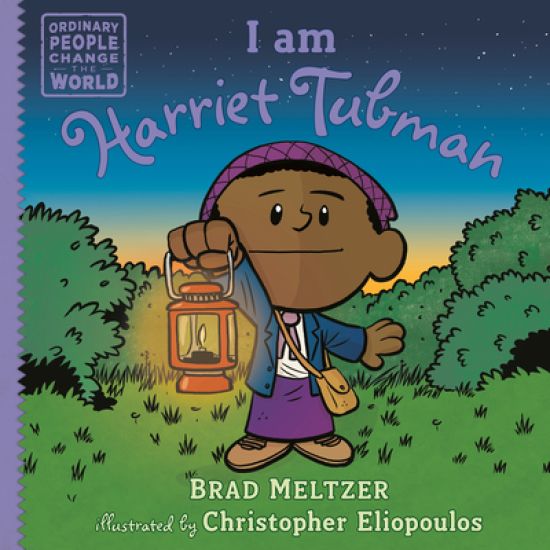
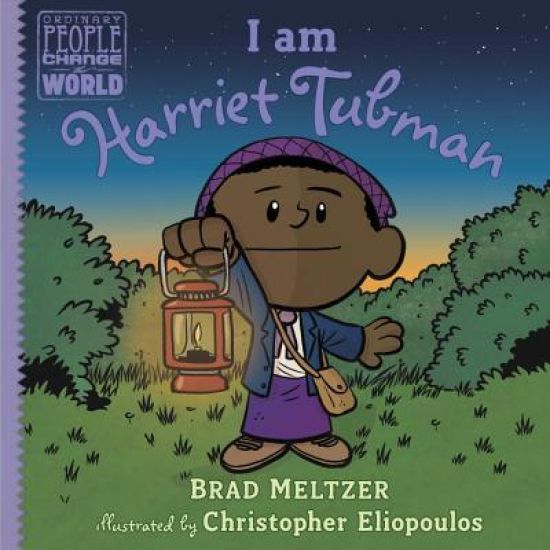
Harriet Tubman's heroic and pivotal role in the fight against slavery is the subject of the fourteenth picture book in this New York Times bestselling biography series.This friendly, fun biography series focuses on the traits that made our heroes great--the traits that kids can aspire to in order to live heroically themselves. Each book tells the story of one of America's icons in a lively, conversational way that works well for the youngest nonfiction readers and that always includes the hero's childhood influences. At the back are an excellent timeline and photos. After escaping from slavery herself, Harriet Tubman risked her life and her freedom to help other enslaved people reach safety via the Underground Railroad. She is one of America's most important humanitarian and civil rights heroes. This friendly, fun biography series inspired the PBS Kids TV show Xavier Riddle and the Secret Museum. One great role model at a time, these books encourage kids to dream big. Included in each book are: • A timeline of key events in the hero’s history • Photos that bring the story more fully to life • Comic-book-style illustrations that are irresistibly adorable • Childhood moments that influenced the hero • Facts that make great conversation-starters • A virtue this person embodies: Harriet Tubman's selflessness and commitment to freeing other enslaved people is spotlighted in this biography. You’ll want to collect each book in this dynamic, informative series!
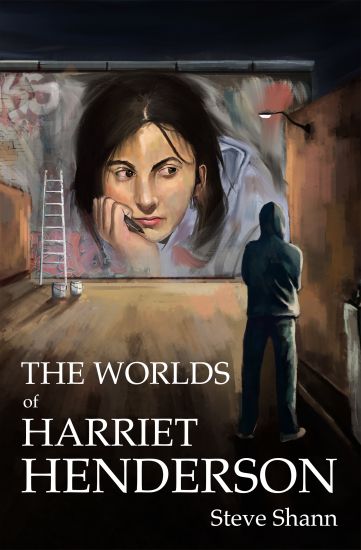
A novel about a fifteen-year-old Australian girl and the worlds she makes along with her grandfather, English teacher and a friend. This novel will appeal particularly to those interested in what goes on in classrooms and in the thoughts and imaginations of our young.
This friendly, fun biography series focuses on the traits that made our heroes great - the traits that kids can aspire to in order to live heroically themselves. Each book tells the story of one of America's icons in a lively, conversational way that works well for the youngest nonfiction readers and that always includes the hero's childhood influences. At the back are an excellent timeline and photos. This volume focuses on Harriet Tubman's brave heroism as part of the movement to abolish slavery. As one of the key players in the Underground Railroad, she helped enslaved African Americans escape and find freedom.
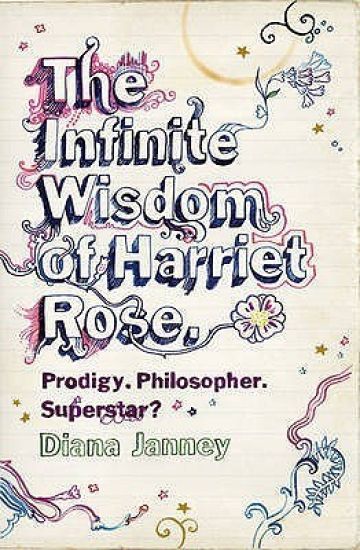
Harriet Rose, like any other teenager, is naïve, overconfident and has always felt she has something important to say. However, unlike most of her peers, her hero is Marcus Aurelius, in imitation of whom she has been composing philosophical reflections on life for some time. When Harriet's father dies, the urge to write these meditations is greater than ever. Then, on her fourteenth birthday, she receives a unique gift. Her doting mother and grandmother have had her by-now-substantial collection of meditations published. Having appointed themselves roles - Mother: publicist; Nana: sales rep; Harriet: esteemed author - they vow to get the book into the hands of a wide readership. Once this formidable team gets into gear, there's no holding back, and Harriet is hurled into a lifestyle that not even she, in all her infinite wisdom, could have been prepared for. Bookshop orders soon stack up, and Harriet is plunged into a whirlwind of launch parties, newspaper coverage and television appearances. But is all this attention exactly what she thinks? And, more importantly, can her happiness - or her naivete - last?
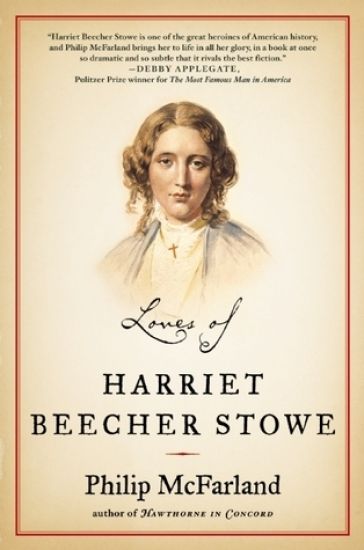
"So this is the little woman who wrote the book that made this big war!" Abraham Lincoln is reputed to have said when he met the author of Uncle Tom's Cabin on the eve of the Emancipation Proclamation. Harriet Beecher Stowe's groundbreaking novel forced an ambivalent North to confront the atrocities of slavery, yet it was just one of many accomplishments of the Beechers, the most eminent American family of the nineteenth century. Historian Philip McFarland follows the Beecher clan to the boomtown of Cincinnati, where Harriet's glimpses of slavery across the Kentucky border moved her to pen Uncle Tom's Cabin. We meet Harriet's loves: her father Lyman, her husband Calvin, and her brother Henry, the most famous preacher of his time. As McFarland leads us through Harriet's ever-changing world, he traces the arc of her literary career from her hard-scrabble beginnings to her ascendancy as the most renowned author of her day. Through the portrait of a defining American family, Loves of Harriet Beecher Stowe opens into an unforgettable rendering of mid-nineteenth century America in the midst of unprecedented social and demographic explosions. To this day, Uncle Tom's Cabin reverberates as a crucial document in Western culture.
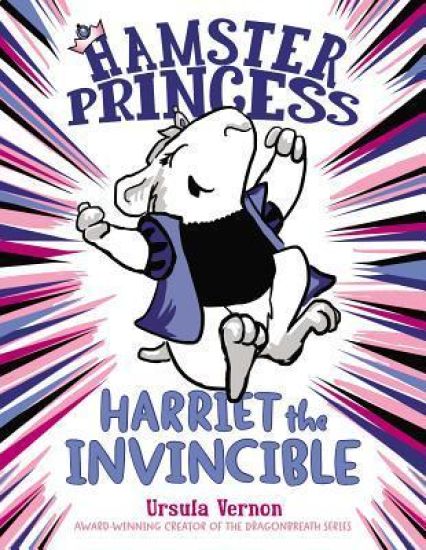
Harriet Hamsterbone is not your typical princess. She may be quite stunning in the rodent realm (you'll have to trust her on this one), but she is not so great at trailing around the palace looking ethereal or sighing a lot. She finds the royal life rather...dull. One day, though, Harriet's parents tell her of the curse that a rat placed on her at birth, dooming her to prick her finger on a hamster wheel when she's twelve and fall into a deep sleep. For Harriet, this is most wonderful news: It means she's invincible until she's twelve! After all, no good curse goes to waste. And so begins a grand life of adventure with her trusty riding quail, Mumfrey...until her twelfth birthday arrives and the curse manifests in a most unexpected way.
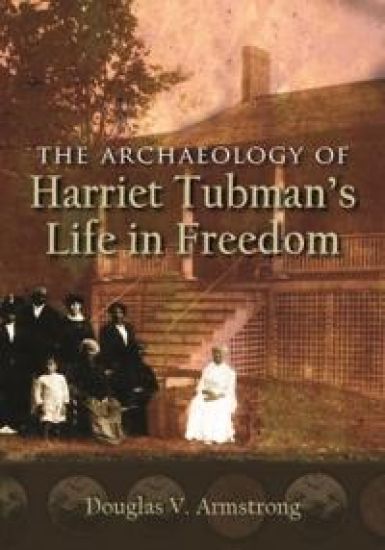
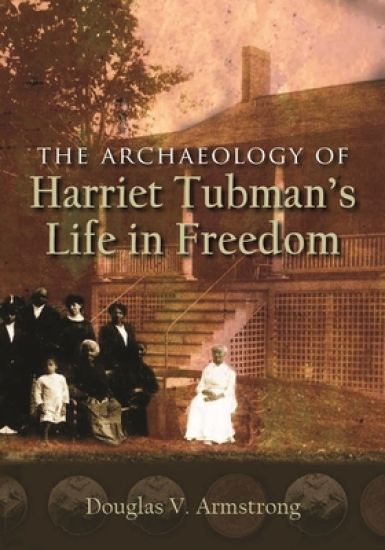
Harriet Tubman's social activism as well as her efforts as a soldier, nurse, and spy have been retold in countless books and films and have justly elevated her to iconic status in American history. Given her fame and contributions, it is surprising how little is known of her later years and her continued efforts for social justice, women's rights, and care for the elderly. Tubman housed and cared for her extended family, parents, brothers, sisters, nieces, and nephews, as well as many other African Americans seeking refuge. Ultimately her house just outside of Auburn, New York, would become a focal point of Tubman's expanded efforts to provide care to those who came to her seeking shelter and support, in the form of the Harriet Tubman Home for the Aged.In this book, Armstrong reconstructs and interprets Tubman's public and private life in freedom through integrating his archaeological findings with historical research. The material record Tubman left behind sheds vital light on her life and the ways in which she interacted with local and national communities, giving readers a fuller understanding of her impact on the lives of African Americans. Armstrong's research is part of a wider effort to enhance public interpretation and engagement with the Harriet Tubman Home.
Harriet Tubman's social activism as well as her efforts as a soldier, nurse, and spy have been retold in countless books and films and have justly elevated her to iconic status in American history. Given her fame and contributions, it is surprising how little is known of her later years and her continued efforts for social justice, women's rights, and care for the elderly. Tubman housed and cared for her extended family, parents, brothers, sisters, nieces, and nephews, as well as many other African Americans seeking refuge. Ultimately her house just outside of Auburn, New York, would become a focal point of Tubman's expanded efforts to provide care to those who came to her seeking shelter and support, in the form of the Harriet Tubman Home for the Aged.In this book, Armstrong reconstructs and interprets Tubman's public and private life in freedom through integrating his archaeological findings with historical research. The material record Tubman left behind sheds vital light on her life and the ways in which she interacted with local and national communities, giving readers a fuller understanding of her impact on the lives of African Americans. Armstrong's research is part of a wider effort to enhance public interpretation and engagement with the Harriet Tubman Home.
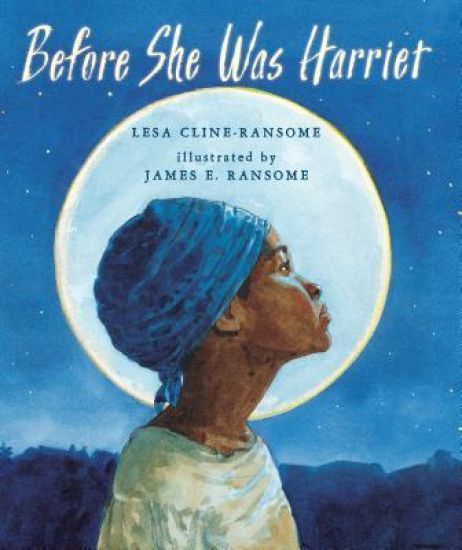
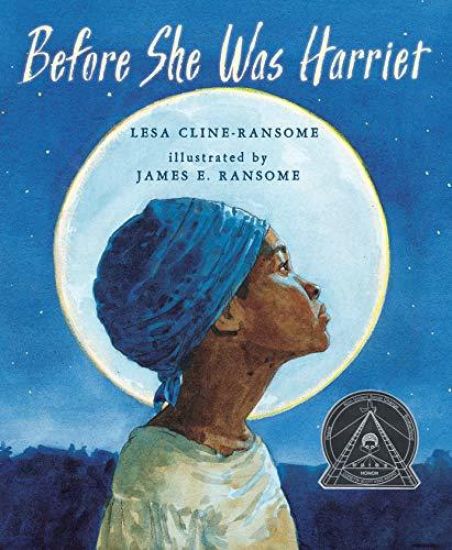
Who was Harriet Tubman before she was Harriet? We know her today as Harriet Tubman, but in her lifetime she was called by many names. As General Tubman she was a Union spy. As Moses she led hundreds to freedom on the Underground Railroad. As Minty she was a slave whose spirit could not be broken. As Araminta she was a young girl whose father showed her the stars and the first steps on the path to freedom. An evocative poem and stunning watercolors come together to honor a woman of humble origins whose courage and compassion make her a larger than life hero. A lush and lyrical biography of Harriet Tubman, written in verse and illustrated by James Ransome, winner of the Coretta Scott King medal for The Creation.A Junior Library Guild SelectionA Coretta Scott King Honor BookA Christopher Award winnerA Jane Addams Children's Honor BookA Booklist Top of the List selection
An evocative poem and stunning watercolors come together to honor an American heroine in a Coretta Scott King Honor and Christopher Award-winning picture book. We know her today as Harriet Tubman, but in her lifetime she was called by many names. As General Tubman she was a Union spy. As Moses she led hundreds to freedom on the Underground Railroad. As Minty she was a slave whose spirit could not be broken. As Araminta she was a young girl whose father showed her the stars and the first steps on the path to freedom. This lush, lyrical biography in verse begins with a glimpse of Harriet Tubman as an old woman, and travels back in time through the many roles she played through her life: spy, liberator, suggragist and more. Illustrated by James Ransome, whose paintings for The Creation won a Coretta Scott King medal, this is a riveting introduction to an American hero. The paperback edition includes a new author's note, and a list of resources for further study. - A Junior Library Guild Selection - A Coretta Scott King Honor Book - A Christopher Award winner - A Jane Addams Children's Honor Book
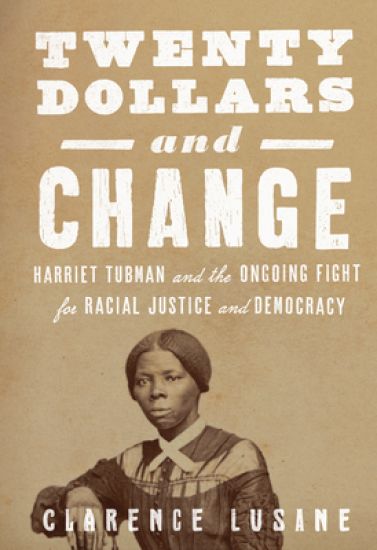
Twenty Dollars and Change places Harriet Tubman’s life and legacy in a long tradition of resistance, illuminating the ongoing struggle to realize a democracy in which her emancipatory vision prevails.America is in the throes of a historic reckoning with racism, with the battle for control over official narratives at ground zero. Across the country, politicians, city councils, and school boards are engaged in a highly polarized debate about whose accomplishments should be recognized, and whose point of view should be included in the telling of America’s history.In Twenty Dollars and Change, political scientist Clarence Lusane, author of the acclaimed The Black History of the White House, writes from a basic premise: Racist historical narratives and pervasive social inequities are inextricably linked—changing one can transform the other. Taking up the debate over the future of the twenty-dollar bill, Lusane uses the question of Harriet Tubman vs. Andrew Jackson as a lens through which to view the current state of our nation's ongoing reckoning with the legacies of slavery and foundational white supremacy. He places the struggle to confront unjust social conditions in direct connection with the push to transform our public symbols, making it plain that any choice of whose life deserves to be remembered and honored is a direct reflection of whose basic rights are deemed worthy of protection, and whose are not."Engaging and insightful, Twenty Dollars and Change illuminates the grassroots effort to have our national currency reflect the diversity of America and all of its citizens—those ordinary and extraordinary people who have stood up and demanded freedom, equality and justice. A must read!"—Kate Clifford Larson, author of Bound for the Promised Land: Harriet Tubman, Portrait of an American Hero
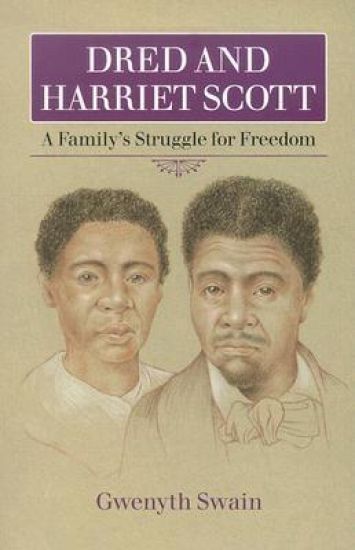
The landmark U.S. Supreme Court decision Dred Scott v. Sandford, in which the slave Dred Scott was denied freedom for himself and his family, raised the ire of abolitionists and set the scene for the impending conflict between the northern and southern states. While most people have heard of the Dred Scott Decision, few know anything about the cases namesake. In this meticulously researched and carefully crafted biography of Dred Scott, his wife, Harriet, and their daughters, Eliza and Lizzie, award-winning childrens book author Gwenyth Swain brings to life a familys struggle to become free. Beginning with Dreds childhood on a Virginia plantation and later travel with his masters to Alabama, Missouri, Illinois, and the territory that would become Minnesota, this family biography vividly depicts slave life in the early and mid-nineteenth century. At Fort Snelling, near St. Paul, Dred met and married Harriet, and together they travelled with their master to Florida and then Missouri, finally settling in St. Louis, where the Scotts were hired out for wages. There they began marshalling evidence to be used in their freedom suit, first submitted in 1846.Their case moved through local and state courts, finally reaching the U.S. Supreme Court in 1857. But the Courts decision did not grant them the freedom they craved. Instead, it brought northern and southern states one step closer to the Civil War. How did one familys dream of freedom become a cause of the Civil War? And how did that family finally leave behind the bonds of slavery? In "Dred and Harriet Scott: A Familys Struggle for Freedom", Swain looks at the Dred Scott Decision in a new and remarkably personal way. By following the story of the Scotts and their children, Swain crafts a unique biography of the people behind the famous court case. In the process, she makes the familys journey through the court system and the ultimate decision of the Supreme Court understandable for readers of all ages. She also explores the power of family ties and the challenges Dred and Harriet faced as they sought to see their children, the daughters of slaves, live free. For ages 9+.
Harriet Walters, a twenty-six year old spinster, is evicted from her home after the death of her father and sent to live with a persnickety aunt. Resigned to the thankless life of an unpaid companion, she yearns for romance with the local grammar school's history master, if only he were as interested in her as he is in the Roman occupation of England. Fate intervenes, however, when Harriet becomes an heiress. Leaving her small town home for the glittering attractions of London, Harriet meets several interesting new people, including a devilish young cad who wants to awaken her sensual side, and chooses an unconventional path to happiness and love. Welcome to the Regency world, where life is slower, people are more courteous, and men and women court each other. So, pour yourself a cup of tea or chocolate, sit back in your chair, and enjoy an old-fashioned romance.
This work has been selected by scholars as being culturally important and is part of the knowledge base of civilization as we know it.This work is in the public domain in the United States of America, and possibly other nations. Within the United States, you may freely copy and distribute this work, as no entity (individual or corporate) has a copyright on the body of the work.Scholars believe, and we concur, that this work is important enough to be preserved, reproduced, and made generally available to the public. To ensure a quality reading experience, this work has been proofread and republished using a format that seamlessly blends the original graphical elements with text in an easy-to-read typeface.We appreciate your support of the preservation process, and thank you for being an important part of keeping this knowledge alive and relevant.
This work has been selected by scholars as being culturally important and is part of the knowledge base of civilization as we know it.This work is in the public domain in the United States of America, and possibly other nations. Within the United States, you may freely copy and distribute this work, as no entity (individual or corporate) has a copyright on the body of the work.Scholars believe, and we concur, that this work is important enough to be preserved, reproduced, and made generally available to the public. To ensure a quality reading experience, this work has been proofread and republished using a format that seamlessly blends the original graphical elements with text in an easy-to-read typeface.We appreciate your support of the preservation process, and thank you for being an important part of keeping this knowledge alive and relevant.