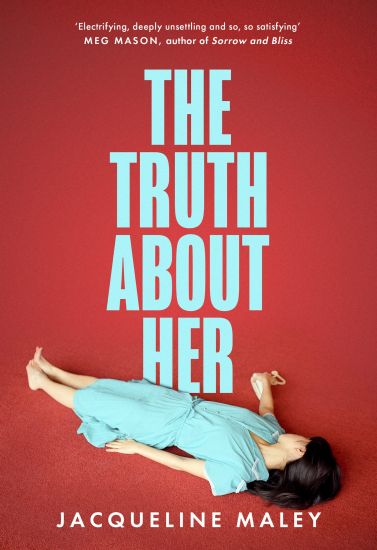
'Electrifying, deeply unsettling and so, so satisfying' Meg Mason, author of Sorrow and Bliss ‘I raced through this compelling tale about shame, single motherhood, and the lies we tell ourselves and other people’ Daily Mail Journalist and single mother Suzy Hamilton gets a phone call one summer morning, and finds out that the subject of one of her investigative exposés, wellness blogger Tracey Doran, has killed herself overnight. Suzy is horrified by this news but copes in the only way she knows how – through work, mothering, and carrying on with several ill-advised affairs. The consequences of her actions catch up with Suzy over the course of a sticky Sydney summer. She starts receiving anonymous vindictive letters and is pursued by Tracey's mother wanting her, as a kind of rough justice, to tell Tracey's story, but this time, the right way. A tender, absorbing, intelligent and moving exploration of guilt, shame, female anger, and, in particular, mothering, with all its trouble and treasure, The Truth About Her is mostly a story about the nature of stories – who owns them, who gets to tell them, and why we need them. An entirely striking, stylish and contemporary novel, from a talented new writer.
'Electrifying, deeply unsettling and so, so satisfying' Meg Mason, author of Sorrow and Bliss ‘I raced through this compelling tale about shame, single motherhood, and the lies we tell ourselves and other people’ Daily Mail How can you write other people's stories, when you won't admit the truth of your own? Journalist and single mother Suzy Hamilton gets a shocking phone call one morning: the subject of one of her investigative exposés, 25-year-old wellness blogger Tracey Doran, has killed herself overnight. Horrified by this news, she copes in the only way she knows how – throwing herself into work, looking after her young daughter and carrying on with two ill-advised affairs. But no one can make their own story disappear, and soon Suzy’s life is spiralling into chaos: will it end in violence or redemption?
This fully updated special edition of the classic complete guide to the edible species that grow around us includes a new foreword from the author and a plate section with identification guides for all major species. Originally published in 1972, Richard Mabey’s classic foraging guide has never been out of print since. Food for Free is a complete guide to help you safely identify edible species that grow around us, together with detailed field identification notes and recipes. In this stunning 50th anniversary edition, Richard Mabey’s updated text is accompanied by a wealth of practical information on identifying, collecting, cooking and preparing, as well as history and folklore. Informative illustrations of key species by expert botanical artists are included in a colour plate section. Beautifully written and produced in a new, readable format, Food for Free will inspire us to be more self-sufficient and make use of the natural resources around us to enhance our lives.
A club full of glamour. A whole world of darkness… –––––––––––––––––––––––––– As Cara finishes her last shift as a podium dancer in the city’s most exclusive nightclub, she witnesses a horrifying act—a hooded figure plunging a knife into a waitress. But when she rushes to alert her colleagues, the body has vanished, leaving only a chilling note: The party must go on, or more of you will die. With the doors jammed and communication cut off, Cara and the staff must navigate a deadly game orchestrated by a psychopathic killer. As tensions rise and trust erodes, can they uncover the identity of the murderer before the night turns fatal? This suspenseful and perfectly plotted locked-room thriller is ideal for fans of Erin Kelly and Elin Hilderbrand. Available to pre-order now!
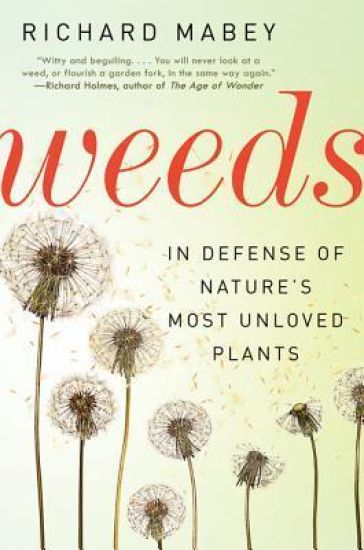
" A] witty and beguiling meditation on weeds and their wily ways....You will never look at a weed, or flourish a garden fork, in the same way again."--Richard Holmes, author of The Age of Wonder"In this fascinating, richly detailed book, Richard Mabey gives weeds their full due."--Carl Zimmer, author of EvolutionRichard Mabey, Great Britain's Britain's "greatest living nature writer" (London Times), has written a stirring and passionate defense of nature's most unloved plants. Weeds is a fascinating, eye-opening, and vastly entertaining appreciation of the natural world's unappreciated wildflowers that will appeal to fans of David Attenborough, Robert Sullivan's Rats, Amy Stewart's Wicked Plants, and to armchair gardeners, horticulturists, green-thumbs, all those who stop to smell the flowers.
Publisher's Note: Products purchased from Third Party sellers are not guaranteed by the publisher for quality, authenticity, or access to any online entitlements included with the product.DETAILED GUIDANCE ON PAIN RELIEF IN THE EDThis thorough and informative text provides ready, expert answers to both everyday questions and to the often challenging, complex, and diverse issues that arise around pain management and sedation in the emergency department. Written by three leading authorities, Pain Management and Sedation provides in-depth, yet practical and easy-to-find guidance on relieving the complaint that brings more than 50% of patients to emergency care. A groundbreaking work, it is the first text to treat this important subject in depth from the emergency room perspective.Covering every aspect of the subject, Pain Management and Sedation offersStep-by-step guidance on approaches to patients, from preprocedure through dischargeSystem-by-system patient evaluation protocolsIn-depth coverage of specific techniques, from conscious sedation through iontophoresisDrug-class by drug-class guidance on pharmacologic agentsSpecific guidance on pediatric, geriatric, pregnant, neonatal, and other patients with special considerationsCoverage of useful techniques such as TENS, hypnosis, psychologic approaches, and other nonpharmacologic interventionsExpert advice on key policy, administrative, and legal concernsEXPERT GUIDANCEPatient assessment protocolsDrug regulationsDrug-seeking patientsLocal and regional anesthesiaConscious sedationDrug therapeutics, with dosage chartsPatients with special considerationsAnxiety reliefNonpharmacologic interventionsLegal and administrative issues
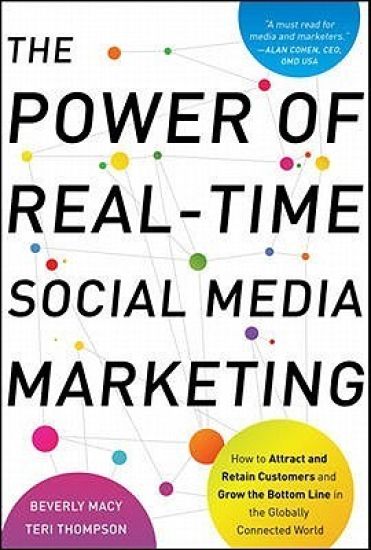
Today's Hottest Trends for On-the-Spot Marketing!"A must read for media and marketers.”—Alan Cohen, CEO, OMD USA"What do fish tacos, data storage, and disaster relief all have in common? Each has harnessed the power of marketing that amplifies via the real-time social web. These and many other case studies are part of this engaging new book that details strategies for marketers to understand, evolve, and profit in the social age."—John Gerzema, Chief Insights Officer, Young & Rubicam, and coauthor of Spend Shift"Understanding what's possible and how to use social media will be essential for every marketer; this book will hold your hand in this brave new world."—John Miller, CMO, NBC Universal TV Group"Like it or not, social media is here to stay. It needs to be understood, managed, and harnessed. This book tells you how. Read it!"—Zhihang Chi, Ph.D., Vice President and General Manager, North America, Air China Limited"Beverly Macy is a true innovator and thought leader in the field of social media marketing."—Cathy Sandeen, Ph.D., MBA, Dean, UCLA Extension, University of California Los AngelesAbout the BookIn an era when information travels at phenomenal speed along the “real-time Web,” a brand can explode into popular culture overnight--and die just as quickly. As a marketer, how can you stay ahead of the curve? How do you control the chaos? Two words: Social Media.With The Power of Real-Time Social Media Marketing, you'll learn how to take advantage of today's "fluid" business environment and develop innovative ways to meet market demands. And here's the best part: all your tools--Facebook, Twitter, YouTube, and other sites--are free!Leading figures in the exciting new world of sophisticated social media marketing, Beverly Macy and Teri Thompson explain how you can use this global, real-time platform to change how consumers interact with your brand. They then present detailed case studies illustrating how top organizations and emerging brand giants have proven the remarkable effectiveness of social media marketing. Find out how:The American Red Cross turned a single "tweet" into $33 million worth of donations to earthquake victims in HaitiOrange County Transportation Authority engaged citizens to participate in transportation planning and useDIRE CTV boosted customer loyalty and trust by finding and solving complaints in real timeEMC transformed business processes by leveraging workforce social media proficiency and "open" behavior modelsMarketers no longer have the luxury of time to develop, test, and measure a brand. Use the lessons in The Power of Real-Time Social Media Marketing to launch your brand in a fixed amount of time, accurately measure the impact of your activities, and instantly adjust to any unforeseen events.
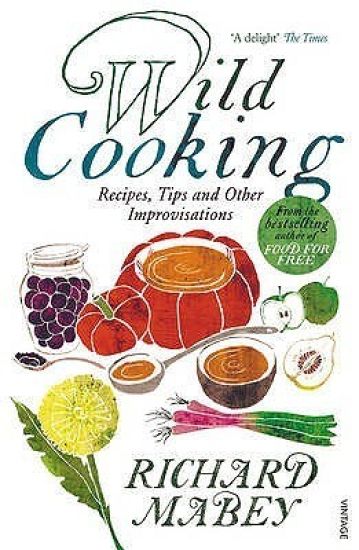
Whether creating a cassoulet which uses English ingredients, making bread from chestnuts or slow-cooking a Peking duck in front of an ancient fan heater, this book encourages us to be daring and imaginative in our cooking and our approach to food.
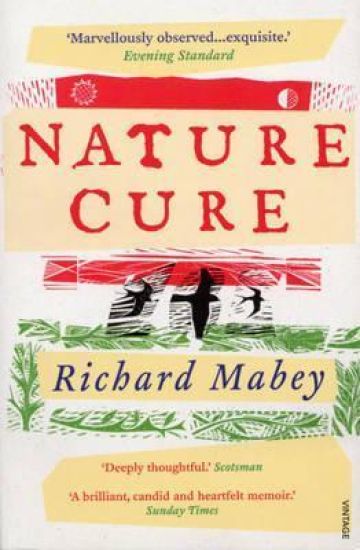
'Britain's greatest living nature writer' The TimesRediscover the extraodinary power of nature and the British wilderness, from award-winning naturalist and author Richard MabeyIn the last year of the old millennium, Richard Mabey, Britain's foremost nature writer, fell into a severe depression.
From ash die-back to the Great Storm of 1987, our much-loved woodlands seem to be under constant threat from a procession of natural challenges. The author reveals how we have appropriated and humanised trees, turning them into arboreal pets. She argues that respecting trees' independence may be the wisest response to their current crises.
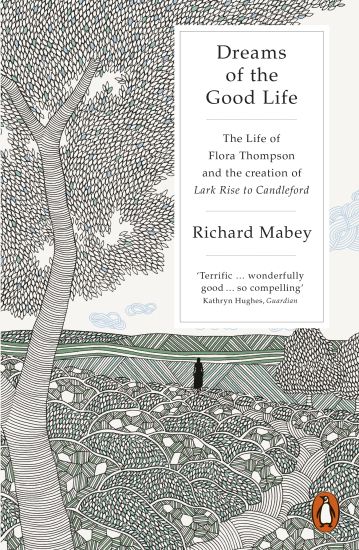
While the Lark Rise to Candleford trilogy, Flora Thompson's much-loved portrait of life in the English countryside, has inspired a hit television series, relatively little is known about the author herself. In this highly original book, bestselling biographer and nature writer Richard Mabey sympathetically retraces her life and her transformation from a post-office clerk who left school at fourteen to a sophisticated professional writer. Revealing how a formidable imagination can arise from the humblest of beginnings, Dreams of the Good Life paints a poignant, unforgettable portrait of a working-class woman writer's struggle for creative expression.
With the arrival in Europe of over a million refugees and asylum seekers in 2015, a sense of panic began to spread within the continent and beyond. What is a Refugee? puts these developments into historical context, injecting much-needed objectivity and nuance into contemporary debates over what is to be done. Refugees have been with us for a long time -- although only after the Great War did refugee movements commence on a large scale -- and are ultimately symptoms of the failure of the system of states to protect all who live within it. Providing a terse user's guide to the complex legal status of refugees, Maley argues that states are now reaping the consequences of years of attempts to block access to asylum through safe and 'legal' means. He shows why many mooted 'solutions' to the 'problem' of refugees -- from military intervention to the warehousing of refugees in camps -- are counterproductive, creating environments ripe for the growth of extremism among people who have been denied all hope. In a globalised world, he concludes, wealthy states have the resources to protect refugees. And, as his historical account shows, courageous individuals have treated refugees in the past with striking humanity. States today could do worse than emulate them.
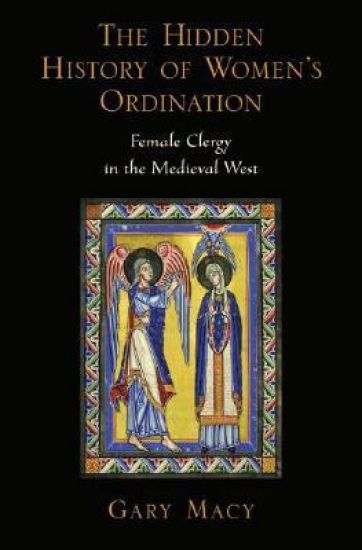
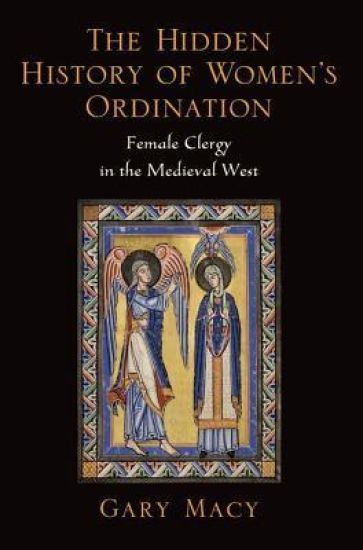
The Roman Catholic leadership still refuses to ordain women officially or even to recognize that women are capable of ordination. But is the widely held assumption that women have always been excluded from such roles historically accurate? How might the current debate change if our view of the history of women's ordination were to change? In The Hidden History of Women's Ordination, Gary Macy offers illuminating and surprising answers to these questions. Macy argues that for the first twelve hundred years of Christianity, women were in fact ordained into various roles in the church. He uncovers references to the ordination of women in papal, episcopal and theological documents of the time, and the rites for these ordinations have survived. The insistence among scholars that women were not ordained, Macy shows, is based on a later definition of ordination, one that would have been unknown in the early Middle Ages. In the early centuries of Christianity, ordination was understood as the process and the ceremony by which one moved to any new ministry in the community. In the early Middle Ages, women served in at least four central ministries: episcopa (woman bishop), presbytera (woman priest), deaconess and abbess. The ordinations of women continued until the Gregorian reforms of the eleventh and twelfth centuries radically altered the definition of ordination. These reforms not only removed women from the ordained ministry, but also attempted to eradicate any memory of women's ordination in the past. With profound implications for how women are viewed in Christian history, and for current debates about the role of women in the church, The Hidden History of Women's Ordination offers new answers to an old question and overturns a long-held erroneous belief.
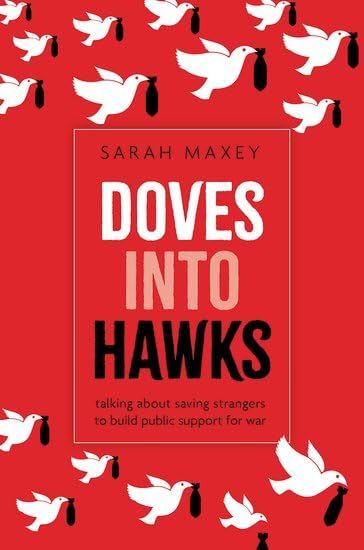
Going to war is dangerous, costly, and questionable in its effectiveness. Yet majorities of the US public consistently support military interventions--a phenomenon that has generally been attributed to the mobilizing power of threats to US security. In fact, to justify every US military intervention in the post-Cold War era, presidents have cited not just national security, but also protecting foreign civilians. Doves into Hawks shows that protecting US interests is not enough to make war popular. Military interventions must also appear to have a humanitarian dimension. By emphasizing this dimension, presidents give traditional "doves" a reason to become temporary "hawks," creating a broad domestic coalition of support for military action. In turn, this coalition holds leaders accountable for achieving both humanitarian and security outcomes. Combining analysis of original data on presidential justifications for military force with survey experiments and archival research of the Gulf War and US action in Bosnia, Sarah Maxey reshapes our understanding of how, with the right words, leaders persuade skeptics to approve of military action and the unexpected ways this tactic can be good for democracy.
Going to war is dangerous, costly, and questionable in its effectiveness. Yet majorities of the US public consistently support military interventions--a phenomenon that has generally been attributed to the mobilizing power of threats to US security. In fact, to justify every US military intervention in the post-Cold War era, presidents have cited not just national security, but also protecting foreign civilians. Doves into Hawks shows that protecting US interests is not enough to make war popular. Military interventions must also appear to have a humanitarian dimension. By emphasizing this dimension, presidents give traditional "doves" a reason to become temporary "hawks," creating a broad domestic coalition of support for military action. In turn, this coalition holds leaders accountable for achieving both humanitarian and security outcomes. Combining analysis of original data on presidential justifications for military force with survey experiments and archival research of the Gulf War and US action in Bosnia, Sarah Maxey reshapes our understanding of how, with the right words, leaders persuade skeptics to approve of military action and the unexpected ways this tactic can be good for democracy.
The Roman Catholic leadership still refuses to ordain women officially or even to recognize that women are capable of ordination. But is the widely held assumption that women have always been excluded from such roles historically accurate? In the early centuries of Christianity, ordination was the process and the ceremony by which one moved to any new ministry (ordo) in the community. By this definition, women were in fact ordained into several ministries. A radical change in the definition of ordination during the eleventh and twelfth centuries not only removed women from the ordained ministry, but also attempted to eradicate any memory of women's ordination in the past. The debate that accompanied this change has left its mark in the literature of the time. However, the triumph of a new definition of ordination as the bestowal of power, particularly the power to confect the Eucharist, so thoroughly dominated western thought and practice by the thirteenth century that the earlier concept of ordination was almost completely erased. The ordination of women, either in the present or in the past, became unthinkable. References to the ordination of women exist in papal, episcopal and theological documents of the time, and the rites for these ordinations have survived. Yet, many scholars still hold that women, particularly in the western church, were never "really" ordained. A survey of the literature reveals that most scholars use a definition of ordination that would have been unknown in the early middle ages. Thus, the modern determination that women were never ordained, Macy argues, is a premise based on false terms. Not a work of advocacy, this important book applies indispensable historical background for the ongoing debate about women's ordination.
While diplomacy is a well-established topic for study, global governance is a relatively new arrival to the conceptual landscape of international relations. At first glance the two exist in separate worlds. This book examines the relationship between these two concepts for the first time in a comprehensive manner.
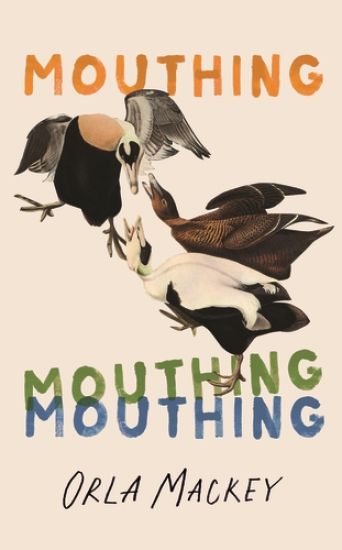
Sharp-eyed and sharp-tongued, a multigenerational portrait of small-town life in Ireland from a refreshing new talent in literary fiction'A bittersweet love letter to small-town Irish life over several generations, in the vein of Elizabeth Strout’s Olive Kitteridge' Irish Times‘Full of disgrace, inherited trauma and family secrets. It will make you laugh - because if you didn't, you'd surely cry’ Aingeala Flannery‘A caustically witty novel for anyone who ever wondered what the neighbours are really up to behind closed doors’ Jan CarsonWelcome to Ballyrowan.This sleepy corner of rural Ireland may seem tranquil, but scratch the surface and you'll find a hotbed of gossip and intrigue - endless material for mouthing - and a town full of people only too happy to oblige in spreading the bad news.Narrated by several generations of villagers, Mouthing traces the fortunes of one small community from the mid-20th century to the early 21st, in a series of highly confessional and darkly hilarious monologues. The good people of Ballyrowan delight in twisting the knife, in tormenting one another, in perfecting the art of schadenfreude. And, it becomes clear, none of them are entirely reliable witnesses.As each character offers their version of 'the truth', upending our assumptions at every turn, we see how feuds are passed down through the generations, how families are estranged or reunited and fortunes made or lost, how strict social expectations loosen over decades (and how some things remain stubbornly unchanged). And how secret hopes and private sorrows, triumph and humiliation, pleasure and grief are all absorbed into the merciless chorus of mouthing.Mouthing is an acerbic, unsentimental love letter to rural Irish life, where everyone knows everyone else's business and everyone has an opinion on it - where 'community' is both a lifeboat and a life sentence.