Kirjojen hintavertailu. Mukana 11 627 220 kirjaa ja 12 kauppaa.

Kirjahaku

Etsi kirjoja tekijän nimen, kirjan nimen tai ISBN:n perusteella.

1000 tulosta hakusanalla ART WIEDERHOLD

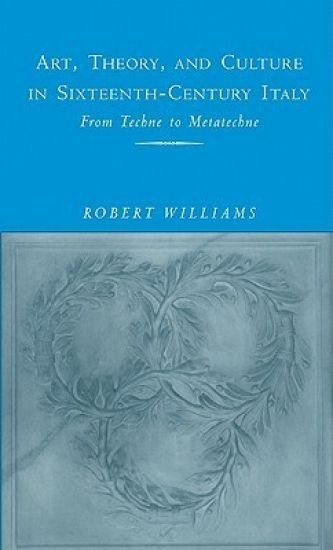
Art, Theory, and Culture in Sixteenth-Century Italy

Art, Theory, and Culture in Sixteenth-Century Italy

Robert Williams

Cambridge University Press
1997
sidottu
Art, Theory and Culture in Sixteenth-Century Italy offers a critical overview of the literature on the visual arts produced during the High and Late Renaissance. Analysing and interpreting texts by such writers as Vasari, Lomazzo, Zuccaro, and Tasso, Robert Williams demonstrates how these works offer insight into the experience of contemporary viewers, thus permitting a clearer view of the relationship between abstract thought and lived experience. Also examined is the argument that art is a privileged form of knowledge that subordinates all others. By focusing on a hitherto neglected, but important, body of literature, Williams shows how an understanding of it can transform our knowledge and appreciation of the Renaissance.
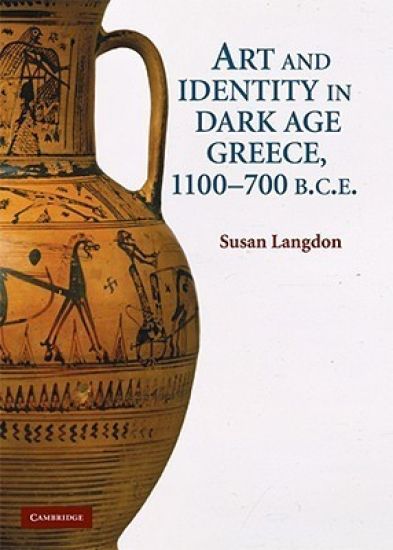
Art and Identity in Dark Age Greece, 1100–700 BC

Art and Identity in Dark Age Greece, 1100–700 BC

Susan Langdon

Cambridge University Press
2008
sidottu
This book explores how art and material culture were used to construct age, gender and social identity in the Greek Early Iron Age, 1100–700 BCE. Coming between the collapse of the Bronze Age palaces and the creation of Archaic city-states, these four centuries witnessed fundamental cultural developments and political realignments. Whereas previous archaeological research has emphasized class-based aspects of change, this study offers a more comprehensive view of early Greece by recognizing the place of children and women in a warrior-focused society. Combining iconographic analysis, gender theory, mortuary analysis, typological study and object biography, Susan Langdon explores how early figural art was used to mediate critical stages in the life-course of men and women. She shows how an understanding of the artistic and material contexts of social change clarifies the emergence of distinctive gender and class asymmetries that laid the basis for classical Greek society.
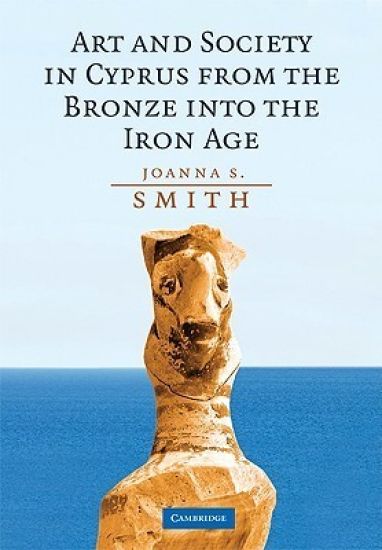
Art and Society in Cyprus from the Bronze Age into the Iron Age
Dramatic social and political change marks the period from the end of the Late Bronze Age into the Iron Age (c.1300–700 BCE) across the Mediterranean. Inland palatial centers of bureaucratic power weakened or collapsed c.1200 BCE while entrepreneurial exchange by sea survived and even expanded, becoming the Mediterranean-wide network of Phoenician trade. At the heart of that system was Kition, one of the largest harbor cities of ancient Cyprus. Earlier research has suggested that Phoenician rule was established at Kition after the abandonment of part of its Bronze Age settlement. A re-examination of Kition's architecture, stratigraphy, inscriptions, sculpture, and ceramics demonstrates that it was not abandoned. This study emphasizes the placement and scale of images and how they reveal the development of economic and social control at Kition from its establishment in the thirteenth century BCE until the development of a centralized form of government by the Phoenicians, backed by the Assyrian king, in 707 BCE.
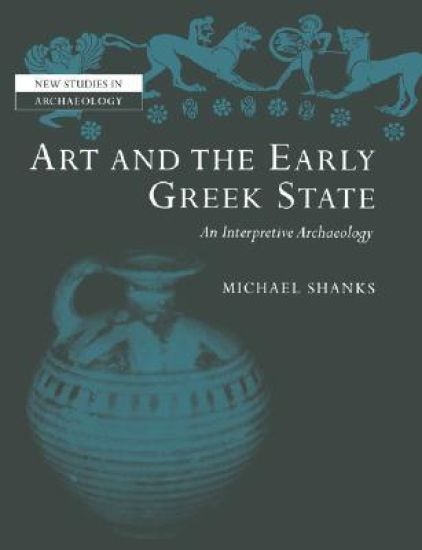
Art and the Early Greek State

Art and the Early Greek State

Michael Shanks

Cambridge University Press
2004
pokkari
Widely known as an innovative figure in contemporary archaeology, Michael Shanks has written a challenging contribution to recent debates on the emergence of the Greek city states in the first millennium BC. He interprets the art and archaeological remains of Korinth to elicit connections between new urban environments, foreign trade, warfare, and the ideology of male sovereignty. Adopting an interdisciplinary perspective, which draws on an anthropologically informed archaeology, ancient history, art history, material culture studies and structural approaches to the classics, his book raises large questions about the links between design and manufacture, political and social structure, and culture and ideology in the ancient Greek world.
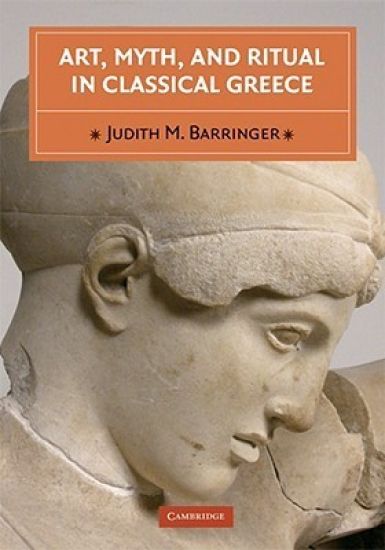
Art, Myth, and Ritual in Classical Greece

Art, Myth, and Ritual in Classical Greece

Judith M. Barringer

Cambridge University Press
2008
sidottu
What do Greek myths mean and how was meaning created for the ancient viewer? In Art, Myth, and Ritual in Classical Greece, Judith Barringer considers the use of myth on monuments at several key sites - Olympia, Athens, Delphi, and Trysa - showing that myth was neither randomly selected nor purely decorative. The mythic scenes on these monuments had meaning, the interpretation of which depends on context. Barringer explains how the same myth can possess different meanings and how, in a monumental context, the mythological image relates to the site and often to other monuments surrounding it, which redouble, resonate, or create variation on a theme. The architectural sculpture examined here is discussed in a series of five case studies, which are chronologically arranged and offer a range of physical settings, historical and social circumstances, and interpretive problems. Providing new interpretations of familiar monuments, this volume also offers a comprehensive way of seeing and understanding Greek art and culture as an integrated whole.
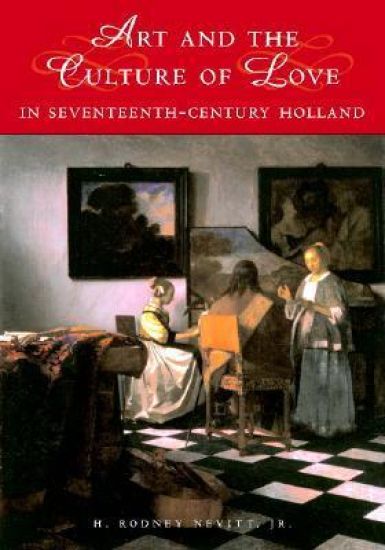
Art and the Culture of Love in Seventeenth-Century Holland

Art and the Culture of Love in Seventeenth-Century Holland

H. Rodney Nevitt Jr.

Cambridge University Press
2003
sidottu
Art and the Culture of Love in Seventeenth-Century Holland examines pictorial subjects and artists that have never been considered together and which collectively examine one of the most important themes of Dutch art of the Golden Age. H. Rodney Nevitt here offers analysis of paintings and prints of 'garden parties', merry companies, courting couples, and even landscape etchings that have amorous overtones. Placing these works in the context of the contemporary culture of love which manifested itself in the social practices of courtship and in a variety of amatory texts, Nevitt shows how they both reflect and shaped the experience of love. His study also reconstitutes the viewpoints from which these works were understood, taking seriously their moral and celebratory aspects.
Art, Myth, and Ritual in Classical Greece

Art, Myth, and Ritual in Classical Greece

Judith M. Barringer

Cambridge University Press
2008
pokkari
What do Greek myths mean and how was meaning created for the ancient viewer? In Art, Myth, and Ritual in Classical Greece, Judith Barringer considers the use of myth on monuments at several key sites - Olympia, Athens, Delphi, and Trysa - showing that myth was neither randomly selected nor purely decorative. The mythic scenes on these monuments had meaning, the interpretation of which depends on context. Barringer explains how the same myth can possess different meanings and how, in a monumental context, the mythological image relates to the site and often to other monuments surrounding it, which redouble, resonate, or create variation on a theme. The architectural sculpture examined here is discussed in a series of five case studies, which are chronologically arranged and offer a range of physical settings, historical and social circumstances, and interpretive problems. Providing new interpretations of familiar monuments, this volume also offers a comprehensive way of seeing and understanding Greek art and culture as an integrated whole.
Art From Rubbish

Art From Rubbish

Janet Ranson

Cambridge University Press
2009
nidottu
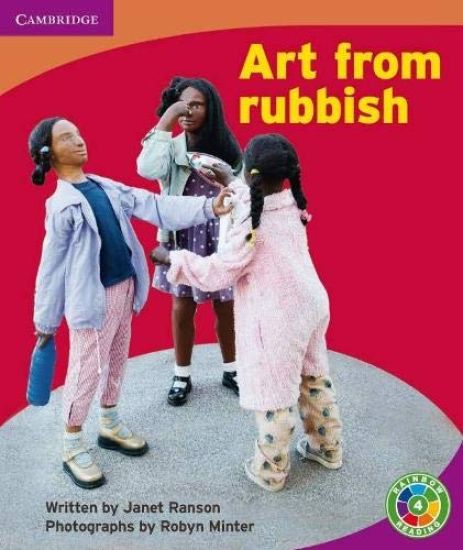
This informative book introduces the reader to three South African artists who create works of art using materials that have been thrown away. Each section is a small case study of the artists and how they make their pieces. Detailed photographs support the text. Readers are encouraged to think about the feelings that the different works of art evoke. At the end of the book there is a double-page spread with step-by-step instructions for learners to make their own works of art from rubbish.
Art in the Era of Alexander the Great

Art in the Era of Alexander the Great

Ada Cohen

Cambridge University Press
2010
sidottu
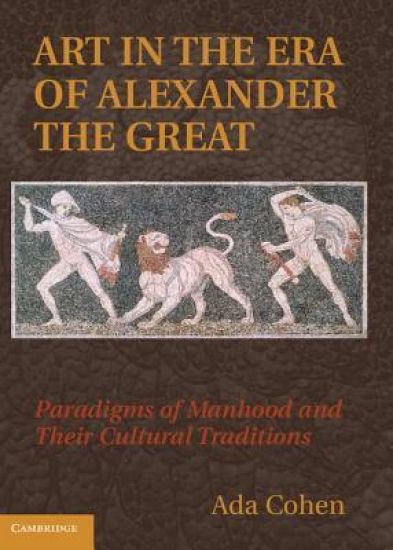
In this book, Ada Cohen focuses on art produced in Macedonia during the late Classical and early Hellenistic period, which coincides with the reigns of Philip II, his famous son Alexander the Great, and their immediate successors. Although inspired by traditional Greek themes and ideals, this body of artwork articulated specifically Macedonian aspirations. Cohen focuses on three key 'masculine' themes - warfare, hunting, and abduction of women - exploring their visual and conceptual interconnections. She demonstrates their preoccupation with the visual celebration of violence and studies the analogies they draw among the ideological categories of 'enemy', 'animal', and 'woman'. Simultaneously historical and thematic, Cohen's text is structured around select paintings and mosaics from northern Greek sites, such as Pella and Vergina, and from both secular and funerary contexts. She also examines monuments from other ancient contexts and in other media to illuminate specific questions of style, theme, and meaning.
Art versus Nonart

Art versus Nonart

Tsion Avital

Cambridge University Press
2003
sidottu
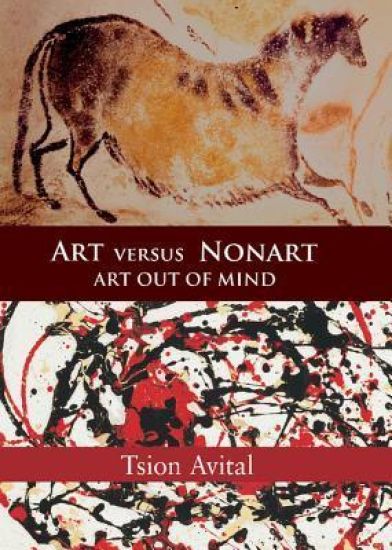
In Art versus Non-Art, Tsion Avital poses the question: ‘Is modern art art at all?’ He argues that much, if not all, of the nonrepresentational art produced in the twentieth century was not art, but rather the debris of the visual tradition it replaced. Modern art has thrived on the total confusion between art and pseudo-art and the inability of many to distinguish between them. As Avital demonstrates, modern art has served as a critical intermediate stage between art of the past and the future. This book proposes a new way to define art, anchoring the nature of art in the nature of the mind, solving a major problem of art and aesthetics for which no solution has yet been provided. The new definition of art proposed in this book paves the way for a new and promising paradigm for future art.
Art and Text in Byzantine Culture

Art and Text in Byzantine Culture

Cambridge University Press
2007
sidottu
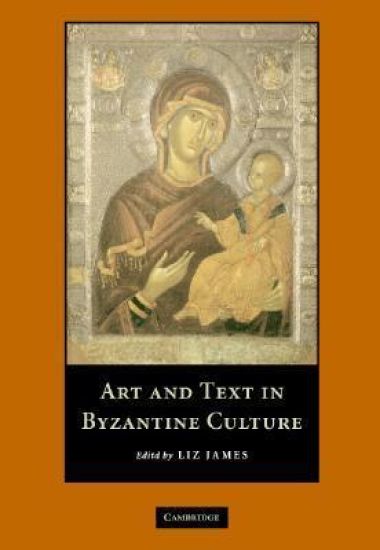
Art and Text in Byzantine Culture explores the relationship between images and words, and examines the different types of interactions between pictures and texts in Byzantine art. Byzantium is the only major world power to have experienced political upheaval on a vast scale as a result of an argument about art. Consequently, the dynamic between art and text in Byzantium is essential to understanding Byzantine art and culture. It allows us to explore the close linking of image and word in a society where the correct relationship between the two was critical to the well-being of the state. Composed of specially-commissioned essays written by an international team of scholars, this volume analyzes how the Byzantines wrote about art, how images and text work together in Byzantine art and how the words written on Byzantine artworks contribute to their meaning.
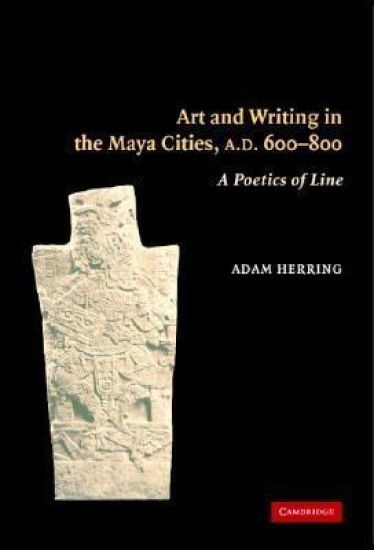
Art and Writing in the Maya Cities, AD 600–800

Art and Writing in the Maya Cities, AD 600–800

Herring Adam

Cambridge University Press
2005
sidottu
Art and Writing in the Maya Cities, AD 600–800 examines an important aspect of the visual cultures of the ancient Maya in southern Mexico, Guatemala, Belize, and Honduras. During a critical period of cultural evolution, artistic production changed significantly, as calligraphy became an increasingly important formal element in Maya aesthetics and was used extensively in monumental building, sculptural programs and small-scale utilitarian objects. Adam Herring's study analyzes art works, visual programs, and cultural sites of memory, providing an anthropologically-informed description of ancient Maya culture, vision, and artistic practice. An inquiry into the contexts and perceptions of the ancient Maya city, his book melds epigraphic and iconographic methodologies with the critical tradition of art-historical interpretation.
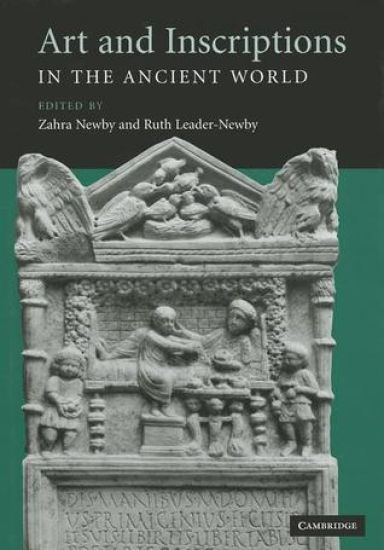
Art and Inscriptions in the Ancient World
The ancient visual environment was packed with instances where words and images appeared side by side: statues with dedicatory inscriptions, labels on paintings or mosaics, or complex juxtapositions of images and engraved texts on funerary monuments. In the past these elements have often been divorced from one another and studied in isolation. In this volume art historians and epigraphers have come together to look at the complex ways in which images and words interacted with one another, illustrating, explaining or reinterpreting each other or, conversely, making competing demands upon the viewer. Their essays range widely in their focus from archaic Greek pottery through Hellenistic honorific statues and Pompeian wall-paintings to Late Roman mosaics. The insights that emerge contribute to our wider picture of the relationships between art and text in the ancient world, as well as illuminating the complexity and variety in ancient material culture.
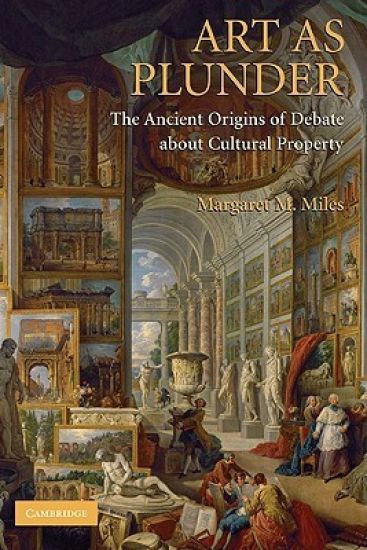
Art as Plunder

Art as Plunder

Margaret M. Miles

Cambridge University Press
2008
sidottu
This book examines the ancient origins of debate about art as cultural property. What happens to art in time of war? Who should own art, and what is its appropriate context? Should the victorious ever allow the defeated to keep their art? These questions were posed by Cicero during his prosecution of a Roman governor of Sicily, Gaius Verres, for extortion. Cicero's published speeches had a very long afterlife, affecting debates about collecting art in the eighteenth century and reactions to the looting of art by Napoleon. The focus of the book's analysis is theft of art in Greek Sicily, Verres' trial, Roman collectors of art, and the later impact of Cicero's arguments. The book concludes with the British decision after Waterloo to repatriate Napoleon's stolen art to Italy and an epilogue on the current threats to art looted from archaeological contexts.
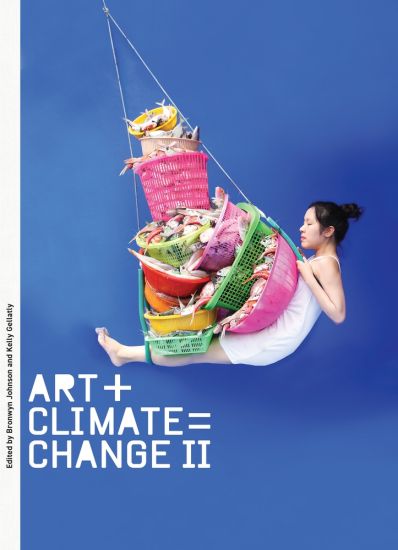
Art + Climate = Change II

Art + Climate = Change II

Bronwyn Johnson; Kelly Gellatly

MELBOURNE UNIVERSITY PRESS
2021
sidottu
ART+CLIMATE=CHANGE II presents the work of Australian and international artists across a broad range of exhibitions, performances and events from CLIMARTE's ART+CLIMATE=CHANGE 2019 festival. Essays on the climate emergency by artists, curators and arts writers help us imagine a world where we protect and care for the earth, from the river systems, oceans and lands to the air we breathe. In a world vastly changed by the impact of a global pandemic, these socially engaged artists and writers demand immediate and effective action on the climate crisis. We have no time to lose.