Kirjojen hintavertailu. Mukana 11 627 220 kirjaa ja 12 kauppaa.

Kirjahaku

Etsi kirjoja tekijän nimen, kirjan nimen tai ISBN:n perusteella.

1000 tulosta hakusanalla Alfred Ainger

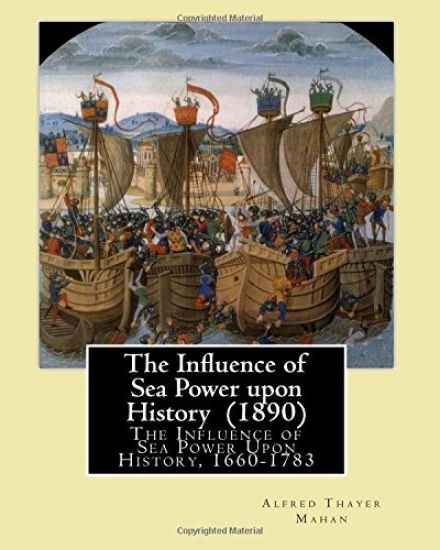
The Influence of Sea Power upon History (1890). By: Alfred Thayer Mahan: The Influence of Sea Power Upon History, 1660-1783 is an influential treatise
The Influence of Sea Power Upon History: 1660-1783 is a history of naval warfare published in 1890 by Alfred Thayer Mahan. It details the role of sea power during the seventeenth and eighteenth centuries, and discusses the various factors needed to support and achieve sea power, with emphasis on having the largest and most powerful fleet. Scholars consider it the single most influential book in naval strategy. Its policies were quickly adopted by most major navies, ultimately leading to the World War I naval arms race.Mahan formulated his concept of sea power while reading a history book in Lima, Peru. 5] 6] The book was published by Mahan while president of the US Naval War College, and was a culmination of his ideas regarding naval warfare. Mahan began the book with an examination of what factors lead to a supremacy of the seas, especially how Great Britain was able to rise to its near dominance. He identifies such features as geography, population, and government, and expands the definition of sea power as comprising a strong navy and commercial fleet. Mahan also promotes the belief that any army would succumb to a strong naval blockade. The book then goes on to describe a series of European and American wars and how naval power was used in each.... Alfred Thayer Mahan (September 27, 1840 - December 1, 1914) was a United States naval officer and historian, whom John Keegan called "the most important American strategist of the nineteenth century." 1] His book the The Influence of Sea Power Upon History, 1660-1783 (1890) won immediate recognition, especially in Europe, and with its successor, The Influence of Sea Power Upon the French Revolution and Empire, 1793-1812 (1892), made him world-famous and perhaps the most influential American author of the nineteenth century.
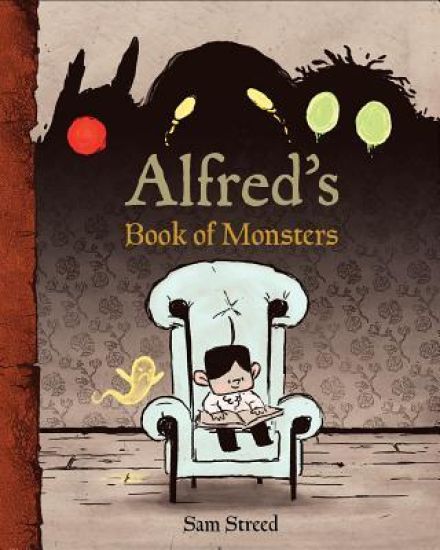
Alfred's Book of Monsters

Alfred's Book of Monsters

Sam Streed

Charlesbridge Publishing,U.S.
2019
sidottu
With nods to Tim Burton, Edward Gorey, and Neil Gaiman, this humorous picture book about a Victorian boy obsessed with monsters presents a dark and appealing world, created by debut author/illustrator Sam Streed. In the graveyard, between stone monuments for forgotten souls, lurks the Black Shuck. . . . Its one blood-red eye burns with an undying rage. After reading about the slimy Nixie, the angry Black Shuck, and the creepy Lantern Man in his beloved Book of Monsters, Alfred decides to invite the monsters to teatime with his crusty old aunty, who thinks monsters are an improper obsession for a respectable young boy.
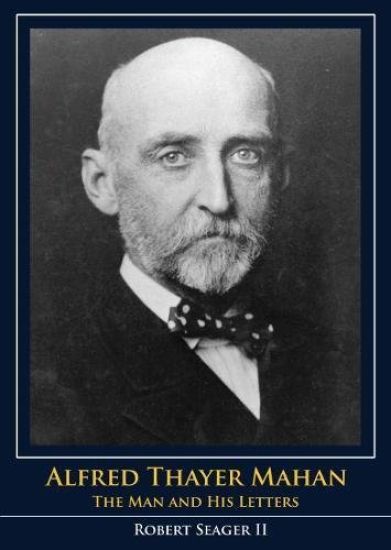
Alfred Thayer Mahan

Alfred Thayer Mahan

Robert Seager

Naval Institute Press
2017
pokkari
President Theodore Roosevelt called him “one of the greatest and most useful influences in American life.” In the words of Robert Seager II, Mahan had “much to do with resurrecting the U.S. Navy from its post-Civil War grave, and with giving it the professional ballast and theoretical direction that helped guide it to victory in 1898, in 1918, and in 1945.” By many Americans he is recalled chiefly as the author of The Influence of Sea Power upon History. That brilliant, instantly acclaimed volume was in many ways the most influential book written by an American in the nineteenth century. This biography goes far beyond a consideration of Mahan as the world-famous historian, diplomatist, and strategist. Family papers made available to the author depict Mahan the swain, husband, and father, and reveal insights into his personality, character, religious beliefs, professional frustrations, social aspirations, and financial difficulties.This book is the portrait—warts and all—of a historian, strategist, tactician, philosopher, Episcopalian, theologian, diplomat, imperialist, mercantilist, capitalist, Anglophile, patriot, Republican, racist, Social Darwinist, journalist, polemicist, naval reformer, adviser to presidents and legislators, teacher, academic administrator, social climber, egoist, introvert, swain, husband, and father.”