
Kirjahaku
Etsi kirjoja tekijän nimen, kirjan nimen tai ISBN:n perusteella.
1000 tulosta hakusanalla Cameron Patterson
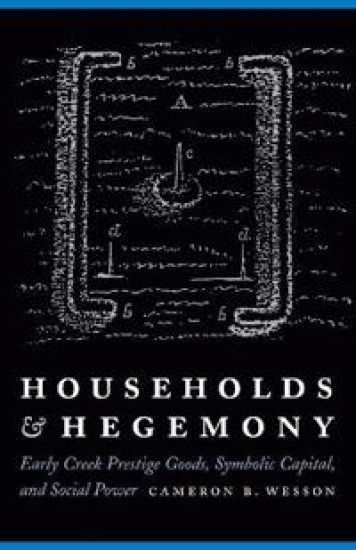
The long-term significance of the household as a social and economic force—particularly in relation to authority positions or institutions—has remained relatively unexplored in North American archaeology. Households and Hegemony makes a significant contribution to our understanding of the role households played in long-term cultural change after contact with European traders and settlers. Drawing together information from ethnohistoric records and data from one of the largest excavations in Alabama's history (the Fusihatchee Project), Cameron B. Wesson reexamines changes in early Creek culture from before and after contact with Europeans, beginning in the sixteenth century. Casting the household as a multifaceted cultural institution, he contends that important social, economic, and political transformations occurred during this time—changes that redefined the relationship between Creek households and authority. As avenues for exchange with outsiders broadened and diversified, prestige trade goods usually associated with Creek elites became increasingly available to individual households, so that contact with Europeans contributed to empowerment for Creek households and a weakening of traditional chiefly authority. Wesson demonstrates that change within Creek culture in the historic period was shaped by small-scale social units and individual decisions rather than by the effects of larger social and political events. Households and Hegemony enriches our understanding of Creek history and makes a key contribution to comparative archaeological models of cultural change.

Osage Language and Lifeways
Cameron Pratt; Stephanie Rapp; Marcia Haag; Dylan Herrick
UNIVERSITY OF OKLAHOMA PRESS
2025
sidottu
The Osage language is a vital part of Osage identity. The language suffered rapid decline during the twentieth century, but the Osage people are taking significant steps to revitalize its use. To that end, this volume—the first ever introductory Osage grammar textbook—is a much-needed resource for students, teachers, scholars, and anyone wishing to learn how to speak and write Osage. Written collectively by bilingual Osage speakers and linguists, Osage Language and Lifeways offers both clear grammatical instruction and valuable cultural information. As the authors explain in their introduction, the Osage language, a Dhegiha language within the Siouan language family, is highly complex. Drawing on their Native language expertise and classroom experience, the authors clarify elements of Osage grammar that are entirely different from English grammar or other European languages. Each chapter begins with a short dialogue or story written by Osage speakers. These passages present commonly used expressions and provide glimpses into Osage life experiences. The lessons are ordered in such a way that students can quickly learn how to pronounce Osage words, understand and make full sentences, and read and write the Osage alphabet. Where possible, the authors limit the amount of difficult linguistic terminology and include numerous examples to illustrate their points. At the same time, this book is sufficiently descriptive for linguists seeking to study the language on a more technical level. An important contribution to the study of indigenous languages, Osage Language and Lifeways opens a new pathway for Osages to learn and practice the language of their ancestors and ensure its continuity for future generations.
Osage Language and Lifeways
Cameron Pratt; Stephanie Rapp; Marcia Haag; Dylan Herrick
UNIVERSITY OF OKLAHOMA PRESS
2025
nidottu
The Osage language is a vital part of Osage identity. The language suffered rapid decline during the twentieth century, but the Osage people are taking significant steps to revitalize its use. To that end, this volume—the first ever introductory Osage grammar textbook—is a much-needed resource for students, teachers, scholars, and anyone wishing to learn how to speak and write Osage. Written collectively by bilingual Osage speakers and linguists, Osage Language and Lifeways offers both clear grammatical instruction and valuable cultural information. As the authors explain in their introduction, the Osage language, a Dhegiha language within the Siouan language family, is highly complex. Drawing on their Native language expertise and classroom experience, the authors clarify elements of Osage grammar that are entirely different from English grammar or other European languages. Each chapter begins with a short dialogue or story written by Osage speakers. These passages present commonly used expressions and provide glimpses into Osage life experiences. The lessons are ordered in such a way that students can quickly learn how to pronounce Osage words, understand and make full sentences, and read and write the Osage alphabet. Where possible, the authors limit the amount of difficult linguistic terminology and include numerous examples to illustrate their points. At the same time, this book is sufficiently descriptive for linguists seeking to study the language on a more technical level. An important contribution to the study of indigenous languages, Osage Language and Lifeways opens a new pathway for Osages to learn and practice the language of their ancestors and ensure its continuity for future generations.
Explores new forms of cosmopolitan identity constructed in contemporary diasporic fictions The expanding number of migrants to the United States from continental Africa since the 1960s has led to a flourishing twenty-first-century literary corpus by immigrants and the children of immigrants. Transit Lit: Fictions of Migration in Twenty-First-Century African Immigrant Literature analyzes key works by African immigrant authors such as Chimamanda Ngozi Adichie, Teju Cole, and Yaa Gyasi to argue that such texts reveal the tensions between the authors' own cosmopolitan ideals and a necessary critique of how such ideals become co-opted and commodified within contemporary geopolitics. Cameron Leader-Picone offers a new conceptual framework for reading contemporary diasporic texts that do not fit easily into national or continental traditions or previous literary models. Instead, he argues for the need to embrace the overlapping instabilities - of meaning, identity, and citizenship - that characterize twenty-first-century diasporic movement in an interconnected world. These texts, and the constructions of identity that they trace, map the terrain of contemporary migration.

Explores new forms of cosmopolitan identity constructed in contemporary diasporic fictions The expanding number of migrants to the United States from continental Africa since the 1960s has led to a flourishing twenty-first-century literary corpus by immigrants and the children of immigrants. Transit Lit: Fictions of Migration in Twenty-First-Century African Immigrant Literature analyzes key works by African immigrant authors such as Chimamanda Ngozi Adichie, Teju Cole, and Yaa Gyasi to argue that such texts reveal the tensions between the authors' own cosmopolitan ideals and a necessary critique of how such ideals become co-opted and commodified within contemporary geopolitics. Cameron Leader-Picone offers a new conceptual framework for reading contemporary diasporic texts that do not fit easily into national or continental traditions or previous literary models. Instead, he argues for the need to embrace the overlapping instabilities - of meaning, identity, and citizenship - that characterize twenty-first-century diasporic movement in an interconnected world. These texts, and the constructions of identity that they trace, map the terrain of contemporary migration.
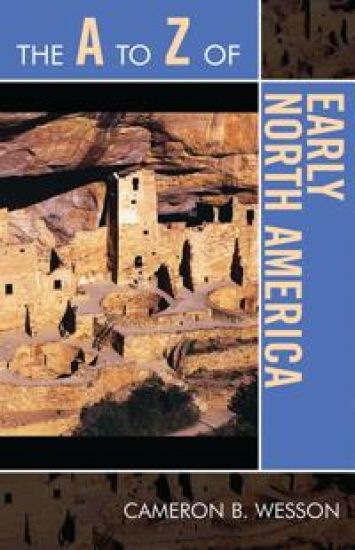
Those unfamiliar with the prehistory of North America have a general perception of the cultures of the continent that includes Native Americans living in tipis, wearing feathered headdresses and buckskin clothing, and following migratory bison herds on the Great Plains. Although these practices were part of some Native American societies, they do not adequately represent the diversity of cultural practices by the overwhelming majority of Native American peoples. Media misrepresentations shaped by television and movies along with a focus on select regions and periods in the history of the United States have produced an extremely distorted view of the indigenous inhabitants of the continent and their cultures. The indigenous populations of North America created impressive societies, engaged in trade, and had varied economic, social, and religious cultures. Over the past century, archaeological and ethnological research throughout all regions of North America has revealed much about the indigenous peoples of the continent. This book examines the long and complex history of human occupation in North America, covering its distinct culture as well as areas of the Arctic, California, Eastern Woodlands, Great Basin, Great Plains, Northwest Coast, Plateau, Southwest, and Subarctic. Complete with maps, a chronology that spans the history from 11,000 B.C. to A.D. 1850, an introductory essay, more than 700 dictionary entries, and a comprehensive bibliography, this reference is a valuable tool for scholars and students. An appendix of museums that have North American collections and a listing of archaeological sites that allow tours by the public also make this an accessible guide to the interested lay reader and high school student.
Chocolate in Mesoamerica
Cameron L. McNeil; Diane Z. Chase; Arlen F. Chase
University Press of Florida
2007
sidottu
New models of research and analysis, as well as breakthroughs in deciphering Mesoamerican writing, have recently produced a watershed of information on the regional use and importance of cacao, or chocolate as it is commonly called today. McNeil brings together scholars in the fields of archaeology, history, art history, linguistics, epigraphy, botany, chemistry, and cultural anthropology to explore the domestication, preparation, representation, and significance of cacao in ancient and modern communities of the Americas, with a concentration on its use in Mesoamerica. Cacao was used by many cultures in the pre-Columbian Americas as an important part of rituals associated with birth, coming of age, marriage, and death, and was strongly linked with concepts of power and rulership. While Europeans have for hundreds of years claimed that they introduced ""chocolate"" as a sauce for foods, evidence from ancient royal tombs indicates cacao was used in a range of foods as well as beverages in ancient times. In addition, the volume's authors present information that supports a greater importance for cacao in pre-Columbian South America, where ancient vessels depicting cacao pods have recently been identified. From the botanical structure and chemical makeup of Theobroma cacao and methods of identifying it in the archaeological record, to the importance of cacao during the Classic period in Mesoamerica, to the impact of European arrival on the production and use of cacao, to contemporary uses in the Americas, this volume provides a richly informed account of the history and cultural significance of chocolate.
New models of research and analysis, as well as breakthroughs in deciphering Mesoamerican writing, have recently produced a watershed of information on the regional use and importance of cacao, or chocolate as it is commonly called today. McNeil brings together scholars in the fields of archaeology, history, art history, linguistics, epigraphy, botany, chemistry, and cultural anthropology to explore the domestication, preparation, representation, and significance of cacao in ancient and modern communities of the Americas, with a concentration on its use in Mesoamerica.Cacao was used by many cultures in the pre-Columbian Americas as an important part of rituals associated with birth, coming of age, marriage, and death, and was strongly linked with concepts of power and rulership. While Europeans have for hundreds of years claimed that they introduced "chocolate" as a sauce for foods, evidence from ancient royal tombs indicates cacao was used in a range of foods as well as beverages in ancient times. In addition, the volume's authors present information that supports a greater importance for cacao in pre-Columbian South America, where ancient vessels depicting cacao pods have recently been identified.From the botanical structure and chemical makeup of Theobroma cacao and methods of identifying it in the archaeological record, to the importance of cacao during the Classic period in Mesoamerica, to the impact of European arrival on the production and use of cacao, to contemporary uses in the Americas, this volume provides a richly informed account of the history and cultural significance of chocolate.
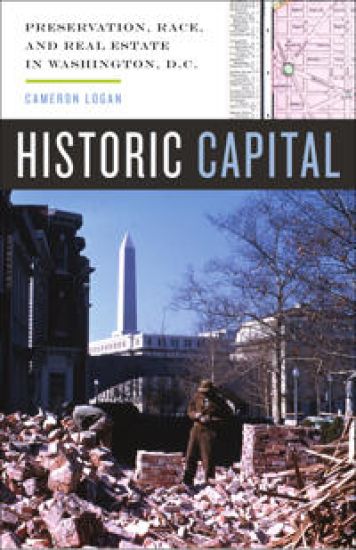
Washington, D.C. has long been known as a frustrating and sometimes confusing city for its residents to call home. The monumental core of federal office buildings, museums, and the National Mall dominates the city’s surrounding neighborhoods and urban fabric. For much of the postwar era, Washingtonians battled to make the city their own, fighting the federal government over the basic question of home rule, the right of the city’s residents to govern their local affairs. In Historic Capital, urban historian Cameron Logan examines how the historic preservation movement played an integral role in Washingtonians’ claiming the city as their own. Going back to the earliest days of the local historic preservation movement in the 1920s, Logan shows how Washington, D.C.’s historic buildings and neighborhoods have been a site of contestation between local interests and the expansion of the federal government’s footprint. He carefully analyzes the long history of fights over the right to name and define historic districts in Georgetown, Dupont Circle, and Capitol Hill and documents a series of high-profile conflicts surrounding the fate of Lafayette Square, Rhodes Tavern, and Capitol Park, SW before discussing D.C. today.Diving deep into the racial fault lines of D.C., Historic Capital also explores how the historic preservation movement affected poor and African American residents in Anacostia and the U Street and Shaw neighborhoods and changed the social and cultural fabric of the nation’s capital. Broadening his inquiry to the United States as a whole, Logan ultimately makes the provocative and compelling case that historic preservation has had as great an impact on the physical fabric of U.S. cities as any other private or public sector initiative in the twentieth century.
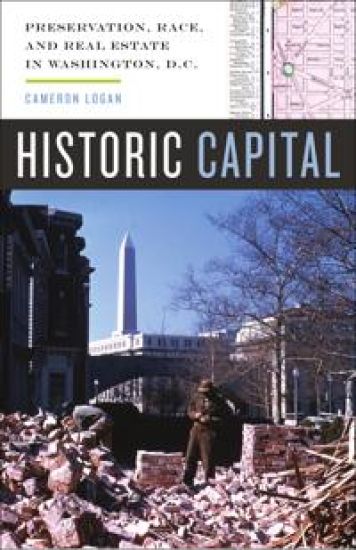
Washington, D.C. has long been known as a frustrating and sometimes confusing city for its residents to call home. The monumental core of federal office buildings, museums, and the National Mall dominates the city’s surrounding neighborhoods and urban fabric. For much of the postwar era, Washingtonians battled to make the city their own, fighting the federal government over the basic question of home rule, the right of the city’s residents to govern their local affairs. In Historic Capital, urban historian Cameron Logan examines how the historic preservation movement played an integral role in Washingtonians’ claiming the city as their own. Going back to the earliest days of the local historic preservation movement in the 1920s, Logan shows how Washington, D.C.’s historic buildings and neighborhoods have been a site of contestation between local interests and the expansion of the federal government’s footprint. He carefully analyzes the long history of fights over the right to name and define historic districts in Georgetown, Dupont Circle, and Capitol Hill and documents a series of high-profile conflicts surrounding the fate of Lafayette Square, Rhodes Tavern, and Capitol Park, SW before discussing D.C. today.Diving deep into the racial fault lines of D.C., Historic Capital also explores how the historic preservation movement affected poor and African American residents in Anacostia and the U Street and Shaw neighborhoods and changed the social and cultural fabric of the nation’s capital. Broadening his inquiry to the United States as a whole, Logan ultimately makes the provocative and compelling case that historic preservation has had as great an impact on the physical fabric of U.S. cities as any other private or public sector initiative in the twentieth century.
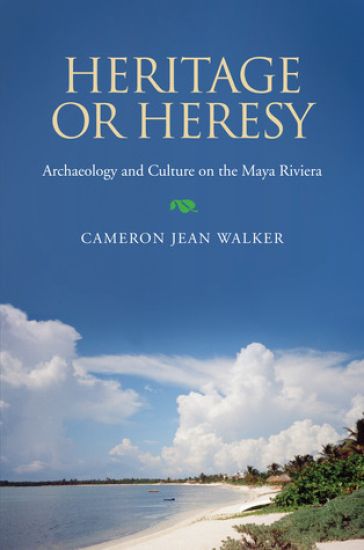
How can we effectively interpret and present one culture to another without stereotypes or over-simplifications? What is the best way to present an authoritative version of a national heritage without also endangering ancient sites or being insensitive to the local customs, beliefs, and religious practices of the indigenous peoples?This volume addresses the ongoing thrust in archaeology to take the next step after preserving the past: interpreting that past for the future. That future audience includes both local citizens and tourists who may have little background in archaeology, anthropology, or the history of the culture featured. Walker presents the key components of the anthropological study of tourism as a global phenomenon, with particular emphasis on the more prominent arguments for how and why tourism is a universal and meaningful human activity.The highly controversial topic of authenticity is examined, with special attention given to how 'authentic' has been defined and how it relates to the ways in which archaeological sites, artifacts, and cultural traditions are presented - or not presented - to the visiting public. The ephemeral promise of 'authenticity' drives the heritage tourism industry, which is a key consideration for the long-term economy of the Maya Riviera and elsewhere. Through analysis of seven archaeological sites on the Yucatan peninsula that are open to heritage touring, Walker reveals the planned growth of the Maya Riviera since the early 1970s and examines the impact of international tourism on both ancient structures and the contemporary Maya people and culture.

How can we effectively interpret and present one culture to another without stereotypes or over-simplifications? What is the best way to present an authoritative version of a national heritage without also endangering ancient sites or being insensitive to the local customs, beliefs, and religious practices of the indigenous peoples?This volume addresses the ongoing thrust in archaeology to take the next step after preserving the past: Interpreting that past for the future. That future audience includes both local citizens and tourists who may have little background in archaeology, anthropology, or the history of the culture featured. Walker presents the key components of the anthropological study of tourism as a global phenomenon, with particular emphasis on the more prominent arguments for how and why tourism is a universal and meaningful human activity. The highly controversial topic of authenticity is examined, with special attention given to how 'authentic' has been defined and how it relates to the ways in which archaeological sites, artifacts, and cultural traditions are presented - or not presented - to the visiting public.The ephemeral promise of 'authenticity' drives the heritage tourism industry, which is a key consideration for the long-term economy of the Maya Riviera and elsewhere. Through analysis of seven archaeological sites on the Yucatan peninsula that are open to heritage touring, Walker reveals the planned growth of the Maya Riviera since the early 1970s and examines the impact of international tourism on both ancient structures and the contemporary Maya people and culture.
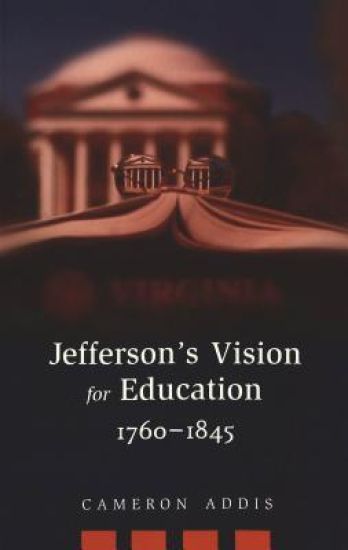
Thomas Jefferson's ideas on education evolved over sixty years - from his adolescent years at The College of William and Mary, through the Revolution and election of 1800, to his death in 1826. In 1776, he saw public education as the cornerstone of Virginia's revolution and hoped it would help destroy aristocratic and denominational privilege, create opportunities based on merit, foster humanism and encourage the political awareness necessary for a republican society. Though limited to white males, public education was a progressive idea for its time. All his bills failed. Even though Jefferson's own machinations stymied bills for a statewide system in the 1810s, the -hobby of his old age-, the University of Virginia, opened in 1825." Jefferson's Vision for Education, 1760-1845" examines why Jefferson subverted the democratic spirit of his early plans, and how well other political and religious dimensions of his vision materialized at the University of Virginia during its first twenty years."

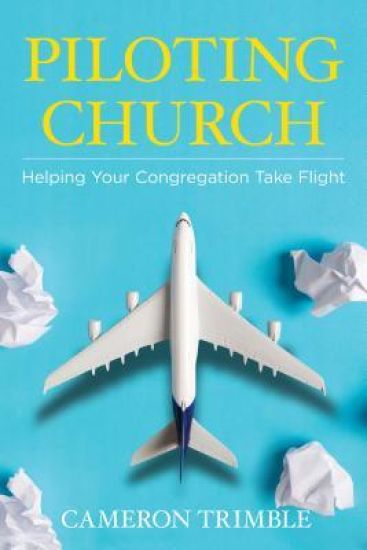
Using piloting as an engaging framework for organizational transformation, Trimble addresses the process of planning, executing, and completing a church revitalization project in 10 easy-to-read chapters: - Decide You Want to Fly - What Kind of Pilot Will You Be? - The Fundamentals of Flight - Your Flight Crew - Charting Your Course - Preflight Checklist - Funding Your Flying Habit - Managing Comms - Mayday Moments - Making a Successful Landing Trimble is the executive director and CEO of the Center for Progressive Renewal (CPR) and has years of experience helping to start new congregations and revitalize older congregations. Piloting Church reflects her learnings as a congregational consultant and national faith leader. Having worked with twelve denominational partners and their congregations, she believes the Church's best days are ahead.
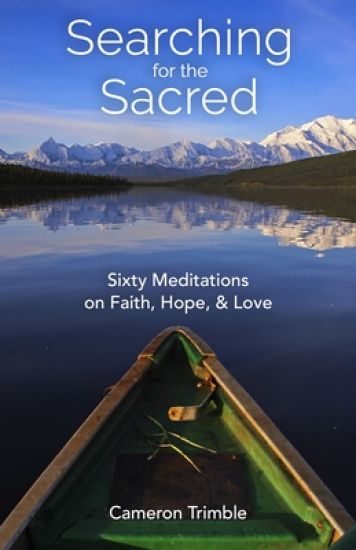
Searching for the Sacred: Sixty Meditations on Faith, Hope, and Love
Cameron Trimble
APG Sales Distribution
2022
nidottu
Searching for the Sacred: Sixty Meditations on Faith, Hope, and Love" is a book of stories and parables designed to inspire hope, insight, courage, and resilience. Each day, readers can spend 30 minutes engaging with one of the 60 meditations and related scriptures, pondering the questions that tie the daily thoughts together. This practice offers a meaningful opportunity for reflection. Beyond personal use, "Searching for the Sacred" is suitable for group discussions in classes or small gatherings.
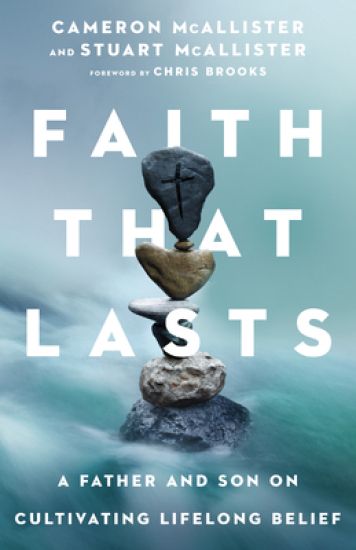
Faith That Lasts – A Father and Son on Cultivating Lifelong Belief
Cameron McAllister; Stuart McAllister; Chris Brooks
Inter-Varsity Press,US
2021
nidottu
"Please fix my kid." In their work as Christian apologists, father and son Stuart and Cameron McAllister have heard many variations on this theme from concerned parents. It's a sentiment lots of Christian parents can relate to—a deep and fearful sense of their own inadequacy to raise their children in the faith amid a seductive culture that's often hostile to Christianity. In Faith That Lasts, the McAllisters reflect on their own experiences of coming to Christian faith—Stuart from a life of crime on the streets of Glasgow, and Cameron in the context of a loving Christian home. Together they outline three dangerous myths that we all too easily buy into: that fear can protect our children, that information can save them, and that their spiritual education belongs to the experts. They reconsider each myth in the light of the Christian faith and their own experiences. When our confidence is rooted in the good news of Jesus, our homes can be places of honest conversation, open-handed exploration, and lasting faith.
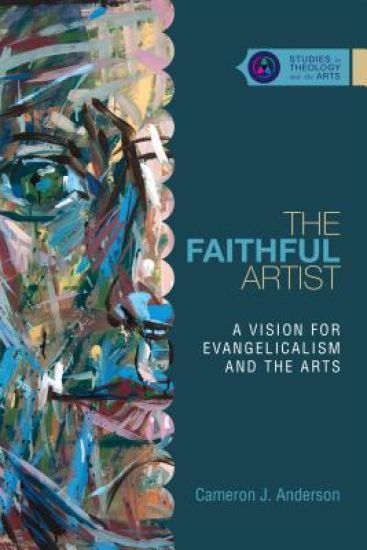
The Faithful Artist – A Vision for Evangelicalism and the Arts
Cameron J. Anderson
Inter-Varsity Press,US
2016
nidottu
The tension between Christianity and the arts is often real. But it also offers a false dichotomy. Many Christian artists think that they must choose between their faith and their artistic calling. Drawing upon his experiences as both a Christian and a practicing artist, Cameron J. Anderson explores the dynamics of faith and art in this Studies in Theology and the Arts volume. Tracing the relationship between evangelicalism and modern art in postwar America—two entities that often found themselves at odds with each other—Anderson raises several issues that confront artists. With skill, sensitivity, and insight, he considers questions such as the role of our bodies and our senses in our experience of the arts, the relationship between text and image, the persistent dangers of idolatry, the possibility of pursuing God through an encounter with beauty, and more. Throughout this study, Anderson's principal concern is how Christian artists can faithfully pursue their vocational calling in contemporary culture. Readers will find here not only an informed and thoughtful response, but also a vision that offers guidance and hope. The Studies in Theology and the Arts series encourages Christians to thoughtfully engage with the relationship between their faith and artistic expression, with contributions from both theologians and artists on a range of artistic media including visual art, music, poetry, literature, film, and more.
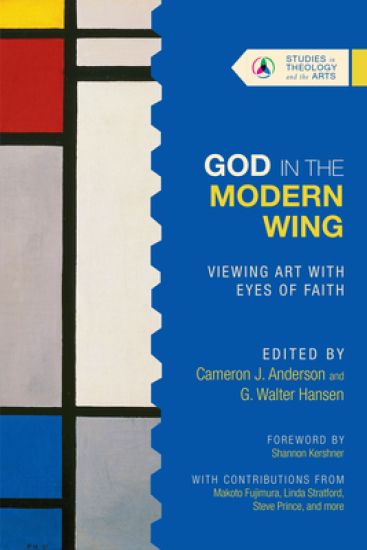
God in the Modern Wing – Viewing Art with Eyes of Faith
Cameron J. Anderson; G. Walter Hansen
IVP Academic
2021
nidottu
Should Christians even bother with the modern wing at the art museum? After all, modern art and artists are often caricatured as rabidly opposed to God, the church—indeed, to faith of any kind. But is that all there is to the story? In this Studies in Theology and the Arts volume, coeditors Cameron J. Anderson and G. Walter Hansen gather the reflections of artists, art historians, and theologians who collectively offer a more complicated narrative of the history of modern art and its place in the Christian life. Here, readers will find insights on the work and faith of artists including Marc Chagall, Jackson Pollock, Mark Rothko, Andy Warhol, and more. For those willing to look with eyes of faith, they may just find that God is present in the modern wing too. The Studies in Theology and the Arts series encourages Christians to thoughtfully engage with the relationship between their faith and artistic expression, with contributions from both theologians and artists on a range of artistic media including visual art, music, poetry, literature, film, and more.