Kirjojen hintavertailu. Mukana 12 016 292 kirjaa ja 12 kauppaa.

Kirjahaku

Etsi kirjoja tekijän nimen, kirjan nimen tai ISBN:n perusteella.

1000 tulosta hakusanalla Neeta Parajulee

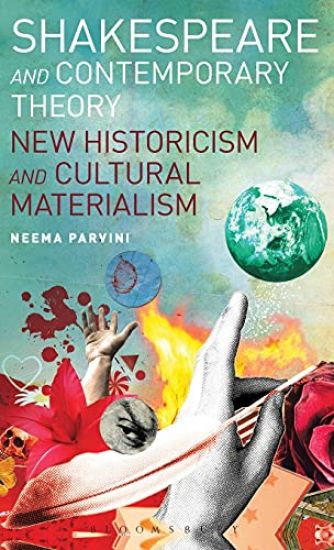
Shakespeare and Contemporary Theory

Shakespeare and Contemporary Theory

Neema Parvini

Bloomsbury Academic USA
2012
sidottu
In the thirty years since thepublication of Stephen Greenblatt's Renaissance Self-Fashioningoverthrew traditional modes of Shakespeare criticism, New Historicism and CulturalMaterialism have rapidly become the dominant modes for studying and writingabout the Bard. This comprehensive guide introduces students to the keywriters, texts and ideas of contemporary Shakespeare criticism and alternativesto new historicist and cultural materialist approaches suggested by a range ofdissenters including evolutionary critics, historical formalists and advocatesof 'the new aestheticism', and the more politically active presentists. Shakespeare and Contemporary Theory covers such topics as: The key theoreticalinfluences on new historicism including Michel Foucault and Louis Althusser.The major critics, from Stephen Greenblatt to Jonathan Dollimore and AlanSinfield. Dissenting views from traditional critics and contemporary theorists. Chapter summaries and questions for discussion throughout encourage students tocritically engage with contemporary Shakespeare theory for themselves. The bookincludes a 'Who's Who' of major critics, a timeline of key publications and aglossary of essential critical terms to give students and teachers easy accessto essential information.
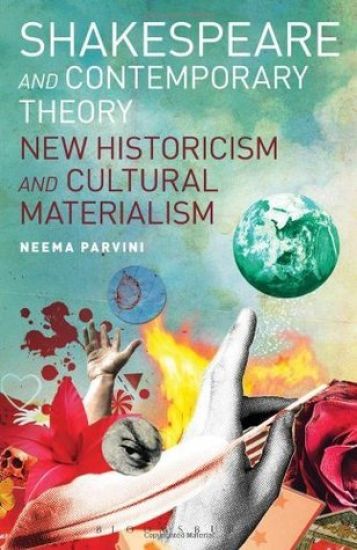
Shakespeare and Contemporary Theory

Shakespeare and Contemporary Theory

Neema Parvini

Bloomsbury Academic USA
2012
nidottu
In the 30 years since the publication of Stephen Greenblatt's Renaissance Self-Fashioning overthrew traditional modes of Shakespeare criticism, New Historicism and Cultural Materialism have rapidly become the dominant modes for studying and writing about the Bard. This comprehensive guide introduces students to the key writers, texts and ideas of contemporary Shakespeare criticism and alternatives to new historicist and cultural materialist approaches suggested by a range of dissenters including evolutionary critics, historical formalists and advocates of 'the new aestheticism', and the more politically active presentists. Shakespeare and Contemporary Theory covers such topics as: - The key theoretical influences on new historicism including Michel Foucault and Louis Althusser.- The major critics, from Stephen Greenblatt to Jonathan Dollimore and Alan Sinfield. - Dissenting views from traditional critics and contemporary theorists. Chapter summaries and questions for discussion throughout encourage students to critically engage with contemporary Shakespeare theory for themselves. The book includes a 'Who's Who' of major critics, a timeline of key publications and a glossary of essential critical terms to give students and teachers easy access to essential information.
Democracy and Revolutionary Politics

Democracy and Revolutionary Politics

Neera Chandhoke

Bloomsbury Academic
2015
sidottu
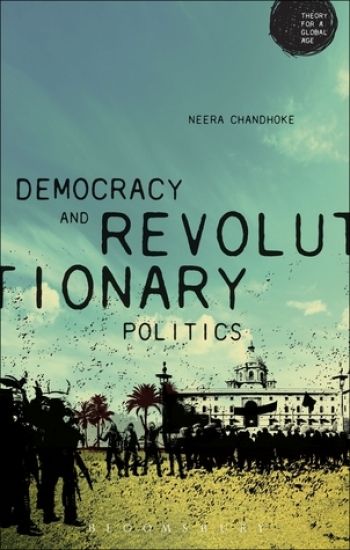
This book is available as open access through the Bloomsbury Open Access programme and is available on www.bloomsburycollections.com.Democracy and political violence can hardly be considered conceptual siblings, at least at first sight. Democracy allows people to route their aspirations, demands, and expectations of the state through peaceful methods; violence works outside these prescribed and institutionalized channels in public spaces, in the streets, in the forests and in inhospitable terrains. But can committed democrats afford to ignore the fact that violence has become a routine way of doing politics in countries such as India?By exploring the concept of political violence from the perspective of critical political theory, Neera Chandhoke investigates its nature, justification and contradictions. She uses the case study of Maoist revolutionaries in India to globalize and relocate the debate alongside questions of social injustice, exploitation, oppression and imperfect democracies. As such, this is an important and much-needed contribution to the dialogue surrounding revolutionary violence.
Democracy and Revolutionary Politics

Democracy and Revolutionary Politics

Neera Chandhoke

Bloomsbury Academic
2015
nidottu
This book is available as open access through the Bloomsbury Open Access programme and is available on www.bloomsburycollections.com.Democracy and political violence can hardly be considered conceptual siblings, at least at first sight. Democracy allows people to route their aspirations, demands, and expectations of the state through peaceful methods; violence works outside these prescribed and institutionalized channels in public spaces, in the streets, in the forests and in inhospitable terrains. But can committed democrats afford to ignore the fact that violence has become a routine way of doing politics in countries such as India?By exploring the concept of political violence from the perspective of critical political theory, Neera Chandhoke investigates its nature, justification and contradictions. She uses the case study of Maoist revolutionaries in India to globalize and relocate the debate alongside questions of social injustice, exploitation, oppression and imperfect democracies. As such, this is an important and much-needed contribution to the dialogue surrounding revolutionary violence.
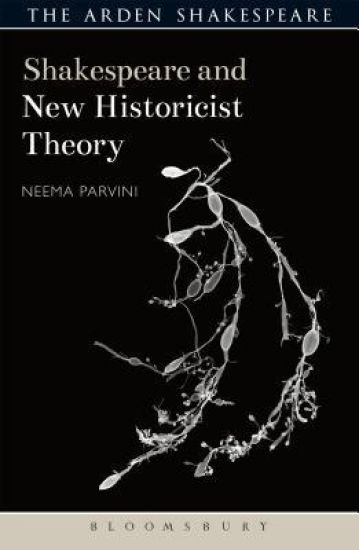
Shakespeare and New Historicist Theory

Shakespeare and New Historicist Theory

Neema Parvini

The Arden Shakespeare
2017
nidottu
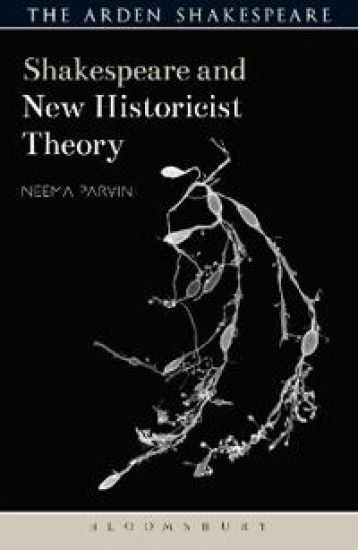
Over the past three decades, no critical movement has been more prominent in Shakespeare Studies than new historicism. And yet, it remains notoriously difficult to pin down, define and explain, let alone analyze. Shakespeare and New Historicist Theory provides a comprehensive scholarly analysis of new historicism as a development in Shakespeare studies while asking fundamental questions about its status as literary theory and its continued usefulness as a method of approaching Shakespeare’s plays.
Shakespeare and New Historicist Theory

Shakespeare and New Historicist Theory

Neema Parvini

The Arden Shakespeare
2017
sidottu
Over the past three decades, no critical movement has been more prominent in Shakespeare Studies than new historicism. And yet, it remains notoriously difficult to pin down, define and explain, let alone analyze. Shakespeare and New Historicist Theory provides a comprehensive scholarly analysis of new historicism as a development in Shakespeare studies while asking fundamental questions about its status as literary theory and its continued usefulness as a method of approaching Shakespeare’s plays.
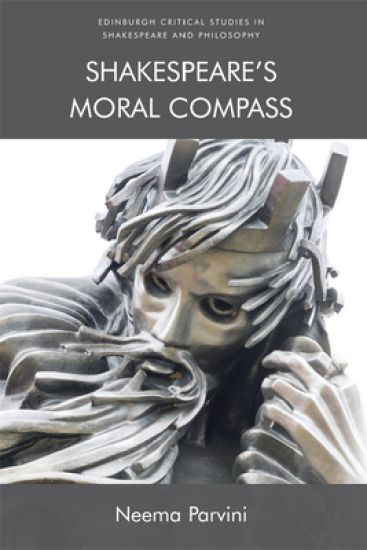
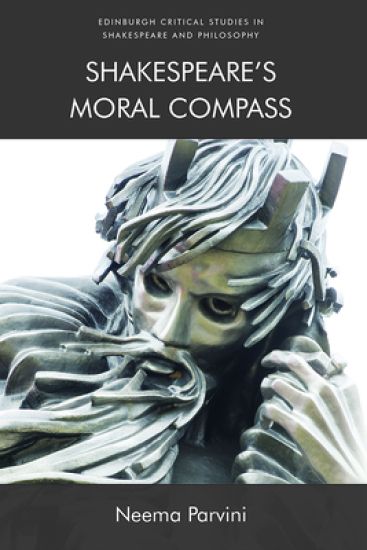
Shakespeare'S Moral Compass

Shakespeare'S Moral Compass

Neema Parvini

Edinburgh University Press
2018
sidottu
Overturns orthodox thinking about morality in Shakespeare's plays by updating our understanding of the human mindThis ground-breaking study fearlessly combines latest research in evolutionary psychology, historical scholarship and philosophy to answer a question that has eluded critics for centuries: what is Shakespeare's moral vision? At a political and cultural moment in which many of us are taking stock and looking for meaning, and in which moral outrage and polarisation seem endemic, this book radically reimagines how we might approach great works of literature to find some answers.Key FeaturesProvocatively outlines how we might read literature for ethical contentBrings latest research on morality from evolutionary psychology and sociology to bear on the study of Shakespeare's playsComprehensive coverage of moral philosophy in Shakespeare's time and place, including the impact of the Renaissance, the Reformation and the rise of capitalismPlots 'Shakespeare's moral compass' on six foundations (Authority, Loyalty, Fairness, Sanctity, Care, Liberty) with a chapter on each
Shakespeare'S Moral Compass

Shakespeare'S Moral Compass

Neema Parvini

Edinburgh University Press
2020
nidottu
Overturns orthodox thinking about morality in Shakespeare's plays by updating our understanding of the human mindThis ground-breaking study fearlessly combines latest research in evolutionary psychology, historical scholarship and philosophy to answer a question that has eluded critics for centuries: what is Shakespeare's moral vision? At a political and cultural moment in which many of us are taking stock and looking for meaning, and in which moral outrage and polarisation seem endemic, this book radically reimagines how we might approach great works of literature to find some answers.Key FeaturesProvocatively outlines how we might read literature for ethical contentBrings latest research on morality from evolutionary psychology and sociology to bear on the study of Shakespeare's playsComprehensive coverage of moral philosophy in Shakespeare's time and place, including the impact of the Renaissance, the Reformation and the rise of capitalismPlots 'Shakespeare's moral compass' on six foundations (Authority, Loyalty, Fairness, Sanctity, Care, Liberty) with a chapter on each
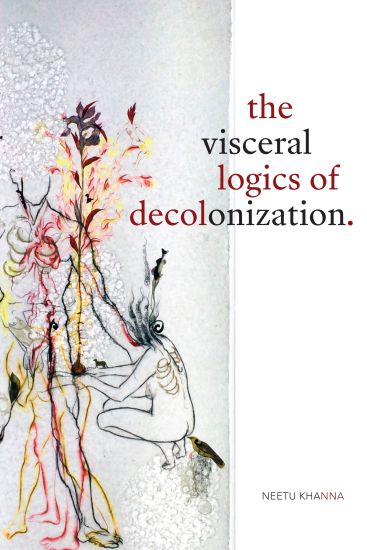
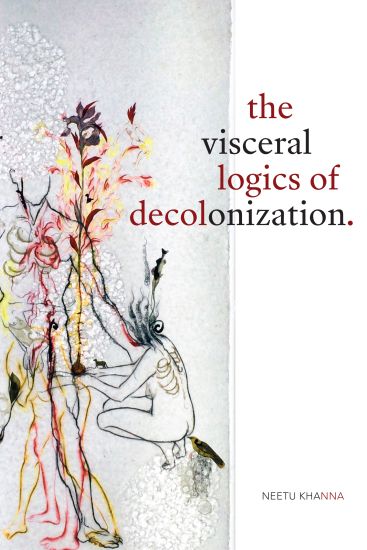
The Visceral Logics of Decolonization

The Visceral Logics of Decolonization

Neetu Khanna

Duke University Press
2020
sidottu
In The Visceral Logics of Decolonization Neetu Khanna rethinks the project of decolonization by exploring a knotted set of relations between embodied experience and political feeling that she conceptualizes as the visceral. Khanna focuses on the work of the Progressive Writers' Association (PWA)-a Marxist anticolonial literary group active in India between the 1930s and 1950s-to show how anticolonial literature is a staging ground for exploring racialized emotion and revolutionary feeling. Among others, Khanna examines novels by Mulk Raj Anand, Ahmed Ali, and Khwaja Ahmad Abbas, as well as the feminist writing of Rashid Jahan and Ismat Chughtai, who each center the somatic life of the body as a fundamental site of colonial subjugation. In this way, decolonial action comes not solely from mental transformation, but from a reconstitution of the sensorial nodes of the body. The visceral, Khanna contends, therefore becomes a critical dimension of Marxist theories of revolutionary consciousness. In tracing the contours of the visceral's role in decolonial literature and politics, Khanna bridges affect and postcolonial theory in new and provocative ways.
The Visceral Logics of Decolonization

The Visceral Logics of Decolonization

Neetu Khanna

Duke University Press
2020
pokkari
In The Visceral Logics of Decolonization Neetu Khanna rethinks the project of decolonization by exploring a knotted set of relations between embodied experience and political feeling that she conceptualizes as the visceral. Khanna focuses on the work of the Progressive Writers' Association (PWA)-a Marxist anticolonial literary group active in India between the 1930s and 1950s-to show how anticolonial literature is a staging ground for exploring racialized emotion and revolutionary feeling. Among others, Khanna examines novels by Mulk Raj Anand, Ahmed Ali, and Khwaja Ahmad Abbas, as well as the feminist writing of Rashid Jahan and Ismat Chughtai, who each center the somatic life of the body as a fundamental site of colonial subjugation. In this way, decolonial action comes not solely from mental transformation, but from a reconstitution of the sensorial nodes of the body. The visceral, Khanna contends, therefore becomes a critical dimension of Marxist theories of revolutionary consciousness. In tracing the contours of the visceral's role in decolonial literature and politics, Khanna bridges affect and postcolonial theory in new and provocative ways.