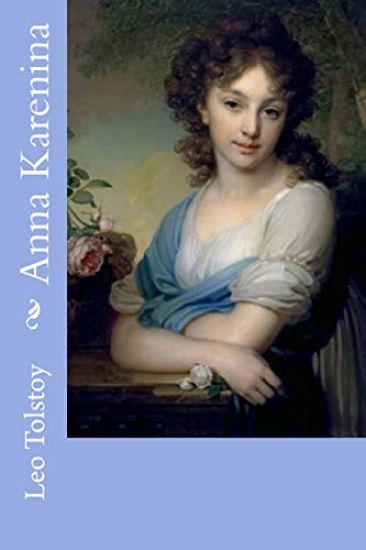
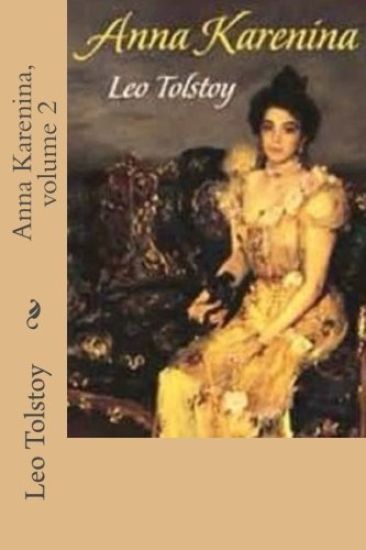
Anna Karenina is a novel by the Russian writer Leo Tolstoy, published in serial installments. Tolstoy clashed with editor Mikhail Katkov over political issues that arose in the final installment of Tolstoy's negative views of Russian volunteers going to fight in Serbia; therefore, the novel's first complete appearance was in book form in 1878. Widely regarded as a pinnacle in realist fiction, Tolstoy considered Anna Karenina his first true novel, after he came to consider War and Peace to be more than a novel. Fyodor Dostoyevsky declared it "flawless as a work of art." His opinion was shared by Vladimir Nabokov, who especially admired "the flawless magic of Tolstoy's style," and by William Faulkner, who described the novel as "the best ever written." The novel remains popular, as demonstrated by a 2007 poll of 125 contemporary authors in Time, which declared that Anna Karenina is the "greatest book ever written."
E. Phillips Oppenheim (1866 1946) was one of the most popular and successful writers of spy fiction in the early twentieth century, and was known in his time as the Prince of Storytellers. He was the author of more than 100 novels. Edward Phillips Oppenheim (22 October 1866 - 3 February 1946) was an English novelist, in his lifetime a major and successful writer of genre fiction including thrillers.Edward Phillips Oppenheim was born 22 October 1866 in Leicester, the son of Henrietta Susannah Temperley Budd and Edward John Oppenheim, a leather merchant. He worked in his father's business for almost twenty years. He went to Wyggeston Grammar School.Oppenheim's literary success enabled him to buy a villa in France and a yacht, then a house in Guernsey, though he lost access to this during the Second World War. Afterwards he regained the house, le Vanqui dor in St. Peter Port, and he died there on 3 February 1946
Presentation This novel first appeared in serial form in the periodical Rousky vestnik (The Russian Messenger or The Russian Courier), but Tolstoy entered into conflict with the editor-in-chief Mikhail Katkov about the content of the last episode. The novel, therefore, appeared in its entirety only when it was published as a book. The soap opera nevertheless achieved great success in nineteenth-century Russia, with some women in the world going so far as to send their servants to print to determine the content of the next episodes. Anna Karenina portrays the Russian nobility, on which Tolstoy looks critically. The character of Anna Karenina was partly inspired by Maria Hartung (1832-1919), the eldest daughter of the poet Alexander Pushkin. For the tragic end of the novel, the author was inspired by a fact: the mistress of his neighbor Bibikov threw himself under a train in January 1872; He went to see the body of the unhappy woman. Summary Anna Karenina is a young woman married to Alexis Karenina, faithful and mother of a young boy Serge. Anna Karenina goes to Moscow with her brother Stiva Oblonski. As she left the train, she met Count Vronski. Anna falls in love with Vronski, that brilliant but frivolous officer. She fights against this passion and ends up by abandoning herself with guilty happiness to the current that carries her to this young officer. Then Anna gets pregnant. Feeling guilty and deeply depressed by her fault, she decides to confess her infidelity to her husband. The love she brings to her son makes her think for a moment of abandoning husband and lover and fleeing with him. But a letter from her husband, who had gone on a journey, in response to his confession, where he only asked her to respect appearances, decided to stay. But the pregnancy is going badly. After giving birth to a daughter, Anna contracts fever and risks dying. She sends a telegram to her husband, asking her to return and forgive her. She repents and calls death as a liberation for all. Empress by the remorse of his wife and his imminent death, Alexis consents to forgive him. Then, some time later, an unexpected encounter with Vronski is enough to shatter the decision of Anna. She throws herself in her arms and they decide to flee together abroad. It is for Anna, a moment of joy and deliverance. Back in Russia, Anna and Vronski live on the margins of society. They arouse both admiration and disapproval for having thus braved the conventions of the high society of Russia. Vronski's fortune allows them to have an independent existence and they manage to recreate a micro-society around them on the margins of the Great World. But Anna can not bear to have abandoned her child and betrayed her husband. This heavy climate provokes a reciprocal misunderstanding that obscures their union. Anna, a prey to the most violent torments, and caught in a gear from which she can not free herself, put an end to her life by throwing herself under a train. In parallel to their adventure, Tolstoy paints the portrait of two other couples: Kitty and L vine, and Daria and Oblonski. Kitty is a beautiful teenager who, at eighteen, makes her entry into the world. At a ball, the statement of L vine flatters it because it gives importance. She nevertheless answers in the negative because she is in love with Vronski. The latter escapes him at this ball where he succumbs to the fascination of Anna. Kitty dark then in shame. Several months after this sinister ball, Kitty meets again Levine with whom she then feels a mixture of dread and happiness. She realizes she only loved him. Kitty and L vine understand that the past was only a trial destined to consolidate their love. They decide to marry. Daria, wife submissive and resigned, but especially exhausted by the tasks of everyday life is the wife of Stiva Oblonski. Despite his infidelity, Oblonski lavished on his wife several marks of comforting tenderness.
Presentation This novel first appeared in serial form in the periodical Rousky vestnik (The Russian Messenger or The Russian Courier), but Tolstoy entered into conflict with the editor-in-chief Mikhail Katkov about the content of the last episode. The novel, therefore, appeared in its entirety only when it was published as a book. The soap opera nevertheless achieved great success in nineteenth-century Russia, with some women in the world going so far as to send their servants to print to determine the content of the next episodes. Anna Karenina portrays the Russian nobility, on which Tolstoy looks critically. The character of Anna Karenina was partly inspired by Maria Hartung (1832-1919), the eldest daughter of the poet Alexander Pushkin. For the tragic end of the novel, the author was inspired by a fact: the mistress of his neighbor Bibikov threw himself under a train in January 1872; He went to see the body of the unhappy woman. Summary Anna Karenina is a young woman married to Alexis Karenina, faithful and mother of a young boy Serge. Anna Karenina goes to Moscow with her brother Stiva Oblonski. As she left the train, she met Count Vronski. Anna falls in love with Vronski, that brilliant but frivolous officer. She fights against this passion and ends up by abandoning herself with guilty happiness to the current that carries her to this young officer. Then Anna gets pregnant. Feeling guilty and deeply depressed by her fault, she decides to confess her infidelity to her husband. The love she brings to her son makes her think for a moment of abandoning husband and lover and fleeing with him. But a letter from her husband, who had gone on a journey, in response to his confession, where he only asked her to respect appearances, decided to stay. But the pregnancy is going badly. After giving birth to a daughter, Anna contracts fever and risks dying. She sends a telegram to her husband, asking her to return and forgive her. She repents and calls death as a liberation for all. Empress by the remorse of his wife and his imminent death, Alexis consents to forgive him. Then, some time later, an unexpected encounter with Vronski is enough to shatter the decision of Anna. She throws herself in her arms and they decide to flee together abroad. It is for Anna, a moment of joy and deliverance. Back in Russia, Anna and Vronski live on the margins of society. They arouse both admiration and disapproval for having thus braved the conventions of the high society of Russia. Vronski's fortune allows them to have an independent existence and they manage to recreate a micro-society around them on the margins of the Great World. But Anna can not bear to have abandoned her child and betrayed her husband. This heavy climate provokes a reciprocal misunderstanding that obscures their union. Anna, a prey to the most violent torments, and caught in a gear from which she can not free herself, put an end to her life by throwing herself under a train. In parallel to their adventure, Tolstoy paints the portrait of two other couples: Kitty and L vine, and Daria and Oblonski. Kitty is a beautiful teenager who, at eighteen, makes her entry into the world. At a ball, the statement of L vine flatters it because it gives importance. She nevertheless answers in the negative because she is in love with Vronski. The latter escapes him at this ball where he succumbs to the fascination of Anna. Kitty dark then in shame. Several months after this sinister ball, Kitty meets again Levine with whom she then feels a mixture of dread and happiness. She realizes she only loved him. Kitty and L vine understand that the past was only a trial destined to consolidate their love. They decide to marry. Daria, wife submissive and resigned, but especially exhausted by the tasks of everyday life is the wife of Stiva Oblonski. Despite his infidelity, Oblonski lavished on his wife several marks of comforting tenderness.
Anna Ivanova, de la noblesse russe, pendant la campagne de Russie de Napol on devient veuve du g n ral comte Ivanov (mort au combat) et pouse plus tard son ami d'enfance, prussien, ayant servi dans l'arm e imp riale fran aise. Elle s'implique dans le devenir de ses serfs.