Kirjojen hintavertailu. Mukana 12 016 292 kirjaa ja 12 kauppaa.

Kirjahaku

Etsi kirjoja tekijän nimen, kirjan nimen tai ISBN:n perusteella.

1000 tulosta hakusanalla E. W. Simson

Dimitrie Cantemir - G. W. Leibniz e l'Accademia di Berlino
"Ho ritenuto necessario e importante per la mia attivit di ricerca scientifica realizzare un lavoro di sintesi degli studi e degli articoli pi significativi pubblicati, attraverso i quali ho cercato di far conoscere i contributi di due pensatori nella storia della filosofia romena e universale, e la presentazione di cui sopra dimostra la mia curiosit epistemica e la mia passione per l'esplorazione delle opere dei due pensatori, in vari eventi scientifici, svolti in un lungo periodo di tempo. Inoltre, la presentazione dei testi all'interno di questo volume sia in rumeno che in inglese offre una reale opportunit di diffondere i risultati della ricerca scientifica dedicata a G.W. Leibniz e Dimitrie Cantemir, sia nell'area culturale rumena che universale, a livello internazionale." Autore
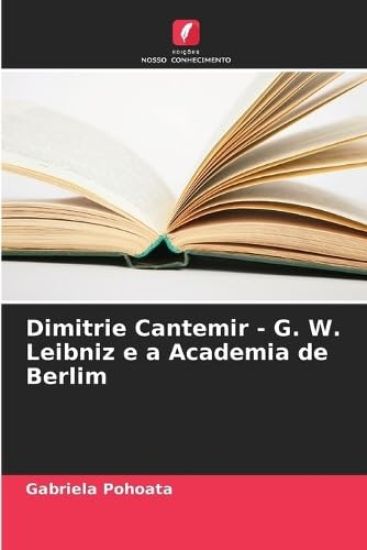
Dimitrie Cantemir - G. W. Leibniz e a Academia de Berlim

Dimitrie Cantemir - G. W. Leibniz e a Academia de Berlim

Gabriela Pohoata

Edicoes Nosso Conhecimento
2023
pokkari
"Considerei necess rio e importante para a minha atividade de investiga o cient fica realizar um trabalho de s ntese dos estudos e artigos mais significativos publicados, atrav s do qual tentei dar a conhecer os contributos de dois pensadores na hist ria da filosofia romena e universal, e a apresenta o acima mostra a minha curiosidade epist mica e paix o por explorar as obras dos dois pensadores, em v rios eventos cient ficos, realizados num longo per odo de tempo. Al m disso, a apresenta o dos textos deste volume, tanto em romeno como em ingl s, oferece uma oportunidade real para divulgar os resultados da investiga o cient fica dedicada a G. W. Leibniz e Dimitrie Cantemir, tanto na rea cultural romena como universal, a n vel internacional." Autora.
W. E. B. Du Bois’ kærlighedssange

W. E. B. Du Bois’ kærlighedssange

Honorée Fannone Jeffers

Peoples Press
2023
sidottu
Fra Ailey Pearl er barn tilbringer hun sine somre i sydstatsbyen og den tidligere bomuldsplantage Chicasetta i Georgia. Her har hendes mors familie boet, siden deres forfædre kom fra Afrika som slaver, og hendes bedstemor bor i det hus, der tidligere tilhørte plantageejeren. Under besøgene bliver Ailey konfronteret med slægtens både tragiske og bevægende historier, og hun og hendes søstre tynges af de mange traumer, der gennem generationer har fulgt slægtens kvinder.For at komme overens med sin identitet og finde sin plads i verden dykker Ailey ned i sin families historie. Her opdager hun en arv, ikke kun af undertrykkelse, men også befrielseskamp, slaveri og uafhængighed, af grusomhed og modstand, som er historien – og sangen –om selve Amerika
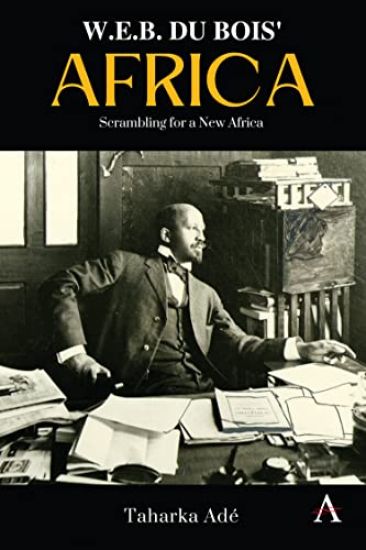
W. E. B. Du Bois’ Africa

W. E. B. Du Bois’ Africa

Taharka Ade

ANTHEM PRESS
2026
nidottu
W. E. B. Du Bois was one of the leading figures of Pan-African thought and activism in the twentieth century. As a sociologist, Du Bois wrote much about the historical and social circumstances of African Americans while often acknowledging the African historical background of much of African American, or Negro, culture. In 1946 Du Bois published The World and Africa, which was a culmination of previous attempts at penning a narrative of African history beginning with his 1915 publication The Negro, in which he included the social-historical experience of African Americans within the continuity of African history. This book delivers for the first time a comprehensive Afrocentric investigation and critique of Du Bois’s writings on African history. It argues that while Du Bois presented at the time a strong critique of the Eurocentric construction of African history, many of Du Bois’s descriptions and arguments about African people and history were likewise flawed with interpretations that projected the cultural subjectivities of Europe. Further, while Du Bois rightfully presents the historical relationship between African Americans and Africa as a justification for Pan-African activism, this book contends that Du Bois’s failure to center African culture instead of race leads to superficial justifications for Pan-African unity.