Kirjahaku
Etsi kirjoja tekijän nimen, kirjan nimen tai ISBN:n perusteella.
1000 tulosta hakusanalla Edna Healey
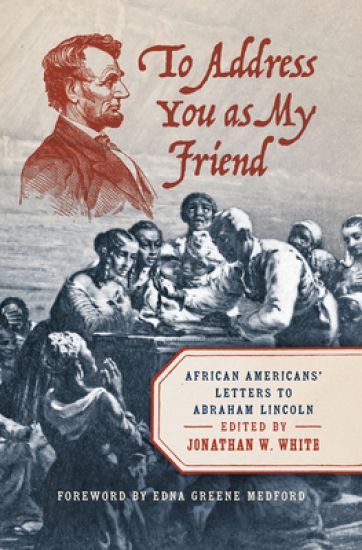
Many African Americans of the Civil War era felt a personal connection to Abraham Lincoln. For the first time in their lives, an occupant of the White House seemed concerned about the welfare of their race. Indeed, despite the tremendous injustice and discrimination that they faced, African Americans now had confidence to write to the president and to seek redress of their grievances. Their letters express the dilemmas, doubts, and dreams of both recently enslaved and free people in the throes of dramatic change. For many, writing Lincoln was a last resort. Yet their letters were often full of determination, making explicit claims to the rights of U.S. citizenship in a wide range of circumstances. This compelling collection presents more than 120 letters from African Americans to Lincoln, most of which have never before been published. They offer unflinching, intimate, and often heart-wrenching portraits of Black soldiers' and civilians' experiences in wartime. As readers continue to think critically about Lincoln's image as the "Great Emancipator," this book centers African Americans' own voices to explore how they felt about the president and how they understood the possibilities and limits of the power invested in the federal government.
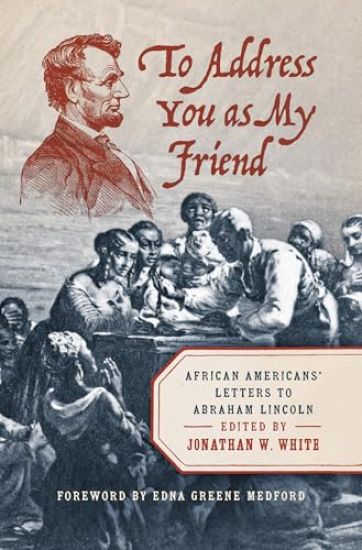
Many African Americans of the Civil War era felt a personal connection to Abraham Lincoln. For the first time in their lives, an occupant of the White House seemed concerned about the welfare of their race. Indeed, despite the tremendous injustice and discrimination that they faced, African Americans now had confidence to write to the president and to seek redress of their grievances. Their letters express the dilemmas, doubts, and dreams of both recently enslaved and free people in the throes of dramatic change. For many, writing Lincoln was a last resort. Yet their letters were often full of determination, making explicit claims to the rights of U.S. citizenship in a wide range of circumstances. This compelling collection presents more than 120 letters from African Americans to Lincoln, most of which have never before been published. They offer unflinching, intimate, and often heart-wrenching portraits of Black soldiers' and civilians' experiences in wartime. As readers continue to think critically about Lincoln's image as the "Great Emancipator," this book centers African Americans' own voices to explore how they felt about the president and how they understood the possibilities and limits of the power vested in the federal government.
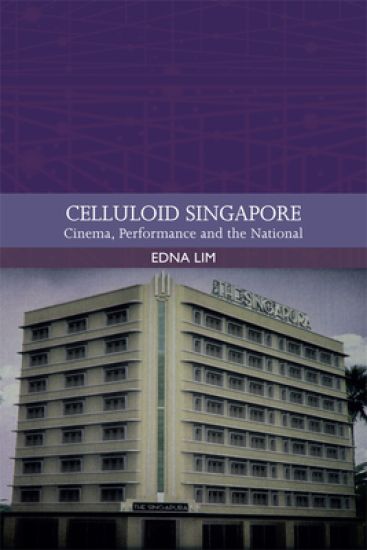
Examines how Singapore cinema functions as a national cinema'Celluloid Singapore' is a ground-breaking study of the three major periods in Singapore's fragmented cinema history, namely the golden age of the 1950s and 60s, the post-studio 1970s, and the revival from the 1990s onwards. Set against the context of Singapore's own trajectory of development, the book poses two central questions: how can the films of each period be considered 'Singapore' films, and how is this cinema specifically national? The book argues that the films of these three periods collectively constitute a national cinema through different performances of Singapore, offering a critical framework for understanding this cinema and its history in relation to the development of the country and the national.Key FeaturesThe first full length, critical study of Singapore cinemaIncludes case studies of films from the golden age of the 1950s and 60s, the post-studio 1970s, and the revival from the 1990s onwardsConsiders Singapore's cinema history and relationship with the national, building on developments in transnational cinema studies
Celluloid Singapore is a ground-breaking study of the three major periods in Singapore's fragmented cinema history, namely the golden age of the 1950s and 60s, the post-studio 1970s, and the revival from the 1990s onwards. Set against the context of Singapore's own trajectory of development, the book poses two central questions: how can the films of each period be considered 'Singapore' films, and how is this cinema specifically national? The book argues that the films of these three periods collectively constitute a national cinema through different performances of Singapore, offering a critical framework for understanding this cinema and its history in relation to the development of the country and the national.
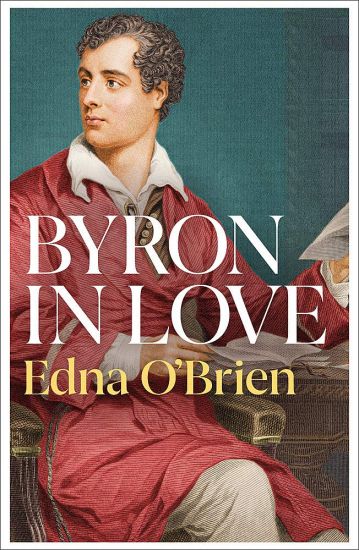
Byron, more than any other poet, has come to personify the poet as rebel; imaginative and lawless, reaching beyond race, creed or frontier, his notorious flaws redeemed by a magnetism and ultimately a heroism that by ending in tragedy raised it and him from the particular to the universal.Everything about Lord George Gordon Byron was a paradox - insider and outsider, beautiful and deformed, serious and facetious, profligate but on occasion miserly, and possessed of a fierce intelligence trapped forever in a child's magic and malices. He was also a great poet, but as he reminded us, poetry is a distinct faculty and has little to do with the individual life of its creator.Edna O'Brien's exemplary biography focuses upon the diverse and colourful women in Byron's life.'O'Brien charts the many loves of the notorious 19th-century poet's reckless life in immediate and candid prose'Sunday Telegraph'Edna O'Brien has always had a gift for writing about affairs of the heart'Guardian'There is much to enjoy in this idiosyncratic and highly readable account of the poet whose writing enthralled and whose actions appalled in equal measure'Independent
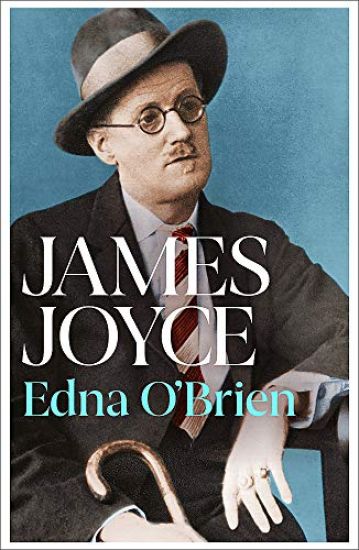
One of Ireland's greatest contemporary writers turns her attention to one of the country's greatest novelists: James Joyce - in celebration of the 100th anniversary of the iconic classic ULYSSES.'As skilful, stylish and pacy as one would expect from so adept a novelist' Sunday Telegraph'A delight from start to finish . . . achieves the near impossibility of giving a thoroughly fresh view of Joyce' Sunday Times'Accessible and passionate, it is a book which should bring Joyce in all his glory and agony to a new and very wide audience' Irish Independent Edna O'Brien depicts James Joyce as a man hammered by Church, State and family, yet from such adversities he wrote works 'to bestir the hearts of men and angels'. The journey begins with Joyce the arrogant youth, his lofty courtship of Nora Barnacle, their hectic sexuality, children, wanderings, debt and profligacy, and Joyce's obsession with the city of Dublin, which he would re-render through his words. Nor does Edna O'Brien spare us the anger and isolation of Joyce's later years, when he felt that the world had turned its back on him, and she asks how could it be otherwise for a man who knew that conflict is the source of all creation.

One of Ireland's greatest contemporary writers turns her attention to one of the country's greatest novelists: James Joyce and his relationship with Nora Barnacle - in celebration of the 100th anniversary of the iconic classic ULYSSES.'Both Joyce and O'Brien have a gift for beauty distilled . . . a work of love'Daily Telegraph'Short, poetic and powerful'Irish Times It was June 10th, Barnacle Day. He saw her in Nassau Street and they stopped to talk. She thought his blue eyes were those of a Norseman. He was twenty-two, and she, Nora Barnacle, was twenty and employed as a chambermaid in Finn's Hotel. They agreed to meet on June 14th, outside No. 1 Merrion Square, the home of Sir William Wilde, but Nora did not turn up. After a dejected letter from Joyce they met on June 16th, a date which came to be immortalized in literature as Bloomsday.Edna O'Brien paints a miniature portrait of an artist, idealist, insurgent and filled with a secret loneliness. In Nora, he was to find accomplice, collaborator and muse. For all their sexual escalations, Joyce considered their relationship 'a kind of sacrament'. Their life was one of wandering, emotional upheaval and poverty. It was also one that was binding and mysterious, and defied all the mores of intimacy.In prose brimming with life and energy, Edna O'Brien resurrects a relationship of magnificent intensity on the page, and in doing so shows herself to be touched by the genius of the writer she loves above all others.
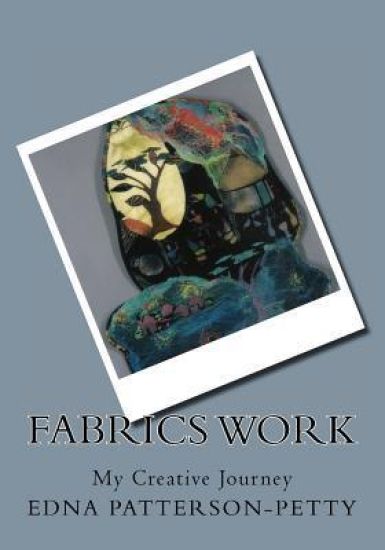
Fabrics Work My Creative Journey: A personal journey
Edna J. Patterson-Petty
Createspace Independent Publishing Platform
2012
nidottu

(Willis). The Dozen a Day books are universally recognized as one of the most remarkable technique series on the market for all ages Each book in this series contains short warm-up exercises to be played at the beginning of each practice session, providing excellent day-to-day training for the student.


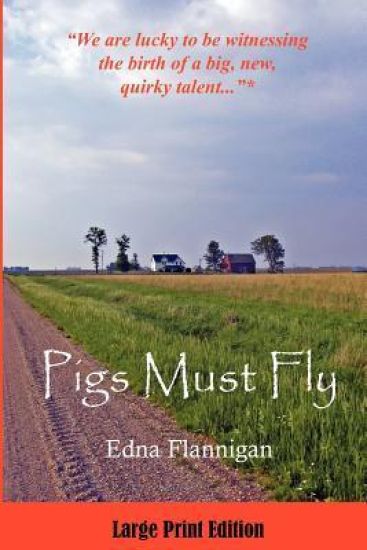
Pigs Must Fly Large Print Edition
Edna Flannigan
Createspace Independent Publishing Platform
2012
nidottu
Iris Haugsdahl is a shy, backwards Iowa dairy farmer's wife whose exposure to the world is eventually stretched to include Casino Night at the local Moose Lodge, where she discovers petty gambling. When Urbb, her much older husband, is invited to a VFW convention in Las Vegas, she urges him to go. But Urbb dies unexpectedly, leaving Iris to go to Las Vegas alone. Also on the road to Las Vegas are their more prosperous neighbors, Forky and Netta Stimple. The Stimples have built a huge, stinking hog confinement directly across the road from the Haugsdahl farm - on purpose. They are confident that what they see as their esteemed position at home will translate successfully to Vegas. As for Iris, she is marked by her na vet , making her the target of the huckters she meets. Kitty Velour sees that. Kitty, a transgender lounge singer and Vegas veteran, sets out to save Iris by remaking the farm wife in her image. It is, of course, a mistake.