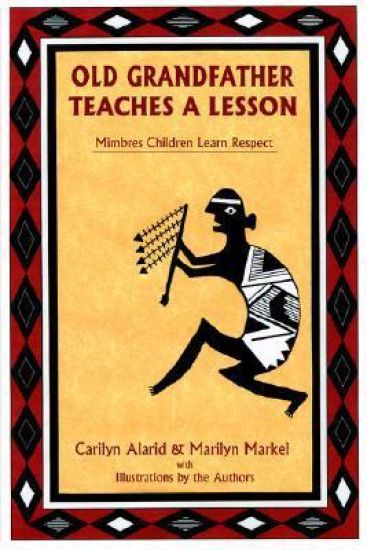
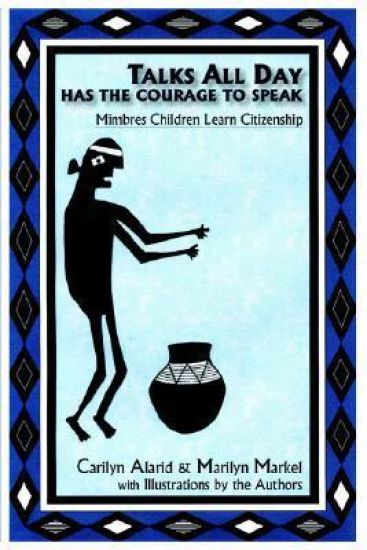
This fascinating story brings together two Native American traditions: the age old practice of using a "talking stick" to encourage communication and avoid conflict; and the unique black and white painted-pottery images used by the Mimbres Indians of southwest New Mexico.
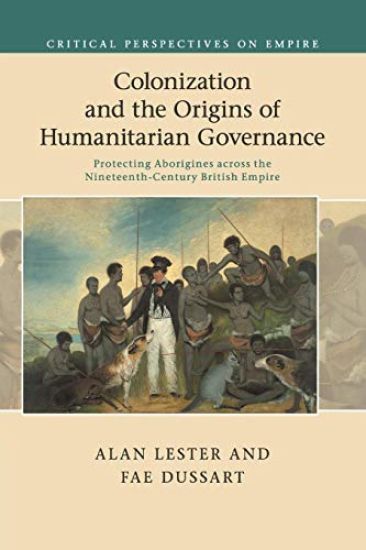
How did those responsible for creating Britain's nineteenth-century settler empire render colonization compatible with humanitarianism? Avoiding a cynical or celebratory response, this book takes seriously the humane disposition of colonial officials, examining the relationship between humanitarian governance and empire. The story of 'humane' colonial governance connects projects of emancipation, amelioration, conciliation, protection and development in sites ranging from British Honduras through Van Diemen's Land and New South Wales, New Zealand and Canada to India. It is seen in the lives of governors like George Arthur and George Grey, whose careers saw the violent and destructive colonization of indigenous peoples at the hands of British emigrants. The story challenges the exclusion of officials' humanitarian sensibilities from colonial history and places the settler colonies within the larger historical context of Western humanitarianism.
How did those responsible for creating Britain's nineteenth-century settler empire render colonization compatible with humanitarianism? Avoiding a cynical or celebratory response, this book takes seriously the humane disposition of colonial officials, examining the relationship between humanitarian governance and empire. The story of 'humane' colonial governance connects projects of emancipation, amelioration, conciliation, protection and development in sites ranging from British Honduras through Van Diemen's Land and New South Wales, New Zealand and Canada to India. It is seen in the lives of governors like George Arthur and George Grey, whose careers saw the violent and destructive colonization of indigenous peoples at the hands of British emigrants. The story challenges the exclusion of officials' humanitarian sensibilities from colonial history and places the settler colonies within the larger historical context of Western humanitarianism.
Welcome to the Soulful Poems Series, where the magic of poetry meets the depths of the soul. In this second instalment, we proudly present a Poetry Collaboration that unites Healers, Coaches, Authors, and Poets from around the globe. Get ready to embark on a transformative journey as you dive into the heartfelt verses within these pages. Each poet has poured their emotions and experiences into their creations, resulting in an inspiring and thought-provoking collection. From themes of love, loss, and resilience to self-growth and self-discovery, these poems touch upon the universal human experience. As you read, you will resonate with the profound emotions and insights these talented individuals have beautifully captured. To enrich your reading experience, each poet has an "About the Poet" section that allows you to connect with them on a deeper level. Discover more about their creative process and explore their other works, fostering a lasting connection between reader and writer. Whether you are seeking solace, inspiration, or a glimpse into the human condition, this book will leave an indelible mark on your heart and soul. Allow the words within to guide you on a journey of self-reflection and discovery, reminding you of the beauty and power within the realm of poetry. Poets: KATIE CAREYAILISH KEATINGCASSIE BROOKSCATH LISTONDESIREE ANDERSONFIONA BLACKGILL KIRKHAMHAIDEH KHATIBIHELEN RAYEJOS POUNE FAEJULIE CROWDERKAREN COLQUHOUNKATE SMIT KATIE BOCKKATHERINE CRESSWELLLAUREN COLLETTILAURIE JONASMAC McGREGORPIPPA MOSS PRITA HATHIRAMANITANIA FOXVIVIAN SHAPRIO
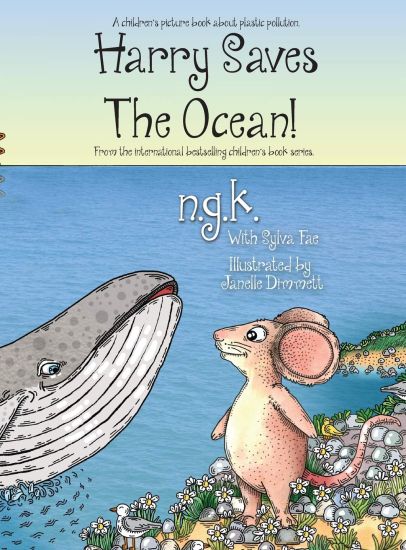
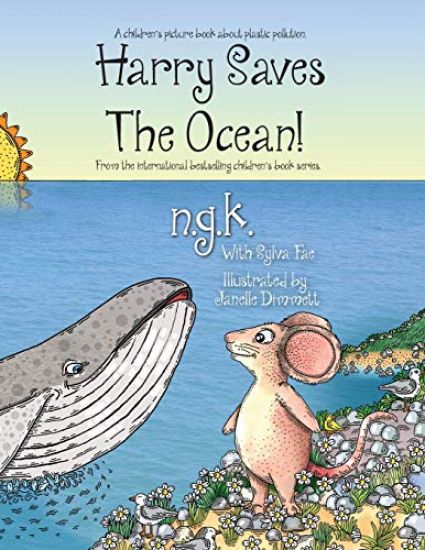
A children's picture book teaching about plastic pollution and recycling. From the bestselling children's picture book series, Harry The Happy Mouse, a children's picture book teaching about the problem with plastic pollution, and how to help Whilst on holiday Harry meets a whale who is in trouble. The whale then tells Harry about the growing problem of plastic pollution, and decides to do something about it. Harry Saves The Ocean is part of the worldwide bestselling picture book series Harry The Happy Mouse, which teaches about kindness and other values.
Bronze Winner for the 2017 Independent Publisher Book Awards in the category of Gay/Lesbian/Bi/Trans Non-FictionForegrounding the voices of transgender and non-binary people, this honest and insightful book is a compilation of the voices of those who have decided to undergo transition - both male-to-female and female-to-male. Drawing on over one hundred interviews with individuals, the book details the diverse experiences and challenges faced by those who transition, exploring a range of topics such as hormone treatments; reassignment surgeries; coming out; sex and sexuality; physical, emotional and mental health; transphobia; discrimination; and hate crime, as well as highlighting the lives of non-binary individuals and those who cross-dress to form a wider understanding of the varied ways in which people experience gender.This powerful book is an ideal introduction to those keen to understand more about contemporary trans issues as well as those questioning their own gender identity.
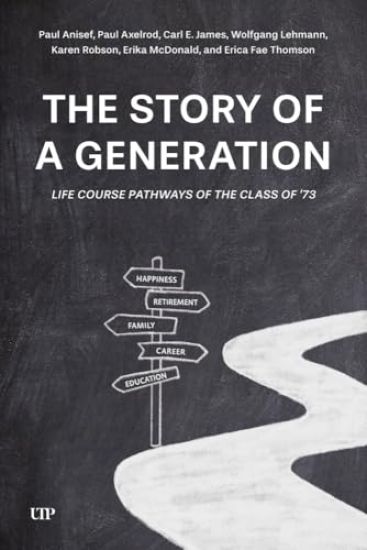
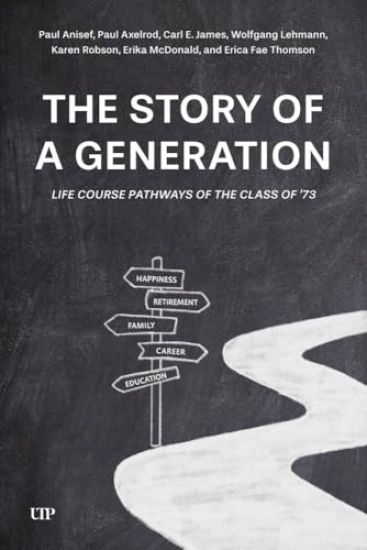
The Story of a Generation, a follow-up to Opportunity and Uncertainty: Life Course Experiences of the Class of ’73 (2000), continues where its predecessor left off. Through surveys and in-depth interviews with a high school class that graduated in 1973, the researchers uncover how these individuals – part of the late baby boomer generation – navigated a rapidly changing world.Through this process, some patterns emerged: parents’ education played a defining role in shaping their children’s futures, while technology revolutionized workplaces and homes. Gender roles shifted, with spouses sharing domestic duties – though not yet equally. And as they aged, this generation found themselves at the forefront of redefining retirement, balancing longer lives with evolving financial and social expectations. Beyond personal stories, The Story of a Generation offers a deeper understanding of how broader social forces – economic shifts, cultural changes, and technological advancements – interacted with individual choices. It’s more than just a study of one group of Canadians; it’s a reflection on how societies transform and how people adapt along the way. For anyone interested in sociology, history, or the human experience, this book provides a rare, intimate look at the passage of time – and the stories we leave behind.
The Story of a Generation, a follow-up to Opportunity and Uncertainty: Life Course Experiences of the Class of ’73 (2000), continues where its predecessor left off. Through surveys and in-depth interviews with a high school class that graduated in 1973, the researchers uncover how these individuals – part of the late baby boomer generation – navigated a rapidly changing world.Through this process, some patterns emerged: parents’ education played a defining role in shaping their children’s futures, while technology revolutionized workplaces and homes. Gender roles shifted, with spouses sharing domestic duties – though not yet equally. And as they aged, this generation found themselves at the forefront of redefining retirement, balancing longer lives with evolving financial and social expectations. Beyond personal stories, The Story of a Generation offers a deeper understanding of how broader social forces – economic shifts, cultural changes, and technological advancements – interacted with individual choices. It’s more than just a study of one group of Canadians; it’s a reflection on how societies transform and how people adapt along the way. For anyone interested in sociology, history, or the human experience, this book provides a rare, intimate look at the passage of time – and the stories we leave behind.