Kirjojen hintavertailu. Mukana 11 342 296 kirjaa ja 12 kauppaa.

Kirjahaku

Etsi kirjoja tekijän nimen, kirjan nimen tai ISBN:n perusteella.

1000 tulosta hakusanalla Kellen Cutsforth

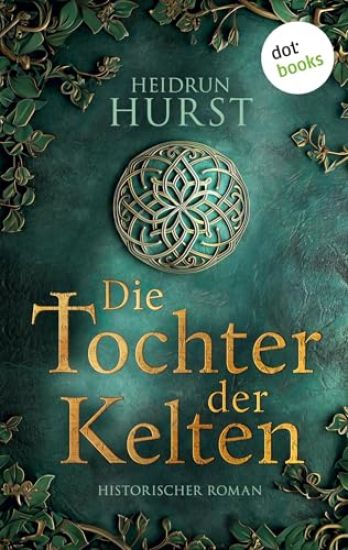
Die Tochter der Kelten

Die Tochter der Kelten

Heidrun Hurst

dotbooks print
2025
pokkari
Eine F rstentochter k mpft f r ihr Erbe - und ihre Freiheit Die Heuneburg, 550 vor Christus. Deine Tochter wird das Verlangen der M nner wecken und Unrecht wird ber jene hereinbrechen, die sie begehren. So lautet die Prophezeiung des Druiden Triquetos ber die noch ungeborene Tochter des F rsten Cedrych. Die unheilvolle Vorhersage treibt den F rsten zum u ersten: Er will das Kind t ten lassen, sobald es geboren ist. Doch der Druide h lt das f r einen Frevel an den G ttern und versteckt das M dchen. Verborgen vor den Augen der Welt w chst Alenja im Waldhaus der alten Moja auf - bis ihr Vater davon erf hrt und sein grausamer Zorn Alenja alles kostet, was sie liebt. Zwar bleibt sie am Leben, aber Cedrych schmiedet bereits Pl ne, sie an einen anderen F rstenhof zu verheiraten. Alenja steht eine gefahrvolle Reise bevor ...
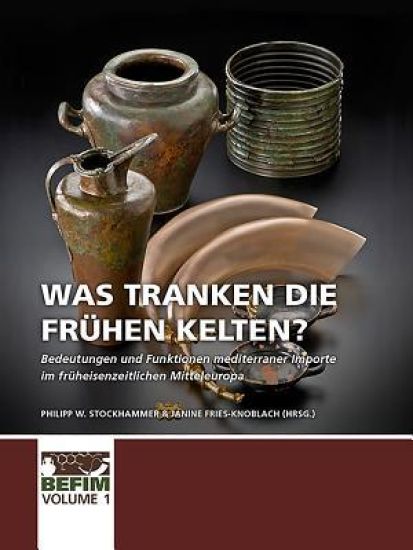
Was tranken die frühen Kelten?
German Abstract:Was die sogenannten „frühen Kelten” tranken, weckt seit über hundert Jahren das Interesse der Wissenschaft und der Öffentlichkeit. Funde mediterraner Importkeramik ließen Forscher_innen schon früh vermuten, dass den „Kelten“ vor allem an einer Nachahmung mediterraner Trinksitten gelegen war.Die in Mitteleuropa gefundene Gelagekeramik griechischen Ursprungs und die mediterranen Transportamphoren sah man bis vor kurzem als Beleg für eben jene Übernahme griechischer Lebensstile auch nördlich der Alpen. An diesem Punkt setzte die Tagung an, deren Basis die Forschungen im Rahmen des vom Bundesministerium für Bildung und Forschung (BMBF) geförderten Verbundprojekts BEFIM (www.befim.gwi.uni-muenchen.de) darstellten. Es war das Ziel, innovative Ansätze aus den Geistes- und Naturwissenschaften zu verbinden und auf den archäologischen Befund gewinnbringend zu übertragen.Zu diesem Zweck präsentierten im Rahmen der Konferenz Forscher_innen aus ganz unterschiedlichen Disziplinen ihre Forschungsergebnisse, sei es zur Interkulturalität, zur Keramik der „frühen Kelten“, zu naturwissenschaftlichen Analysen von Nahrungsrückständen oder Weinkonsum auch jenseits der Keltike.Im Zentrum standen Fragen wie diese: Entfaltete der Kontakt mit fremden Trinksitten und -gefäßen ein transformatives Potential auch außerhalb einer vereinfachend als „Elite“ verstandenen Personengruppe? Wie schnell und in welchen Kontexten wurden exotische Getränke wie vor allem Wein angeeignet? Ging dies mit der Verwendung neuer Gefäßformen und damit vermutlich auch anderen Trinkpraktiken einher? Hatte die Akzeptanz ungewohnter Gelagesitten auch jenseits der „frühen Kelten“ kulturellen Wandel zur Folge? Wie können wir die mediterranen Getränke nachweisen? Was wurde zuvor auf welche Weise konsumiert? Was für Nahrungsmittel boten sich an, in (alkoholische) Getränke verwandelt zu werden und welche Herstellungstechniken fassen wir? Zeichnet sich auch der Austausch von Wissen zur Herstellung oder Würzung von Getränken im interkulturellen Dialog ab? Der Band richtet sich mit allgemeinen Einführungen, Überblicksartikeln und speziellen Beiträgen gleichermaßen an ein breites akademisches Publikum an Universitäten, Museen und in der Denkmalpflege wie an Studierende und interessierte Laien.English abstractWhat the so-called “early Celts” used to drink has been a matter of debate amongst scientists and in the wider public for more than a century. Finds of Mediterranean imported pottery were the reason for scholars to suspect already at an early date that the “Celts” had aimed at imitating Mediterranean drinking habits. Until recently, these drinking vessels of Greek origin and Mediterranean transport amphorae were considered proof of exactly this adoption of Greek lifestyle even north of the Alps. This is the point, where our conference came into play, the basis of which is research conducted in the context of the joint research project BEFIM (www.befim.de).We aim at connecting innovative approaches from both arts and sciences and at profitably transferring them to the archaeological evidence. To this purpose, academics from entirely different disciplines presented their research results at the conference – whether it be on interculturality, pottery of the early Celts, scientific analyses of food residues or wine consumption also beyond the Keltiké.In the centre of interest there were questions such as these: Did the contact with foreign drinking customs and the associated vessels unfold transformative potential even beyond the group of persons we simplistically call the “elite”? How quickly and in which contexts were exotic drinks (such as wine in particular) appropriated? Was this accompanied by the use of new vessel types and thus perhaps also by different drinking habits? Did the acceptance of unusual banqueting customs result in cultural change beyond the early Celts? How can we prove the presence of these Mediterranean drinks? What used to be consumed in which way before their arrival? What types of food lent themselves to being transformed into (alcoholic) beverages at all and which techniques for producing drinks are reflected in the archaeological evidence? Is the exchange of knowledge on the production and seasoning of beverages recognisable in the intercultural dialogue?This volume with its general introductions, overview articles, and specialised papers is directed at a broader academic public from universities, museums, and heritage preservation authorities on the one hand as well as students and interested non-specialists on the other hand.
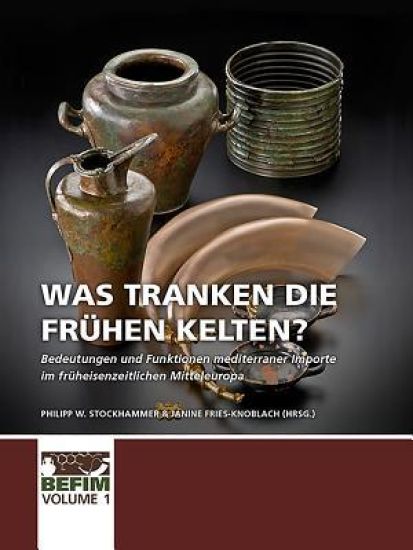
Was tranken die frühen Kelten?
German Abstract:Was die sogenannten „frühen Kelten” tranken, weckt seit über hundert Jahren das Interesse der Wissenschaft und der Öffentlichkeit. Funde mediterraner Importkeramik ließen Forscher_innen schon früh vermuten, dass den „Kelten“ vor allem an einer Nachahmung mediterraner Trinksitten gelegen war.Die in Mitteleuropa gefundene Gelagekeramik griechischen Ursprungs und die mediterranen Transportamphoren sah man bis vor kurzem als Beleg für eben jene Übernahme griechischer Lebensstile auch nördlich der Alpen. An diesem Punkt setzte die Tagung an, deren Basis die Forschungen im Rahmen des vom Bundesministerium für Bildung und Forschung (BMBF) geförderten Verbundprojekts BEFIM (www.befim.gwi.uni-muenchen.de) darstellten. Es war das Ziel, innovative Ansätze aus den Geistes- und Naturwissenschaften zu verbinden und auf den archäologischen Befund gewinnbringend zu übertragen.Zu diesem Zweck präsentierten im Rahmen der Konferenz Forscher_innen aus ganz unterschiedlichen Disziplinen ihre Forschungsergebnisse, sei es zur Interkulturalität, zur Keramik der „frühen Kelten“, zu naturwissenschaftlichen Analysen von Nahrungsrückständen oder Weinkonsum auch jenseits der Keltike.Im Zentrum standen Fragen wie diese: Entfaltete der Kontakt mit fremden Trinksitten und -gefäßen ein transformatives Potential auch außerhalb einer vereinfachend als „Elite“ verstandenen Personengruppe? Wie schnell und in welchen Kontexten wurden exotische Getränke wie vor allem Wein angeeignet? Ging dies mit der Verwendung neuer Gefäßformen und damit vermutlich auch anderen Trinkpraktiken einher? Hatte die Akzeptanz ungewohnter Gelagesitten auch jenseits der „frühen Kelten“ kulturellen Wandel zur Folge? Wie können wir die mediterranen Getränke nachweisen? Was wurde zuvor auf welche Weise konsumiert? Was für Nahrungsmittel boten sich an, in (alkoholische) Getränke verwandelt zu werden und welche Herstellungstechniken fassen wir? Zeichnet sich auch der Austausch von Wissen zur Herstellung oder Würzung von Getränken im interkulturellen Dialog ab? Der Band richtet sich mit allgemeinen Einführungen, Überblicksartikeln und speziellen Beiträgen gleichermaßen an ein breites akademisches Publikum an Universitäten, Museen und in der Denkmalpflege wie an Studierende und interessierte Laien.English abstractWhat the so-called “early Celts” used to drink has been a matter of debate amongst scientists and in the wider public for more than a century. Finds of Mediterranean imported pottery were the reason for scholars to suspect already at an early date that the “Celts” had aimed at imitating Mediterranean drinking habits. Until recently, these drinking vessels of Greek origin and Mediterranean transport amphorae were considered proof of exactly this adoption of Greek lifestyle even north of the Alps. This is the point, where our conference came into play, the basis of which is research conducted in the context of the joint research project BEFIM (www.befim.de).We aim at connecting innovative approaches from both arts and sciences and at profitably transferring them to the archaeological evidence. To this purpose, academics from entirely different disciplines presented their research results at the conference – whether it be on interculturality, pottery of the early Celts, scientific analyses of food residues or wine consumption also beyond the Keltiké.In the centre of interest there were questions such as these: Did the contact with foreign drinking customs and the associated vessels unfold transformative potential even beyond the group of persons we simplistically call the “elite”? How quickly and in which contexts were exotic drinks (such as wine in particular) appropriated? Was this accompanied by the use of new vessel types and thus perhaps also by different drinking habits? Did the acceptance of unusual banqueting customs result in cultural change beyond the early Celts? How can we prove the presence of these Mediterranean drinks? What used to be consumed in which way before their arrival? What types of food lent themselves to being transformed into (alcoholic) beverages at all and which techniques for producing drinks are reflected in the archaeological evidence? Is the exchange of knowledge on the production and seasoning of beverages recognisable in the intercultural dialogue?This volume with its general introductions, overview articles, and specialised papers is directed at a broader academic public from universities, museums, and heritage preservation authorities on the one hand as well as students and interested non-specialists on the other hand.

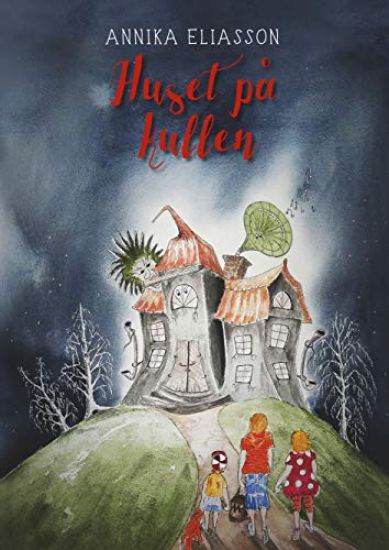
Huset på kullen : Huset på kullen
Edwin, Mira och Loke åker till mormor och morfar under två veckor. Långt hemifrån utan sina kompisar, hur kul är det? Djupt besvikna ger dom sej ut på en cykeltur och hittar ett gammalt bortglömt hus. Färgen har sen länge försvunnit, stuprören gnisslar i vinden. Man kan nästan höra djupa suckar genom den lutande skorstenen, eller var det någon som spelade? Barnen bestämmer sig för att undersöka huset lite närmare...
Radikalkonservatismens rötter : Rudolf Kjellén och 1914 års idéer
I Radikalkonservatismens rötter diskuterar Christian Abrahamsson Kjelléns historiska och nutida relevans.Christian Abrahamsson är fil. dr i kulturgeografi och kulturskribent. Han har varit verksam vid bland annat universiteten i Uppsala, Lund, Oxford, Berkeley och Oslo.Radikalkonservatismens rötter Rudolf Kjellén och 1914 års idéer ingår i Timbro förlags essäserie, och är en av en två essäer om den nya högerns idéhistoriska arv. Timbro förlags essäserie presenterar nya och gamla svar på eviga frågor om människan, samhället och politiken. Nya svenska originaltexter varvas med översättningar.
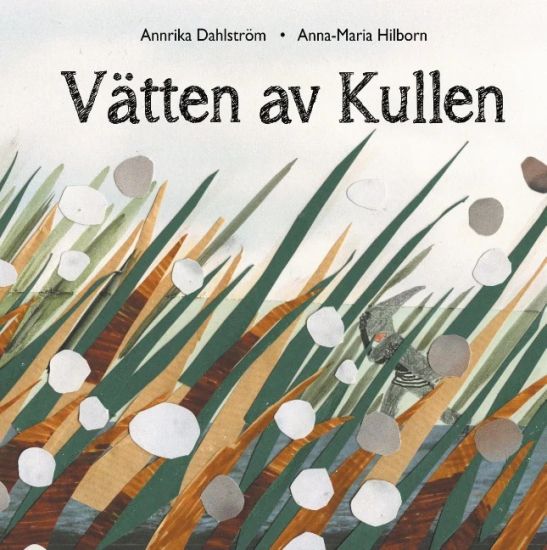
Vätten av Kullen

Vätten av Kullen

Annrika Dahlström; Anna-Maria Hilborn

BoD
2019
sidottu
Det är något som springer över golvet. En radio som slår på och av sig själv. Någon eller något tar mat från din tallrik när du inte ser... Tror du på väsen? Vad vet du i så fall om dem? Kanske lika lite som familjen Struhl? De har nämligen flyttat in i det uråldriga huset på Kullen, utan att veta att de fått en vätte på köpet. Familjen ser konstiga och tokiga saker hända som gör att de blir på sin vakt. Detsamma gäller vätten, för hur konstiga och tokiga är inte människor? Vem ska vara rädd för vem?
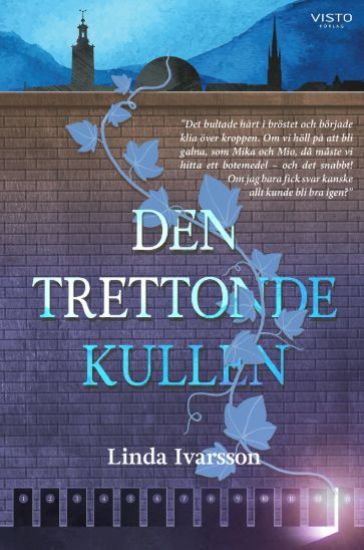
Den trettonde kullen

Den trettonde kullen

Linda Ivarsson

Visto Förlag
2024
sidottu
För Mo och hennes adoptivsyskon har varje dag alltid varit den andra lik. Mos liv kretsar kring regler, böcker och Max underbara leende. Men när folk börjar försvinna förstår Mo att något är väldigt fel. Snart inser hon att saker inte är som de verkar och att de alla svävar i fara. Varför börjar alla bete sig så märkligt? Vad ska Mo göra för att få veta vad som händer?I Den trettonde kullen möter spänning mystik när mörker och kärlek vävs ihop på en anläggning utanför Stockholm, där ungdomar växer upp avskärmade från resten av världen.
Carlo Acutis : killen som blev Guds influencer
På många sätt var Carlo Acutis en vanlig tonåring från Milano i Italien. Han älskade att hänga med sina vänner och att spela datorspel eller fotboll. Men olikt många andra jämnåriga älskade han också att gå i den heliga mässan, och alla som mötte honom fick känna av att han verkligen brydde sig om dem. Även uteliggarna, den hjärtekrossade tjejen i klassen och kringstrykande hundar. Carlo var ett självlärt datorgeni och han använde sina kunskaper för att tjäna Kyrkan och för att sprida sin tro på Kristus. Han byggde webbsidor åt församlingar och gjorde en online-utställning om eukaristiska mirakler som skett runt om i världen. Endast 15 år gammal blev Carlo diagnostiserad med en akut form av leukemi och han dog bara en vecka senare, den 12 oktober 2006. Han accepterade sitt lidande utan att beklaga sig och uppoffrade det för andra. «Olycka är att betrakta sig själv. Lycka är att betrakta Gud», sa Carlo, som kommer att helgonförklaras den 27 april 2025 i Rom.
Sune värsta killen

Sune värsta killen

Anders Jacobsson; Sören Olsson

Barnbolaget
2023
nidottu
Sune är inte så förtjust i vilda äventyr. Det räcker att sitta med en söt flicka, hålla handen och kanske pussas lite. Men inte nu längre. Stisse Novak, världens starkaste kille, har charmat varenda tjej på skolan. Nu gäller det att visa vem som är en riktig man! Fast lite yngre och bättre förstås …
Har du kollen : utökad säkerhetskontroll
"Har du kollen" är ett komplement till Köra lastbil eller Köra buss och hjälper dig att få en samlad bild över säkerhetskontroll för C1, C1E, C, CE, D1, D1E, D, DE. - Syftet med säkerhetskontroll är att du ska hitta eventuella fel och brister på ditt fordon innan du ger dig ut och kör med det. Om fordonet inte är ok kan det innebära en risk både för dig själv och för andra. - Vissa funktioner är så viktiga att du ska kolla dem ofta och regelbundet. Det gäller i högre grad för dig som yrkesförare än för “vanliga” bilister. - Häftet har inget facit utan det är du själv som skapar ditt eget facit tillsammans med din lärare under utbildningen eller enskilt. - Komplettera med läroboken Köra lastbil eller Köra buss. I Transportstyrelsens föreskrifter om förarprov, behörighet C1, C1E, C, CE, D1, D1E, D och DE (TSFS 2012:46, 47, 48 och 49) står det att en säkerhetskontroll ska utföras i samband med provet. Du ska även kunna motivera vad som kontrolleras och varför. Du ska kunna beskriva risker och konsekvenser och föreslå åtgärder även om du inte upptäckt några fel. Boken produceras av Sveriges Trafikutbildares Riksförbund.
The Girl from Keller's

The Girl from Keller's

Harold Bindloss

ALPHA EDITION
2022
pokkari
This book has been considered important throughout the human history, and so that this work is never forgotten we have made efforts in its preservation by republishing this book in a modern format for present and future generations. This whole book has been reformatted, retyped and designed. These books are not made of scanned copies and hence the text is clear and readable.
The Girl from Keller's

The Girl from Keller's

Harold Bindloss

Double 9 Books LLP
2025
nidottu
The Girl from Keller's by Harold Bindloss is set against the expansive prairie, exploring themes of ambition, personal struggle, and the intricacies of love and relationships. The story follows a railroad builder who faces a crossroads in his life, torn between his career and the prospect of a challenging life as a prairie farmer. The narrative opens with the protagonist reflecting on his future while traveling across the Saskatchewan prairie, considering the changes brought by the arrival of the railroad and the possibilities it brings. As he navigates his ambitions, he is confronted with the complexities of his relationships, particularly with a friend struggling with his own failures in farming and romance. These early reflections introduce the tension between dreams and disillusionment, and the allure of romantic connections that complicate decisions. The novel establishes a gripping exploration of personal choices set against the harsh realities of life on the prairie.
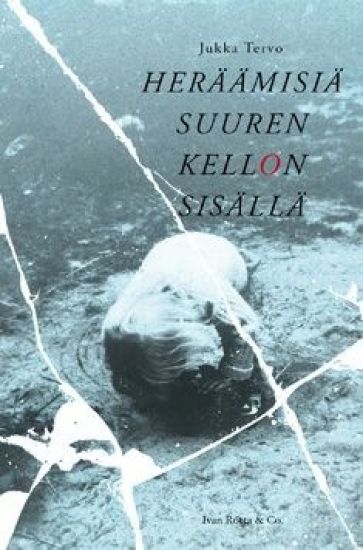
Heräämisiä suuren kellon sisällä

Heräämisiä suuren kellon sisällä

Jukka Tervo

Ivan Rotta Co
2013
nidottu
Jukka Tervon kuudes runokokoelma sukeltaa sinne, minne sanat eivät ole vielä ehtineet. Teos kuvaa pienen olennon aikamatkaa äitimaailman sisäavaruudesta kohti ulkoisen maailman realiteetteja, koulun ja todellisuuden kahleita. Runoissa laskeudutaan appelsiinimetsien ja auringontaskujen kautta maahisten uniin, mielisairaalan kylmyyteen ja vedenalaiseen avaruuteen. "Syvyyteen kulkeminen / ei ole putoamista tai ylösnousemus / pikemminkin hengellinen kokemus / jolla on kumisaappaat jalassa." Heräämisiä suuren kellon sisällä on vuonna 2013 ilmestyvän Jukka Tervon Trilogian ensimmäinen osa.
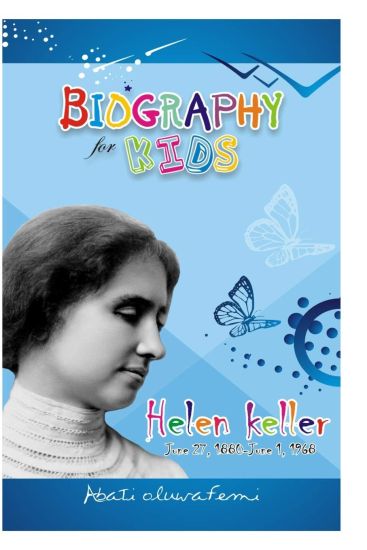
Biography for Kids: Helen Keller

Biography for Kids: Helen Keller

Oluwafemi Abati

Hills Publishing
2020
nidottu
Great Biographies are real life stories that mentor and motivate the readers to be the best and achieve more out of life. The future belongs to the children. For them to make a sense of that future requires that they receive a functional education that fully equips them to compete on a global stage.Biographies of great men and women that blazed the trail in various fields of human endeavor have the potential to release the children's God given talents and equip them to impact their environment in a positive manner. That indeed is the motivation for these books (Biography For Kids' Series)Two great books actually were the sources of the inspiration for these books, the two books: Gifted Hands By Benjamin Carson and First Mothers by Bonnie Angelo. These books taught, among other things, the importance of exposing kids to great and wholesome literature at an early age and sheer influence mothers have on their children for good or for ill.The books are written for children of all age groups in mind. But they are also provide invaluable information for the adults. The language used is simple to arrest and sustain the attention of readers. Meaning have been provided for words that may look unfamiliar to the beginners and will enrich their vocabulary.There is no doubt that these books will empower every reader as he or she is taken through the lives and times of the subjects and the values that etched their names on the sands of time.