
Kirjahaku
Etsi kirjoja tekijän nimen, kirjan nimen tai ISBN:n perusteella.
1000 tulosta hakusanalla R. Edwards
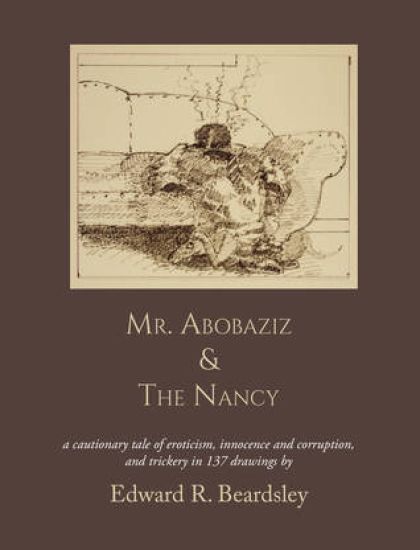
Fiction. Art. A cautionary tale of eroticism, innocence and corruption, and trickery told in 137 drawings. MR. ABOBAZIZ & THE NANCY began life as a storyboard for a film, was transformed into a graphic novel, and is presented here in paperback form.

A Parent's Guide to Gifted Children
Edward R. Amend; Janet L. Gore; Arlene R. DeVries; Emily Kircher-Morris
Gifted Unlimited
2023
nidottu
A Parent's Guide to Gifted Children (2007), the quintessential compendium of raising gifted children, has been revised In this new edition, coauthors Edward R. Amend Psy.D., Emily Kircher-Morris, LPC, and Janet Gore, M.Ed. reinforce the reliable approaches originally explored in the first edition, while drawing extensively on the wealth of research and information developed over the last 15 years in the areas of neuroscience, psychology, and education. Our children are navigating a world that in many crucial ways is quite different from the one that existed in 2007. The new Parent's Guide to Gifted Children includes issues of social media, screen time, LGBTQ, and bullying. For gifted children however, many of the needs remain the same- advocacy, educational planning, access to true peers, and more. Rich in information and strategies, this edition will be referred to time and time again whether you are entirely new to gifted, completing your "active" parenting days, or supporting a gifted grandchild, student, or client.
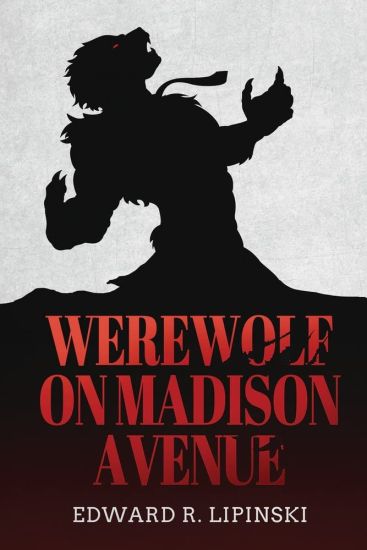
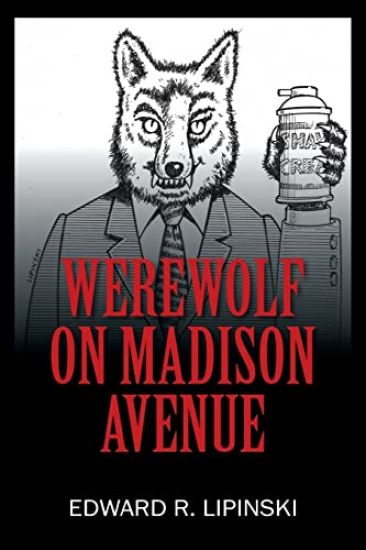
Jeff Foxlove is an ace advertising copywriter for the Cudmore Advertising Agency, an agency notorious for churning out crass, vulgar, and raunchy advertising campaigns. Jeff masters the art of writing tasteless advertising copy and has no reservations about wallowing in the mud of sleazy advertising; he makes a good salary and has attracted the attention and affection of an aspiring but dimwitted actress. Life is good for Jeff Foxlove. However, all that is about to change. The turning point in Jeff's life comes when he vacations in the Yucatan. While exploring the dense jungle on a moonlit night, Jeff is savagely attacked and bitten by a mysterious, feral creature of the night. He manages to escape from the clutches of the beast, and the next morning, he is amazed to find that his wounds have miraculously healed. Jeff returns to New York City assuming that he can resume his normal life, but on the night of the next full moon, he experiences the agony of a horrible metamorphosis. The magic of the full moon has transformed Jeff into a blood-thirsty werewolf and he roams the city looking for human prey. He finds two innocent victims in the park and attacks and kills them. The next morning he resolves to turn himself into the authorities, but his boss, the notorious schlock-monger, Damon Cudmore persuades him not to go to the authorities. He tells Jeff that he will find a way to keep the werewolf from killing again. Is this possible? Werewolf On Madison Avenue is the story of Jeff's journey as both a werewolf and the genius behind a wildly successful advertising campaign. Can he be a werewolf during the night of the full moon and still keep his day job? Still, the thought of being a vicious killer-beast plague Jeff, and he becomes increasingly desperate to lift the curse of lycanthropy that is slowly consuming him. Jeff discovers that his only hope to become normal again is to return to the Yucatan jungle in search of a miracle cure.
Jeff Foxlove is an ace advertising copywriter for the Cudmore Advertising Agency, an agency notorious for churning out crass, vulgar, and raunchy advertising campaigns. Jeff masters the art of writing tasteless advertising copy and has no reservations about wallowing in the mud of sleazy advertising; he makes a good salary and has attracted the attention and affection of an aspiring but dimwitted actress. Life is good for Jeff Foxlove. However, all that is about to change. The turning point in Jeff's life comes when he vacations in the Yucatan. While exploring the dense jungle on a moonlit night, Jeff is savagely attacked and bitten by a mysterious, feral creature of the night. He manages to escape from the clutches of the beast, and the next morning, he is amazed to find that his wounds have miraculously healed. Jeff returns to New York City assuming that he can resume his normal life, but on the night of the next full moon, he experiences the agony of a horrible metamorphosis. The magic of the full moon has transformed Jeff into a blood-thirsty werewolf and he roams the city looking for human prey. He finds two innocent victims in the park and attacks and kills them. The next morning he resolves to turn himself into the authorities, but his boss, the notorious schlock-monger, Damon Cudmore persuades him not to go to the authorities. He tells Jeff that he will find a way to keep the werewolf from killing again. Is this possible? Werewolf On Madison Avenue is the story of Jeff's journey as both a werewolf and the genius behind a wildly successful advertising campaign. Can he be a werewolf during the night of the full moon and still keep his day job? Still, the thought of being a vicious killer-beast plague Jeff, and he becomes increasingly desperate to lift the curse of lycanthropy that is slowly consuming him. Jeff discovers that his only hope to become normal again is to return to the Yucatan jungle in search of a miracle cure.
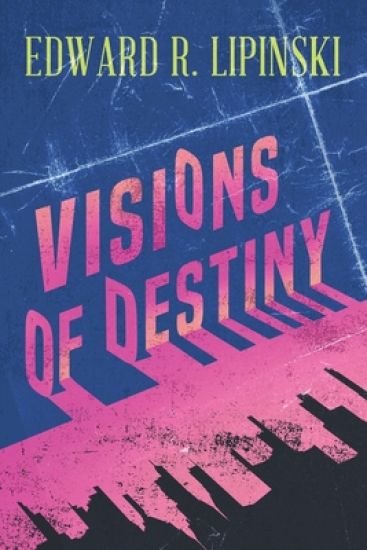
From all appearances, Henry Gainsvort seemed to be a typical, average boy. But at the tender age of 8 years old Henry had an uncanny vision where he glimpsed into the future and saw an event happen moments before it actually occurred. As Henry matured, he had many more visions of the future-a brief glimpse into destinyHowever, Henry's prognostications were not always pleasant or fortunate, and soon his friends and acquaintances became guarded and wary of Henry and his weird predictions. Interest and curiosity turned into skepticism and suspicion. People avoided him because they didn't want to hear his dark forecasts of the future and he soon became a social outcast.Living alone in a dismal apartment in Sunset Park Henry resolved never to reveal his visions to anybody for fear that they would ridicule, distrust, and ostracize him. His reclusive hermit-like existence changed when a chance meeting with Augie Martello, a neighbor in his building, blossomed into a close friendship.Adhering to his resolve, Henry tried to keep his clairvoyance a secret from his good friend, Augie, until an unexpected event brought it out in the open. Much to Henry's surprise Augie was not put off by his visions. In fact, Augie encouraged Henry to use his predictive powers to make money. Together they visited casinos and racetracks to see if Henry could predict the outcome of gaming events.Just when success was within their grasp, Henry had a tragic vision that ended everything and Henry was all alone again. Later another vision showed Henry that he could use his powers to reap rewards in a different realm. This time he was successful, but his sudden prosperity attracted the attention of the federal government and it moved to stop him.Henry went back to his mundane reclusive existence. He continued to have visions but he was able to conceal them so no one would suspect that Henry Gainsvort was anything but an average ordinary guy. Everything was going well for Henry until he had a vision that was more alarming than any that he had ever had. He knew that he had to go to the authorities and sound the alarm, but when he did, he was met with ridicule and derision.But the laughter and mockery stopped when the tragic event happened exactly as Henry predicted. At that point, the authorities knew that Henry Gainsvort was no mere screwball and they moved to isolate him and keep him under close observation. Before that could happen, however, Henry had two more visions: one of a violent and devastating accident and another dazzling vision that was a portent of a grand and glorious beginning yet to come.
From all appearances, Henry Gainsvort seemed to be a typical, average boy. But at the tender age of 8 years old Henry had an uncanny vision where he glimpsed into the future and saw an event happen moments before it actually occurred. As Henry matured, he had many more visions of the future-a brief glimpse into destinyHowever, Henry's prognostications were not always pleasant or fortunate, and soon his friends and acquaintances became guarded and wary of Henry and his weird predictions. Interest and curiosity turned into skepticism and suspicion. People avoided him because they didn't want to hear his dark forecasts of the future and he soon became a social outcast.Living alone in a dismal apartment in Sunset Park Henry resolved never to reveal his visions to anybody for fear that they would ridicule, distrust, and ostracize him. His reclusive hermit-like existence changed when a chance meeting with Augie Martello, a neighbor in his building, blossomed into a close friendship.Adhering to his resolve, Henry tried to keep his clairvoyance a secret from his good friend, Augie, until an unexpected event brought it out in the open. Much to Henry's surprise Augie was not put off by his visions. In fact, Augie encouraged Henry to use his predictive powers to make money. Together they visited casinos and racetracks to see if Henry could predict the outcome of gaming events.Just when success was within their grasp, Henry had a tragic vision that ended everything and Henry was all alone again. Later another vision showed Henry that he could use his powers to reap rewards in a different realm. This time he was successful, but his sudden prosperity attracted the attention of the federal government and it moved to stop him.Henry went back to his mundane reclusive existence. He continued to have visions but he was able to conceal them so no one would suspect that Henry Gainsvort was anything but an average ordinary guy. Everything was going well for Henry until he had a vision that was more alarming than any that he had ever had. He knew that he had to go to the authorities and sound the alarm, but when he did, he was met with ridicule and derision.But the laughter and mockery stopped when the tragic event happened exactly as Henry predicted. At that point, the authorities knew that Henry Gainsvort was no mere screwball and they moved to isolate him and keep him under close observation. Before that could happen, however, Henry had two more visions: one of a violent and devastating accident and another dazzling vision that was a portent of a grand and glorious beginning yet to come.

It's Halloween, 1985, somewhere in Southern California. A group of dazed and confused freaks and geeks unwittingly uncover a town secret while livin' fast times Embark on an adventure through the eyes of a skinny teen with a yellow Mohawk named Rusty, along with his band of misfit friends who rely on little more than their sense of adventure---and a trusty butter knife (Imagine: the long-lost '80s teen-flick you never saw )

When the World Went Dark...
Edward R. Straka
Createspace Independent Publishing Platform
2017
nidottu
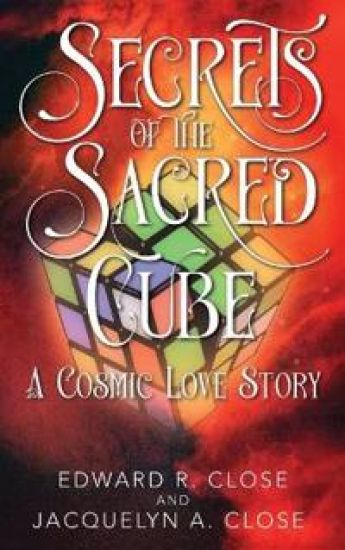

Why: If God is a loving God, then why all the pain, suffering, and death?
Edward Sager; Edward R. Sager
Independently Published
2018
nidottu
Possibly one of the most wondered about Question ever, is WHY - If God is a loving God, then WHY all the pain, suffering, and death, and why do bad things happen to good people? Biblical scholars have been puzzled over the big WHY's for centuries. You might remember that Jesus chose to work with the lowly fishermen of His day, instead of the, so-called, biblically educated. Since I'm a lowly cabinetmaker of my day - I heard and was open to listening to things that made sense, where 2+2=4. I chose not to accept spiritual concepts based on - just believe it by faith - void of evidence. If I understand correctly, it's the Devil that would have us to believe that God the Father would burn and torture us as ONE that's full of vengeance over us breaking the rules. But because Jesus agreed to take our place - it's said He will now forgive us. Humm - what's that make the Father out to be, if not unforgiving? As for me, I'm going to believe Jesus when He told Philip, "If you have seen ME, you have seen the Father."In that statement from Jesus - I see the good news of the gospel being that God the Father is just as gracious, kind, and loving as Jesus - even pleading with us to run away from the Devil's picture of Him.You'll soon discover a far more important and significant reason than punishment - for all the bad and crazy things happening here on our little planet.
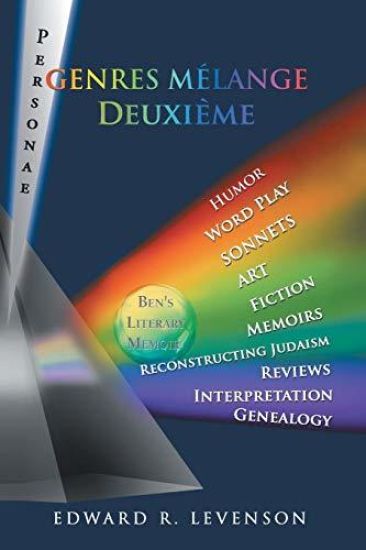
Genres Mlange DeuximeHumor, Word Play, Personae, Sonnets, Art, Fiction, Memoirs, Reconstructing Judaism, Reviews, Interpretation, Genealogy contains, besides Art, writings in ten different categories, at least six of which are clearly genres. Many categories contain respective elements of others. This work, a sequel to Edwards Humor and More and Genres Mlange, features the innovations of Prompt-Based Pieces (comprising exposition, fiction, and memoirs), Genealogy, and a Literary Memoir. The writings in the book range from Scripture to Talmud to Shakespeare to discussion about modern authors. The book features guest contributorswife Reva Spiro Luxenberg Levenson, brother Robert Levenson, daughter Aliza Levenson, sons Judah and Benjamin Levenson, friends Joe Bruno and Jack Cohen, and mentor Rabbi Sylvan Kamens.

Genres Mlange DeuximeHumor, Word Play, Personae, Sonnets, Art, Fiction, Memoirs, Reconstructing Judaism, Reviews, Interpretation, Genealogy contains, besides Art, writings in ten different categories, at least six of which are clearly genres. Many categories contain respective elements of others. This work, a sequel to Edwards Humor and More and Genres Mlange, features the innovations of Prompt-Based Pieces (comprising exposition, fiction, and memoirs), Genealogy, and a Literary Memoir. The writings in the book range from Scripture to Talmud to Shakespeare to discussion about modern authors. The book features guest contributorswife Reva Spiro Luxenberg Levenson, brother Robert Levenson, daughter Aliza Levenson, sons Judah and Benjamin Levenson, friends Joe Bruno and Jack Cohen, and mentor Rabbi Sylvan Kamens.

The View from Kings Point: The Kings Point Creative Writers Club Anthology, 2018 is the product of the labors over eighteen months of twelve gifted writers, including one artist residing in a senior community. As the Preface illustrates, the range, scope, variety, and diversity of their pieces are truly outstanding. Literary quality shines through everywhere. The title is an allusion to the revolutionary, omniscient perspective called the king's point of view of Spanish master painter Diego Velazquez in his famous Las Meninas (Ladies in Waiting), which is reproduced in the first frontispiece. We present the anthology as a memorial to our deceased beloved member, A. Irving Rosenberg. May he rest in peace.

The View from Kings Point: The Kings Point Creative Writers Club Anthology, 2018 is the product of the labors over eighteen months of twelve gifted writers, including one artist residing in a senior community. As the Preface illustrates, the range, scope, variety, and diversity of their pieces are truly outstanding. Literary quality shines through everywhere. The title is an allusion to the revolutionary, omniscient perspective called the king's point of view of Spanish master painter Diego Velazquez in his famous Las Meninas (Ladies in Waiting), which is reproduced in the first frontispiece. We present the anthology as a memorial to our deceased beloved member, A. Irving Rosenberg. May he rest in peace.
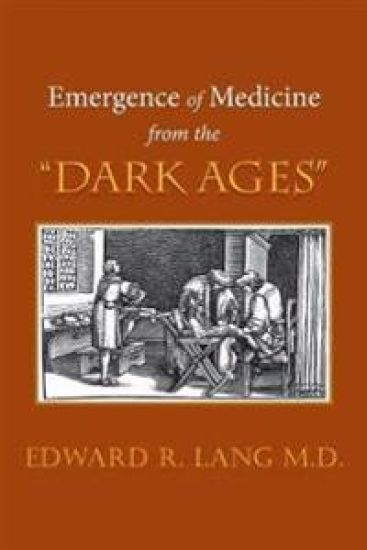
In this brief discussion of recent medical history, I have tried to enable the reader to appreciate the dramatic improvement in health-care delivery, which occurred during the century following the American Civil War. In reference, one might compare the efficiency of transatlantic transport by sail to that of oceangoing steamships during the last quarter of the nineteenth century. All too frequently, one is tempted to believe that accurate diagnostic information and successful management of illness has been available for an indefinite period. One need only reflect on the deficiencies described in this volume, which persisted well into the twentieth century to appreciate the remarkably rapid evolution of medical care, which we regularly enjoy today.
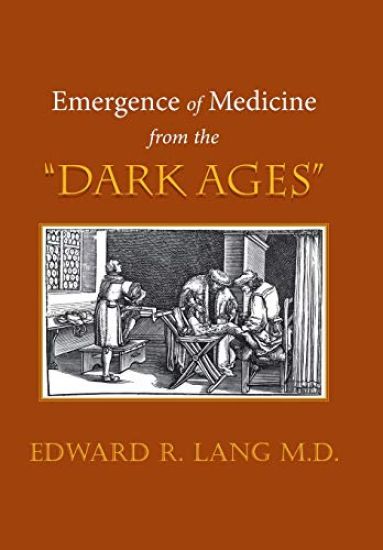
In this brief discussion of recent medical history, I have tried to enable the reader to appreciate the dramatic improvement in health-care delivery, which occurred during the century following the American Civil War. In reference, one might compare the efficiency of transatlantic transport by sail to that of oceangoing steamships during the last quarter of the nineteenth century. All too frequently, one is tempted to believe that accurate diagnostic information and successful management of illness has been available for an indefinite period. One need only reflect on the deficiencies described in this volume, which persisted well into the twentieth century to appreciate the remarkably rapid evolution of medical care, which we regularly enjoy today.