Observera att förlaget som ger ut denna produkt baserar innehållet i sina produkter på fria källor som Wikipedia. Boken är med stor sannolikhet endast ett utdrag ur dessa informationskällor, alltså inte en vanlig bok i den bemärkelsen.
Observera att förlaget som ger ut denna produkt baserar innehållet i sina produkter på fria källor som Wikipedia. Boken är med stor sannolikhet endast ett utdrag ur dessa informationskällor, alltså inte en vanlig bok i den bemärkelsen.
Observera att förlaget som ger ut denna produkt baserar innehållet i sina produkter på fria källor som Wikipedia. Boken är med stor sannolikhet endast ett utdrag ur dessa informationskällor, alltså inte en vanlig bok i den bemärkelsen.
Observera att förlaget som ger ut denna produkt baserar innehållet i sina produkter på fria källor som Wikipedia. Boken är med stor sannolikhet endast ett utdrag ur dessa informationskällor, alltså inte en vanlig bok i den bemärkelsen.
Observera att förlaget som ger ut denna produkt baserar innehållet i sina produkter på fria källor som Wikipedia. Boken är med stor sannolikhet endast ett utdrag ur dessa informationskällor, alltså inte en vanlig bok i den bemärkelsen.
Observera att förlaget som ger ut denna produkt baserar innehållet i sina produkter på fria källor som Wikipedia. Boken är med stor sannolikhet endast ett utdrag ur dessa informationskällor, alltså inte en vanlig bok i den bemärkelsen.
Observera att förlaget som ger ut denna produkt baserar innehållet i sina produkter på fria källor som Wikipedia. Boken är med stor sannolikhet endast ett utdrag ur dessa informationskällor, alltså inte en vanlig bok i den bemärkelsen.
Observera att förlaget som ger ut denna produkt baserar innehållet i sina produkter på fria källor som Wikipedia. Boken är med stor sannolikhet endast ett utdrag ur dessa informationskällor, alltså inte en vanlig bok i den bemärkelsen.
Observera att förlaget som ger ut denna produkt baserar innehållet i sina produkter på fria källor som Wikipedia. Boken är med stor sannolikhet endast ett utdrag ur dessa informationskällor, alltså inte en vanlig bok i den bemärkelsen.
Observera att förlaget som ger ut denna produkt baserar innehållet i sina produkter på fria källor som Wikipedia. Boken är med stor sannolikhet endast ett utdrag ur dessa informationskällor, alltså inte en vanlig bok i den bemärkelsen.
Observera att förlaget som ger ut denna produkt baserar innehållet i sina produkter på fria källor som Wikipedia. Boken är med stor sannolikhet endast ett utdrag ur dessa informationskällor, alltså inte en vanlig bok i den bemärkelsen.
Observera att förlaget som ger ut denna produkt baserar innehållet i sina produkter på fria källor som Wikipedia. Boken är med stor sannolikhet endast ett utdrag ur dessa informationskällor, alltså inte en vanlig bok i den bemärkelsen.
Observera att förlaget som ger ut denna produkt baserar innehållet i sina produkter på fria källor som Wikipedia. Boken är med stor sannolikhet endast ett utdrag ur dessa informationskällor, alltså inte en vanlig bok i den bemärkelsen.
Observera att förlaget som ger ut denna produkt baserar innehållet i sina produkter på fria källor som Wikipedia. Boken är med stor sannolikhet endast ett utdrag ur dessa informationskällor, alltså inte en vanlig bok i den bemärkelsen.
Observera att förlaget som ger ut denna produkt baserar innehållet i sina produkter på fria källor som Wikipedia. Boken är med stor sannolikhet endast ett utdrag ur dessa informationskällor, alltså inte en vanlig bok i den bemärkelsen.
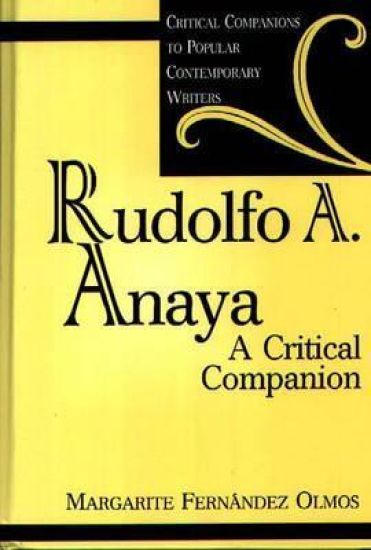
Rudolfo A. Anaya's seven novels can all be viewed in terms of the Chicano literary tradition though their rich texts have earned Anaya a place of respect in mainstream modern American literature. Fern^D'andez Olmos guides the reader through Anaya's literary world with clear signposts, illuminating the mythical, cultural, and linguistic complexities of his astounding stories. From his coming of age masterpiece Bless Me, Ultima (1972) to his most recent work Shaman Winter (1999) Anaya's writing with its rich spiritual symbolism is brought down to earth and made accessible to the student reader by Fern^D'andez Olmos insightful analyses. This work devotes a chapter to each novel, enabling Fern^D'andez Olmos to guide the reader through each, showing both the patterns and variations of literary devices in Anaya's works, while offering interesting alternative interpretations of Anaya's writing. Fern^D'andez Olmos presents a well-researched chapter on the life of Rudolfo Anaya, familiarizing readers with his Hispanic cultural background which figures so prominently in his writing. A chapter on Anaya and the Chicano literary tradition deepens the reader's understanding and appreciation of the writer's tremendous contributions. Fernández Olmos then devotes a full chapter to each of the novels, Bless Me, Ultima, Heart of Aztlán, Tortuga, and Alberqueque; his detective novels, Zia Summer and Rio Grande Fall; and his modern-day parable Jalamanta: A Message from the Desert. Student readers and researchers will find the bibliography which includes reviews, criticisms, and other secondary sources to be very helpful.
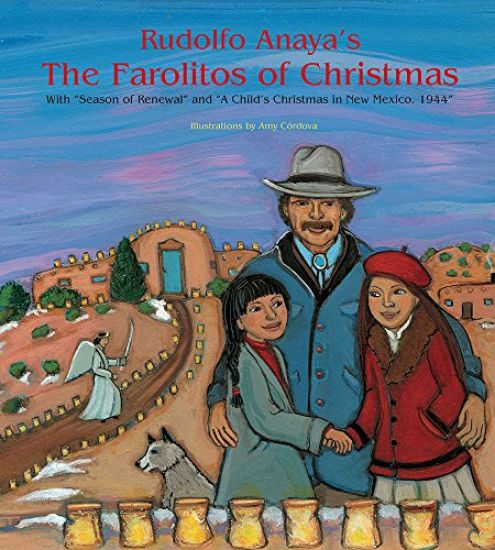
This keepsake volume of Rudolfo Anaya's Christmas writings opens with the classic New Mexico Christmas story The Farolitos of Christmas, Anaya's heartwarming story of a beloved holiday tradition, of a promise, and of homecoming on Christmas Eve. This Christmas story by one of New Mexico's best-known authors (Bless Me, Ultima) has delighted children and adults since it was first published in 1987. "Season of Renewal," Anaya's narrative of Christmastime in his native state, first appeared thirty years ago in the Los Angeles Times and recounts timeless Hispanic and Native traditions that continue in New Mexico to this day including the reenactments of revered nativity stories, Los Pastores and Las Posadas. Finally, in "A Child's Christmas in New Mexico, 1944," Anaya presents us with a storied poem, in stunning verse, never before published. It is Christmas morning, he is a seven-year-old boy, and is running through the icy dawn to his neighbor's door to seek "mis Crismes," special treats. That night he and his family walk to midnight Mass where the church choir memorably sings "Las Mananitas," a birthday song, to baby Jesus. But there is a bittersweet aspect to looking back on childhood's magic from an older man's vantage; the world has changed, the ways of elders are nearly lost, innocence has transitioned to experience.Rudolfo Anaya's Christmas collection is like a snow globeshake it, then watch as the scene emerges through the orb revealing tradition, family, community, love. This gift from a master storyteller and New Mexico treasure is sure to be loved by children of all ages for decades to come.
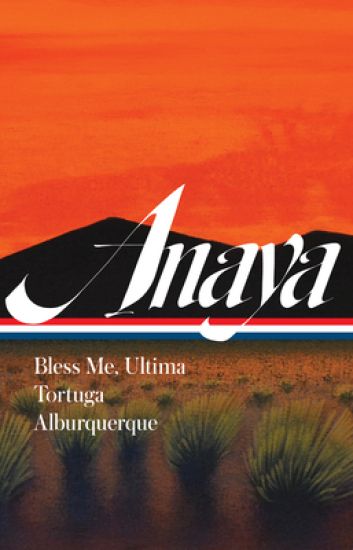
Rediscover Rudolfo Anaya: mythmaker, master storyteller, American original "The godfather and guru of Chicano literature." --Tony Hillerman A writer powerfully attuned to the land and history of his native New Mexico, Rudolfo Anaya (1937-2020) is one of the giants of Latino literature. Over the course of a remarkable and acclaimed literary career, Anaya redefined the American experience for generations of readers. Anaya broke new ground with his 1972 novel Bless Me, Ultima, a mythic work that captures the richness and complexity of history, community, and place in the American Southwest. Set just after World War II, Bless Me, Ultima revolves around the young boy Antonio and his quest to understand his identity and the demands of his future. Although his mother's heart is set on his entering the priesthood, Antonio is drawn to the charismatic Ultima, an elderly curandera or healer who embodies the ancient wisdom of the pre-Columbian past. The 1979 novel Tortuga draws on Anaya's experience of suffering and recuperation after a diving accident as a teenager. Its hero, nicknamed "Tortuga" because his body cast encases him like a turtle's shell, grapples with the realities of bodily pain as he discovers that true healing is spiritual as well as physical. The story reverberates with local folklore about a mountain, also called Tortuga, home to a sleeping spirit who will one day awaken and journey onward to the sea. Weaving these threads together, Anaya creates, in the words of editor Luis Alberto Urrea, "a tapestry inside of which he was encoding an entire history of our very souls." In the 1992 novel Alburquerque (restoring the "r" to the city's original name), a young Mexican American boxing champion discovers that his white biological mother had given him up for adoption at birth, and he must now reevaluate everything he thought he was. The winner of a PEN West Fiction Award, the novel brims with emotionally powerful characterizations, political commentary, humor, and lyrical writing that reveals Anaya to be, once again, an indispensable American fabulist.