*Includes pictures*Includes a bibliography for further reading"Our country, right or wrong." - Stephen DecaturBetween the Revolutionary War and the Civil War, the United States engaged in several wars that have mostly been overlooked. The War of 1812 is one of America's forgotten conflicts, and the stalemated nature of the war (which resolved virtually none of either side's war aims) has also ensured that it is often given merely a cursory overview. Great Britain, as the leader of several coalitions of conservative European countries trying to isolate and snuff out the revolutionary spirit and the ambitions of Napoleon, had been at war with France almost continuously since 1792. Under President Thomas Jefferson (1801-1809) and James Madison (1809-1817), the United States tried to steer a course that would keep it from being drawn into the European war and defend its neutrality on the high seas. However, both Britain and France wanted to hurt the other side economically by keeping goods out of their enemy's hands. Thus, they did not faithfully respect the rights of neutral nations. The British government in 1807 had issued the "Orders in Council," which enforced a naval blockade against France, and with a shortage of seamen to man the Royal Navy, Britain also felt justified in stopping and sometimes firing on ships flying the American flag in the name of apprehending escaped British sailors. In the same vein, American shipping was disrupted by piracy across the globe, especially in the Mediterranean, leading to multiple conflicts known as the Barbary Wars. Americans had few things to celebrate during the Barbary Wars or the War of 1812, but one of them was the growing prestige of the U.S. Navy, and among those who were instrumental in its development, few were as influential as Stephen Decatur Jr. Decatur had an impact on nearly every war America fought in between the 1780s until his death in 1820, and his stardom ensured that he was a fixture among Washington, D.C.'s elite in his own lifetime. As with John Paul Jones during the American Revolution, Decatur's activities helped instantly associate his name with the fledgling country's success at sea.Stephen Decatur: The Life and Legacy of the Youngest Navy Captain in American History chronicles the various roles he played for the Navy and how he became one of America's most memorable naval heroes. Along with pictures depicting important people, places, and events, you will learn about Decatur like never before.
*Includes pictures*Includes a bibliography for further reading"Our country, right or wrong." - Stephen DecaturBetween the Revolutionary War and the Civil War, the United States engaged in several wars that have mostly been overlooked. The War of 1812 is one of America's forgotten conflicts, and the stalemated nature of the war (which resolved virtually none of either side's war aims) has also ensured that it is often given merely a cursory overview. Great Britain, as the leader of several coalitions of conservative European countries trying to isolate and snuff out the revolutionary spirit and the ambitions of Napoleon, had been at war with France almost continuously since 1792. Under President Thomas Jefferson (1801-1809) and James Madison (1809-1817), the United States tried to steer a course that would keep it from being drawn into the European war and defend its neutrality on the high seas. However, both Britain and France wanted to hurt the other side economically by keeping goods out of their enemy's hands. Thus, they did not faithfully respect the rights of neutral nations. The British government in 1807 had issued the "Orders in Council," which enforced a naval blockade against France, and with a shortage of seamen to man the Royal Navy, Britain also felt justified in stopping and sometimes firing on ships flying the American flag in the name of apprehending escaped British sailors. In the same vein, American shipping was disrupted by piracy across the globe, especially in the Mediterranean, leading to multiple conflicts known as the Barbary Wars. Americans had few things to celebrate during the Barbary Wars or the War of 1812, but one of them was the growing prestige of the U.S. Navy, and among those who were instrumental in its development, few were as influential as Stephen Decatur Jr. Decatur had an impact on nearly every war America fought in between the 1780s until his death in 1820, and his stardom ensured that he was a fixture among Washington, D.C.'s elite in his own lifetime. As with John Paul Jones during the American Revolution, Decatur's activities helped instantly associate his name with the fledgling country's success at sea.Stephen Decatur: The Life and Legacy of the Youngest Navy Captain in American History chronicles the various roles he played for the Navy and how he became one of America's most memorable naval heroes. Along with pictures depicting important people, places, and events, you will learn about Decatur like never before.
*Includes pictures*Includes a bibliography"We have met the enemy and they are ours." - Oliver Hazard PerrySandwiched between the Revolution and the Civil War, the War of 1812 is one of America's forgotten conflicts, and the stalemated nature of the war (which resolved virtually none of either side's war aims) has also ensured that it is often given merely a cursory overview. Great Britain, as the leader of several coalitions of conservative European countries trying to isolate and snuff out the revolutionary spirit and the ambitions of Napoleon, had been at war with France almost continuously since 1792. Under President Thomas Jefferson (1801-1809) and James Madison (1809-1817), the United States tried to steer a course that would keep it from being drawn into the European war and defend its neutrality on the high seas. However, both Britain and France wanted to hurt the other side economically by keeping goods out of their enemy's hands. Thus, they did not faithfully respect the rights of neutral nations. The British government in 1807 had issued the "Orders in Council," which enforced a naval blockade against France, and with a shortage of seamen to man the Royal Navy, Britain also felt justified in stopping and sometimes firing on ships flying the American flag in the name of apprehending escaped British sailors. The other main cause of war was distress on the Northwestern frontier, where the British in Canada were supporting Indian resistance to American settlement. So-called "War Hawks" from that region in Congress pushed for a declaration of war. Some hoped that a war would not only stop Indian depredations but evict the British from Canada and lead to completion of some unfinished business from the American Revolution, namely Canada joining the U.S. Americans had few things to celebrate during the Barbary Wars or the War of 1812, but one of them was the growing prestige of the U.S. Navy, and among those who were instrumental in its development, few were as influential as Stephen Decatur Jr. Decatur had an impact on nearly every war America fought in between the 1780s until his death in 1820, and his stardom ensured that he was a fixture among Washington, D.C.'s elite in his own lifetime. As with John Paul Jones during the American Revolution, Decatur's activities helped instantly associate his name with the fledgling country's success at sea.One of the only major victories the Americans won throughout the War of 1812 came at the Battle of Lake Erie in September 1813, and that action made Oliver Hazard Perry, a veteran of the Barbary Wars and commander of the USS Lawrence, a legend whose name has endured for over 200 years. Perry was so instrumental in the victory that British historian C.S. Forester noted "it was as fortunate for the Americans that the Lawrence still possessed a boat that would float, as it was that Perry was not hit." As one of the biggest naval battles of the war, the results meant that America maintained control of Lake Erie, an important location from which they could recover Detroit and be better positioned to confront the British and Shawnee leader Tecumseh's confederacy. For his part, Perry would forever be remembered as the "Hero of Lake Erie," even as he and compatriot Captain Jesse Elliot would feud over their respective actions during the battle for the rest of Perry's life.Perry received a Congressional Gold Medal and the Thanks of Congress for compelling the surrender of the entire British squadron, the first time that had ever happened, but he wouldn't have much time to enjoy it. He fought in the Second Barbary War in 1815 but died of yellow fever while on a mission in Venezuela in 1819. Despite being just 34 at the time of his death, he was one of the most famous military heroes in the young nation's history, and he has been commemorated with countless monuments across America ever since.
*Includes pictures*Includes a bibliography"We have met the enemy and they are ours." - Oliver Hazard PerrySandwiched between the Revolution and the Civil War, the War of 1812 is one of America's forgotten conflicts, and the stalemated nature of the war (which resolved virtually none of either side's war aims) has also ensured that it is often given merely a cursory overview. Great Britain, as the leader of several coalitions of conservative European countries trying to isolate and snuff out the revolutionary spirit and the ambitions of Napoleon, had been at war with France almost continuously since 1792. Under President Thomas Jefferson (1801-1809) and James Madison (1809-1817), the United States tried to steer a course that would keep it from being drawn into the European war and defend its neutrality on the high seas. However, both Britain and France wanted to hurt the other side economically by keeping goods out of their enemy's hands. Thus, they did not faithfully respect the rights of neutral nations. The British government in 1807 had issued the "Orders in Council," which enforced a naval blockade against France, and with a shortage of seamen to man the Royal Navy, Britain also felt justified in stopping and sometimes firing on ships flying the American flag in the name of apprehending escaped British sailors. The other main cause of war was distress on the Northwestern frontier, where the British in Canada were supporting Indian resistance to American settlement. So-called "War Hawks" from that region in Congress pushed for a declaration of war. Some hoped that a war would not only stop Indian depredations but evict the British from Canada and lead to completion of some unfinished business from the American Revolution, namely Canada joining the U.S. Americans had few things to celebrate during the Barbary Wars or the War of 1812, but one of them was the growing prestige of the U.S. Navy, and among those who were instrumental in its development, few were as influential as Stephen Decatur Jr. Decatur had an impact on nearly every war America fought in between the 1780s until his death in 1820, and his stardom ensured that he was a fixture among Washington, D.C.'s elite in his own lifetime. As with John Paul Jones during the American Revolution, Decatur's activities helped instantly associate his name with the fledgling country's success at sea.One of the only major victories the Americans won throughout the War of 1812 came at the Battle of Lake Erie in September 1813, and that action made Oliver Hazard Perry, a veteran of the Barbary Wars and commander of the USS Lawrence, a legend whose name has endured for over 200 years. Perry was so instrumental in the victory that British historian C.S. Forester noted "it was as fortunate for the Americans that the Lawrence still possessed a boat that would float, as it was that Perry was not hit." As one of the biggest naval battles of the war, the results meant that America maintained control of Lake Erie, an important location from which they could recover Detroit and be better positioned to confront the British and Shawnee leader Tecumseh's confederacy. For his part, Perry would forever be remembered as the "Hero of Lake Erie," even as he and compatriot Captain Jesse Elliot would feud over their respective actions during the battle for the rest of Perry's life.Perry received a Congressional Gold Medal and the Thanks of Congress for compelling the surrender of the entire British squadron, the first time that had ever happened, but he wouldn't have much time to enjoy it. He fought in the Second Barbary War in 1815 but died of yellow fever while on a mission in Venezuela in 1819. Despite being just 34 at the time of his death, he was one of the most famous military heroes in the young nation's history, and he has been commemorated with countless monuments across America ever since.
Come on a fairy-story journey to the two kingdoms of Smeraldo and Najanja. In twelve colorful double page spreads follow the adventures of Princess Strawberry and Prince Larry. Venture into the Goblin Underground and the Dragon's Lair as well as visiting Trolltown and The Sleeping Castle. Finish your adventure at THE BALL. There are questions to answer and things to discover in this latest book in the series. This is th efirst time this title has been published in a hardback edition.
The crew and passengers of an aircraft suddenly find themselves falling through the air- with their aircraft suddenly disappearing and so begins an amazing adventure as they shrink through worlds within worlds. How small can they get? And can they return to their normal size? In this colourful book there are a dozen double page spreads, each one a highly detailed look at another world. There are puzzles to solve and many things to discover. This is the hardback version of the book with 36 pages.
The good citizens of SUPERCITY are being harassed by a horde of villains- plus one giant robot dinosaur What the city needs are SUPERHEROES ready to defend it. Come on an exciting adventure through twelve amazing double page spreads and help the Superheroes rid the city of the baddies. Visit the tallest building in Supercity, visit the funfair and go deep into the underground beneath the city's streets. There are questions to be answered and the secret identities of all the Superheroes revealed. This is the hardback version of the popular book by Stephen Stanley.
Travel to the DELTA SYSTEM and explore its twelve strange planets. At the same time search for Professor Hozzlebrun- renegade scientist and inventor of the Replica Ray. In this hardback version of the popular and amazing puzzle book there is a bonus double page spread of the Other Side of Planet Squarex Children of all ages will love discovering the inhabitants of the planets and searching for the professor.
Fifty 'Bugs' have invaded a human body. As they move from organ to organ they are pursued by the body's defenders until all are eliminated. Travel through a dozen double page spreads, each one showing a different part of the body from the skin to the mouth, the throat, the stomach and lungs, liver, heart and finally to the brain. There are questions to answer and lots of things to discover along the way. This is the first hardback copy of this title.
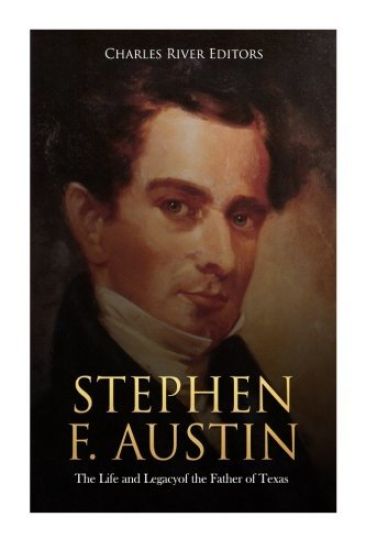
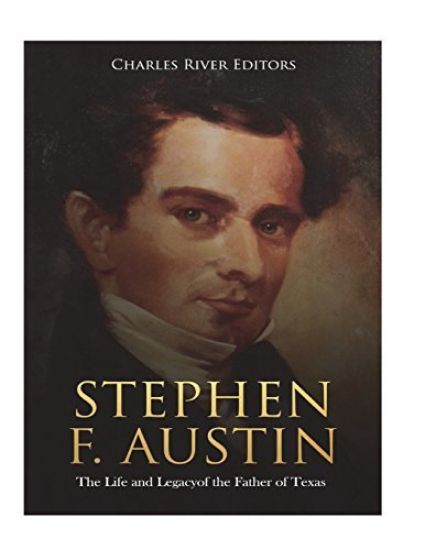
*Includes pictures *Includes contemporary accounts *Includes online resources and a bibliography for further reading "The independence of Texas is recognized Don't you see it in the papers?" - Stephen F. Austin's last words Texas has a unique history among the 50 states that comprise the United States of America, and much of that is due to the nature of the men who brought about its independence. Of them, few are as famous or more important than Stephen F. Austin. Born in the very shadow of the Founding Fathers in Virginia, Austin seemed destined from birth to do something special. Certainly, his father Moses saw potential in the boy, training him up to take the lead in whatever situation he found himself in, and various life experiences transformed Stephen. Moses provided his son with plenty of the difficulties, including bankruptcy, business losses, and family squabbles, all by the time his son was 20 years old. Ultimately Moses bequeathed his son the chance to become an empresario, a 19th century leader of American pioneers in Texas. Austin in turn shaped the future of Texas in a way that no other leader ever had the opportunity to do, and by carefully choosing men like himself, politically, religiously, and ethically, he helped create an independent nation (and future state) known for its rugged individualism and self-determination. Unfortunately, he also created a place where slavery, America's great shame, was allowed to flourish for more than 40 years, and a place where people of color would struggle for generations to receive equality under the laws, many of which he either wrote or inspired. Ironically, the man whose name is so synonymous with Texas was not involved in the most famous battles that secured its independence. This actually ensured that he survived when so many of his contemporaries died, but he still lost his run for the presidency of Texas and instead had to accept an appointment as the Republic's first Secretary of State. Ultimately, it made little difference in the end, for he served only two months before he died of pneumonia just after his 43rd birthday, but despite his premature death, what cannot be questioned is how profound an impact Austin had on Texas, Mexico, and the United States over the course of several decades. Stephen F. Austin: The Life and Legacy of the Father of Texas looks at how he became one of the Southwest's most important figures. Along with pictures of important people, places, and events, you will learn about Austin like never before.
*Includes pictures *Includes contemporary accounts *Includes online resources and a bibliography for further reading "The independence of Texas is recognized Don't you see it in the papers?" - Stephen F. Austin's last words Texas has a unique history among the 50 states that comprise the United States of America, and much of that is due to the nature of the men who brought about its independence. Of them, few are as famous or more important than Stephen F. Austin. Born in the very shadow of the Founding Fathers in Virginia, Austin seemed destined from birth to do something special. Certainly, his father Moses saw potential in the boy, training him up to take the lead in whatever situation he found himself in, and various life experiences transformed Stephen. Moses provided his son with plenty of the difficulties, including bankruptcy, business losses, and family squabbles, all by the time his son was 20 years old. Ultimately Moses bequeathed his son the chance to become an empresario, a 19th century leader of American pioneers in Texas. Austin in turn shaped the future of Texas in a way that no other leader ever had the opportunity to do, and by carefully choosing men like himself, politically, religiously, and ethically, he helped create an independent nation (and future state) known for its rugged individualism and self-determination. Unfortunately, he also created a place where slavery, America's great shame, was allowed to flourish for more than 40 years, and a place where people of color would struggle for generations to receive equality under the laws, many of which he either wrote or inspired. Ironically, the man whose name is so synonymous with Texas was not involved in the most famous battles that secured its independence. This actually ensured that he survived when so many of his contemporaries died, but he still lost his run for the presidency of Texas and instead had to accept an appointment as the Republic's first Secretary of State. Ultimately, it made little difference in the end, for he served only two months before he died of pneumonia just after his 43rd birthday, but despite his premature death, what cannot be questioned is how profound an impact Austin had on Texas, Mexico, and the United States over the course of several decades. Stephen F. Austin: The Life and Legacy of the Father of Texas looks at how he became one of the Southwest's most important figures. Along with pictures of important people, places, and events, you will learn about Austin like never before.
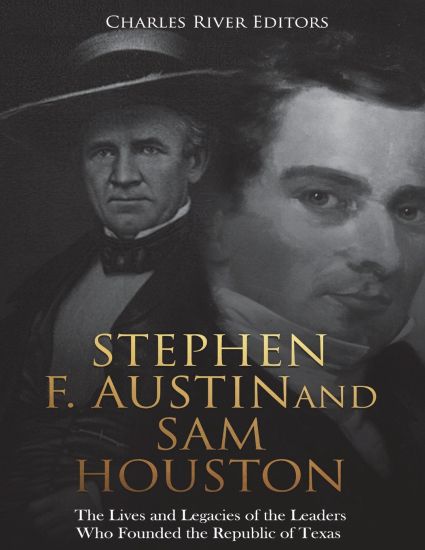
*Includes pictures *Includes contemporary accounts *Includes online resources and a bibliography for further reading Texas has a unique history among the 50 states that comprise the United States of America, and much of that is due to the nature of the men who brought about its independence. Of them, few are as famous or more important than Stephen F. Austin. Born in the very shadow of the Founding Fathers in Virginia, Austin seemed destined from birth to do something special. Certainly, his father Moses saw potential in the boy, training him up to take the lead in whatever situation he found himself in, and various life experiences transformed Stephen. Moses provided his son with plenty of the difficulties, including bankruptcy, business losses, and family squabbles, all by the time his son was 20 years old. Ultimately Moses bequeathed his son the chance to become an empresario, a 19th century leader of American pioneers in Texas. Austin in turn shaped the future of Texas in a way that no other leader ever had the opportunity to do, and by carefully choosing men like himself, politically, religiously, and ethically, he helped create an independent nation (and future state) known for its rugged individualism and self-determination. Unfortunately, he also created a place where slavery, America's great shame, was allowed to flourish for more than 40 years, and a place where people of color would struggle for generations to receive equality under the laws, many of which he either wrote or inspired. Ironically, the man whose name is so synonymous with Texas was not involved in the most famous battles that secured its independence. This actually ensured that he survived when so many of his contemporaries died, but he still lost his run for the presidency of Texas and instead had to accept an appointment as the Republic's first Secretary of State. Ultimately, it made little difference in the end, for he served only two months before he died of pneumonia just after his 43rd birthday. Austin's most famous contemporary, Sam Houston, was also a colorful and controversial individual. He was born in the United States while George Washington was in office, and in an era when the native people who were gradually being subjugated were considered savages, he called them friends and even lived among them. He was abandoned by his first wife and, after suffering the sting of divorce, married again in the manner of his native family, only to abandon his Indian bride to return to life among his own people. In the interim, he fought for their rights in the halls of government, defending them even as he obtained favor in the eyes of one of their worst enemies. More than a decade passed before he would finally make a successful marriage, marrying a woman more than 20 years his junior but with the right mix of charm and grit to make a successful life with him and their large family. Though he was born and raised elsewhere, Houston is considered one of Texas' truest sons, and during his life he fought for its independence from Mexico and then for its submission to the United States. He owned slaves himself but spent his entire political career fighting against the spread of "the American cancer" to the West. Then, when his beloved state seceded from the Union, he not only opposed secession but sacrificed his own position to protest it, only to turn around and support the Confederacy during the last years of his life. What cannot be questioned is how profound an impact both men had on Texas, Mexico, and the United States over the course of several decades. Stephen F. Austin and Sam Houston: The Lives and Legacies of the Leaders Who Founded the Republic of Texas looks at how the two became some of the Southwest's most important figures. Along with pictures of important people, places, and events, you will learn about Stephen F. Austin and Sam Houston like never before.
*Includes pictures *Includes contemporary accounts *Includes online resources and a bibliography for further reading Texas has a unique history among the 50 states that comprise the United States of America, and much of that is due to the nature of the men who brought about its independence. Of them, few are as famous or more important than Stephen F. Austin. Born in the very shadow of the Founding Fathers in Virginia, Austin seemed destined from birth to do something special. Certainly, his father Moses saw potential in the boy, training him up to take the lead in whatever situation he found himself in, and various life experiences transformed Stephen. Moses provided his son with plenty of the difficulties, including bankruptcy, business losses, and family squabbles, all by the time his son was 20 years old. Ultimately Moses bequeathed his son the chance to become an empresario, a 19th century leader of American pioneers in Texas. Austin in turn shaped the future of Texas in a way that no other leader ever had the opportunity to do, and by carefully choosing men like himself, politically, religiously, and ethically, he helped create an independent nation (and future state) known for its rugged individualism and self-determination. Unfortunately, he also created a place where slavery, America's great shame, was allowed to flourish for more than 40 years, and a place where people of color would struggle for generations to receive equality under the laws, many of which he either wrote or inspired. Ironically, the man whose name is so synonymous with Texas was not involved in the most famous battles that secured its independence. This actually ensured that he survived when so many of his contemporaries died, but he still lost his run for the presidency of Texas and instead had to accept an appointment as the Republic's first Secretary of State. Ultimately, it made little difference in the end, for he served only two months before he died of pneumonia just after his 43rd birthday. Austin's most famous contemporary, Sam Houston, was also a colorful and controversial individual. He was born in the United States while George Washington was in office, and in an era when the native people who were gradually being subjugated were considered savages, he called them friends and even lived among them. He was abandoned by his first wife and, after suffering the sting of divorce, married again in the manner of his native family, only to abandon his Indian bride to return to life among his own people. In the interim, he fought for their rights in the halls of government, defending them even as he obtained favor in the eyes of one of their worst enemies. More than a decade passed before he would finally make a successful marriage, marrying a woman more than 20 years his junior but with the right mix of charm and grit to make a successful life with him and their large family. Though he was born and raised elsewhere, Houston is considered one of Texas' truest sons, and during his life he fought for its independence from Mexico and then for its submission to the United States. He owned slaves himself but spent his entire political career fighting against the spread of "the American cancer" to the West. Then, when his beloved state seceded from the Union, he not only opposed secession but sacrificed his own position to protest it, only to turn around and support the Confederacy during the last years of his life. What cannot be questioned is how profound an impact both men had on Texas, Mexico, and the United States over the course of several decades. Stephen F. Austin and Sam Houston: The Lives and Legacies of the Leaders Who Founded the Republic of Texas looks at how the two became some of the Southwest's most important figures. Along with pictures of important people, places, and events, you will learn about Stephen F. Austin and Sam Houston like never before.
During an unnamed battle, 18-year-old private Henry Fleming survives what he considers to be a lost cause by escaping into a nearby wood, deserting his battalion. He finds a group of injured men in which one of the group, the "Tattered Soldier", asks Henry, who's often referred to as "The Youth", where he's wounded.
Stephen Curry and Magic Johnson are two of the most celebrated point guards in NBA history. From Johnson's passes to Curry's three-pointers, both players have standout stats. But who is better? Explore their career highlights to decide which athlete is the ultimate champion.