Kirjahaku
Etsi kirjoja tekijän nimen, kirjan nimen tai ISBN:n perusteella.
1000 tulosta hakusanalla Stevan
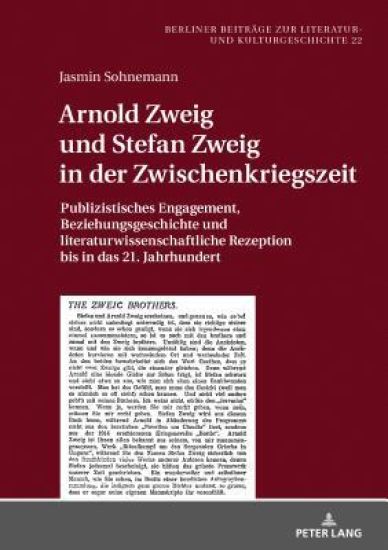
Arnold und Stefan Zweig sahen sich als "geistige Fuhrer", gelten aber, bis auf ihr Interesse an der Psychoanalyse, als sehr verschieden. Die Auswertung ihrer Publizistik - darunter viele unbekannte Texte - zeigt erstmals systematisch, wie sie sich an Debatten der Zwischenkriegszeit beteiligten. Die Autorin pruft Aussagen uber Demokratie, Sozialismus, Nationalismus, Europa, Pazifismus, die UdSSR, ihr judisches Erbe, Zionismus und Antisemitismus. Die Zweigs erscheinen als unabhangige Zeitkritiker, die oft ubereinstimmend und wegweisend urteilten. Ihre unveroeffentlichten Briefe (1919-1940) bieten Einblick in diese kaum bekannte Beziehung. Die Studie stellt in der Germanistik verbreitete Zweig-Bilder infrage, die wesentlich durch den Kalten Krieg beeinflusst wurden.
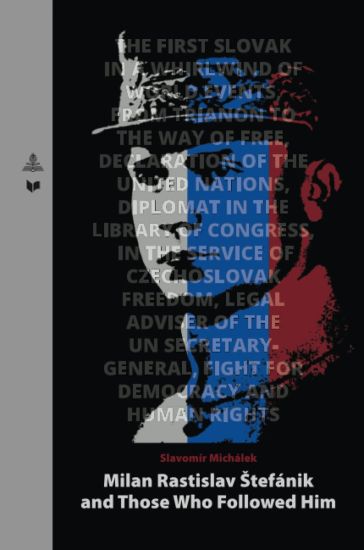
This book presents seven diplomats, seven Slovaks. Milan Rastislav Štefánik, Štefan Osuský, Vladimír S. Hurban, Vladimír M. Palic, Juraj Slávik, Ivan Krno and Ján Papánek. They were also authors, poets, soldiers, politicians, and international lawyers. They represent a selective and subjective sample of Czecho-Slovak diplomats in the fi rst half of the 20th century. The book is focused not only on them as men, but on their stories as well. Their chronicles provide insight into the era, relationships and situations which shaped their actions. These seven lives were linked by common characteristics such as strong national awareness, the fi ght for democracy and Czecho- Slovak statehood, as well as disgust with Nazi and Communist totalitarianism, and firm Lutheran roots. Modern Slovak history, whether viewed internally or in a Central-European or pan-European contexts, underwent dynamic transformation at the beginning of the 20th century.The entire world began to change and Slovaks were no exception. It is only natural for every nation or state to seek the roots of its national identity. As this identity is embodied by the people and personalities who created it, we perceive the past through their lives. It is a privilege that as a small European nation, Slovaks can say that their dignitaries have succeeded worldwide. It is a great honor that their work can be seen in the Treaty of Trianon, the Declaration of the United Nations, the UN Charter, and everywhere where the voice of freedom and democracy was rising.
Die Zusammenarbeit von Stefan Zweig und Richard Strauss bei der Oper "Die schweigsame Frau"
Corinna Gunde
Grin Verlag
2008
pokkari

Die Bedeutung Stefania Wilczynksas für das Waisenhaus "Dom Sierot"
Yannah Holzderber
Grin Verlag
2016
pokkari
Analyse Des Fallbeispiels Stefan H. - Mein Weg Aus Der Gewalt Von Thomas Stuckert Mit Der Sozialisationstheorie Von Hurrelmann
Jacqueline Van Straelen
Grin Publishing
2016
nidottu
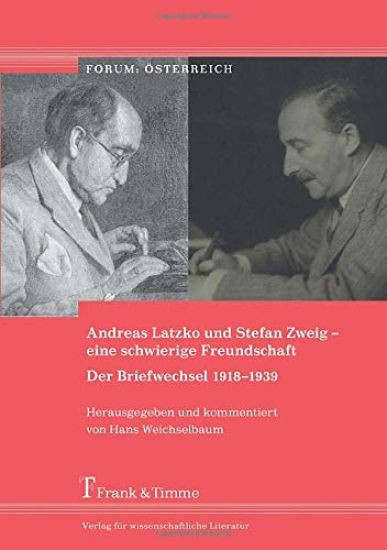
Andreas Latzko und Stefan Zweig - eine schwierige Freundschaft. Der Briefwechsel 1918-1939
Frank und Timme GmbH
2018
nidottu

Ein Tribut an Stefan Mross
27amigos
2023
sidottu