Kirjojen hintavertailu. Mukana 11 717 486 kirjaa ja 12 kauppaa.

Kirjahaku

Etsi kirjoja tekijän nimen, kirjan nimen tai ISBN:n perusteella.

1000 tulosta hakusanalla Adam Levin

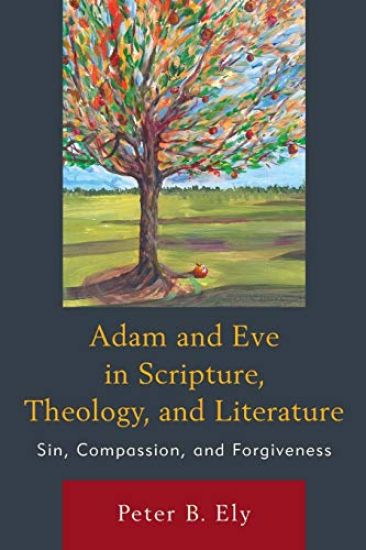
Adam and Eve in Scripture, Theology, and Literature
Adam and Eve in Scripture, Theology, and Literature: Sin, Compassion, and Forgiveness is an extended consideration of the narrative of Adam and Eve, first seen in the Hebrew Bible but given new life by St. Paul in the New Testament. Paul’s treatment of Adam and Eve, especially his designation of Christ as a second Adam, has had an enormous influence in Christianity. Peter Ely follows this rich narrative as it develops in history, providing the basis of the doctrine of original sin in Christianity, giving rise in modern times to theological speculation, and entering thematically into mysticism and literature. The power of the adamic narrative can only be realized if one treats it as a true but non-historical myth. The “truth” of the myth lies in its ability to stimulate thinking and so reveal the depths of human experience. Augustine understood that, so did Julian of Norwich, and even the Belgian author of mystery stories, Georges Simenon, who had a deep sense of the universality of human weakness and the possibilities of redeeming what was lost. Simenon’s detective Maigret saw himself as a “mender of destinies.” The doctrine of original sin, the notion that human beings share a common vulnerability, can open the way to compassion and forgiveness. As Shakespeare illustrates in Measure for Measure, the awareness of weakness in ourselves should move us to compassion for others. The recognition of a kind of “democracy of sin” can keep us from considering ourselves better than others, unlike them in their weakness, and entitled to stand in judgment of them. Thus, compassion opens the door to forgiveness. The progress from sin to compassion to forgiveness forms the heart of this work.
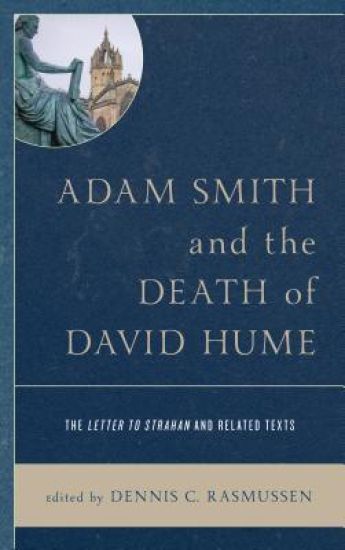
Adam Smith and the Death of David Hume
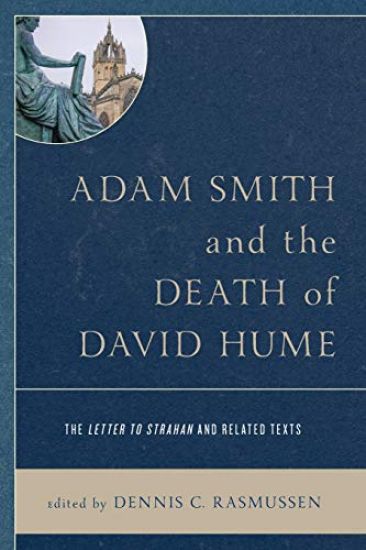
The Letter to Strahan is an ostensible letter that Adam Smith wrote on the last days, death, and character of his closest friend, the philosopher David Hume, and published alongside Hume’s autobiography, My Own Life, in 1777. Other than his two books, it is the only work that Smith published under his name during his lifetime, and it elicited a great deal of commentary and controversy. Because of Hume’s reputation for impiety, Smith’s portrayal of his friend’s cheerfulness and equanimity during his final days provoked outrage among the devout. Smith later commented that this work “brought upon me ten times more abuse than the very violent attack I had made upon the whole commercial system of Great Britain”—meaning, of course, The Wealth of Nations. This is the first annotated version of this fascinating and important work. Along with the Letter to Strahan, the volume also includes Hume’s My Own Life, the work to which the Letter was a kind of companion piece; two personal letters related to the Letter; and three published responses to the Letter—two viciously critical and one generally favorable. A substantial editor’s introduction discusses the context, composition, publication, and significance of the Letter, along with the strong reaction that it provoked. Taken together, the works included in the volume provide an entertaining and accessible entrée into some of the most controversial debates over religion and morality in the eighteenth century.
Adam Smith and the Death of David Hume
The Letter to Strahan is an ostensible letter that Adam Smith wrote on the last days, death, and character of his closest friend, the philosopher David Hume, and published alongside Hume’s autobiography, My Own Life, in 1777. Other than his two books, it is the only work that Smith published under his name during his lifetime, and it elicited a great deal of commentary and controversy. Because of Hume’s reputation for impiety, Smith’s portrayal of his friend’s cheerfulness and equanimity during his final days provoked outrage among the devout. Smith later commented that this work “brought upon me ten times more abuse than the very violent attack I had made upon the whole commercial system of Great Britain”—meaning, of course, The Wealth of Nations. This is the first annotated version of this fascinating and important work.Along with the Letter to Strahan, the volume also includes Hume’s My Own Life, the work to which the Letter was a kind of companion piece; two personal letters related to the Letter; and three published responses to the Letter—two viciously critical and one generally favorable. A substantial editor’s introduction discusses the context, composition, publication, and significance of the Letter, along with the strong reaction that it provoked. Taken together, the works included in the volume provide an entertaining and accessible entrée into some of the most controversial debates over religion and morality in the eighteenth century.
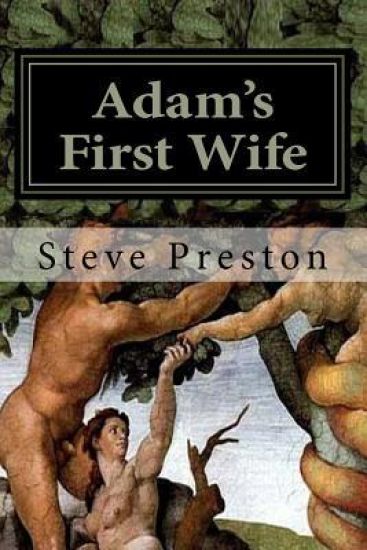
Adam's First Wife

Adam's First Wife

Steve Preston

Createspace Independent Publishing Platform
2014
nidottu
This book is not about Eve. Instead, it is about the woman that was made when Adam was made. If you have ever wondered about the Genesis story with respect to Adam trying to find a helpmate; this will help you understand. God did not forget to make a woman for Adam, nor did Adam, initially, go around and see if any of the animals were compatible with him. By the way, Adam quickly determined that the skunk would not make a good helpmeet. Also, I must tell you, snakes did not have legs in the Garden of Eden. The Bible doesn't say that, so don't go believing that the Bible is wrong in its description of Adam and the whole Garden of Eden visual description as laid out by Moses.