
Kirjahaku
Etsi kirjoja tekijän nimen, kirjan nimen tai ISBN:n perusteella.
1000 tulosta hakusanalla Clyde Forsberg Jr.

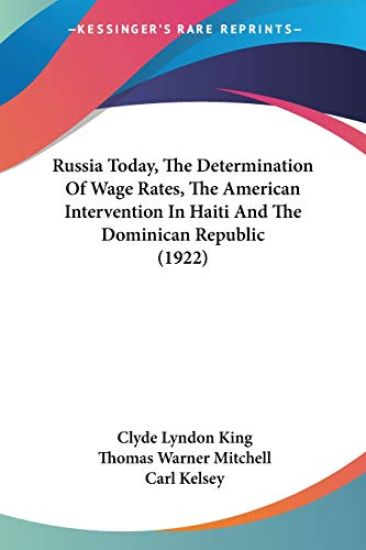
Russia Today, the Determination of Wage Rates, the American Intervention in Haiti and the Dominican Republic
Clyde Lyndon (EDT) King; Thomas Warner (EDT) Mitchell; Carl (EDT) Kelsey
Kessinger Pub
2008
pokkari


The Knighting Of The Twins And Ten Other Tales (1891)
Clyde Fitch
KESSINGER PUBLISHING, LLC
2008
pokkari
The Use Of The Infinitive In Biblical Greek (1896)
Clyde Weber Votaw
KESSINGER PUBLISHING, LLC
2008
nidottu



How To Tell Children About Sex
Clyde M. Narramore Ed D.
Createspace Independent Publishing Platform
2011
nidottu
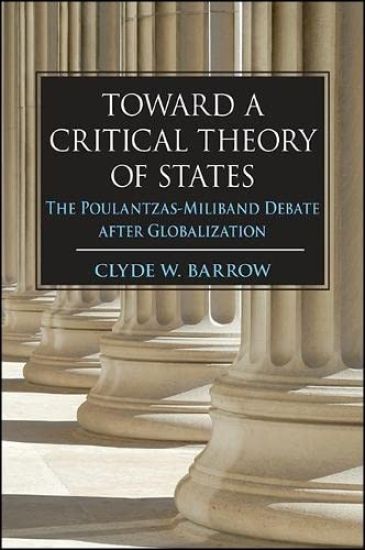
In-depth study of the enduring impact of the 1970s debate between state theorists Ralph Miliband and Nicos Poulantzas.We have recently lived through the turmoil of a global financial crisis that originated in the United States and, despite the platitudes of neo-liberal ideology, nation-states were deeply involved in managing this crisis. If "the state" is again a preeminent actor in the global economy, then state theory and the problem of the state should also return to the forefront of political theory. Toward a Critical Theory of States is an intensive analysis of the 1970s debate between state theorists Ralph Miliband and Nicos Poulantzas, including its wider impact on Marxist theories of the state in subsequent decades. Clyde W. Barrow makes unique arguments and contributions to this continuing discussion in state theory and lays the foundation for more theoretically informed empirical and historical research on the state in the age of globalization. He argues that by merely moving past the Poulantzas-Miliband debate, as some have recommended, scholars have abandoned much that is valuable in understanding the state, particularly the need to comprehend the contemporary transformation of the state form and the state apparatuses as part of the new conditions of globalization and transnational capital accumulation. Building upon themes of state restructuring found in Poulantzas and Miliband, Barrow establishes the outlines of an approach that integrates the thought of both to propose a synthetic understanding of the new imperialism.
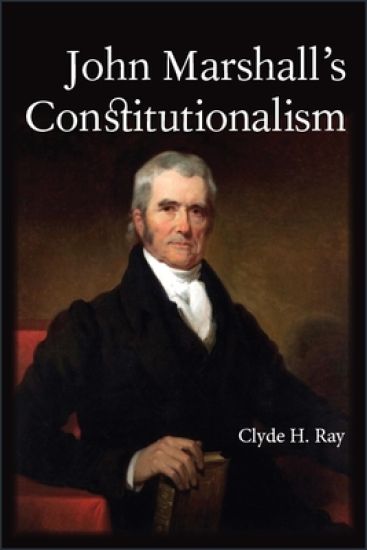
A study of John Marshall's political thought with special emphasis on his views of constitutional legitimacy, sovereignty, citizenship, and national identity.John Marshall's Constitutionalism is an exploration of Supreme Court Chief Justice John Marshall's political thought. Often celebrated and occasionally derided as a force in the creation of American jurisprudence and the elevation of the American Supreme Court, Marshall is too seldom studied as a political thinker. Clyde H. Ray explores this neglected dimension of Marshall's thought by examining his constitutional theory in the context of several of his most important Supreme Court opinions, arguing that Marshall's political theory emphasized the federal Constitution's fundamental legitimacy; its sovereignty over national and state government policy; its importance in defining responsible citizenship; and its role in establishing a Constitution-based form of American nationalism. This cross-disciplinary argument illustrates Marshall's devotion to the Constitution as a new source of national identity during the early national period. Furthermore, Ray argues that Marshall's constitutionalism makes important contributions not only to our understanding of American constitutionalism during his time, but also conveys important lessons for readers seeking a better understanding of the Constitution's role in the United States today.