
Kirjahaku
Etsi kirjoja tekijän nimen, kirjan nimen tai ISBN:n perusteella.
1000 tulosta hakusanalla Elizabeth Gaskell
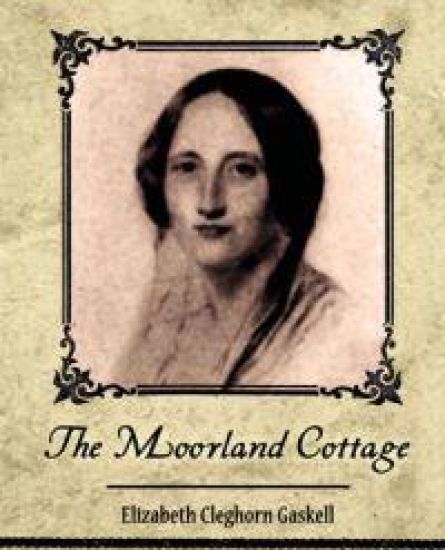
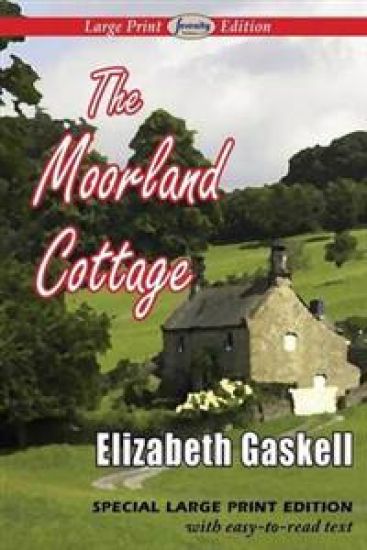
The Moorland Cottage (Large Print Edition)
Elizabeth Cleghorn Gaskell
Serenity Publishers, LLC
2013
pokkari

North and South is a social novel by English writer Elizabeth Gaskell. With Wives and Daughters (1865) and Cranford (1853), it is one of her best-known novels and was adapted for television twice (1975 and 2004). The later version renewed interest in the novel and attracted a wider readership. Gaskell's first novel, Mary Barton (1848), focused on relations between employers and workers in Manchester from the perspective of the working poor; North and South uses a protagonist from southern England to present and comment on the perspectives of mill owners and workers in an industrialising city. The novel is set in the fictional industrial town of Milton in the north of England. Forced to leave her home in the tranquil, rural south, Margaret Hale settles with her parents in Milton. She witnesses the brutal world wrought by the Industrial Revolution, seeing employers and workers clashing in the first strikes. Sympathetic to the poor (whose courage and tenacity she admires and among whom she makes friends), she clashes with John Thornton: a nouveau riche cotton-mill owner who is contemptuous of his workers.

Cousin Phillis (1864) is a novel by Elizabeth Gaskell. It was published in four parts, though a fifth and sixth part were planned. The story is about 19-year-old Paul Manning, who moves to the country and befriends his mother's family and his (second) cousin Phillis Holman, who is confused by her own placement at the edge of adolescence.Most critics agree that Cousin Phillis is Gaskell's crowning achievement in the short novel. The story is uncomplicated; its virtues are in the manner of its development and telling. Cousin Phillis is also recognized as a fitting prelude for Gaskell's final and most widely acclaimed novel, Wives and Daughters, which ran in Cornhill Magazine from August 1864 to January 1866. (wikipedia.org)
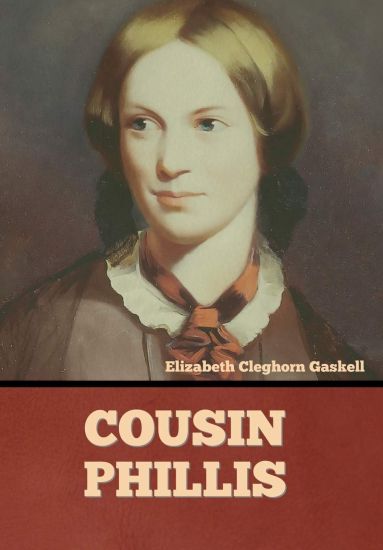
Cousin Phillis (1864) is a novel by Elizabeth Gaskell. It was published in four parts, though a fifth and sixth part were planned. The story is about 19-year-old Paul Manning, who moves to the country and befriends his mother's family and his (second) cousin Phillis Holman, who is confused by her own placement at the edge of adolescence.Most critics agree that Cousin Phillis is Gaskell's crowning achievement in the short novel. The story is uncomplicated; its virtues are in the manner of its development and telling. Cousin Phillis is also recognized as a fitting prelude for Gaskell's final and most widely acclaimed novel, Wives and Daughters, which ran in Cornhill Magazine from August 1864 to January 1866. (wikipedia.org)

CONTENTSThe Old Nurse's Story The Poor Clare Lois the Witch The Grey WomanCurious, if TrueElizabeth Cleghorn Gaskell (n e Stevenson; 29 September 1810 - 12 November 1865), often referred to as Mrs Gaskell, was an English novelist, biographer and short story writer. Her novels offer a detailed portrait of the lives of many strata of Victorian society, including the very poor. Her work is of interest to social historians as well as readers of literature. Her first novel, Mary Barton, was published in 1848. Gaskell's The Life of Charlotte Bront , published in 1857, was the first biography of Charlotte Bront . In this biography, she wrote only of the moral, sophisticated things in Bront 's life; the rest she left out, deciding that certain, more salacious aspects were better kept hidden. Among Gaskell's best known novels are Cranford (1851-53), North and South (1854-55), and Wives and Daughters (1865), each having been adapted for television by the BBC.Gaskell's first novel, Mary Barton, was published anonymously in 1848. The best-known of her remaining novels are Cranford (1853), North and South (1854), and Wives and Daughters (1865). She became popular for her writing, especially her ghost stories, aided by Charles Dickens, who published her work in his magazine Household Words. Her ghost stories are in the "Gothic" vein, making them quite distinct from her "industrial" fiction.Even though her writing conforms to Victorian conventions, including the use of the name "Mrs. Gaskell", she usually framed her stories as critiques of contemporary attitudes. Her early works focused on factory work in the Midlands. She usually emphasized the role of women, with complex narratives and realistic female characters. Gaskell said she was influenced by the writings of Jane Austen. She then felt qualified to write a book on one of the greatest authors of all time, smoothing over patches in her life that were too rough for the sophisticated society woman. Her treatment of class continues to interest social historians as well as fiction lovers. (wikipedia.org)

CONTENTSThe Old Nurse's Story The Poor Clare Lois the Witch The Grey WomanCurious, if TrueElizabeth Cleghorn Gaskell (n e Stevenson; 29 September 1810 - 12 November 1865), often referred to as Mrs Gaskell, was an English novelist, biographer and short story writer. Her novels offer a detailed portrait of the lives of many strata of Victorian society, including the very poor. Her work is of interest to social historians as well as readers of literature. Her first novel, Mary Barton, was published in 1848. Gaskell's The Life of Charlotte Bront , published in 1857, was the first biography of Charlotte Bront . In this biography, she wrote only of the moral, sophisticated things in Bront 's life; the rest she left out, deciding that certain, more salacious aspects were better kept hidden. Among Gaskell's best known novels are Cranford (1851-53), North and South (1854-55), and Wives and Daughters (1865), each having been adapted for television by the BBC.Gaskell's first novel, Mary Barton, was published anonymously in 1848. The best-known of her remaining novels are Cranford (1853), North and South (1854), and Wives and Daughters (1865). She became popular for her writing, especially her ghost stories, aided by Charles Dickens, who published her work in his magazine Household Words. Her ghost stories are in the "Gothic" vein, making them quite distinct from her "industrial" fiction.Even though her writing conforms to Victorian conventions, including the use of the name "Mrs. Gaskell", she usually framed her stories as critiques of contemporary attitudes. Her early works focused on factory work in the Midlands. She usually emphasized the role of women, with complex narratives and realistic female characters. Gaskell said she was influenced by the writings of Jane Austen. She then felt qualified to write a book on one of the greatest authors of all time, smoothing over patches in her life that were too rough for the sophisticated society woman. Her treatment of class continues to interest social historians as well as fiction lovers. (wikipedia.org)

A Dark Night's Work is an 1863 novel by Elizabeth Gaskell. It was first published serially in Charles Dickens's magazine All the Year Round. The word "dark" was added to the original title by Dickens against Gaskell's wishes. Dickens felt that the altered title would be more striking. The story centers on a country lawyer, Edward Wilkins, and his daughter Ellinor. Edward has an artistic and literary personality, unsuited to his social position as the son of a successful lawyer who takes over his father's practice in the provincial town of Hamley. His legal representation of the local gentry and nobility leads him to try fitting into their social circles, only to be mocked and treated with derision. He develops a drinking problem and spends more money than he can afford to in his attempts to be an equal to his clients. His bad habits lead to problems in his business, and Edward is forced to take on a junior partner named Mr. Dunster.At the same time, Ellinor becomes engaged to a young upcoming country gentleman named Ralph Corbet. Corbet initiates the engagement partly through love of Ellinor and partly because of a promise of money from Edward. Edward continues to drink and overspend, leading to a confrontation with Mr. Dunster. In the heat of the argument, Edward strikes Mr. Dunster, killing him. Ellinor and a family servant named Dixon help Edward to bury the body in their flower garden.Ellinor soon tells Ralph that a possible disgrace hangs over her. Ralph questions Edward about this, and Edward insults him in a drunken tirade. Ralph dissolves his engagement to Ellinor because of this, and because he regrets forming an engagement to someone who offers no opportunity of helping him advance in society. He later marries into the nobility and becomes a judge. Edward drinks himself to death and Ellinor moves to a distant town, East Chester, after the Wilkins's home Ford Bank is rented out in order to provide Ellinor with a living. Dixon remains as a servant to watch over the home and property where the body is buried. The secret goes unknown for about 15 years until the body is dug up during the construction of a railroad. Dixon is arrested for the murder and later convicted by Ralph, who acts as the judge in the case. Ellinor then tells Ralph the truth, and Dixon is pardoned. She returns to East Chester and marries a local clergyman, Canon Livingstone, who she had known in her youth, and has two children with him. (wikipedia.org)

A Dark Night's Work is an 1863 novel by Elizabeth Gaskell. It was first published serially in Charles Dickens's magazine All the Year Round. The word "dark" was added to the original title by Dickens against Gaskell's wishes. Dickens felt that the altered title would be more striking. The story centers on a country lawyer, Edward Wilkins, and his daughter Ellinor. Edward has an artistic and literary personality, unsuited to his social position as the son of a successful lawyer who takes over his father's practice in the provincial town of Hamley. His legal representation of the local gentry and nobility leads him to try fitting into their social circles, only to be mocked and treated with derision. He develops a drinking problem and spends more money than he can afford to in his attempts to be an equal to his clients. His bad habits lead to problems in his business, and Edward is forced to take on a junior partner named Mr. Dunster.At the same time, Ellinor becomes engaged to a young upcoming country gentleman named Ralph Corbet. Corbet initiates the engagement partly through love of Ellinor and partly because of a promise of money from Edward. Edward continues to drink and overspend, leading to a confrontation with Mr. Dunster. In the heat of the argument, Edward strikes Mr. Dunster, killing him. Ellinor and a family servant named Dixon help Edward to bury the body in their flower garden.Ellinor soon tells Ralph that a possible disgrace hangs over her. Ralph questions Edward about this, and Edward insults him in a drunken tirade. Ralph dissolves his engagement to Ellinor because of this, and because he regrets forming an engagement to someone who offers no opportunity of helping him advance in society. He later marries into the nobility and becomes a judge. Edward drinks himself to death and Ellinor moves to a distant town, East Chester, after the Wilkins's home Ford Bank is rented out in order to provide Ellinor with a living. Dixon remains as a servant to watch over the home and property where the body is buried. The secret goes unknown for about 15 years until the body is dug up during the construction of a railroad. Dixon is arrested for the murder and later convicted by Ralph, who acts as the judge in the case. Ellinor then tells Ralph the truth, and Dixon is pardoned. She returns to East Chester and marries a local clergyman, Canon Livingstone, who she had known in her youth, and has two children with him. (wikipedia.org)

Cranford is one of the better-known novels of the 19th-century English writer Elizabeth Gaskell. It was first published, irregularly, in eight instalments, between December 1851 and May 1853, in the magazine Household Words, which was edited by Charles Dickens. It was then published, with minor revision, in book form in 1853.The novel became immensely popular in the years following Elizabeth Gaskell's death. The novel has been thrice adapted for television by the BBC. The first version was broadcast in 1951, the second in 1972, with Gabrielle Hamilton as Miss Matty, and the third version in 2007. The 2007 version added material from other writings by Gaskell: My Lady Ludlow, Mr. Harrison's Confessions and The Last Generation in England. Judi Dench and Eileen Atkins took the leading roles as Miss Matty and Miss Deborah Jenkyns, with Imelda Staunton cast as the town's gossip, Miss Pole, and Michael Gambon as Miss Matty's former admirer, Mr. Holbrook. The BBC sequel, Return to Cranford, was broadcast in 2009 in the UK and 2010 in the USA. (wikipedia.org)