
Kirjahaku
Etsi kirjoja tekijän nimen, kirjan nimen tai ISBN:n perusteella.
1000 tulosta hakusanalla Frederick Locker-Lampson
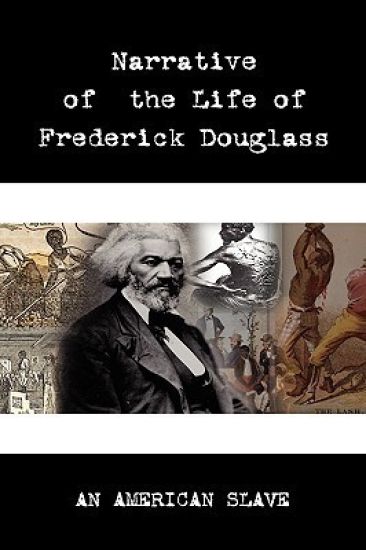
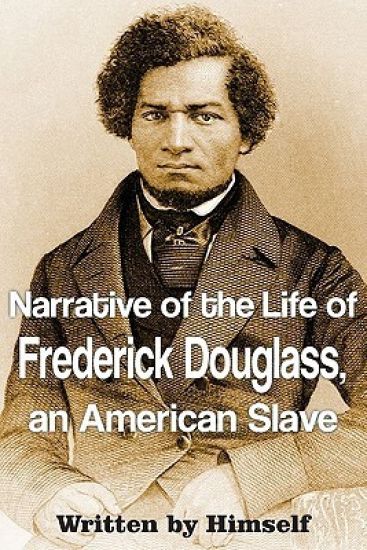
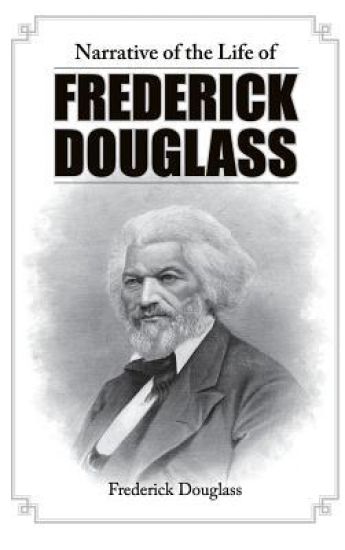
Narrative of the Life of Frederick Douglass, an American Slave
Frederick Douglass
Bottom of the Hill Publishing
2011
pokkari
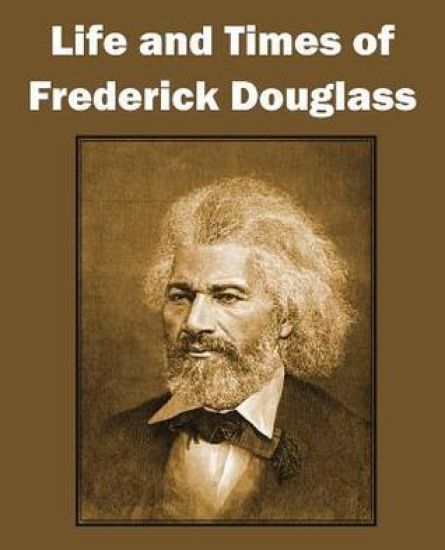
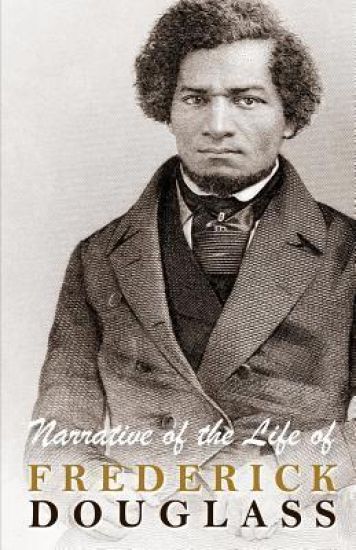
Frederick Douglass (c.1818 1895) was born into slavery but escaped in 1838, quickly becoming involved in the abolitionist movement. Following publication in 1845 of this autobiography he risked recognition and recapture by his owner, and so fled the United States. This reissue is of the Dublin edition of 1845, with a preface by Douglass explaining his reasons for his journey to Britain. Opening with a touching explanation of how he doesn't know his birthday, Douglass describes his early life and the growing awareness of the injustices he suffered. The beatings he witnessed and received himself are described in painful detail. Later, Douglass highlights the hypocrisy of the 'slaveholding religion of this land', condemning it as 'the grossest of libels'. The eloquence of the writing, with an immediacy and honesty found shocking at the time, make this an invaluable first-hand record of one of humanity's most shameful acts.
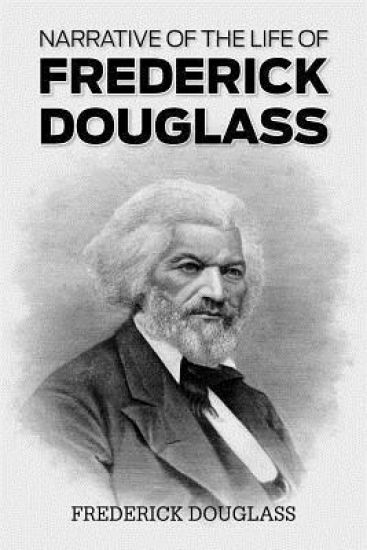
Frederick Douglass (c.1818 1895) was born into slavery but escaped in 1838, quickly becoming involved in the abolitionist movement. Following publication in 1845 of this autobiography he risked recognition and recapture by his owner, and so fled the United States. This reissue is of the Dublin edition of 1845, with a preface by Douglass explaining his reasons for his journey to Britain. Opening with a touching explanation of how he doesn't know his birthday, Douglass describes his early life and the growing awareness of the injustices he suffered. The beatings he witnessed and received himself are described in painful detail. Later, Douglass highlights the hypocrisy of the 'slaveholding religion of this land', condemning it as 'the grossest of libels'. The eloquence of the writing, with an immediacy and honesty found shocking at the time, make this an invaluable first-hand record of one of humanity's most shameful acts.
Frederick Douglass (c.1818 1895) was born into slavery but escaped in 1838, quickly becoming involved in the abolitionist movement. Following publication in 1845 of this autobiography he risked recognition and recapture by his owner, and so fled the United States. This reissue is of the Dublin edition of 1845, with a preface by Douglass explaining his reasons for his journey to Britain. Opening with a touching explanation of how he doesn't know his birthday, Douglass describes his early life and the growing awareness of the injustices he suffered. The beatings he witnessed and received himself are described in painful detail. Later, Douglass highlights the hypocrisy of the 'slaveholding religion of this land', condemning it as 'the grossest of libels'. The eloquence of the writing, with an immediacy and honesty found shocking at the time, make this an invaluable first-hand record of one of humanity's most shameful acts.
Frederick Douglass (c.1818 1895) was born into slavery but escaped in 1838, quickly becoming involved in the abolitionist movement. Following publication in 1845 of this autobiography he risked recognition and recapture by his owner, and so fled the United States. This reissue is of the Dublin edition of 1845, with a preface by Douglass explaining his reasons for his journey to Britain. Opening with a touching explanation of how he doesn't know his birthday, Douglass describes his early life and the growing awareness of the injustices he suffered. The beatings he witnessed and received himself are described in painful detail. Later, Douglass highlights the hypocrisy of the 'slaveholding religion of this land', condemning it as 'the grossest of libels'. The eloquence of the writing, with an immediacy and honesty found shocking at the time, make this an invaluable first-hand record of one of humanity's most shameful acts.
Frederick Douglass (c.1818 1895) was born into slavery but escaped in 1838, quickly becoming involved in the abolitionist movement. Following publication in 1845 of this autobiography he risked recognition and recapture by his owner, and so fled the United States. This reissue is of the Dublin edition of 1845, with a preface by Douglass explaining his reasons for his journey to Britain. Opening with a touching explanation of how he doesn't know his birthday, Douglass describes his early life and the growing awareness of the injustices he suffered. The beatings he witnessed and received himself are described in painful detail. Later, Douglass highlights the hypocrisy of the 'slaveholding religion of this land', condemning it as 'the grossest of libels'. The eloquence of the writing, with an immediacy and honesty found shocking at the time, make this an invaluable first-hand record of one of humanity's most shameful acts.
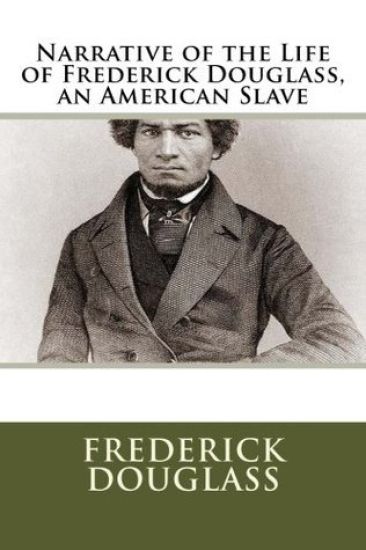
Narrative of the Life of Frederick Douglass, an American Slave
Frederick Douglass
Simon Brown
2012
nidottu
Narrative of the Life of Frederick Douglass, an American SlaveBy Frederick Douglass
Incidents in the Life of a Slave Girl Written by Herself and Narrative of the Life of Frederick Douglass, an American Slave
Frederick Douglass; Harriet Jacobs
Simon Brown
2013
nidottu
Incidents in the Life of a Slave Girl Written by Herself and Narrative of the Life of Frederick Douglass, an American SlaveBy Harriet Jacobs, Frederick Douglass


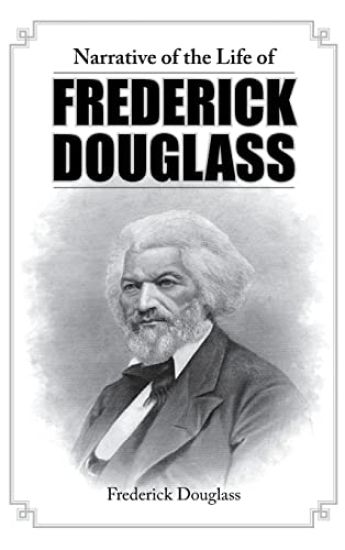
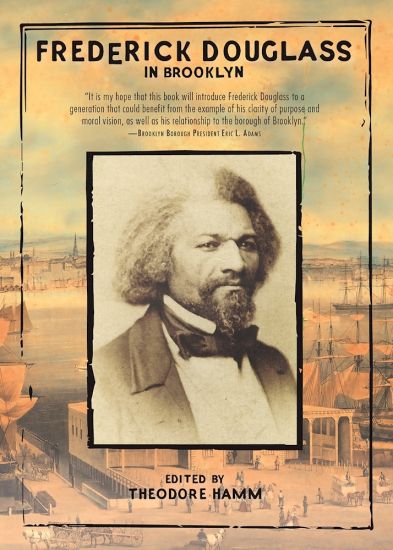
Frederick Douglass In Brooklyn
Akashic Books,U.S.
2017
nidottu
"A fascinating collection of Frederick Douglass's controversial speeches in Brooklyn, N.Y., this volume compiles original source material that illustrates the relationship between the abolitionist and the then city of Brooklyn."--"Publishers Weekly," Fall 2016 Announcements "It is my hope that this book will introduce Frederick Douglass to a generation that could benefit from the example of his clarity of purpose and moral vision, as well as his relationship to the Borough of Brooklyn."--Brooklyn Borough President Eric L. Adams "Theodore Hamm simultaneously engages scholars of history, politics, and New York City in his well-edited and carefully crafted selection of Frederick Douglass's speeches in Brooklyn. Many of the questions raised by Douglass are still relevant today. What will be the fate of black people living in the US? Do places like Brooklyn serve as incubators of injustice--or promise a better future--for people of color? This is an insightful and invaluable book for anyone interested in race, ethnicity, cities, injustice, and the quest for equality."--Christina Greer, associate professor of political science at Fordham University and columnist, "The Amsterdam News" This volume compiles original source material that illustrates the relationship between the abolitionist and Brooklyn. Most prominent are the speeches Douglass gave at the Brooklyn Academy of Music, Plymouth Church, and other leading Brooklyn institutions. Whether discussing the politics of the Civil War or recounting his relationships with his friends Abraham Lincoln and John Brown, Douglass's towering voice sounds anything but dated. The volume also provides a healthy sampling of clippings from newspapers, including the "New York Tribune," "Brooklyn Daily Eagle," and the "Brooklyn Daily Times," which published Walt Whitman's account of Douglass's 1859 speech in Williamsburg. An introductory essay examines the intricate ties between Douglass and Brooklyn abolitionists, while brief chapter introductions and annotations fill in the historical blanks.