

Kirjahaku
Etsi kirjoja tekijän nimen, kirjan nimen tai ISBN:n perusteella.
1000 tulosta hakusanalla Janet Taylor-Perry

The Jane Austen Treasury is a delightful collection of facts and insights into the life and times of the great novelist and the attitudes and customs that shaped both her and her work. Taking each of her novels in turn, and exploring both underlying themes and historical context, it reveals the complexities that underlie her simple and timeless romances. Featuring her views on love and marriage, women's rights and society's mores, this beautiful volume looks at the facts of Austen's life and times, as well as little known stories about her novels, including: the marriage proposal that Austen accepted, only to change her mind, the mock grown-up fiction she wrote as a child, her personal connections to the Napoleonic Wars, and how her love of puzzles and verbal games influenced her writings.

Jane Austen traces the author's life and times, her personal relationships, the attitudes and customs of the time that shaped her and were in turn shaped by her work, and the places where she lived, worked and set her novels, from rural Hampshire to fashionable Bath Spa. Chapters on each of her novels run throughout the book and place them in the context of her life. This volume draws on archives for a truly insightful view of the author, reproducing rare and fascinating documents from her personal archives, including early manuscripts, a handwritten note outlining the profits from her novels, a letter from Jane's father to the publisher Thomas Cadell, which was returned to the family with the words 'Rejected by return of post' written on it, and pages from the unfinished manuscript of Sanditon. For over 200 years, the novels of Jane Austen have been loved and celebrated across a diverse international readership. From her playful digs at the ridiculous to her examination of the strengths and weaknesses of humanity, she shows an insight into human behaviour, arguably unparalleled by any other novelist, that is as relevant today as when her novels were first published.
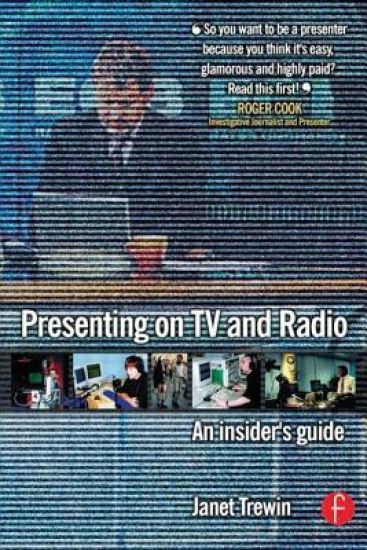
Aspiring radio and TV presenters will benefit from the informative and entertaining guidance provided by accomplished presenter, Janet Trewin. Presenting on TV and Radio is packed with illustrations, practical exercises and insider tips for improving your presentation skills and breaking into this competitive industry. Based on the principle that all successful presentation on TV and radio is dependent on uniform skills applicable to both mediums, the book begins by explaining basics such as appearance, authority, body language, diction, scriptwriting, deadlines, technology and working with a co-presenter. Valuable insights into key employment issues such as sexism, ageism, racism and disability are also offered. The different requirements of TV and radio presentation are then examined, focusing on each specialist area in detail and with tips from professionals in the business. These include: presenting news in the studio as an anchor and as a reporter on the road; current affairs and features involving live and recorded material; DJ'ing; light entertainment (e.g. game shows and personality programmes); sports presentation; children's programmes; foreign broadcasters and those broadcasting to worldwide audiences.
A DAILY TELEGRAPH AND BBC HISTORY MAGAZINE BOOK OF THE YEAR 2019 'A remarkable book: the dramatic story of a truly extraordinary man ... brilliant' Helen Castor, author of She-Wolves A major new biography of one of the most extraordinary of all rulers, and the father of present-day EuropeCharles, King of the Franks, is one of the most remarkable figures ever to rule a European super-state. That is why he is so often called 'Charles the Great': by the French 'Charlemagne', and by the Germans 'Karl der Grosse'. His strength of character was felt to be remarkable from early in his long reign. Warfare and accident, vermin and weather have destroyed much of the evidence for his rule in the twelve centuries since his death, but a remarkable amount still survives. Janet L. Nelson's wonderful new book brings together everything we know about Charlemagne and sifts through the evidence to come as close as we can to understanding the man and his motives. Nelson has an extraordinary knowledge of the sources and much of the book is a sort of detective story, prying into and interpreting fascinating material and often obdurate scraps, from prayerbooks to skeletons, gossip to artwork. Above all, Charles' legacy lies in his deeds and their continuing resonance, as he shaped duchies and counties, rebuilt and founded towns and monasteries, and consciously set himself up not just as King of the Franks, but as the new 'Emperor governing the Roman Empire'. His successors - in some ways to the present day - have struggled to interpret, misinterpret, copy or subvert Charlemagne's legacy. Nelson gets us as close as we can ever hope to come to the real figure, as understood in his own time.
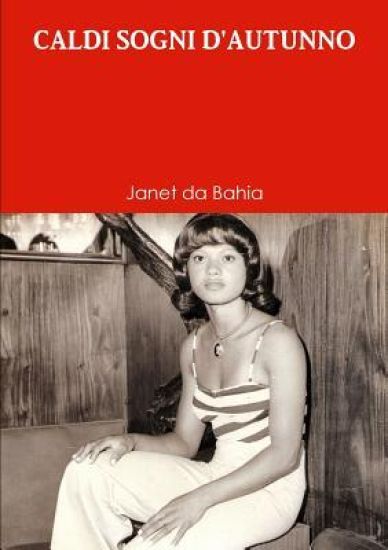
I sogni sono come i compagni di viaggio ti aiutano a passare il tempo lungo il tragitto. La mia opera racconta i miei sogni che mi sono rimasti impressi nelle notti di un caldo autunno. Sognare ti fa capire che sei vitale e vivo e ti pone davanti una riflessione tra il passato e il futuro
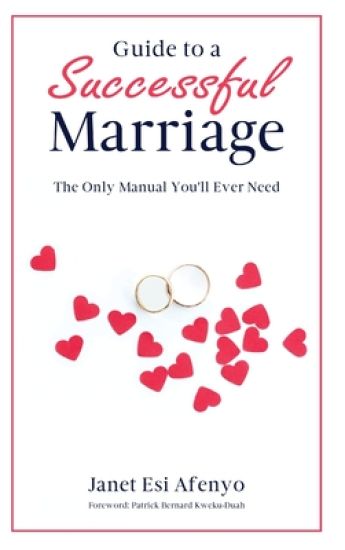
Guide to a Successful Marriage: The Only Manual You'll Ever Need
Janet Esi Afenyo
Lulu.com
2020
sidottu
The Only Guide You Will Ever Need For Your Marriage and Relationship.

The time of the early Christians, including many martyrs for the faith, called the Patristic Age, lasted until the eighth century after the time of Jesus. But here we consider the centuries up to the end of the Western Roman Empire after the partition between East and West in 456AD. The 7th Ecumenical Council marks a final divide in the Church between East and West, though the Eastern Orthodox Church has always prayed for an 8th truly Ecumenical Council. So the time-span of this present book is located from the end of the Old Testament era, which some would put at around 4BC on the Julian calendar, to the last years of Emperors in the West and the coming of the Barbarians and Ostrogoths to be kings of Italy in 476AD. It includes the writing of the whole of the New Testament which was finalised in the form we now know it around 325 A.D. at the Council of Nicaea. This was the first council which represented the whole of the Christian Church in the time of the Emperor Constantine.
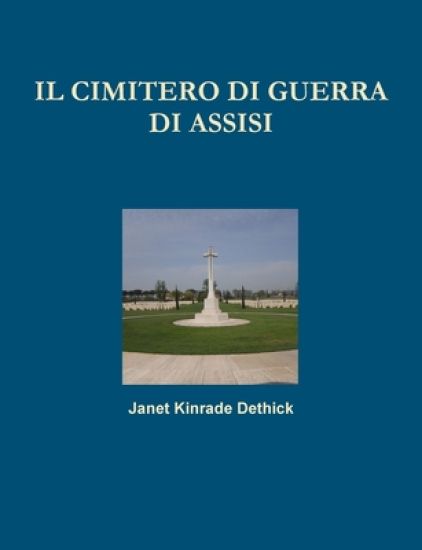
Nel Cimitero di Guerra del Regno Unito ed il Commonwealth, locato a Rivotorto, Assisi, risultano sepolti 941 militari conosciuti e quattro sconosciuti; insieme a loro ci sono quattro italiani appartenenti alla no. 1 Special Force d'intelligence britannica. 903 erano soldati e 41 aviatori. Di uno si sa solo che era di nazionalit britannica. Dividendo i morti per nazione, ci sono 802 britannici, 55 sudafricani, 49 canadesi e 29 neozelandesi. 10 appartenevano ai reparti indiani. Solo nove di questi militari morirono il 17 giugno 1944, giorno in cui la citt di Assisi fu liberata. Gli altri, secondo il sito ufficiale della CWGC, furono portati ad Assisi 'dai campi di battaglia circostanti'. Questo libro non solo elenca i campi di battaglia, ma fa riferimento agli ospedali da campo ed anche alle altre circostanze in cui alcuni militari incontrarono la morte, fra i quali 17 prigionieri di guerra che morirono in Umbria, Lazio ed Abruzzo prima del passaggio del fronte.

Once a wildly popular form of Spanish entertainment, the zarzuela boasts a long history of bridging classical and popular art. Yet its contradictions make it a theatrical chameleon. Neither opera nor serious drama, the staging still requires trained singers and good actors. Neither purely folkloric nor high art, the music is too popular for some and too classical for others. Janet L. Sturman traces the zarzuela's colorful history from its origins as a Spanish court entertainment to Cuba's pivotal role in transmitting it to Latin America and the Caribbean. Ranging from Argentina, Mexico, and Puerto Rico to El Paso, Miami, and New York, Sturman draws distinctions among the ways various Spanish-speaking communities have reformulated zarzuela by combining the traditional model with local characters, music, dances, and politics. She also explores two theaters in New York, Repertorio Español and the Thalia Spanish Theatre, that have fostered the zarzuela by mounting innovative productions that cultivate both audiences and a network of donors. Vivid and revealing, Zarzuela recognizes the enduring cultural and social relevance of a genre at once resilient, adaptable, and temptingly elusive.
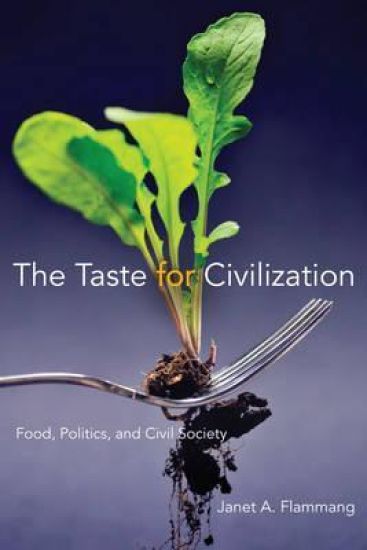
This book explores the idea that table activities--the mealtime rituals of food preparation, serving, and dining--lay the foundation for a proper education on the value of civility, the importance of the common good, and what it means to be a good citizen. The arts of conversation and diplomatic speech are learned and practiced at tables, and a political history of food practices recasts thoughtfulness and generosity as virtues that enhance civil society and democracy. In our industrialized and profit-centered culture, however, foodwork is devalued and civility is eroding.Looking at the field of American civility, Janet A. Flammang addresses the gendered responsibilities for foodwork's civilizing functions and argues that any formulation of "civil society" must consider food practices and the household. To allow space for practicing civility, generosity, and thoughtfulness through everyday foodwork, Americans must challenge the norms of unbridled consumerism, work-life balance, and domesticity and caregiving. Connecting political theory with the quotidian activities of the dinner table, Flammang discusses practical ideas from the "delicious revolution" and Slow Food movement to illustrate how civic activities are linked to foodwork, and she points to farmers' markets and gardens in communities, schools, and jails as sites for strengthening civil society and degendering foodwork.

Hong Kong Movers and Stayers
Janet W. Salaff; Siu-lun Wong; Arent Greve
University of Illinois Press
2010
sidottu
Half a million Hong Kong residents fled their homeland during the thirteen years before Hong Kong's reversion to China in 1997. Nearly half of those returned within the next several years. Filled with detailed, first-hand stories of nine Hong Kong families over nearly two decades, Hong Kong Movers and Stayers is a multifaceted yet intimate look at the forces behind Hong Kong families' successful, and failed, efforts at migration and settlement. Defining migration as a process, not a single act of leaving, Hong Kong Movers and Stayers provides an antidote to ethnocentric and simplistic theories by uncovering migration stories as they relate to social structures and social capital. The authors meld survey analysis, personal biography, and sociology and compare multiple families in order to give voice to the interplay of gender, age, and diverse family roles as motivating factors in migration.
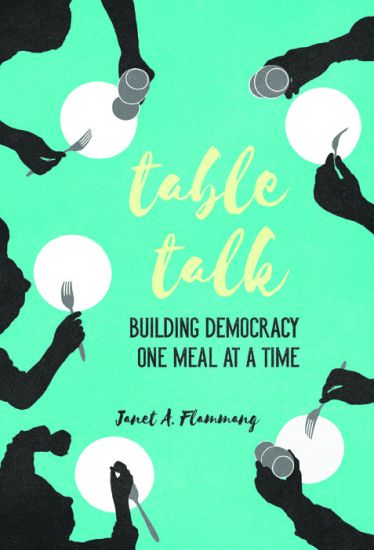
The civic virtues of a seat at the table Etiquette books insist that we never discuss politics during a meal. In Table Talk, Janet A. Flammang offers a polite rebuttal, presenting vivid firsthand accounts of people's lives at the table to show how mealtimes can teach us the conversational give-and-take foundational to democracy. Delving into the ground rules about listening, sharing, and respect that we obey when we break bread, Flammang shows how conversations and table activities represent occasions for developing our civil selves. If there are cultural differences over practices--who should speak, what behavior is acceptable, what topics are off limits, how to resolve conflict--our exposure to the making, enforcement, and breaking of these rules offers a daily dose of political awareness and growth. Political table talk provides a forum to practice the conversational skills upon which civil society depends. It also ignites the feelings of respect, trust, and empathy that undergird the idea of a common good that is fundamental to the democratic process.
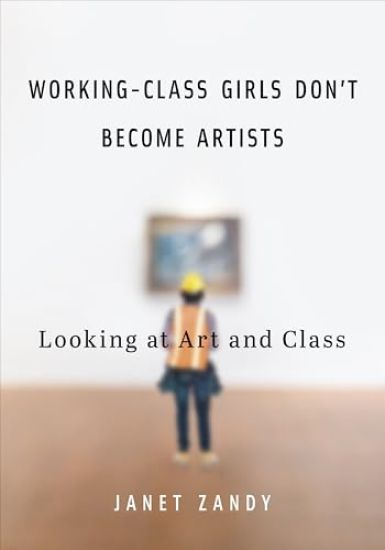
Writing from a working-class perspective, Janet Zandy links labor and art to challenge the unnamed class biases in systems of art curation, categorization and expertise. Zandy orchestrates the voices of nine artists – Käthe Kollwitz and Elizabeth Catlett, Ruth Asawa and Marilyn Anderson, Milton Rogovin and Jens S. Jensen, Mark Rogovin and muralism, Ralph Fasanella, and Raymond Mason – whose work aligns with the histories and living conditions of working-class people. These paired portraits open larger conversations about class and artistic formation, intent, and accessibility. Zandy presents a model for writing about art in an inclusive, theoretically informed, and creatively constructed way. Art, as Zandy shows, is not a rare fruit to be plucked by the chosen few. Art is a human necessity and crucial for the sustenance of democracy. Ambitious and original, Working-Class Girls Don't Become Artists rewrites art history from a working-class perspective.
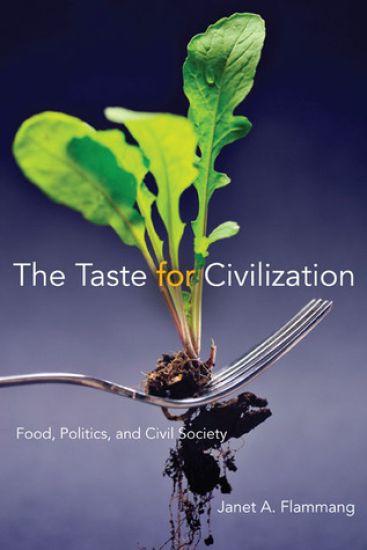
This book explores the idea that table activities--the mealtime rituals of food preparation, serving, and dining--lay the foundation for a proper education on the value of civility, the importance of the common good, and what it means to be a good citizen. The arts of conversation and diplomatic speech are learned and practiced at tables, and a political history of food practices recasts thoughtfulness and generosity as virtues that enhance civil society and democracy. In our industrialized and profit-centered culture, however, foodwork is devalued and civility is eroding.Looking at the field of American civility, Janet A. Flammang addresses the gendered responsibilities for foodwork's civilizing functions and argues that any formulation of "civil society" must consider food practices and the household. To allow space for practicing civility, generosity, and thoughtfulness through everyday foodwork, Americans must challenge the norms of unbridled consumerism, work-life balance, and domesticity and caregiving. Connecting political theory with the quotidian activities of the dinner table, Flammang discusses practical ideas from the "delicious revolution" and Slow Food movement to illustrate how civic activities are linked to foodwork, and she points to farmers' markets and gardens in communities, schools, and jails as sites for strengthening civil society and degendering foodwork.

Hong Kong Movers and Stayers
Janet W. Salaff; Siu-lun Wong; Arent Greve
University of Illinois Press
2010
nidottu
Half a million Hong Kong residents fled their homeland during the thirteen years before Hong Kong's reversion to China in 1997. Nearly half of those returned within the next several years. Filled with detailed, first-hand stories of nine Hong Kong families over nearly two decades, Hong Kong Movers and Stayers is a multifaceted yet intimate look at the forces behind Hong Kong families' successful, and failed, efforts at migration and settlement. Defining migration as a process, not a single act of leaving, Hong Kong Movers and Stayers provides an antidote to ethnocentric and simplistic theories by uncovering migration stories as they relate to social structures and social capital. The authors meld survey analysis, personal biography, and sociology and compare multiple families in order to give voice to the interplay of gender, age, and diverse family roles as motivating factors in migration.
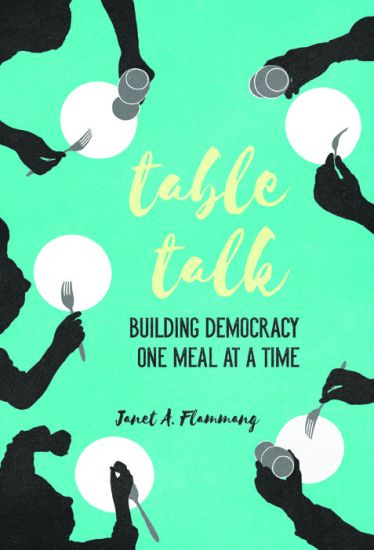
The civic virtues of a seat at the table Etiquette books insist that we never discuss politics during a meal. In Table Talk, Janet A. Flammang offers a polite rebuttal, presenting vivid firsthand accounts of people's lives at the table to show how mealtimes can teach us the conversational give-and-take foundational to democracy. Delving into the ground rules about listening, sharing, and respect that we obey when we break bread, Flammang shows how conversations and table activities represent occasions for developing our civil selves. If there are cultural differences over practices--who should speak, what behavior is acceptable, what topics are off limits, how to resolve conflict--our exposure to the making, enforcement, and breaking of these rules offers a daily dose of political awareness and growth. Political table talk provides a forum to practice the conversational skills upon which civil society depends. It also ignites the feelings of respect, trust, and empathy that undergird the idea of a common good that is fundamental to the democratic process.

Writing from a working-class perspective, Janet Zandy links labor and art to challenge the unnamed class biases in systems of art curation, categorization and expertise. Zandy orchestrates the voices of nine artists – Käthe Kollwitz and Elizabeth Catlett, Ruth Asawa and Marilyn Anderson, Milton Rogovin and Jens S. Jensen, Mark Rogovin and muralism, Ralph Fasanella, and Raymond Mason – whose work aligns with the histories and living conditions of working-class people. These paired portraits open larger conversations about class and artistic formation, intent, and accessibility. Zandy presents a model for writing about art in an inclusive, theoretically informed, and creatively constructed way. Art, as Zandy shows, is not a rare fruit to be plucked by the chosen few. Art is a human necessity and crucial for the sustenance of democracy. Ambitious and original, Working-Class Girls Don't Become Artists rewrites art history from a working-class perspective.
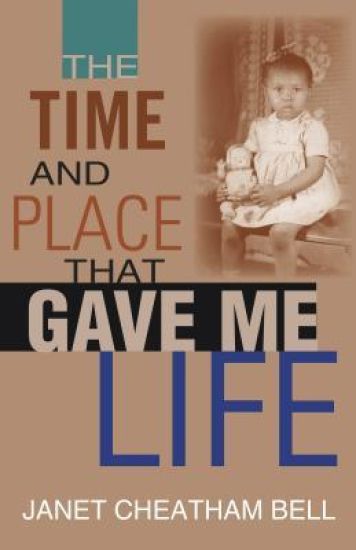
Janet Cheatham Bell's riveting memoir recounts her experiences coming of age as an African American girl in Indianapolis during the 1930s to the mid-1960s. In taut chapters, Bell introduces the reader to a life defined largely by race and racial discrimination. She begins with her birth in 1937 and her parents' early struggles after relocating to Indianapolis from Tennessee. Bell describes her first job as a maid in a wealthy white household and her humiliating experiences at a "white" high school. She describes experiences of racism at Indiana University and how she copes with personal tragedy that she is able to overcome. Devoid of hyperbole or the trauma that defines so many memoirs, particularly those of celebrities, the strength and appeal of Bell's memoir lies in her direct, but personal tone, and her deft use of anecdotes. "I think of myself as ordinary," writes Bell, "but the lives of ordinary people are not identical, and the details of those lives are worth knowing."