
Kirjahaku
Etsi kirjoja tekijän nimen, kirjan nimen tai ISBN:n perusteella.
1000 tulosta hakusanalla Joyce Rodgers
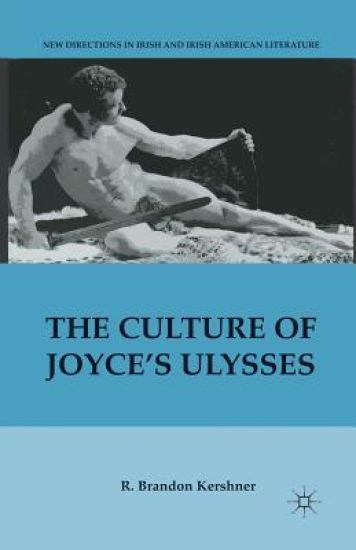
Reading Ulysses with an eye to the cultural references embedded within it, Kershner interrogates modernism's relationship to contemporary popular culture and literature. Examples underscore Kershner's corrective to formal approaches to genre as he broadens the methodologies that are used to study it to include social and political approaches.
The Author Chronologies Series aims to provide a means whereby the precise chronological facts of an author's life and career can be seen at a glance. This chronology provides a synopsis of Joyce's first years in Dublin and, from 1900, a more detailed account of his life there and attempts to become established as a writer when living mainly in Trieste and Zurich; and finally (when he became world-famous) Paris, concluding with his death in 1941.
This engrossing, ground-breaking book challenges the long-held conviction that prior to the second divorce referendum of 1995 Irish people could not obtain a divorce that gave them the right to remarry. Joyce knew otherwise, as Peter Kuch reveals—obtaining a decree absolute in Edwardian Ireland, rather than separation from bed and board, was possible. Bloom’s “Divorce, not now” and Molly’s “suppose I divorced him”—whether whim, wish, fantasy, or conviction—reflects an Irish practice of petitioning the English court, a ruse that, even though it was known to lawyers, judges, and politicians at the time, has long been forgotten. By drawing attention to divorce as one response to adultery, Joyce created a domestic and legal space in which to interrogate the sometimes rival and sometimes collusive Imperial and Ecclesiastical hegemonies that sought to control the Irish mind. This compelling, original book provides a refreshingly new frame for enjoying Ulysses even as it prompts thegeneral reader to think about relationships and about the politics of concealment that operate in forging national identity
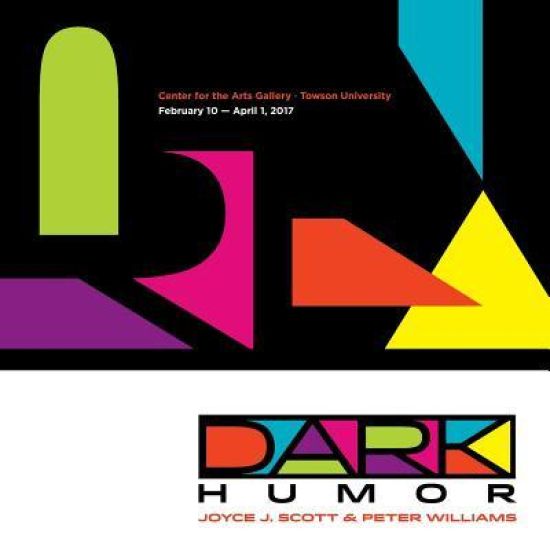
Exhibition catalog for "Dark Humor: Joyce J. Scott and Peter Williams," which took place at the Center for the Arts Gallery at Towson University February 10-April 1, 2017. The artists featured work in a variety of media to examine issues of racism, sexism, identity, difficult historical realities, and contemporary politics through a lens of humor, satire, and irony. The catalog includes essays by J. Susan Isaacs, curator, Nikki A. Greene, and Tiffany Barber.
A Study Guide for Joyce Carol Oates's "Four Summers"
Cengage Learning Gale
Gale, Study Guides
2017
pokkari
A Study Guide for Joyce Carol Oates's "How I Contemplated the World"
Cengage Learning Gale
Gale, Study Guides
2017
pokkari
A Study Guide for Joyce Carol Oates's "Stalking"
Cengage Learning Gale
Gale, Study Guides
2017
pokkari
A Study Guide for Joyce McDonald's "Swallowing Stones"
Cengage Learning Gale
Gale, Study Guides
2017
pokkari
A Study Guide for Joyce Carol Oates's "We Were the Mulvaneys"
Cengage Learning Gale
Gale, Study Guides
2017
pokkari
A Study Guide for Joyce Carol Oates's "Where Are You Going, Where Have You Been?"
Cengage Learning Gale
Gale, Study Guides
2017
pokkari
Palgrave Advances in James Joyce Studies
Palgrave Macmillan
2004
sidottu
Palgrave Advances in James Joyce Studies is a comprehensive guide to new critical approaches to Joyce studies. Topics covered include Joyce and Intertextuality, Joyce and Gender, Joyce and Politics, Joyce and Geography, and Joyce and Science. Contributors include Brandon Kershner, Michael Groden, Margot Norris, Vicki Mahaffey, Joseph Valente and Ronald Bush. A chronology and guide to further reading are also included.
Palgrave Advances in James Joyce Studies
Palgrave Macmillan
2004
nidottu
Palgrave Advances in James Joyce Studies is a comprehensive guide to new critical approaches to Joyce studies. Topics covered include Joyce and Intertextuality, Joyce and Gender, Joyce and Politics, Joyce and Geography, and Joyce and Science. Contributors include Brandon Kershner, Michael Groden, Margot Norris, Vicki Mahaffey, Joseph Valente and Ronald Bush. A chronology and guide to further reading are also included.
The Author Chronologies Series aims to provide a means whereby the precise chronological facts of an author's life and career can be seen at a glance. This chronology provides a synopsis of Joyce's first years in Dublin and, from 1900, a more detailed account of his life there and attempts to become established as a writer when living mainly in Trieste and Zurich; and finally (when he became world-famous) Paris, concluding with his death in 1941.
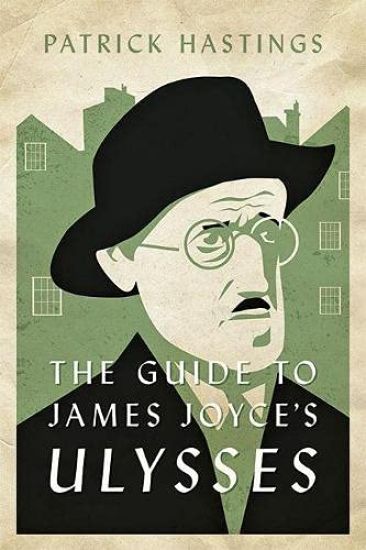
From the creator of UlyssesGuide.com, this essential guide to James Joyce's masterpiece weaves together plot summaries, interpretive analyses, scholarly perspectives, and historical and biographical context to create an easy-to-read, entertaining, and thorough review of Ulysses.In The Guide to James Joyce's 'Ulysses,' Patrick Hastings provides comprehensive support to readers of Joyce's magnum opus by illuminating crucial details and reveling in the mischievous genius of this unparalleled novel. Written in a voice that offers encouragement and good humor, this guidebook maintains a closeness to the original text and supports the first-time reader of Ulysses with the information needed to successfully finish and appreciate the novel. Deftly weaving together spirited plot summaries, helpful interpretive analyses, scholarly criticism, and explanations of historical and biographical context, Hastings makes Joyce's famously intimidating novel—one that challenges the conventions and limits of language—more accessible and enjoyable than ever before. He unpacks each chapter of Ulysses with episode guides, which offer pointed and readable explanations of what occurs in the text. He also deals adroitly with many of the puzzles Joyce hoped would "keep the professors busy for centuries." Full of practical resources—including maps, explanations of the old British system of money, photos of places and things mentioned in the text, annotated bibliographies, and a detailed chronology of Bloomsday (June 16, 1904—the single day on which Ulysses is set)—this is an invaluable first resource about a work of art that celebrates the strength of spirit required to endure the trials of everyday existence. The Guide to James Joyce's 'Ulysses' is perfect for anyone undertaking a reading of Joyce's novel, whether as a student, a member of a reading group, or a lover of literature finally crossing this novel off the bucket list.
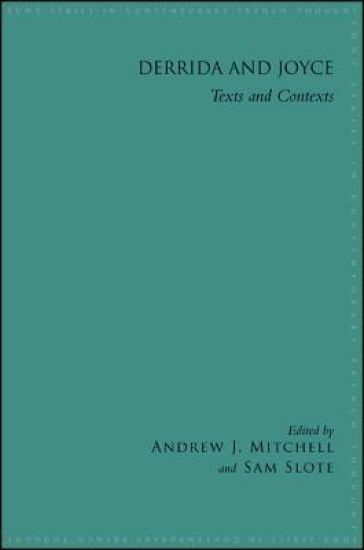
Derrida and Joyce
State University of New York Press
2013
sidottu
All of Derrida's texts on Joyce together under one cover in fresh, new translations, along with key essays covering the range of Derrida's engagement with Joyce's works.Bringing together all of Jacques Derrida's writings on James Joyce, this volume includes the first complete translation of his book Ulysses Gramophone: Two Words for Joyce as well as the first translation of the essay "The Night Watch." In Ulysses Gramophone, Derrida provides some of his most thorough reflections on affirmation and the "yes," the signature, and the role of technological mediation in all of these areas. In "The Night Watch," Derrida pursues his ruminations on writing in an explicitly feminist direction, offering profound observations on the connection between writing and matricide. Accompanying these texts are nine essays by leading scholars from across the humanities addressing Derrida's treatments of Joyce throughout his work, and two remembrances of lectures devoted to Joyce that Derrida gave in 1982 and 1984. The volume concludes with photographs of Derrida from these two events.
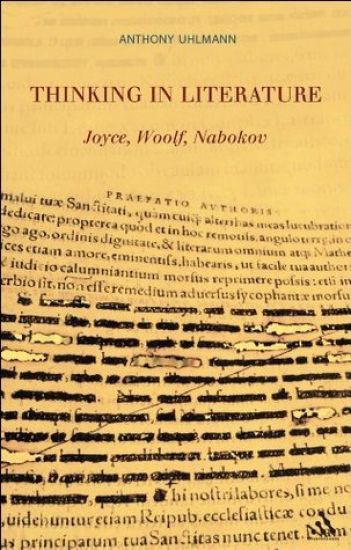
Thinking in Literature: Joyce, Woolf, Nabokov
Anthony Uhlmann
Continuum Publishing Corporation
2011
nidottu
Thinking in Literature sets out to examine how the Modernist novel might be understood to be a machine for thinking, and further how it might offer means of coming to terms with what it means to think. It begins with a theoretical analysis of the concept of thinking in literature using Gilles Deleuze as a point of departure and returning directly to the work of the two philosophers who were most important to Deleuze's understanding of thinking in literature: Spinoza and Leibniz. Three elements are identified as crucial to aesthetic expression: relation; sensation; and composition. Yet in order to build a fuller understanding of these processes it is necessary to move from theory to specific readings of artistic practice. Uhlmann examines the aesthetic practice of three major Modernist writers: James Joyce, Virginia Woolf, and the young Vladimir Nabokov. Each can be understood as working with relation, sensation and composition, yet each emphasize the interrelations between them in differing ways in expressing the potentials for thinking in literature.
Thinking in Literature: Joyce, Woolf, Nabokov
Anthony Uhlmann
Continuum Publishing Corporation
2011
sidottu
Thinking in Literature sets out to examine how the Modernist novel might be understood to be a machine for thinking, and further how it might offer means of coming to terms with what it means to think. It begins with a theoretical analysis of the concept of thinking in literature using Gilles Deleuze as a point of departure and returning directly to the work of the two philosophers who were most important to Deleuze's understanding of thinking in literature: Spinoza and Leibniz. Three elements are identified as crucial to aesthetic expression: relation; sensation; and composition. Yet in order to build a fuller understanding of these processes it is necessary to move from theory to specific readings of artistic practice. Uhlmann examines the aesthetic practice of three major Modernist writers: James Joyce, Virginia Woolf, and the young Vladimir Nabokov. Each can be understood as working with relation, sensation and composition, yet each emphasize the interrelations between them in differing ways in expressing the potentials for thinking in literature.
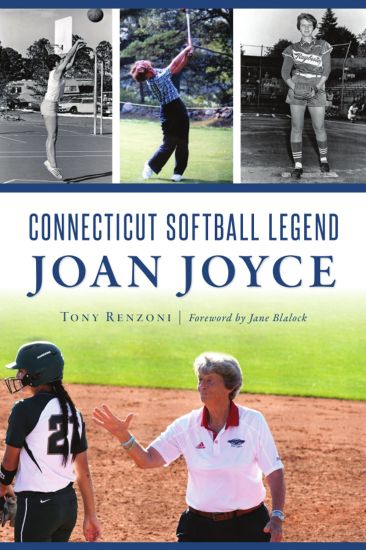
Joan Joyce will always be known as the unbeatable pitcher for the Raybestos Brakettes and the Connecticut Falcons, whose numerous career records--including an incredible 150 no-hitters and 50 perfect games--made her the best in the game. However, she was