Observera att förlaget som ger ut denna produkt baserar innehållet i sina produkter på fria källor som Wikipedia. Boken är med stor sannolikhet endast ett utdrag ur dessa informationskällor, alltså inte en vanlig bok i den bemärkelsen.
Observera att förlaget som ger ut denna produkt baserar innehållet i sina produkter på fria källor som Wikipedia. Boken är med stor sannolikhet endast ett utdrag ur dessa informationskällor, alltså inte en vanlig bok i den bemärkelsen.
Observera att förlaget som ger ut denna produkt baserar innehållet i sina produkter på fria källor som Wikipedia. Boken är med stor sannolikhet endast ett utdrag ur dessa informationskällor, alltså inte en vanlig bok i den bemärkelsen.
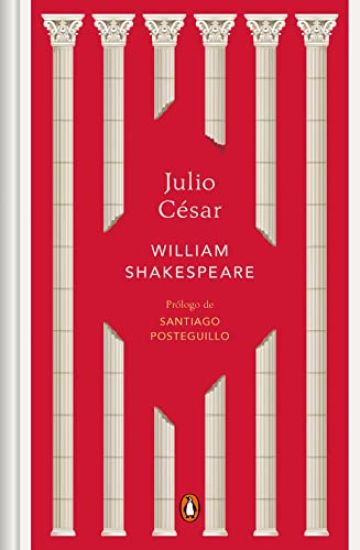
Una obra imprescindible de Shakespeare sobre la ambici n, el poder y la traici n en el marco fascinante de la antigua Roma. De regreso a Roma tras su exitosa campa a en Espa a, Julio C sar se hace nombrar c nsul y dictador perpetuo. Es entonces cuando, en defensa de la Rep blica, Casio pone en marcha una conspiraci n para asesinarlo con ayuda del noble Bruto. Sin embargo, Marco Antonio volver la opini n p blica en contra de los conspiradores, en una jugada que llevar a los lectores a reflexionar sobre el honor, la ambici n y la integridad. En el imprescindible pr logo escrito para nuestra edici n, el novelista y experto en literatura inglesa Santiago Posteguillo destaca la plena vigencia de esta pieza en la que el ejercicio de la autoridad llama a los peores excesos pol ticos. «Todo el mundo deber a leer la obra de teatro Julio C sar de Shakespeare, al menos, una vez en la vida . --Santiago Posteguillo ENGLISH DESCRIPTION William Shakespeare's classic tragic play The Tragedy of Julius Caesar. Julius Caesar is the ultimate story of political intrigue, ambition, betrayal, and the fall of the Roman Republic. It is one of several plays written by Shakespeare based on true events from Roman history, such as Coriolanus and Antony and Cleopatra. The year is 44 BC and Julius Caesar is at the height of his powers. The play depicts the moral dilemma of Brutus as he joins a conspiracy formed by a group of Roman senators who realize that in order for the republic to be saved, they must murder Julius Caesar and prevent him from becoming dictator of Rome. But the senators have different motives: some are spurred on by envy of Caesar's greatness and others, by their patriotism and love for Rome. Unwittingly, they set the course for one of the bloodiest civil wars in history and the eventual collapse of the great Roman republic. Although the play is named Julius Caesar, Brutus speaks more than four times as many lines as the title character; and the central psychological drama of the play focuses on Brutus' struggle between the conflicting demands of honor, patriotism, and friendship. In the remarkable prologue written for this edition, novelist and English literature expert Santiago Posteguillo highlights the full legitimacy of this piece in which the exercise of authority calls for the worst political excesses.
This text recounts the varied literary achievements of one of Latin America's most acclaimed and prolific 20th-century writers. Structuring his assessment around metaphors drawn from boxing, the author considers Cortazar's plays, stories, novels, political essays and poetry.
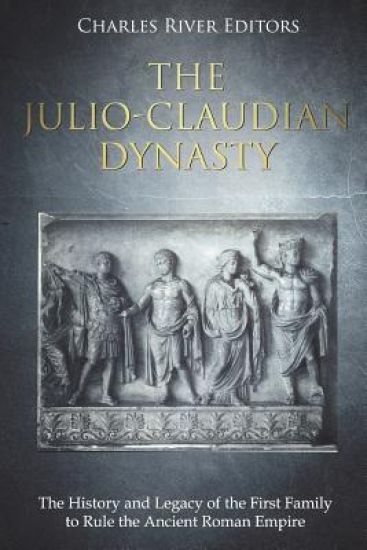
*Includes pictures *Includes ancient accounts *Includes online resources and a bibliography for further reading The importance of Gaius Julius Caesar Augustus (or as he was known from birth, Gaius Octavius "Octavian" Thurinus) to the course of Western history is hard to overstate. His life, his rise to power, his political, and his social and military achievements all laid the foundations for the creation of an empire which would endure for almost five centuries, and whose traditions, laws, architecture and art continue to influence much of Europe and the world today. Octavian was the first true Roman Emperor, and the first man since the Etruscan Tarquins five centuries earlier to establish a successful hereditary ruling dynasty in what had been a proud Republic for over half a millennium. He was a canny strategist, an excellent orator, a fine writer, a generous patron of the arts and enthusiastic promoter of public works, but above all he was a master politician. Octavian's great-uncle (and adoptive father) Julius Caesar was a great general, and his rival Mark Antony was a great soldier, but as a politician Octavian outmatched them all. One of the most overlooked emperors was also one of the first, and he lived in chaotic times. Tiberius was born in 42 BCE, just as the Roman Republic was dissolving and a new Roman imperial power structure emerged under Octavian, who became Rome's first emperor as Caesar Augustus. Tiberius's life soon became caught up with Augustus's as the emperor worked to found and establish a dynasty, but it is unclear if Tiberius ever really wanted to be part of Augustus's plans or inherit imperial power - Tiberius was known as a man who schemed and planned, but he was also a scholar and showed a marked desire throughout his life to retreat and escape the demands of power. Partially due to this continual tension, Tiberius's life is enigmatic in many ways. All of Rome's poor rulers pale in comparison to Gaius Julius Caesar Augustus Germanicus, a young man remembered by posterity as Caligula. Given how bad some of Rome's emperors were, it's a testament to just how insane and reviled Caligula was that he is still remembered nearly 2,000 years later as the epitome of everything that could be wrong with a tyrant. The Romans had high hopes for him after he succeeded Tiberius in 37 CE, and by all accounts he was a noble and just ruler during his first few months in power. But after that, he suffered some sort of mysterious illness that apparently rendered him insane, and the list of Caligula's strange actions became quite lengthy in almost no time at all. Among other things, Caligula began appearing in public dressed as gods and goddesses, and his incest, sexual perversion, and thirst for blood were legendary at the time, difficult accomplishments considering Roman society was fairly accustomed to and tolerant of such things. Today, Claudius is particularly remembered for the conquest of Britain, as Roman power there had weakened since Julius Caesar had invaded nearly a century before. Beyond this, he established Roman colonies on the frontiers of the empire, annexed several territories in North Africa (including Thrace and Mauritania), and made Judea a province. Claudius's successor, Nero, ranks among the very worst of the Caesars, alongside the likes of mad Caligula, slothful Commodus, and paranoid Domitian, a figure so hated that, in many ancient Christian traditions, he is literally, without hyperbole, considered the Antichrist; according to a notable Biblical scholar, the coming of the Beast and the number 666 in the Book of Revelation are references to Nero. He was the man who, famously, "fiddled while Rome burned", an inveterate lecher, a murderous tyrant who showed little compunction in murdering his mother and who liked to use Christian martyrs as a source of illumination at night - by burning them alive.
*Includes pictures *Includes ancient accounts *Includes online resources and a bibliography for further reading The importance of Gaius Julius Caesar Augustus (or as he was known from birth, Gaius Octavius "Octavian" Thurinus) to the course of Western history is hard to overstate. His life, his rise to power, his political, and his social and military achievements all laid the foundations for the creation of an empire which would endure for almost five centuries, and whose traditions, laws, architecture and art continue to influence much of Europe and the world today. Octavian was the first true Roman Emperor, and the first man since the Etruscan Tarquins five centuries earlier to establish a successful hereditary ruling dynasty in what had been a proud Republic for over half a millennium. He was a canny strategist, an excellent orator, a fine writer, a generous patron of the arts and enthusiastic promoter of public works, but above all he was a master politician. Octavian's great-uncle (and adoptive father) Julius Caesar was a great general, and his rival Mark Antony was a great soldier, but as a politician Octavian outmatched them all. One of the most overlooked emperors was also one of the first, and he lived in chaotic times. Tiberius was born in 42 BCE, just as the Roman Republic was dissolving and a new Roman imperial power structure emerged under Octavian, who became Rome's first emperor as Caesar Augustus. Tiberius's life soon became caught up with Augustus's as the emperor worked to found and establish a dynasty, but it is unclear if Tiberius ever really wanted to be part of Augustus's plans or inherit imperial power - Tiberius was known as a man who schemed and planned, but he was also a scholar and showed a marked desire throughout his life to retreat and escape the demands of power. Partially due to this continual tension, Tiberius's life is enigmatic in many ways. All of Rome's poor rulers pale in comparison to Gaius Julius Caesar Augustus Germanicus, a young man remembered by posterity as Caligula. Given how bad some of Rome's emperors were, it's a testament to just how insane and reviled Caligula was that he is still remembered nearly 2,000 years later as the epitome of everything that could be wrong with a tyrant. The Romans had high hopes for him after he succeeded Tiberius in 37 CE, and by all accounts he was a noble and just ruler during his first few months in power. But after that, he suffered some sort of mysterious illness that apparently rendered him insane, and the list of Caligula's strange actions became quite lengthy in almost no time at all. Among other things, Caligula began appearing in public dressed as gods and goddesses, and his incest, sexual perversion, and thirst for blood were legendary at the time, difficult accomplishments considering Roman society was fairly accustomed to and tolerant of such things. Today, Claudius is particularly remembered for the conquest of Britain, as Roman power there had weakened since Julius Caesar had invaded nearly a century before. Beyond this, he established Roman colonies on the frontiers of the empire, annexed several territories in North Africa (including Thrace and Mauritania), and made Judea a province. Claudius's successor, Nero, ranks among the very worst of the Caesars, alongside the likes of mad Caligula, slothful Commodus, and paranoid Domitian, a figure so hated that, in many ancient Christian traditions, he is literally, without hyperbole, considered the Antichrist; according to a notable Biblical scholar, the coming of the Beast and the number 666 in the Book of Revelation are references to Nero. He was the man who, famously, "fiddled while Rome burned", an inveterate lecher, a murderous tyrant who showed little compunction in murdering his mother and who liked to use Christian martyrs as a source of illumination at night - by burning them alive.
Christina Kuhn ist Fellow und University Lecturer in Ancient History an der Universitat Oxford. Zu ihren Forschungsschwerpunkten gehoren die Romische Geschichte (insbes. der Kaiserzeit), griechische und lateinische Epigraphik, die politische Kultur und Kommunikation in der Antike sowie die Geschichte und historische Geographie Kleinasiens.
Observera att förlaget som ger ut denna produkt baserar innehållet i sina produkter på fria källor som Wikipedia. Boken är med stor sannolikhet endast ett utdrag ur dessa informationskällor, alltså inte en vanlig bok i den bemärkelsen.
Julio Cortázar is one of the best-known successful Latin American writers. His work has been widely translated and this 1980 book is a clear and detailed study of his four major novels. Steven Boldy recognises the complexity, the 'nerve centres of contradiction and tension' of Cortázar's novels, which resist a single dogmatic interpretation, but Dr Boldy's sympathetic analysis allows the reader to approach an understanding of the individual novels and the way these are linked by an underlying thematic pattern. Cortázar's work is seen in the context of its European and Argentinian background: the cultural materials of surrealism, allusiveness and eclecticism that he absorbs and transforms. The approach to the four major novels is not limited to one particular aspect or theme, but the dualism inherent in the writing and its philosophical and formal implications provide the basic framework for study.