
Kirjahaku
Etsi kirjoja tekijän nimen, kirjan nimen tai ISBN:n perusteella.
1000 tulosta hakusanalla Linda Saukko-Rauta

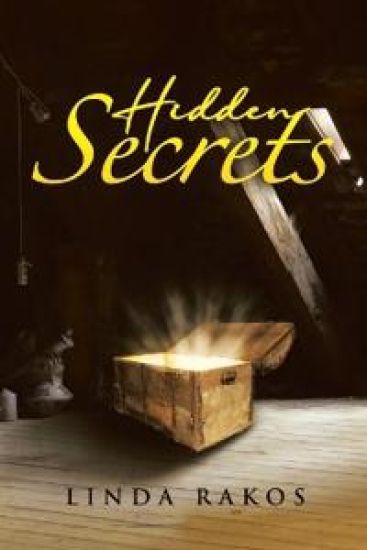
You wake up every morning and expect your day to be like every other day. You don't wake up knowing this day will be different. There is no sense of dread. In a heartbeat it changes and your life crumbles around you. Kit Bennett thought all the drama was buried with her mother. It was just moved to the attic. It was there that Kit found the journals that revealed hidden secrets and hurtful lies. The walls seemed to close in around her and for a brief moment her world stopped. In her shaking hands she held her birth certificate. It was time to reveal her mother's betrayal. How could any mother lie and tell her child that her father died before she was born when he was still alive? A secret kept from both daughter and father. Even if the odds were insurmountable, Kit had to try to find her father. Kit was aware of fate. You can never anticipate it and it can ambush you without warning.

You wake up every morning and expect your day to be like every other day. You don't wake up knowing this day will be different. There is no sense of dread. In a heartbeat it changes and your life crumbles around you. Kit Bennett thought all the drama was buried with her mother. It was just moved to the attic. It was there that Kit found the journals that revealed hidden secrets and hurtful lies. The walls seemed to close in around her and for a brief moment her world stopped. In her shaking hands she held her birth certificate. It was time to reveal her mother's betrayal. How could any mother lie and tell her child that her father died before she was born when he was still alive? A secret kept from both daughter and father. Even if the odds were insurmountable, Kit had to try to find her father. Kit was aware of fate. You can never anticipate it and it can ambush you without warning.

It is the REAL true journey of a devoted and passionate mother who embarks on the greatest epic and tragic crusade of her life to fight for the protection and future life of her only daughter. It inspired her to create "It's kinda fun to do the impossible." - Walt DisneyThe birth of Teen Talk Production, 2014-2018. The devil is in the details in the ongoing struggles of my challenging life and what happens from the doomsday event of the 13th September 2007 to present day 2022.

Taking account of the debates about adapting the Union's institutional structures to accommodate different welfare arrangements and the need for more open forms of European governance, the third edition of this well received book offers a compact, clear and authoritative account of 50 years of social policy formation and implementation across the EU.

Taking account of the debates about adapting the Union's institutional structures to accommodate different welfare arrangements and the need for more open forms of European governance, the third edition of this well received book offers a compact, clear and authoritative account of 50 years of social policy formation and implementation across the EU.
This authoritative book examines the what, why and how of international comparative research. It offers a comprehensive topic-based overview of the theory and practice of comparative research and addresses the possible concerns of those both funding the research and using the findings. Drawing on illustrations from the extensive international literature as well as real-life comparative studies, the chapters guide readers through the many stages in the research process, from research design and data collection to the analysis and interpretation of findings. In a book that crosses national, societal, cultural and disciplinary boundaries, the author:• Pinpoints practical problems and directs readers to tried and tested solutions, including multiple method strategies.• Draws on examples of policy transfer to examine how comparative research can inform policy making• Provides guidance on the management of international research teams and projects.This resource is the ultimate reference tool for students, researchers and practitioners undertaking comparative research projects in international settings across the social sciences and humanities.
This authoritative book examines the what, why and how of international comparative research. It offers a comprehensive topic-based overview of the theory and practice of comparative research and addresses the possible concerns of those both funding the research and using the findings. Drawing on illustrations from the extensive international literature as well as real-life comparative studies, the chapters guide readers through the many stages in the research process, from research design and data collection to the analysis and interpretation of findings. In a book that crosses national, societal, cultural and disciplinary boundaries, the author:• Pinpoints practical problems and directs readers to tried and tested solutions, including multiple method strategies.• Draws on examples of policy transfer to examine how comparative research can inform policy making• Provides guidance on the management of international research teams and projects.This resource is the ultimate reference tool for students, researchers and practitioners undertaking comparative research projects in international settings across the social sciences and humanities.

Heir to an earldom, and wife and widow of William de Valence (half-brother of King Henry III), Joan de Valence was an important actor in the volatile political world of thirteenth-century England, Wales, Scotland, and Ireland. Yet, astonishingly, her story of survival, perseverance, and influence has never been told until now. Joan de Valence: The Life and Influence of a Thirteenth-Century Noblewoman draws on archival research, as well as tools of historical analysis and gender studies, to peel back the layers of this remarkable noblewoman's life. From her survival of the wars between king and baronage at mid-century to her life as a widow and magnate of the realm, the story of Joan de Valance, as Mitchell argues, exemplifies the range of experiences of noblewomen during the middle ages.

Between the late 1970s and the mid-1980s, the people of Guatemala were subjected to a state-sponsored campaign of political violence and repression designed to not only defeat a left-wing, revolutionary insurgency but also destroy Mayan communities and culture. The Mayan Indians in the western highlands were labeled by the government as revolutionary sympathizers, and many Mayan women lost husbands, sons, and other family members who were brutally murdered or who simply "disappeared." Based on years of field research conducted in the rural highlands, Fear as a Way of Life traces the intricate links between the recent political violence and repression and the long-term systemic violence connected with class inequalities and gender and ethnic oppression--the violence of everyday life.

Between the late 1970s and the mid-1980s, the people of Guatemala were subjected to a state-sponsored campaign of political violence and repression designed to not only defeat a left-wing, revolutionary insurgency but also destroy Mayan communities and culture. The Mayan Indians in the western highlands were labeled by the government as revolutionary sympathizers, and many Mayan women lost husbands, sons, and other family members who were brutally murdered or who simply "disappeared." Based on years of field research conducted in the rural highlands, Fear as a Way of Life traces the intricate links between the recent political violence and repression and the long-term systemic violence connected with class inequalities and gender and ethnic oppression--the violence of everyday life.
"Queer theory," asserts Linda Garber, "alternately buries and vilifies lesbian feminism, missing its valuable insights and ignoring its rich contributions." Rejecting the either/or choice between lesbianism and queer theory, she favors an inclusive approach that defies current factionalism. In an eloquent challenge to the privileging of queer theory in the academy, Garber calls for recognition of the historical-and intellectually significant-role of lesbian poets as theorists of lesbian identity and activism. The connections, Garber shows, are most clearly seen when looking at the pivotal work of working-class lesbians/lesbians of color whose articulations of multiple, simultaneous identity positions and activist politics both belong to lesbian feminism and presage queer theory. Identity Poetics includes a critical overview of recent historical writing about the women's and lesbian-feminist movements of the 1970s; discussions of the works of Judy Grahn, Pat Parker, Audre Lorde, Adrienne Rich, and Gloria Anzaldua; and, finally, a chapter on the rise and hegemony of queer theory within lesbigay studies.
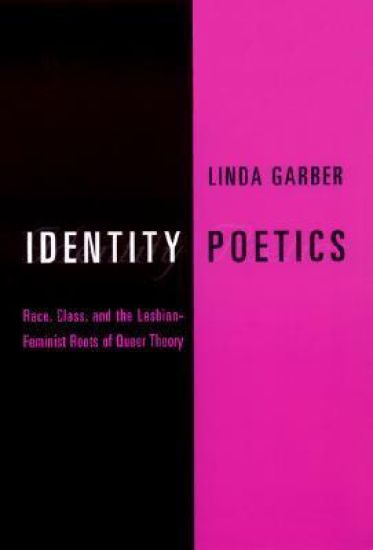
"Queer theory," asserts Linda Garber, "alternately buries and vilifies lesbian feminism, missing its valuable insights and ignoring its rich contributions." Rejecting the either/or choice between lesbianism and queer theory, she favors an inclusive approach that defies current factionalism. In an eloquent challenge to the privileging of queer theory in the academy, Garber calls for recognition of the historical-and intellectually significant-role of lesbian poets as theorists of lesbian identity and activism. The connections, Garber shows, are most clearly seen when looking at the pivotal work of working-class lesbians/lesbians of color whose articulations of multiple, simultaneous identity positions and activist politics both belong to lesbian feminism and presage queer theory. Identity Poetics includes a critical overview of recent historical writing about the women's and lesbian-feminist movements of the 1970s; discussions of the works of Judy Grahn, Pat Parker, Audre Lorde, Adrienne Rich, and Gloria Anzaldua; and, finally, a chapter on the rise and hegemony of queer theory within lesbigay studies.
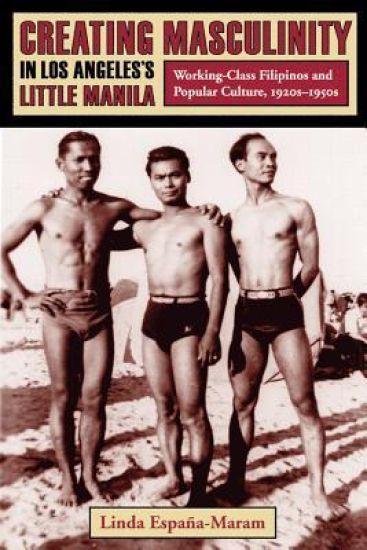
Creating Masculinity in Los Angeles's Little Manila
Linda España-Maram
Columbia University Press
2006
sidottu
In this new work, Linda Espana-Maram analyzes the politics of popular culture in the lives of Filipino laborers in Los Angeles's Little Manila, from the 1920s to the 1940s. The Filipinos' participation in leisure activities, including the thrills of Chinatown's gambling dens, boxing matches, and the sensual pleasures of dancing with white women in taxi dance halls sent legislators, reformers, and police forces scurrying to contain public displays of Filipino virility. But as Espana-Maram argues, Filipino workers, by flaunting "improper" behavior, established niches of autonomy where they could defy racist attitudes and shape an immigrant identity based on youth, ethnicity, and notions of heterosexual masculinity within the confines of a working class. Espana-Maram takes this history one step further by examining the relationships among Filipinos and other Angelenos of color, including the Chinese, Mexican Americans, and African Americans. Drawing on oral histories and previously untapped archival records, Espana-Maram provides an innovative and engaging perspective on Filipino immigrant experiences.
Creating Masculinity in Los Angeles's Little Manila
Linda España-Maram
Columbia University Press
2006
pokkari
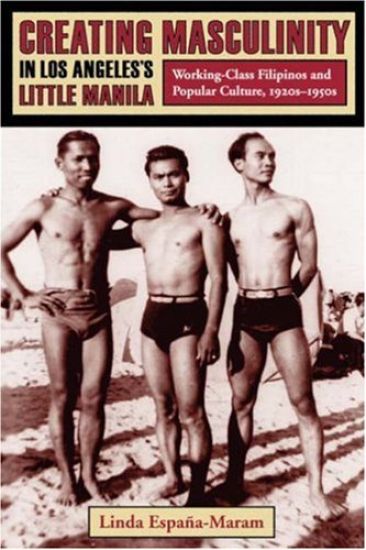
In this new work, Linda Espana-Maram analyzes the politics of popular culture in the lives of Filipino laborers in Los Angeles's Little Manila, from the 1920s to the 1940s. The Filipinos' participation in leisure activities, including the thrills of Chinatown's gambling dens, boxing matches, and the sensual pleasures of dancing with white women in taxi dance halls sent legislators, reformers, and police forces scurrying to contain public displays of Filipino virility. But as Espana-Maram argues, Filipino workers, by flaunting "improper" behavior, established niches of autonomy where they could defy racist attitudes and shape an immigrant identity based on youth, ethnicity, and notions of heterosexual masculinity within the confines of a working class. Espana-Maram takes this history one step further by examining the relationships among Filipinos and other Angelenos of color, including the Chinese, Mexican Americans, and African Americans. Drawing on oral histories and previously untapped archival records, Espana-Maram provides an innovative and engaging perspective on Filipino immigrant experiences.
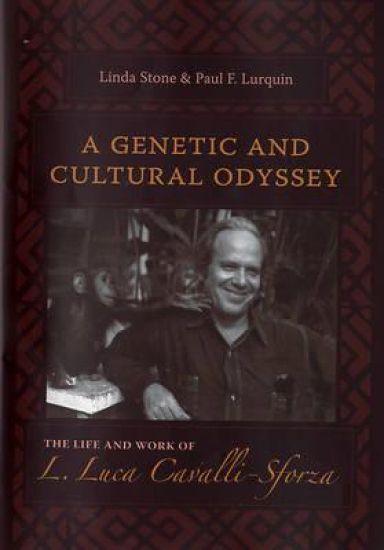
Drawing links between genetic and cultural development, Cavalli-Sforza developed groundbreaking techniques to trace the evolution of Homo sapiens and the origins of human differentiation, in addition to his earlier work in bacterial genetics. He is also the founder of the Human Genome Diversity Project and continues to work as the principal investigator at Stanford University's Human Population Genetics Laboratory. Based on extensive research and interviews with Cavalli-Sforza and his colleagues, this biography examines the scientist's life and his immense and occasionally controversial contributions to genetics, anthropology, and linguistics.

Lars von Trier built a reputation as a provocateur from the start—but in the late 2000s, he entered an even more inflammatory phase. Amid Cannes controversies, Antichrist (2009), Melancholia (2011), Nymphomaniac (2013–14), and The House That Jack Built (2018) brandished the cinematic virtuosity von Trier once banned under the Dogme 95 Manifesto while subjecting audiences to “extreme” cinema. Following von Trier’s experience of clinical depression in 2006 and 2007, these films took an aggressively personal and retrospective turn against the backdrop of the director’s controversy-courting public appearances.Playing against widespread assumptions, Linda Badley takes a reparative approach, offering an in-depth examination of these four films and the contexts that produced them. Drawing on numerous interviews with the director and his collaborators as well as inside access to archival materials, she provides a thorough and comprehensive account of von Trier’s preproduction and creative process. Highlighting a transmedial turn, Badley tracks von Trier’s artistic touchstones from Wagner, Proust, and the Marquis de Sade to Scandinavian erotic cinema and serial killer genre tropes. She considers his portrayals of mental illness and therapy, gender and sexuality, nature and extinction, shedding light on the thematic concerns that unite these films as a distinct cycle. Offering nuanced readings of these films, the book emphasizes the significance of von Trier’s work for current critical and philosophical debates, showing how they engage with notions of the Anthropocene, “dark ecology,” and the postcinematic.

Lars von Trier built a reputation as a provocateur from the start—but in the late 2000s, he entered an even more inflammatory phase. Amid Cannes controversies, Antichrist (2009), Melancholia (2011), Nymphomaniac (2013–14), and The House That Jack Built (2018) brandished the cinematic virtuosity von Trier once banned under the Dogme 95 Manifesto while subjecting audiences to “extreme” cinema. Following von Trier’s experience of clinical depression in 2006 and 2007, these films took an aggressively personal and retrospective turn against the backdrop of the director’s controversy-courting public appearances.Playing against widespread assumptions, Linda Badley takes a reparative approach, offering an in-depth examination of these four films and the contexts that produced them. Drawing on numerous interviews with the director and his collaborators as well as inside access to archival materials, she provides a thorough and comprehensive account of von Trier’s preproduction and creative process. Highlighting a transmedial turn, Badley tracks von Trier’s artistic touchstones from Wagner, Proust, and the Marquis de Sade to Scandinavian erotic cinema and serial killer genre tropes. She considers his portrayals of mental illness and therapy, gender and sexuality, nature and extinction, shedding light on the thematic concerns that unite these films as a distinct cycle. Offering nuanced readings of these films, the book emphasizes the significance of von Trier’s work for current critical and philosophical debates, showing how they engage with notions of the Anthropocene, “dark ecology,” and the postcinematic.