
Kirjahaku
Etsi kirjoja tekijän nimen, kirjan nimen tai ISBN:n perusteella.
1000 tulosta hakusanalla Roberta Griffith

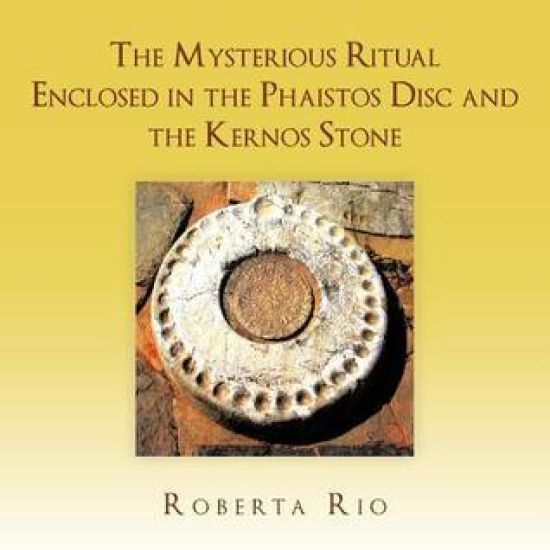
The Mysterious Ritual Enclosed In the Phaistos Disc and the Kernos Stone
Roberta Rio
AuthorHouse
2012
pokkari
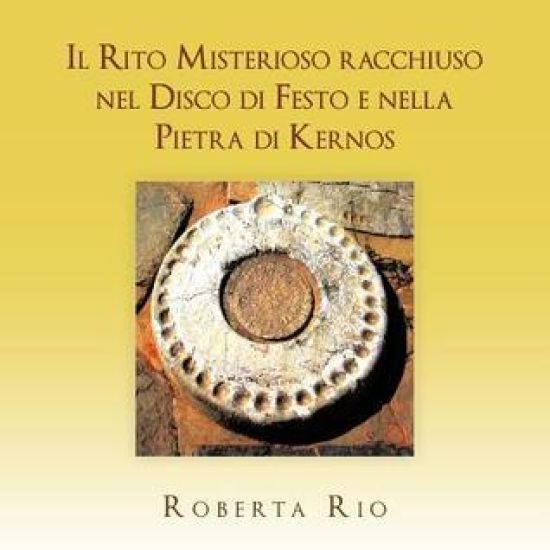
Il Rito Misterioso Racchiuso Nel Disco Di Festo E Nella Pietra Di Kernos
Roberta Rio
AuthorHouse
2012
pokkari

Das Geheimnisvolle Ritual Bewahrt Im Diskus Von Phaestos Und Dem Kernos Von Malia
Roberta Rio
Authorhouse UK
2012
pokkari
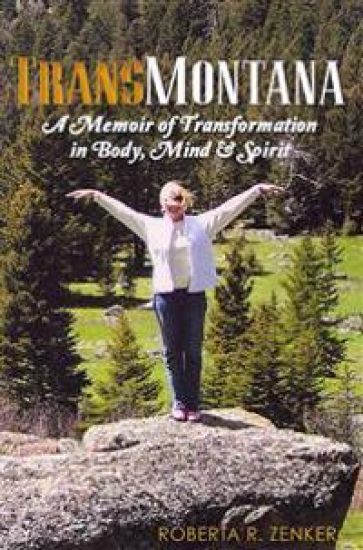
TransMontana: A Memoir of Transformation in Body, Mind & Spirit
Roberta R. Zenker
Createspace Independent Publishing Platform
2012
nidottu

As far as the East is from the West
Roberta Kirby
Createspace Independent Publishing Platform
2012
nidottu
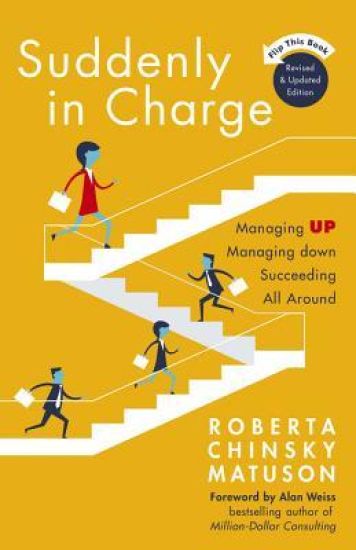
As companies reorganize and reengineer, people are finding themselves tossed into management every day with little to no training or preparation. Literally two books in one, Suddenly in Charge provides all of the tools necessary to be successful at managing up and down the line of any organization. In addition to updates to all chapters, this revised and updated edition features 7 new chapters (3 chapters will be deleted) aligned to modern approaches to management. New topics include: executive presence, working with a coach or mentor, employee retention, creating purpose, the multi-generational workforce and more.
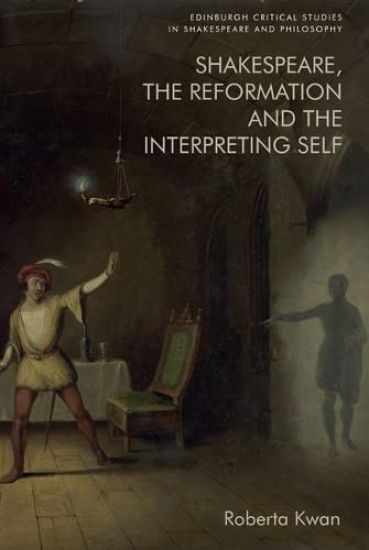
Shakespeare, the Reformation and the Interpreting Self
Roberta Kwan
EDINBURGH UNIVERSITY PRESS
2023
sidottu
Reconceptualises Shakespeare's representations of selfhood by drawing on the long history behind the modern West's assumption that to be human is to be an interpreter of reality Provides a ground-breaking contribution to the expanding field of study situated at the intersections of Shakespeare, religion and philosophy Illuminates the indebtedness of Shakespeare's dramatization of human understanding as interpretive to the Protestant Reformation's reconfiguring of people's relation to knowledge and people as knowers (that is, the Reformers' theological hermeneutics) Offers a distinctive vantage point on our sense of Shakespeare's modernity by employing a critical framework that shows the influence of the Reformers' hermeneutics on the thinking about humans as knowers of Hans-Georg Gadamer and other prominent modern philosophers of hermeneutics Presents innovative, substantial readings of Shakespeare's 'problem plays' Hamlet, Troilus and Cressida, Measure for Measure and All's Well That Ends Well and their viewpoints on human subjectivity We share with Shakespeare, it seems, the assumption that to be human is to know through interpretation. This innovative study examines Shakespeare's compelling dramatisations of the interpreting self through the lens of a hermeneutical tradition that spans culture-shaping early modern religious beliefs about human knowing and pivotal philosophical ideas of our age. What is it to be an interpreting self? Shakespeare, the Reformation and the Interpreting Self offers fresh perspectives on critical questions about the self's finitude, agency, motivations, self-knowledge and ethical relation to others; questions that were of great relevance in Shakespeare's England and which continue to frame present-day dilemmas and debates about human experience and human being.
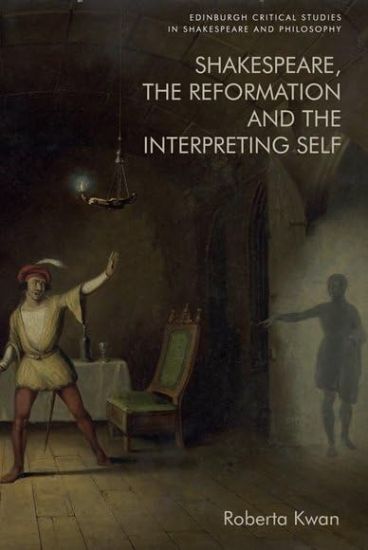
Shakespeare, the Reformation and the Interpreting Self
Roberta Kwan
EDINBURGH UNIVERSITY PRESS
2025
nidottu
We share with Shakespeare, it seems, the assumption that to be human is to be an interpreter of oneself, others and the world seeking but not always arriving at understanding. Shakespeare, the Reformation and the Interpreting Self explores this perspective on human subjectivity. This study reads the complex, compelling representations of the self as an interpreter (and misinterpreter) of reality in Shakespeare's 'problem plays' alongside an intellectual history that links the culture-shaping theological hermeneutics of the playwright's day to the similarly influential philosophical hermeneutics of our times. What is it to be an interpreting self? This book's critical approach brings to the fore questions about the self's finitude, agency, motivations, self-knowledge and ethical relation to others, questions that were of great relevance in Shakespeare's England and which continue to resonate in our present-day dilemmas and debates about human experience and human being.

In science fiction, deflector shields protect ships, bases, and even planets from enemy attack. How could a protective space that absorbs energy from weapons be created? Scientists have some ideas, which include using lasers. Discover the science and technology behind what it would take to make a real-life deflector shield!
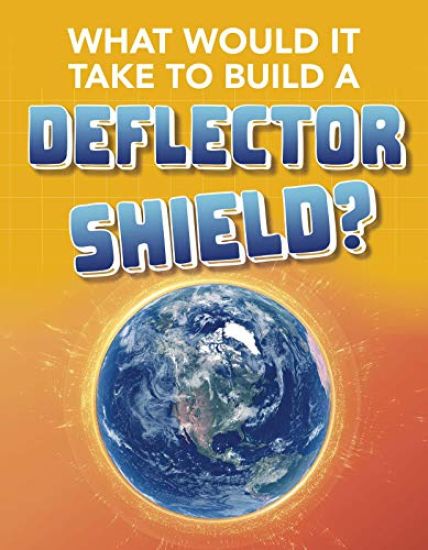
In science fiction, deflector shields protect ships, bases and even planets from enemy attack. How could a protective space that absorbs energy from weapons be created? Scientists have some ideas, which include using lasers. Discover the science and technology behind what it would take to make a real-life deflector shield!

In science fiction, energy blades are weapons or tools that look like glowing swords. How could one of these powerful devices work? Scientists have some ideas, which include using plasma. Discover the science and technology behind what it would take to make a real-life energy blade!

In the world of science fiction, a seemingly endless variety of cool futuristic devices and vehicles can be seen. From jet packs and flying vehicles to laser shields and invisibility cloaks, each device helps make a story more exciting and imaginative. What if these items were in real life? It could happen someday! Explore how scientists are making progress toward real-life versions of famous science-fiction devices. Discover the limits of today's research and learn what new technologies will be needed. Young readers will be fascinated by this look at futuristic science and technology.
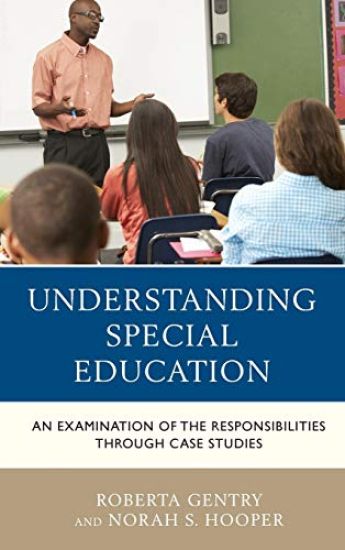
In increasing numbers, general education teachers are faced with the task of educating students with disabilities in their classrooms, and many beginning teachers are not prepared for the diverse classroom that awaits them. The cases in this book are written from the viewpoint of general education teachers, with the goal of providing them with the information and tools to improve their ability to approach this task with confidence. As participants process the cases in this book, they will learn to collect and evaluate data, identify important concepts, apply legal requirements, develop hypotheses, and create or defend arguments. Through introductory materials included in each chapter, the major provisions of the Individuals with Disabilities Education Act (IDEA) are outlined in easy and understandable terms and illuminated through the cases presented. Discussion questions, links to websites, and suggested activities are included in each chapter.
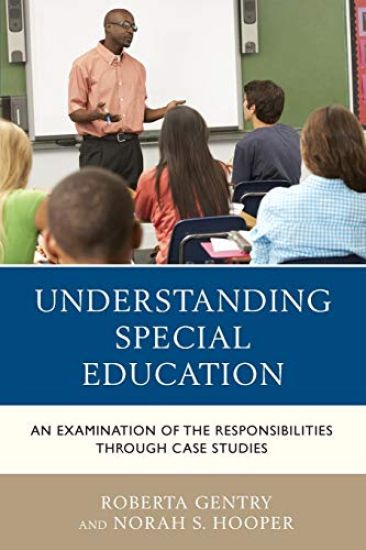
In increasing numbers, general education teachers are faced with the task of educating students with disabilities in their classrooms, and many beginning teachers are not prepared for the diverse classroom that awaits them. The cases in this book are written from the viewpoint of general education teachers, with the goal of providing them with the information and tools to improve their ability to approach this task with confidence. As participants process the cases in this book, they will learn to collect and evaluate data, identify important concepts, apply legal requirements, develop hypotheses, and create or defend arguments. Through introductory materials included in each chapter, the major provisions of the Individuals with Disabilities Education Act (IDEA) are outlined in easy and understandable terms and illuminated through the cases presented. Discussion questions, links to websites, and suggested activities are included in each chapter.
In What Went Right: Lessons from Both Sides of the Teacher’s Desk co-authors Roberta Israeloff and George McDermott resume a conversation they began in 1967—when she was in eleventh grade at Syosset (N.Y.) High School and he was her English teacher. In 2014, after finding each other on Facebook, they began an email correspondence—as contemporaries, rather than student and teacher—and quickly discovered that neither had ever stopped thinking about that school and the many ways it influenced them. As they shared their impressions of how and why public education has changed since then, they realized that a single academic year can have a deeper and longer-lasting impact than they had ever imagined. Personal and probing, evocative and wide-ranging, the letters that compose this book ask and attempt to answer some timeless—and timely—questions: What makes a teacher or a class memorable? How can the teacher-student relationship be supported and strengthened? What does being “educated” truly mean? And, perhaps most important, what role can free public education play in sustaining our democracy?