A calling from something far greater than myself, something that I call God, stopped me in my tracks and changed my life forever. A calling that completely made me question everything. This calling was for a special purpose in my life, to help heal and unite the world through a book, to reach out and give hope, a gift to us all.
This book provides a Europe-wide comparative analysis of the role of civil society organizations active in the field of unemployment and precarity. It illustrates how crucial civil society organizations are for the inclusion of the young unemployed, mainly in two ways: by delivering services and by advocating policy.
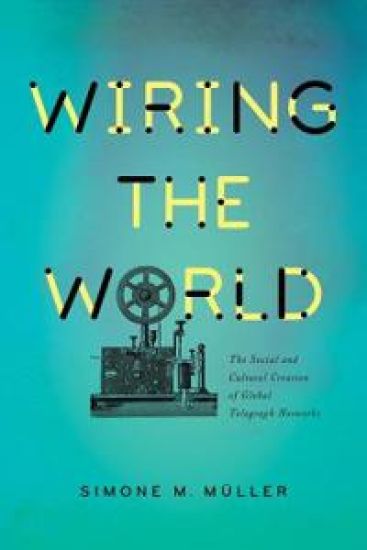
The successful laying of a transatlantic cable in 1866 remade world communications. A message could travel across the ocean in minutes, shrinking the space between continents, cultures, and nations. An eclectic group of engineers, entrepreneurs, politicians, and media visionaries then developed this technology into a telecommunications system that spread a particular vision of civilization-but not everyone wanted to wire the world the same way. Wiring the World is a cultural and social history that explores how the large Anglo-American cable companies won out over alternative visions. Bitter rivalries emerged over telegram prices, visions for world peace, scientific innovation, and the role of the nation-state. Such struggles determined the growth of cable technology, which in turn influenced world history. Filled with fascinating characters and new insights into pivotal events, Wiring the World traces globalization's diverse paths and close ties to business and politics.
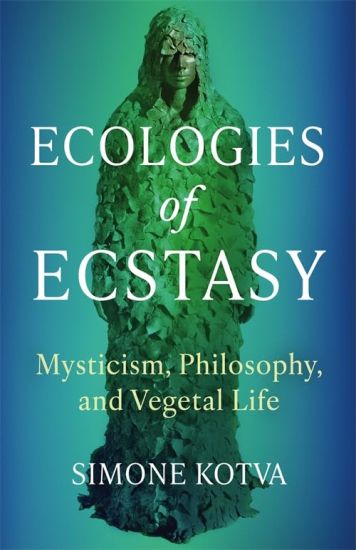
What might religious practice learn from plants? Recent years have seen the emergence of critical plant studies, and philosophers have found a radical mode of thought in vegetal life. Ecologies of Ecstasy recasts religious contemplation as a form of vegetal being, arguing that spiritual practice is rooted in the generation of life on earth. Simone Kotva explores the role of vegetal life in the history of Christian mysticism and the practice of contemplation, demonstrating its significance to the concept of mystical union, which rests on the loss of distinction between self and world. She shows that plants, animals, and other creatures were once understood to exist by virtue of contemplation and examines how religious orthodoxies suppressed this idea. Ecologies of Ecstasy provides fresh readings of texts by figures such as Plotinus, Evagrius of Pontus, Hildegard of Bingen, Marguerite of Porete, the Helfta mystics, and Jeanne Guyon in light of contemporary philosophies of vegetal life and critical plant studies. It brings together feminist, queer, and ecocritical readings of Christian mysticism with continental philosophy and the works of Michael Marder, Emanuele Coccia, and Luce Irigaray. Entwining Christian contemplation with philosophies of vegetal life, this book offers new ways to understand mysticism and spiritual practice.
What might religious practice learn from plants? Recent years have seen the emergence of critical plant studies, and philosophers have found a radical mode of thought in vegetal life. Ecologies of Ecstasy recasts religious contemplation as a form of vegetal being, arguing that spiritual practice is rooted in the generation of life on earth. Simone Kotva explores the role of vegetal life in the history of Christian mysticism and the practice of contemplation, demonstrating its significance to the concept of mystical union, which rests on the loss of distinction between self and world. She shows that plants, animals, and other creatures were once understood to exist by virtue of contemplation and examines how religious orthodoxies suppressed this idea. Ecologies of Ecstasy provides fresh readings of texts by figures such as Plotinus, Evagrius of Pontus, Hildegard of Bingen, Marguerite of Porete, the Helfta mystics, and Jeanne Guyon in light of contemporary philosophies of vegetal life and critical plant studies. It brings together feminist, queer, and ecocritical readings of Christian mysticism with continental philosophy and the works of Michael Marder, Emanuele Coccia, and Luce Irigaray. Entwining Christian contemplation with philosophies of vegetal life, this book offers new ways to understand mysticism and spiritual practice.
A new translation of Simone Weil's best-known work: a political, philosophical and spiritual treatise on what human life could beWhat do humans require to be truly nourished? Simone Weil, one of the foremost philosophers of the last century, envisaged us all as being bound by unconditional, eternal obligations towards every other human being. In The Need for Roots, her most famous work, she argued that our greatest need was to be rooted: in a community, a place, a shared past and collective future hopes. Written for the Free French movement while she was exiled in London during the Second World War, Weil's visionary combination of philosophy, politics and mysticism is her answer to the question of what life without occupation - and oppression - might be.'The patron saint of all outsiders' Andre Gide'The only great spirit of our time' Albert Camus Translated by Ros Schwartz, with an introduction by Kate Kirkpatrick.
'There are certain words which possess, in themselves, when properly used, a virtue which illumines and lifts up towards the good'The philosopher and activist Simone Weil was one of the most courageous thinkers of the twentieth century. Here she writes, with honesty and moral clarity, about the manipulation of language by the powerful, the obligations of individuals to one another and the needs - for order, equality, liberty and truth - that make us human.One of twenty new books in the bestselling Penguin Great Ideas series. This new selection showcases a diverse list of thinkers who have helped shape our world today, from anarchists to stoics, feminists to prophets, satirists to Zen Buddhists.
'It is possible for man to snatch the world from the darkness of absurdity'How should we think and act in the world? These writings on the human condition by one of the twentieth century's great philosophers explore the absurdity of our notions of good and evil, and show instead how we make our own destiny simply by being.One of twenty new books in the bestselling Penguin Great Ideas series. This new selection showcases a diverse list of thinkers who have helped shape our world today, from anarchists to stoics, feminists to prophets, satirists to Zen Buddhists.
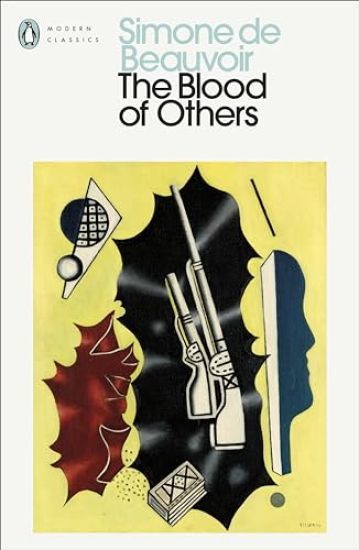
Potent and vividly emotional, Simone de Beauvoir’s captivating novel questions freedom and individual responsibility in the face of brutality‘These carefree faces, on which we allowed our smiles to spread, were for others the mask of tragedy.’Jean Blomart, patriot leader against the German forces of occupation, waits throughout an endless night for his wounded lover, Hélène, to die. Told through memories of his and her life, The Blood of Others paints an intense and moving picture of their love story and life in German occupied Paris during the Second World War. In the face of a seemingly unstoppable force, Hélène and Jean are confronted by the illusion of freedom and made to question their individual roles in the collective struggle against fascism, with devastating consequences.First published in 1945, this powerful novel resonates profoundly today and brings the ideas of one of the most important existentialist thinkers to life in spellbinding prose.With an Introduction by Ali Smith.
Spanish Gold is a charming novel that follows in the hoof-prints of a very special Spanish horse on his journey through life, through good times and bad.These memoirs follow Cantinero's journey from the beginning of his life in the beautiful marshland of Spain's Do-ana National Park, to Germany, England and then Cyprus. Cantinero's words weave a story upon life's tapestry; teach us the suffering that horse-kind can endure at man's hand, and yet also shows us the good that can be achieved through selfless acts of kindness. This noble horse became an icon that stole into many people's hearts, helped them to achieve their dreams and changed their lives. He was a great teacher and a true soul-companion, as well as being one of the most majestic and beautiful stallions to walk this earth. Dancer, heart-thief, courageous friend, a soul of fire, a leader and a gentle diplomat. In these memories, is he honoured.
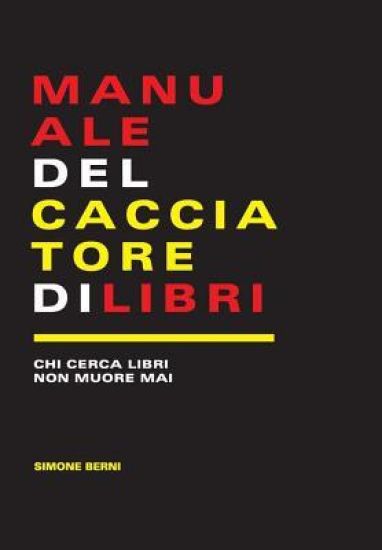
Questo ? un manuale pensato per il cacciatore di libri, sia esso libraio, collezionista, bibliofilo, editore, scrittore o giornalista. Nel corso degli anni ho frequentato librai, collezionisti e altri colleghi ?cacciatori?, molti di loro mi hanno scritto dopo la lettura dei miei libri e sono nate corrispondenze interessanti. Ho fatto mie molte loro segnalazioni, e soprattutto ho dato voce alle pi? diverse esperienze maturate in questo campo. Ognuno ha il suo ?metodo?, ognuno ha i suoi contatti e il suo stile di ricerca. Io ho cercato di estrapolare da ciascuno quei caratteri che possano valere da guida generale principalmente per coloro i quali si accostano al nostro mondo per la prima volta. Il collezionista di libri vedr? confermate o rivoluzionate le sue personali convinzioni. Il libraio forse si riconoscer? in talune situazioni; perdoni, magari, alcune ingenuit? ma tenga conto che il manuale si rivolge prima di tutto al neofita. I cacciatori di libri professionisti affineranno gli artigli.
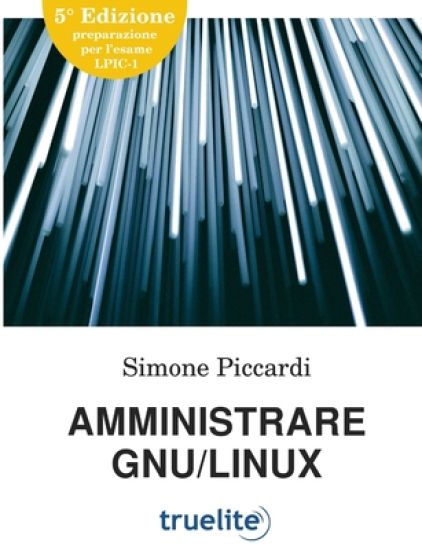
Amministrare GNU/Linux un testo introduttivo all'amministrazione di sistema che si rivolge a chiunque voglia intraprendere una carriera di sistemista in ambito Linux o voglia approfondire le sue competenze al riguardo. Pu~ essere utilizzato anche dagli sviluppatori intenzionati ad approfondire la conoscenza del sistema operativo. Nonostante vengano affrontati anche argomenti pi complessi della gestione sistemistica, l'approccio adottato nel manuale segue un percorso espositivo che non d^ per scontata la conoscenza di questo sistema operativo. Il testo aggiornato allo stato corrente delle tecnologie utilizzate in ambito Linux e tratta anche quelle introdotte pi recentemente (systemd, EFI e GPT). Inoltre, copre gli argomenti previsti negli esami di certificazione LPI, LPIC-1 101 e 102, e parte significativa degli argomenti dei successivi esami LPIC-2 201 e 202, fornendo un percorso di studio in un'appendice dedicata, pu~ quindi essere usato come testo di studio per la preparazione degli esami.
Integrazione Sistemistica con LDAP e un testo che affronta e analizza tutti gli aspetti dell'uso del Lightweight Directory Access Protocol, uno standard per l'interrogazione e la modifica dei dati mantenuti su un servizio centralizzato, organizzato in maniera gerarchica come per esempio un indirizzario o una rubrica telefonica.L'obiettivo del libro e quello di fornire le basi per installare, configurare e utilizzare LDAP come fonte di informazione da parte di altri servizi di rete. Il libro e suddiviso in tre parti:1. Introduzione a concetti, terminologia e funzionamento di LDAP, per la comprensione sia del protocollo che della strutturazione dei dati.2. Configurazione del servizio, sia lato client che lato server facendo riferimento al progetto OpenLDAP, implementazione libera del servizio LDAP e delle librerie di gestione.3. Integrazione su LDAP di vari servizi di rete e di sistema.
Daniele un comune operaio di Pisa, costretto a lavorare per un imbecille, sviluppando un'incondizionato senso di violenza. Cerca in tutti i modi di distrarsi, di trovare piacere nelle piccole cose, seppur sappia da molto tempo di aver creato un buco nero nella sua esistenza; un buco che lo inghiottir dal momento che incontrer Marta, suo unico grande amore.
Uno scorcio spericolato nel mondo del collezionismo di libri rari in Italia e nel mondo intero; tra libri irraggiungibili, edizioni pirata, libri censurati e misteriosamente scomparsi; autori cult, libri d'artista, libri stampati all'estero, amarcord bibliofilo; casi che hanno fatto epoca. Poeti di estrazione originale, sequestratori, muse, polemisti, matti e mediocri. Scrittori preziosi che pochi conoscono, casi editoriali che hanno fatto discutere; altri che invece nessuno conosce. i segreti del cacciatore di libri per trovare libri rarissimi. I libri su Dracula, il self publishing e le sue perle. Editori benemeriti che sono durati pochi anni ma hanno prodotto libri importanti e lanciato autori di grido. Scrittori che poi sono diventati ladri, omicidi, pazzi criminali e latitanti. Libri di cui nessuno ricorda nulla. Piccole edizioni senza importanza eppure preziose e attendibili.
Si parler? di quei libri perseguitati dai regimi politici, in particolar modo dal Fascismo e dal Nazismo, delle storie che ci sono dietro, del coraggio di chi li ha scritti. Un?attenzione tutta particolare verso le scienze alternative, non ortodosse, che pure hanno prodotto materiale interessante per il collezionista di stranezze. Questi autori temerari hanno sfidato tutte le convenzioni, ricavandone scherno e ?scomuniche?. I libri sui dischi volanti hanno rappresentato, e tutt?ora, uno spaccato autentico del secolo che ci siamo lasciati alle spalle. Con le loro teorie strampalate ma talvolta argute e con le incredibili storie che vi si celano dietro. Le utopie, le distopie, i mondi fantastici e immaginari della letteratura spesso hanno decretato ?perle? assolute. Libri eccezionali che sono scritti in linguaggi impossibili, sconosciuti e pieni di mistero. Anche di queste gemme preziose si parler? nel libro. Cos? come dei ?microcosmi?, da Sherlock Holmes al Mondo Perduto, alle stravaganze letterarie.
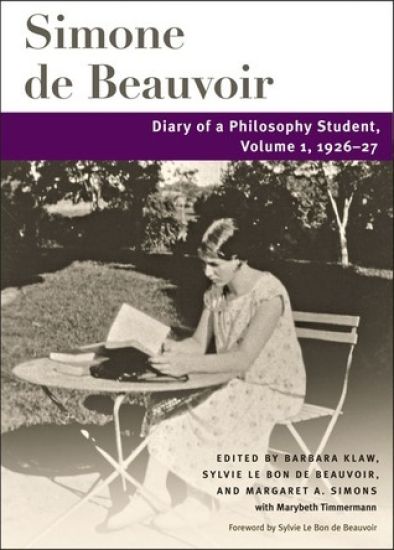
Simone de Beauvoir, still a teen, began a diary while a philosophy student at the Sorbonne. Written in 1926-27-before Beauvoir met Jean-Paul Sartre-the diaries reveal previously unknown details about her life and times and offer critical insights into her early intellectual interests, philosophy, and literary works. Presented for the first time in translation, this fully annotated first volume of the Diary includes essays from Barbara Klaw and Margaret A. Simons that address its philosophical, historical, and literary significance. It remains an invaluable resource for tracing the development of Beauvoir’s independent thinking and her influence on philosophy, feminism, and the world.
Provocative insights into Beauvoir's philosophical and personal development during wartime Written from September 1939 to January 1941, Simone de Beauvoir’s Wartime Diary gives English readers unabridged access to a scandalous text that threatened to overturn traditional views of Beauvoir’s life and work.Beauvoir's clandestine affair with Jacques Bost and sexual relationships with various young women challenge the conventional picture of Beauvoir as the devoted companion of Jean-Paul Sartre. At the same time, her account of completing her novel She Came to Stay at a time when Sartre had just begun Being and Nothingness questions the traditional view of Beauvoir’s novel as merely illustrating Sartre’s philosophy.Wartime Diary also traces Beauvoir's philosophical transformation as she broke from the prewar solipsism of She Came to Stay in favor of the postwar political engagement of The Second Sex. Beauvoir's emerging existentialist ethics reflect the dramatic collective experiences of refugees fleeing German invasion and life under Nazi occupation. The evolution of her thought also reveals the courageous reaffirmation of her individuality in constructing a humanist ethics of freedom and solidarity.This edition also features previously unpublished material, including her musings about consciousness and order, recommended reading lists, and notes on labor unions. In providing new insights into Beauvoir’s philosophical development, the Wartime Diary promises to rewrite a crucial chapter of Western philosophy and intellectual history.
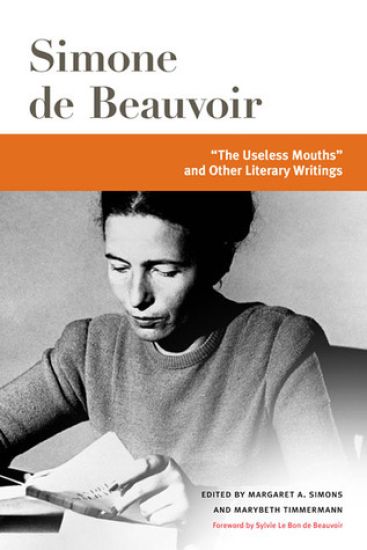
"The Useless Mouths" and Other Literary Writings brings to English-language readers literary writings--several previously unknown--by Simone de Beauvoir. Culled from sources including various American university collections, the works span decades of Beauvoir's career. Ranging from dramatic works and literary theory to radio broadcasts, they collectively reveal fresh insights into Beauvoir's writing process, personal life, and the honing of her philosophy. The volume begins with a new translation of the 1945 play The Useless Mouths, written in Paris during the Nazi occupation. Other pieces were discovered after Beauvoir's death in 1986, such as the 1965 short novel "Misunderstanding in Moscow," involving an elderly French couple who confront their fears of aging. Two additional previously unknown texts include the fragmentary "Notes for a Novel," which contains the seed of what she later would call "the problem of the Other," and a lecture on postwar French theater titled Existentialist Theater. The collection notably includes the eagerly awaited translation of Beauvoir's contribution to a 1965 debate among Jean-Paul Sartre and other French writers and intellectuals, "What Can Literature Do?"Prefaces to well-known works such as Bluebeard and Other Fairy Tales,La Bâtarde, and James Joyce in Paris: His Final Years are also available in English for the first time, alongside essays and other short articles. A landmark contribution to Beauvoir studies and French literary studies, the volume includes informative and engaging introductory essays by prominent and rising scholars.Contributors are Meryl Altman, Elizabeth Fallaize, Alison S. Fell, Sarah Gendron, Dennis A. Gilbert, Laura Hengehold, Eleanore Holveck, Terry Keefe, J. Debbie Mann, Frederick M. Morrison, Catherine Naji, Justine Sarrot, Liz Stanley, Ursula Tidd, and Veronique Zaytzeff.