Kirjojen hintavertailu. Mukana 12 083 983 kirjaa ja 12 kauppaa.

Kirjahaku

Etsi kirjoja tekijän nimen, kirjan nimen tai ISBN:n perusteella.

1000 tulosta hakusanalla William R Cook

Reducing the Vulnerability of Uzbekistan's Agricultural Systems to Climate Change

Reducing the Vulnerability of Uzbekistan's Agricultural Systems to Climate Change

William R. Sutton; Jitendra P. Srivastava; James E. Neuman; Peter Droogers; Brent Boehlert

World Bank Publications
2013
nidottu
Agriculture is one of the most climate-sensitive of all economic sectors. In many countries, such as in Uzbekistan, the risks of climate change are an immediate and fundamental problem because the majority of the rural population depends either directly or indirectly on agriculture for their livelihoods. The risks of climate change to agriculture in Uzbekistan cannot be effectively dealt with—and the opportunities cannot be effectively exploited—without a clear plan for aligning agricultural policies with climate change, developing the capabilities of key agricultural institutions, and making needed investments in infrastructure, support services and on-farm improvements. Developing such a plan ideally involves a combination of high-quality quantitative analysis, consultation with key stakeholders, particularly farmers and local agricultural experts, and investments in both human and physical capital. The experience of Uzbekistan, highlighted in this work, shows that it is possible to develop a plan to meet these objectives—one that is comprehensive and empirically driven as well as consultative and quick to develop. The approach of this study is predicated on strong country ownership and participation, and is defined by its emphasis on “win-win” or “no regrets” solutions to the multiple challenges posed by climate change for farmers in Uzbekistan. The solutions are measures that increase resilience to future climate change, boost current productivity despite the greater climate variability already occurring, and limit greenhouse gas emissions. Reducing The Vulnerability of Uzbekistan's Agricultural Systems to Climate Change: Impact Assessment and Adaptation Options applies this approach to Uzbekistan with the goal of helping the country mainstream climate change adaptation into its agricultural policies, programmes, and investments. The study projects impacts of climate change on agriculture across Uzbekistan’s three agro-ecological areas through forecast variations in temperature and rainfall patterns so crucial to farming. It offers a map for navigating the risks and realising the opportunities, outlined through a series of consultations with local farmers. A detailed explanation of the approach is provided for those who would like to implement similar programmes in other countries of Europe, Central Asia, or anywhere else in the world. This is one of four country studies that were produced under the World Bank’s programme, “Reducing Vulnerability to Climate Change in European and Central Asian Agricultural Systems”. The other countries included in this series are Albania, FYR Macedonia, and Moldova. The results from the four studies are consolidated in the book Looking Beyond the Horizon: How Climate Change Impacts and Adaptation Responses Will Reshape Agriculture in Eastern Europe and Central Asia website.
Reducing the Vulnerability of FYR Macedonia's Agricultural Systems to Climate Change

Reducing the Vulnerability of FYR Macedonia's Agricultural Systems to Climate Change

William R. Sutton; Jitendra P. Srivastava; James E. Neuman; Kenneth Strzepek; Brent Boehlert

World Bank Publications
2013
nidottu
Agriculture is one of the most climate-sensitive of all economic sectors. In many countries, such as in FYR Macedonia, the risks of climate change are an immediate and fundamental problem because the majority of the rural population depends either directly or indirectly on agriculture for their livelihoods. The risks of climate change to agriculture in FYR Macedonia cannot be effectively dealt with—and the opportunities cannot be effectively exploited—without a clear plan for aligning agricultural policies with climate change, developing the capabilities of key agricultural institutions, and making needed investments in infrastructure, support services and on-farm improvements. Developing such a plan ideally involves a combination of high-quality quantitative analysis, consultation with key stakeholders, particularly farmers and local agricultural experts, and investments in both human and physical capital. The experience of FYR Macedonia, highlighted in this work, shows that it is possible to develop a plan to meet these objectives—one that is comprehensive and empirically driven as well as consultative and quick to develop. The approach of this study is predicated on strong country ownership and participation, and is defined by its emphasis on “win-win” or “no regrets” solutions to the multiple challenges posed by climate change for farmers in FYR Macedonia. The solutions are measures that increase resilience to future climate change, boost current productivity despite the greater climate variability already occurring, and limit greenhouse gas emissions. Reducing The Vulnerability of FYR Macedonia's Agricultural Systems to Climate Change: Impact Assessment and Adaptation Options applies this approach to the FYR Macedonia with the goal of helping the country mainstream climate change adaptation into its agricultural policies, programmes, and investments. The study projects impacts of climate change on agriculture across FYR Macedonia’s three agro-ecological areas through forecast variations in temperature and rainfall patterns so crucial to farming. It offers a map for navigating the risks and realising the opportunities, outlined through a series of consultations with local farmers. A detailed explanation of the approach is provided for those who would like to implement similar programmes in other countries of Europe, Central Asia, or anywhere else in the world. This is one of four country studies that were produced under the World Bank’s programme, “Reducing Vulnerability to Climate Change in European and Central Asian Agricultural Systems”. The other countries included in this series are Albania, Moldova, and Uzbekistan. The results from the four studies are consolidated in the book Looking Beyond the Horizon: How Climate Change Impacts and Adaptation Responses Will Reshape Agriculture in Eastern Europe and Central Asia website.
Reducing the Vulnerability of Moldova's Agricultural Systems to Climate Change

Reducing the Vulnerability of Moldova's Agricultural Systems to Climate Change

William R. Sutton; Jitendra P. Srivastava; James E. Neuman; Kenneth Strzepek; Brent Boehlert

World Bank Publications
2013
nidottu
Agriculture is one of the most climate-sensitive of all economic sectors. In many countries, such as in Moldova, the risks of climate change are an immediate and fundamental problem because the majority of the rural population depends either directly or indirectly on agriculture for their livelihoods. The risks of climate change to agriculture in Moldova cannot be effectively dealt with—and the opportunities cannot be effectively exploited—without a clear plan for aligning agricultural policies with climate change, developing the capabilities of key agricultural institutions, and making needed investments in infrastructure, support services and on-farm improvements. Developing such a plan ideally involves a combination of high-quality quantitative analysis, consultation with key stakeholders, particularly farmers and local agricultural experts, and investments in both human and physical capital. The experience of Moldova, highlighted in this work, shows that it is possible to develop a plan to meet these objectives—one that is comprehensive and empirically driven as well as consultative and quick to develop. The approach of this study is predicated on strong country ownership and participation, and is defined by its emphasis on “win-win” or “no regrets” solutions to the multiple challenges posed by climate change for farmers in Moldova. The solutions are measures that increase resilience to future climate change, boost current productivity despite the greater climate variability already occurring, and limit greenhouse gas emissions. Reducing The Vulnerability of Moldova's Agricultural Systems to Climate Change: Impact Assessment and Adaptation Options applies this approach to Moldova with the goal of helping the country mainstream climate change adaptation into its agricultural policies, programmes, and investments. The study projects impacts of climate change on agriculture across Moldova’s three agro-ecological areas through forecast variations in temperature and rainfall patterns so crucial to farming. It offers a map for navigating the risks and realising the opportunities, outlined through a series of consultations with local farmers. A detailed explanation of the approach is provided for those who would like to implement similar programmes in other countries of Europe, Central Asia, or anywhere else in the world. This is one of four country studies that were produced under the World Bank’s programme, “Reducing Vulnerability to Climate Change in European and Central Asian Agricultural Systems”. The other countries included in this series are Albania, FYR Macedonia, and Uzbekistan. The results from the four studies are consolidated in the bookLooking Beyond the Horizon: How Climate Change Impacts and Adaptation Responses Will Reshape Agriculture in Eastern Europe and Central Asia website.
Reducing the Vulnerability of Albania's Agricultural Systems to Climate Change

Reducing the Vulnerability of Albania's Agricultural Systems to Climate Change

William R. Sutton; Jitendra P. Srivastava; James E. Neuman; Kenneth Strzepek; Peter Droogers

World Bank Publications
2013
nidottu
Agriculture is one of the most climate-sensitive of all economic sectors. In many countries, such as in Albania, the risks of climate change are an immediate and fundamental problem because the majority of the rural population depends either directly or indirectly on agriculture for their livelihoods. The risks of climate change to agriculture in Albania cannot be effectively dealt with—and the opportunities cannot be effectively exploited—without a clear plan for aligning agricultural policies with climate change, developing the capabilities of key agricultural institutions, and making needed investments in infrastructure, support services and on-farm improvements. Developing such a plan ideally involves a combination of high-quality quantitative analysis, consultation with key stakeholders, particularly farmers and local agricultural experts, and investments in both human and physical capital. The experience of Albania, highlighted in this work, shows that it is possible to develop a plan to meet these objectives—one that is comprehensive and empirically driven as well as consultative and quick to develop. The approach of this study is predicated on strong country ownership and participation, and is defined by its emphasis on “win-win” or “no regrets” solutions to the multiple challenges posed by climate change for farmers in Albania. The solutions are measures that increase resilience to future climate change, boost current productivity despite the greater climate variability already occurring, and limit greenhouse gas emissions. Reducing The Vulnerability of Albania's Agricultural Systems to Climate Change: Impact Assessment and Adaptation Options applies this approach to Albania with the goal of helping the country mainstream climate change adaptation into its agricultural policies, programmes, and investments. The study projects impacts of climate change on agriculture across Albania’s three agro-ecological areas through forecast variations in temperature and rainfall patterns so crucial to farming. It offers a map for navigating the risks and realising the opportunities, outlined through a series of consultations with local farmers. A detailed explanation of the approach is provided for those who would like to implement similar programmes in other countries of Europe, Central Asia, or anywhere else in the world. This is one of four country studies that were produced under the World Bank’s programme, “Reducing Vulnerability to Climate Change in European and Central Asian Agricultural Systems”. The other countries included in this series are FYR Macedonia, Moldova, and Uzbekistan. The results from the four studies are consolidated in the book Looking Beyond the Horizon: How Climate Change Impacts and Adaptation Responses Will Reshape Agriculture in Eastern Europe and Central Asiawebsite.
Super Boards

Super Boards

William R. Mott

William R. Mott PH.D.
2014
sidottu
- Do you serve on a nonprofit board? - Want to better understand what your role should be? - Are you the president or executive director and need to determine appropriate boundaries between policy and effective management? - Wonder why there is so much dysfunction in nonprofits between the board and administration? If you work for a nonprofit or independent educational institution or serve on its board, this book is an invaluable tool for you and your organization. Where Dr. William R. Mott's first book, The Board Game, illustrated the ill effects a dysfunctional board has on an organization, Super Boards provides the standard to which all nonprofit boards should aspire. Using case studies and lessons learned from years of practical experience, this book will help any independent school or other nonprofit achieve excellence in carrying out their tasks and responsibilities.
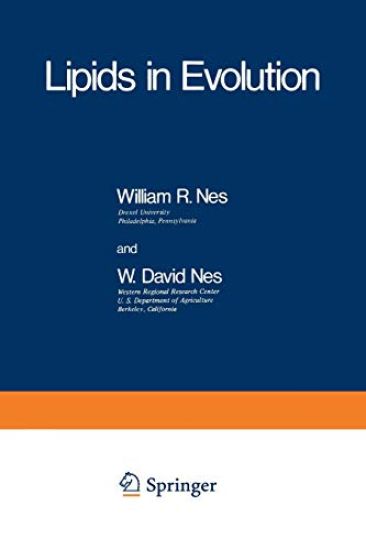
Lipids in Evolution

Lipids in Evolution

William R. Nes

Springer-Verlag New York Inc.
2013
nidottu
A turning point seems to have been reached recently in our understanding of biological systems. After about 1930, when it became possible to examine the dynamic aspects of a cell seriously and to increase the breadth of our knowledge of the chemicals which are involved, there was a feeling that the elucidation of a pathway or the use to which a compound or a process was put biologically had a ubiquitous character. Among the reasons for believing this was the constancy of the amino acid building blocks for proteins. Not only were the same general structures found regardless of organismic type, but the stereochemistry was the same. This sort of observation led to the idea of the "unity of nature. " Few people, of course, thought a complete unity existed, because it was already known in the latter part of the nineteenth century that the sterols, the polysaccharides, and the pigments of various organisms could be substantially different, but only recently, during the last decade or so, has the fuH scope ofthe difference-as weil as ofthe similarity-begun to emerge. Of particular importance, it has now become evident that a large hiatus exists between some types of organism. Even more important, perhaps, and certainly more unexpected, are the substantial gaps which have been discovered within otherwise similar organisms. The evolutionary process is presumably behind what we observe, and therefore an understanding of the rules and regulations which govern similarity and difference should eventually lead to an elucidation of evolution itself.
Amos and Hosea

Amos and Hosea

William R. Harper

Bloomsbury Academic
2015
sidottu
A key text in the study of the minor prophets, this volume by distinguished academic William Rainey Harper offers a comprehensive look at the pre-prophetic movement, and in-depth analysis of meaning and literary form in these prophetic works.