Kirjojen hintavertailu. Mukana 12 549 859 kirjaa ja 12 kauppaa.

Kirjahaku

Etsi kirjoja tekijän nimen, kirjan nimen tai ISBN:n perusteella.

1000 tulosta hakusanalla Adam Thomas

DC X SONIC THE HEDGEHOG

DC X SONIC THE HEDGEHOG

Ian Flynn; Adam Bryce Thomas

DC Comics
2025
nidottu
Gotta go Flash-fast! Sonic the Hedgehog s world is under siege by Darkseid thankfully, he and his friends have some help: the Justice League! When the evil Darkseid invades Sonic s home in search of the ultimate power, Sonic and his friends find themselves with their backs against the wall and in need of a miracle. Luckily, the Justice League is able to step in and lend their hands! See DC s most iconic characters teaming up with the most beloved blue hedgehog on the planet against an insurmountable foe. There ll be action, adventure, and plenty of chili dogs! Written by longtime Sonic the Hedgehog scribe, Ian Flynn!

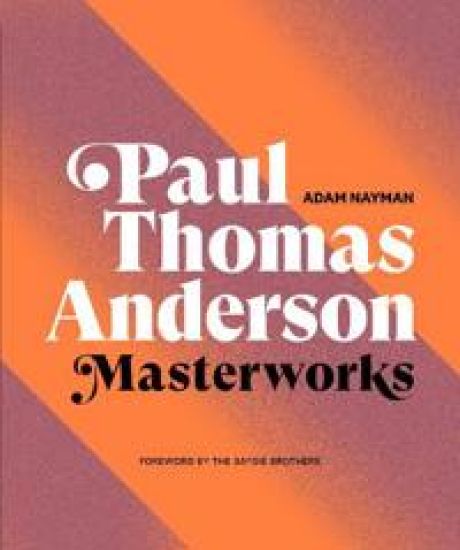
Paul Thomas Anderson

Paul Thomas Anderson

Adam Nayman

Abrams
2020
sidottu
A heavily illustrated mid-career monograph exploring the 30-year creative journey of the 8-time Academy Award–nominated writer and director Paul Thomas Anderson has been described as a true auteur and among the foremost ?lmmaking talents of his generation. His ?lms have received 25 Academy Award nominations, and he has worked closely with the ?nest actors of our time, including Daniel Day-Lewis, Joaquin Phoenix, and Philip Seymour Ho?man. In Paul Thomas Anderson: Masterworks, Anderson’s entire oeuvre—from Boogie Nights (1997), There Will Be Blood (2007), and The Master (2012) to his music videos for Radiohead to his early short ?lms—is examined in illustrated detail for the ?rst time. Anderson’s in?uences, his style, and the recurring themes of reinvention, alienation, destiny, and ambition that course through his movies are analyzed and supplemented by ?rsthand interviews with Anderson’s closest collaborators and illuminated by ?lm stills, archival photos, original illustrations, and a vibrant, engaging design aesthetic. Masterworks is a tribute to the dreamers, drifters, and evil dentists who populate his world.
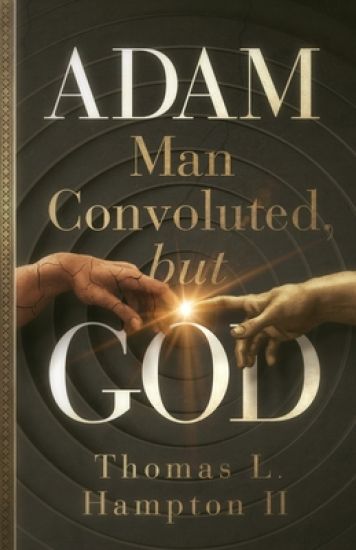
ADAM - Man Convoluted, but GOD

ADAM - Man Convoluted, but GOD

Thomas L Hampton

Adam Convoluted
2022
pokkari
Temporal and eternal, transitory and enduring, tangible, and ethereal; "Adam - Man Convoluted, but God", introduces the intriguing nature of dichotomy embodied in the biblical statement, "The first Adam". Which properly prepares the spiritual intellect for the revealing of the Mystery and Power of the Man who is to come but has always been; the second Adam. Adam - Man Convoluted, but God comes to assist the reader in identifying and entering God's Rest, setting free that Convoluted Man until he at once and for ever conceptualizes Paul's mystery; There is only One Written by a Minister who once believed that Heaven was above the Earth and to get to that Heaven, instead of living, he must first literally die. This book is for those who would like to gain the capacity to live in Heaven, becoming the personification not of Heaven is above the Earth but instead, "Heaven is in the Earth" and everything that Heaven is, such Is Man. This book reveals who the Man was before man made him known. His name was Adam for Adam means Earth...
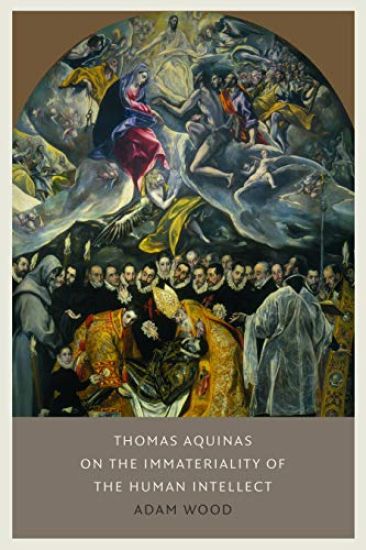
Thomas Aquinas on the Immateriality of the Intellect

Thomas Aquinas on the Immateriality of the Intellect

Adam Wood

The Catholic University of America Press
2019
sidottu
The chief aims of Thomas Aquinas on the Immateriality of the Human In­tellect are to provide a comprehensive interpretation of Aquinas’s oft-repeated claim that the human intellect is immaterial, and to assess his arguments on behalf of this claim. Adam Wood argues that Aquinas’s claim refers primarily to the mode in which the human intellect has its act of being. That the human intellect has an immaterial mode of being, however, crucially underwrites Aquinas’s additional views that the hu­man soul is subsistent and incorruptible. To show how it does so, Wood argues that the human intellect’s immateriality can also be put in terms of the impossibility of explaining its operations in terms of coordina­tion between bodily parts, states and processes. Aquinas’s arguments for the human intellect’s immateriality, therefore, can be understood as attempts to show why intellectual operations cannot be explained in bodily terms. The book argues that not all of them succeed in this aim and also proposes, however, a novel interpretation of Aquinas’s argu­ment based on human intellect’s universal mode of cognition that may indeed be sound. Wood concludes by considering the ramifications of Aquinas’s position on matters pertaining to the afterlife.Thomas Aquinas on the Immateriality of the Human Intellect represents the first book-length examination of Aquinas’s claim that the human intellect is immaterial, and so—given the centrality of this claim to his thought—should interest any scholars interested in understanding Thomas. While it focuses throughout on careful attention to Aquinas’s texts along with the relevant secondary literature, it also positions Thomas’s thought alongside recent developments in metaphysics and philosophy of mind. Hence it should also interest historically-minded metaphysicians interested in understanding how Thomas’s hylomor­phism intersects with recent work in hylomorphic metaphysics, philos­ophers of mind interested in understanding how Thomas’s philosoph­ical psychology relates to contemporary forms of dualism, physicalism and emergentism, and philosophers of religion interested in the possi­bility of the resurrection.
Thomas Aquinas on the Immateriality of the Human Intellect

Thomas Aquinas on the Immateriality of the Human Intellect

Adam Wood

THE CATHOLIC UNIVERSITY OF AMERICA PRESS
2025
pokkari
The chief aims of Thomas Aquinas on the Immateriality of the Human Intellect are to provide a comprehensive interpretation of Aquinas's oft-repeated claim that the human intellect is immaterial, and to assess his arguments on behalf of this claim. Adam Wood argues that Aquinas's claim refers primarily to the mode in which the human intellect has its act of being. That the human intellect has an immaterial mode of being, however, crucially underwrites Aquinas's additional views that the human soul is subsistent and incorruptible. To show how it does so, Wood argues that the human intellect's immateriality can also be put in terms of the impossibility of explaining its operations in terms of coordination between bodily parts, states and processes. Aquinas's arguments for the human intellect's immateriality, therefore, can be understood as attempts to show why intellectual operations cannot be explained in bodily terms. The book argues that not all of them succeed in this aim and also proposes, however, a novel interpretation of Aquinas's argument based on human intellect's universal mode of cognition that may indeed be sound. Wood concludes by considering the ramifications of Aquinas's position on matters pertaining to the afterlife. Thomas Aquinas on the Immateriality of the Human Intellect represents the first book-length examination of Aquinas's claim that the human intellect is immaterial, and so — given the centrality of this claim to his thought — should interest any scholars interested in understanding Thomas. While it focuses throughout on careful attention to Aquinas's texts along with the relevant secondary literature, it also positions Thomas's thought alongside recent developments in metaphysics and philosophy of mind. Hence it should also interest historically-minded metaphysicians interested in understanding how Thomas's hylomorphism intersects with recent work in hylomorphic metaphysics, philosophers of mind interested in understanding how Thomas's philosophical psychology relates to contemporary forms of dualism, physicalism and emergentism, and philosophers of religion interested in the possibility of the resurrection.